Program Yourself Thin Live 4-29-26
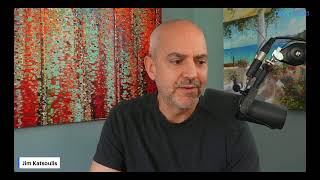
Jim Katsoulis argues that weight loss fails because people chase quick results with extreme diets. He proposes reframing the goal from losing weight to living at your goal weight, then using structured eating days, the redo-rehearsal technique, and 1% daily improvement to make it stick.
Chapters
Hey everyone, welcome to today's program, Yourself Thin Podcast. Today we're talking about How to believe that you can actually lose weight. This is one of them foundational cornerstone pieces of your experience, and it's going to dictate so much of how successful you are or aren't. Okay. Is before you even begin a plan, how much do you believe it's going to work? Because there's a good chance at this point, decades into your weight loss career, we want to call it that. You have not been successful. So it's normal to think that it's not going to work the next time. And if you don't believe something's going to work, it's really unlikely that you're going to put a ton of effort into making it work if you don't believe it's going to work, right? So instead, we just kind of avoid it. And this is where a lot of people find themselves, and for good reason. Again, your brain is trying to protect you. Why would you put a lot of effort into something that you don't believe is going to work? You're not going to— I tell you, hey, if you flap your arms hard enough, you'll fly. Well, you don't believe me, so you're not going to flap your arms very hard. So this level of belief is so crucial because it dictates how quickly you're going to start, and then it dictates how much effort you're going to give and how long you're going to stay with it. So again, it makes sense that if you look at your past, you would have developed a belief that it doesn't work. I can't lose weight. So how do you change that? Genuinely, not just trying to trick yourself or lie to yourself, but how do you genuinely change the belief you have in your ability to change your weight? That's what we're talking about here. And I think it starts by changing your goal, right? So the goal is not to lose weight here in this world. The goal is to live at your goal weight, right? So right off the bat, they're two totally different goals because losing weight is really about how fast can I lose weight? How can I lose weight in the fastest way possible? And that is the goal that you have been chasing your whole life. How can I lose weight as fast as possible? And that goal requires extreme measures, right? Because the fastest weight loss is directly tied to the most extreme methods. And yes, keto is extreme. Intermittent fasting is extreme. Counting calories is extreme. Tracking points is extreme. These are all extreme things, and especially the way you do them as a diet where you start them all 100% on day 1. It's overwhelming. It's extreme. And so you avoid it. So as soon as we shift the goal to wanting to live at our goal weight, we instantly change the time frame. So it's no longer about how fast we can make it happen. It's about how long we can keep it lasting. And right away, that extends the time frame because how long do you want to live at your goal weight for? Probably forever. So now we no longer— it's no longer about just the weight loss phase. It's about the big picture, which is really what you truly want anyways, because you've lost weight before. The goal isn't enough just to lose weight and put it back on. That's not the goal. The goal is to lose the weight and then live there for the rest of your life. So now all of a sudden we're thinking, for the rest of our lives, I want to be at my goal weight. How can I make this happen? So the goal shifts, and now the strategies almost shift automatically with it because now there's no rush. Now it's almost like we're going to start having completely different criteria in our mind for how we're going to choose our weight loss plan. Because when the goal is, how do I lose weight the fastest? Well, then the criteria says, well, I'm going to have to do something extreme. I'm going to have to do something drastic and extreme to lose weight fast. So if it's not drastic and extreme, we don't want to hear about it. It doesn't count. It doesn't meet our criteria. And this is the world you've been living in your entire weight loss career, is that you're constantly judging the weight loss plan by how extreme it is and how drastic it is. And so somewhere along the way, you only consider drastic, extreme plans as a way to change your weight. And this is why you don't believe in yourself, because drastic, extreme plans are difficult to maintain. And so it's not that you can't lose weight. That's really not the issue. The real issue is, can I stick with it long-term? And the truth is that as long as you keep chasing drastic and extreme plans, the answer is almost always going to be no, I can't stay with this long-term, which fortifies the belief that I can't do this. But it's not because you can't do it. It's because of the way you're trying to do it. That's the core problem. So once you start looking at the big picture that I want to live at my goal weight forever, now you can start breaking the process down into smaller, more comfortable pieces. Now your criteria changes so that if you look at an extreme drastic diet plan, your brain says, I'm never going to be able to keep that up. No, not doing that. We just now all of a sudden we start to blind ourselves. We start to delete extreme and drastic plans from our awareness. Because what's the point? Who gives a shit if I lose 20 pounds in a month, if I can't keep it up? Who cares? That doesn't lead me towards my goal of living at my goal weight. So rearticulating the goal and allowing the strategies underneath it to support the new goal is the real secret to believing in yourself. Because again, it's not that the diets don't work when you're doing them, it's that you can't keep up the diet. So the best alternative is to start approaching your weight with a different mindset, one where you start to break it down and work on things in a way that's comfortable for you and a way that's sustainable. So you start to develop the automatic thoughts, feelings, and behaviors that bring you towards your goal weight and then keep you there. That's how you start believing in yourself right now, immediately, is to shift your goal from losing weight to living at your goal weight. And once you do this again, it fundamentally restructures the strategies underneath that goal because the strategies to lose weight quickly are not the strategies to live at your goal weight. They're totally different. And once you recognize this, it saves you a lot of time and frustration, and it connects you to your belief in yourself. You can absolutely do this. You just need to do it in a different way. You need to do it in a way that works for you. In a way that's built for the long term, in a way that's sustainable and comfortable and, dare I say, even enjoyable. And once you figure out that way, now you're on the path you've wanted to be on your entire life. And if you want to take the first step onto this path, go click the link in my bio or go to programyourselfthin.com and go get the free hypnosis session I made for you. Okay. It's called the New Thin Me, and it's literally designed to help you do exactly what I've been talking about here. Connect to your goal weight and think about it in a long-term way that starts to seep into how you think each and every day naturally so that you start to automatically make the right choices. And again, that session is completely free. Go check it out. If you're over in Facebook land, I will put the link in the thing. Let me just put Yeah, there's the link. If you're on Facebook or YouTube, go click that. If you're on TikTok, you can just click my picture up on the top left there and it'll bring you— go check it out. Demi says, I can't sleep because I'm starving and now I feel like I'm going to binge. What do I do? Well, what do you do now? Well, what do you do now is you're probably gonna binge, but what you could have done The real answer and solution to this problem is what you could have done 10 hours ago. And this is really an example of what I talk about when I say a lot of times where the problem shows up is not where the problem was created. So for Demi, the problem is not that she can't stop herself from eating now that she's starving. The problem is that Demi probably didn't eat enough food today to prevent herself from feeling starving when it was bedtime. You see what I mean? So the answer is not that you have some magical willpower where you're starving and you just don't eat. The answer really was 8 hours ago when you could have nourished yourself more effectively so that when it got to be bedtime, you were comfortable enough to go to sleep. So I don't know anything you can do when you're starving and you're trying not to eat. I, I don't know. I don't think fighting against your hunger is a smart way to manage your weight. And I know that's what dieting's taught you over a lifetime, but I just don't see the proof that fighting against your hunger works or is effective. It just— it's a losing battle. Your entire body is designed to eat food when you're hungry. So this idea that you're going to fight against your hunger and especially extreme hunger, So now listen, in Program Yourself Thin, we look to get comfortable with a feeling of slight hunger. There's no— we're not hiding that fact. In order to lose weight, you're almost always going to have to experience some sense of hunger. And sometimes the very least it's psychological. And of course, if we don't eat all day, it's going to be physical as well. Um, so what we're looking to do is not bring ourselves into the depths of the most extreme hunger we can deal with, because that's just a recipe for failure. You're always going to follow up over-restricting with overeating. So what we're looking to do is to practice living in that slightly hungry space. And I love living there. You know, 30 years later, it's where I want to be, because when I feel slightly hungry, I feel most alive. I feel most energized. I feel most clear-headed. I love living there. I don't like being starving. When I'm starving, I can't concentrate on anything. My body doesn't feel good and I'm just obsessed with food and eating and I'm wasting all my energy trying to fight against that. So, so that's not a strategy that I think— again, I was just talking about drastic, drastic and extreme things. If you end the day and you're starving, I think you're doing something wrong and I think you're doing something that's not going to work for you. So again, I mean, my real answer is that you nourish yourself at a higher level. So that when you get to sleep time, maybe you have a slight level of hunger which you can deal with, um, but you're not wasting all your energy fighting against yourself, right? But yeah, if you have any questions, feel free to ask them. Any weight loss questions are welcome. I love talking about weight. Baked by Jackie says hi. Yeah, it gets tiring and it's hard to stay on plan. Calorie counting, etc. Yeah, exactly. But the key thing to remember is that's not the only way to lose weight. You know, dieting— I say this every day because I want you all to hear this, and you can't hear it enough— but the dieting industry is not on your side. The diet industry is not your friend. They're wolves in sheep's clothing. The diet industry is a branch of the food processing industry, literally. Weight Watchers was owned by Heinz. Jenny Craig was owned by Nestlé. Atkins Food Products was owned by the same company that owns Onions, Pretzels, Cinnam— Cinnabon, and Carvel ice cream. SlimFast is owned by the same company that owns Ben Jerry's ice cream. So these companies are not going out of their way to show you how to eat less of their foods. Ultimately, what sense would that make? You know, so again, we've had a lifetime of being conditioned and programmed to think that the way to lose weight is to diet. And all those myriad ways that we've internalized dieting to be over a lifetime. And you try all these methods, the same ones that your mom tried, and they ain't working for you the same way they didn't work for your mom. And there's a reason for that. That's what I'm trying to say. So again, a lot of times with weight loss, it's almost become learned helplessness because every time you've tried to lose weight, you've taken this drastic extreme approach. You haven't been able to stick with it. Um, and then you think, consider yourself a failure every time you stop. But I don't think you're the failure. I think your strategy is the failure. I think dieting is a failure. I don't know how much more proof it could be. If you're doing something that's making you miserable to lose weight, I, I don't know why you're doing it. If you tell me no pain, no gain, that's bullshit. That's bullshit. Because you all put yourself under tremendous amounts of pain to lose weight. Did you, did you gain the results you wanted? Long term, or did you ultimately quit and put the weight back on? So no pain, no gains, a bunch of bullshit in the long term, right? But yeah, I appreciate you saying that, Jackie, because yes, it's hard. And so again, though, my main message is that it's really not you. It's not— you're not the failure in the weight loss equation. The failure in the weight loss equation for most of you is the diets that you've been trying to do. And I've been doing this here for over 3 years and I've never had one person defend a diet to me. I feel like that's kind of telling. Let today, let today be that day. Does someone want to argue and defend a diet to me? Go ahead. Now, again, just real clear, I'm not saying that you can't lose weight for a little while on keto or intermittent fasting or counting calories. Like any diet that you follow, you're going to lose weight. I'm not arguing that. What I'm arguing is that no one follows the diets long term. 85 to 95% of dieters that lose the weight put the weight back on. So even the successful people end up not continuing with it. InKindSight says, is there a specific case to an apron belly? I don't eat fast food, I eat 80% healthy and stay active. Um, oh, a specific cause to an apron belly? Um, yeah, I don't know. I mean, you know, everyone's got their own genetics and the way their bodies work. So, um, that's a part of it for sure. Um, yeah, I mean, the food you're eating, it sounds like you're eating well. Uh, it could be, you know, a weight issue, you know, if you drop some weight, it may not be as prevalent. Um, but I, I don't know of any specific cause, um, to it. What's up, Marta? All right. I'm excited to finally join the program. Yes. Welcome to the program, Marta. I'm proud of you. Proud of you for taking action. I have to take it slow because I can do anything compulsively, even follow the program. I have a lot of emotional attachment to food. I overeat to escape and manage emotions. I have a get-together coming up this Friday, meeting a few friends for dinner at a great restaurant and some dancing. I have to plan before I can get lost in seeking pleasure from food, especially with great food served there. Um, just a few things, Marta, cause I see a lot of have-tos, right? And I don't know if you heard the lesson I did last week or the week before, but the 3 words that sabotage weight loss, one of them was have to, need to, should, right? So I see a lot of have-tos in here. So I'm proud of you for setting, you know, joining the program. I really am. And you're going to find that, you know, even these podcasts, I'm happy to talk with you and coach you through this. And I can direct you right back to the program now. So I think that was a really, really smart move. And yeah, I'm proud of you and everything you said here. You don't have to do any of those things. You know, I would replace have to with want to just as a first step. But I also want you to understand the beauty of Program Yourself Thin is that you can go Friday night with your friends and have fun and you can screw up and overeat and still succeed. That's the beauty of Program Yourself Thin, is that it's built to, it's built to be built on top of your mistakes. So Program Yourself Thin, that's what I think, this is what I think, I think it makes Program Yourself Thin so unique, is that every time you make a mistake, it becomes an opportunity to get better, to improve, to grow. And the same thing is going to be true for you on Friday night, Marta. So what I want you to do is I want you to start to experiment with the redo rehearsal technique. Right. Go watch that training. It's about a half hour. Learn the in-depth pieces of how to use that technique and then use it in the anticipation of Friday night so that until Friday occurs, you're going to use the rehearsal technique. Right. So again, you, you're going to learn the reading rehearsal as, you know, this today and tomorrow, but I want you to add a little extra to that. And I want you to do each of these days. So today's Wednesday. Tonight, tomorrow night, I want you to imagine how you want Friday night to go. You've been there before. You are referencing the food and how it's good. So you've been there. You know how the night can go. So here's, I'll give you a little extra bonus here. You could redo the last time you went to that restaurant, right? Redo it the way that you would like to do it. Marta at her best. How does she go through that experience? How does she eat? What does she do? How does she drink? What does she, you know, move through the night? Get a sense of that. Get a sense of going through that night at your best. And then rehearse it. Imagine this Friday night coming up and you stepping into that situation connected to your highest powers, your clarity, your calm, your motivation, your strategy. Your plan in a calm, grounded way. And then let Friday night come. And Friday night either goes one of two ways. Either you do amazing, you know, and then you replay it and remind yourself of what you did and you celebrate it. Um, or you eat everything in sight and then we redo it with fresh information. So what happened there? Oh, I forgot to, I forgot to eat something before and I went in too hungry. Oh, if I could go back in time, I would have had an apple and a glass of water an hour before I went. Something like that, right? And so again, we stop judging ourselves and we start learning from ourselves. And no matter what happens, good or bad, we're always learning. Again, one of the mantras you're going to get in the hypnosis session is called winning or learning. I want you to really internalize that. Winning or learning, winning or learning, winning or learning, all of you. That's, that's what you've got waiting for you for the rest of your life. You're either winning and things are working out the way you wanted them to, or you're learning how to make them turn out the way you want them to next time. Right. And if you do that consistently day after day, folks, what do you think happens? What do you think happens after a year of doing that every day? It's transformative. Right. So, so I'm proud of you, Marta. And this is, you're going to see right away how this is different. You know, Martha follows up, says, yes, thank you, I keep forgetting I really want to eat well. There you go, right? And again, so much of this program as well, Martha, um, so much of this program is reinforcement. I think smart people get caught up on this a lot because smart people think like once something's pointed out to them that, oh, okay, now I got it. No, now you don't got it. Now you have to reinforce it. And it's more obvious when you think of like a physical thing, like swinging a golf club. I could give you a lesson on the proper way to swing a golf club. That doesn't mean I can put the golf club in your hand and now you swing it perfectly, right? There's learning the information and then there's installing the information. And so that's why we need to be able to learn from our mistakes, because the mistakes are always opportunities to reinforce the information at a deeper level. And if you get into this mindset, it just becomes a way of being that that's consistently and constantly moving you in the right direction. And again, in Program Yourself Thin, another way it's so fundamentally different than dieting is dieting is on day 1, you're getting 100% better, right? So the Monday rolls around, I'm 100%, I'm 100% keto, 100% intermittent fasting, 100% counting every calorie. Um, but it doesn't last long. With Program Yourself Thin, we're looking to get 1% better each and every day. 1% better. That's primarily what we're using the read-a-rehearsal for. It's not that hard when you do the read-a-rehearsal technique every night to get 1% better every day. And the fascinating thing is mathematically, 1% better over, you know, each day over a year is not even 365% better, which is amazing on its own. It's 3,600% better because it keeps compounding on the previous improvements. So it becomes almost exponential. So this is the path to success. In the short term, it doesn't look like anything's happening. When you zoom out, that's the transformation you're looking for. You've been fed the exact wrong model of weight change by the diet industry. The diet industry has, has told you to come in hot and heavy, 100% improvement shift day one. Day one, you're a totally different person now. Now you never eat carbs again. Now you count every calorie you're ever gonna put in your mouth again. Right? So we're trying to change everything all at once, and it lasts for a couple days, a couple weeks, sometimes a couple months, and that's it. Whereas what I'm telling you is the way you've improved at everything in your life is you broke it down and started small. When you learned to write, you didn't just start by writing paragraphs. You learned by writing letters, then you wrote words, then you wrote sentences. Then you wrote paragraphs, right? There was a gradual improvement of ability and skill. Well, the same thing's true with weight, but most dieters have no mechanism to consistently work and improve on things. They have their all-or-nothing mindset, which is bullshit. All or nothing does not work long term. You're not broken, folks. Your strategy is. Your strategy is broke. Broke AF. Broken. Doesn't work. It's never going to work. Unless some of you think dieting is going to work. And if you do think it's going to work, tell me why. What, what's going to make your diet work in the future where it hasn't worked in the past? What's going to change in a dieter's life that all of a sudden is going to allow the plan that they've tried 40 times and failed with to all of a sudden work well? Let me know. I don't know. I'm asking you what's going to change. What's going to change in your life that's going to allow you the 57th time you start Weight Watchers to get amazing results that's different from the previous 56 times where it hasn't worked? What changes? I don't know. You have to tell me because I don't understand it. Love My Life says, hi, I follow your account. Love your content. Thank you. That means a lot to me. I appreciate that. Um, this is a mission for me and I always appreciate hearing people, uh, enjoy the content. Uh, Marta followed up by saying, great idea, I'll redo last time there. I had palpitations all night having— after having a cocktail and too much food. Yeah, I get it, Marta, right? So remember that and go into that with a fresh memory. That's part of what we talked about is the consequences, the consequence phase, right? So steep yourself in the consequence phase. It's the longest lasting phase and it's the one we typically ignore the most. So yeah, great job, Marta. Remember that and think about it and take any pressure off you. See, like, I can already hear, like, you're subconsciously— even what you first wrote, you're building the pressure up for Friday night. Relax. It doesn't matter if you eat perfect or eat terrible. You're still going to improve Saturday. You're going to be a better version of yourself no matter what. You're either going to learn something helpful or you're going to reinforce behaviors you want to start doing more. And either one is just gonna help you move forward. It's funny, I was just talking about this with someone. It's like weight dieting is conditioned to think so all or nothing with our weight loss that it's almost like you can't even see it any other way. But this person plays basketball and, you know, it's like with basketball you have good and bad days, you know what I mean? Like, like sometimes, you know, I'm just shooting them lights out, making all the shots or a lot of them. And it's great. And then some days, I don't know, I'm just off, whatever. I don't know. I'm missing more shots than I made the day before. I don't know why. Same me, same body. I don't know why. One day is this way, one day is that way. Isn't that how it is, folks, though, in life? In every area of your life? I mean, some days you're a better parent than you are other days. Some days you're a better partner. Some days you're a better worker. That's life, right? I mean, we have ups and downs. There's variety and oscillation. And so I think that, um, you know, it's, uh, it just needs to be seen differently, you know, so that it's like when we have a down day, it can't be this catastrophic thing. You know, I have a down day at basketball. Oh, I should never play again. Oh God. And I was doing so good and now I'm terrible. I'm terrible. I'm never going to get good. No, there's good and bad days. They all average out. So if you start to relax and be able to absorb some of the mistake days, that's going to serve you big because you're always going to have mistake days. I say this, I sit in front of you as someone who's been on this path for over 30 years. I've been at my goal weight for 30 years. During those 30 years, I almost have never been perfect over a week. I never had per— I don't have perfect weeks. It's not perfection that's going to help you manage your weight, folks. It's your ability to get back on track when you make a mistake because you're always going to make mistakes. And dieting puts this bullshit idea in your mind that the answer and solution to your weight issues are to never make a mistake again, to be perfect. It's this idea that no matter what situation, whether you're, you know, energized, feeling great, life's working with you, work's going well, your relationships are flowing, or everything's going against you, you're sick, your, your foot hurts, you're fighting with your partner, you're, you're stressing out with your coworkers and boss. You got financial stresses, you might lose your job. But both those situations, I just do the right things all the time. I should be— I should be the same person no matter what. I should eat exactly the same whether things are going perfect for me or whether my whole life's falling apart. I should be the same. I mean, it's just— it's inhuman. It's inhuman, dieting is, because it assumes no matter what— what, just no matter what's going on in your life, you're just going to always be perfect with your eating? That's the plan? That's That's the fucking plan. You're always going to be perfect. What kind of human are you? Are you some kind of cyborg hybrid? Who are you that you can be perfect no matter what? I don't know. I was sick over the last 2 weeks. I felt like shit. Was my eating as good as it normally is? No. Am I mad at myself? No. Wouldn't I expect that? It's like saying, you know, I don't know if you're an athlete, you should play the same whether you're hurt or not. Huh? Don't— do we live in a reality where there's physical realities or not? I mean, if we're going to live in fairy tale fantasy land, I mean, you're welcome to do that, but it just doesn't make any sense to me. And I feel like dieting is fairy tale fantasy land that's not set up for real life. And that's why I think Program Yourself Thin works so much better because it's built around your mistakes. Dieting says never make a mistake again. Program Yourself Thin says, hey, the next time you make a mistake, do this. And you know how much stress that relieves? Because you know how much stress you all feel when you start your diet? Because it basically becomes an endurance test to see how long you can go with being perfect and not making a mistake, which carries a lot of pressure in and of itself anyways. But that pressure on top, it starts to compound day after day. You've all felt this. How's your diet feel? You know, the first day is hard enough, but the second third, fourth, fifth, tenth day are— they're hard, just as hard in their own way too, because you start building up this fear that you're going to make a mistake. You dieters are undone by your mistakes because the dieting paradigm sets it up for that. Any mistake feels catastrophic, you know. Um, Demi says, every time I've lost weight, I've done it by counting calories, but then I always put it back on. So another way to put that, Demi, is that Counting calories doesn't help me live at my goal weight. See, you're saying two things, Demi. You're saying the only way I can lose weight is counting calories, but every time I count calories, I put the weight back on. The only way that works for losing weight is counting calories, but I can't continue it, so it doesn't work. See, you're confusing your brain because you're saying, well, the only way I can lose weight is by doing the thing that I can't continue doing. Does that make sense? The only thing that works for me is the thing that doesn't work for me. Huh? What's that mean? And that's how you feel, Demi. That's why you feel so confused right now, folks. This is why all you feel so confused right now, because you all do this. You all do this. You all got a different thing. It might be, oh, the only way I can lose weight is when I do Weight Watchers full, full bore. But then I always see, like, it's funny, even what Demi said, every time I've lost weight, I've done it by counting calories, but then I always put it back on. No, you don't always put it back on. See, you're, you're, you're changing, you're changing what you're focusing on. I want you all to hear this because this is the linguistics, the semantics of how we bullshit ourselves. Okay, every time I've lost weight, I've done it by counting calories. Okay, that first part's fine, but if we're going to have a semantically well-formed sentence, it would say, every time I've lost weight, I've done it by counting calories, but I can't maintain counting calories, and then I put the weight back on. So, but what Demi says is, every time I've lost weight, I've done it by counting calories, but then I always put it back on. No, because you're missing the most important point. So you start the first point of the sentence by counting calories, which is a verb you do. You don't follow it up by saying, but then I can't keep counting calories. I get sick of it. Then I eat more. Then I put the weight back on. And by the way, you never put weight on or off. You don't gain or lose weight, folks. You eat more or less. Okay. You got to focus on your behavior. Not the effect. If you focus on the effect, you're going to confuse your subconscious mind. Your subconscious mind is very literal. So what Demi is basically saying to me though, ultimately is, and you all are doing this, the only way I can lose weight is if I intermittent fast, but then I can't keep it up. And then I put the weight back on. And when you say it that way, it hits a little different, doesn't it? Because this is really what you're up against. It's not that you can't lose weight, folks. You can lose weight if you eat and act different sustainably. The big problem that you all delete, just like Demi did, is you delete the part where you say, every time I've lost weight, I've done it by counting calories, but I get tired of counting calories and I can't keep it up. And then I start eating more and then the weight goes back on. You all delete that, that part, right? And it doesn't matter what it is. Uh, yeah. The only way I can lose weight is when I intermittent fast, but then I get sick of doing it and I don't keep it up. And then I start eating what I normally eat and then my weight goes back up to normal. The only way I can lose weight is if I do keto, but then I don't want to continue doing keto because it's fucking miserable, and then I start eating this way I normally do, and then I put the weight back to where it normally goes. That's a more complete way to say what you're all saying, and it highlights the core problem that you can't keep up the thing you think is helping you. So in my opinion, for Demi Counting calories will help you lose weight for a little while, but is that your goal? This is why I say shifting your goal from losing weight to living at your goal weight is the first step to fixing this. Because now we can say counting calories doesn't help me live at my goal weight because I fucking hate doing it. So how's something I fucking hate doing and that I stopped doing every single time after 2, 3 weeks How is that a good way to live at my goal weight? I would argue that it's not, and it's pretty obvious when you put it that way. But if you say things like, well, the only way I can lose weight is counting calories, um, but then I always put it back on, hmm, well, wait, what's that mean? That's confusing. That sounds like the only thing that works is counting calories, and then magically something happens and the weight's all of a sudden back. Well, you, you cut the whole middle part of the, the movie out, you know what I mean? So it's like, no, It's the same thing for all of you. It's always the same fucking thing. And the diet industry hides it, but it's always the same thing. How are— what do all of you share? You want to know what the same thing all of you share is that your way of losing weight that works for you, you can't keep up or don't want to keep up. More accurately, you don't want to live that way. You don't want to count calories for the rest of your life. So you stop. You don't want to be keto for the rest of your life, so you stop. You don't want to track your points for the rest of your life, it gets boring, so you stop. And there is the core issue, that the way that you think helps you lose weight does not. It's the exact opposite. So again, ultimately it's like saying, uh, you know, The thing that helps me lose weight is the thing that doesn't work for me. And that's what you're all saying. And that's an illogical statement, unfortunately. So what's the solution? You find a way of losing weight and living there that does work for you. Myra says, oh my God, that sounds like me with calorie counting. Nothing else works. I hate it and can't sustain it. I don't believe this anymore. Yeah, well, again, Marta recognized that, I think yesterday, felt the despair of that, that moment, and then took action and got into the program. I think that's a smart response, Marta. I'm proud of you. Okay. And that's the beauty, Marta. When you stop running away from the things that kind of cause us some pain and you step into them comfortably and exist with them, a lot of times we come out of that a better version of ourselves because we realize things differently. And that's typically what moves us forward. Yeah. Why build your weight loss around something you don't want to sustain, folks? I, you'll, I don't, I don't know. I keep asking you the same question, but I don't know why you would ever do that. I know the answer is basically because you don't have any other alternative. You don't, you, I say to you, stop, stop using unsustainable, unpleasant ways to lose weight. And you say, well, well, how would I lose weight then? Which really gets to the core problem for you dieters, that the only way you know to lose weight are ways that you don't want to do, ways that are miserable. But that's really more of a psychological limitation than a physical limitation. That's more of a limitation in your mind than it is in reality. The problem's not with you and who you are and your willpower. The problem is with the strategies you're trying to follow to manage your weight. They're not built for that. Dieting is specifically built for you to do drastic and extreme things so that you lose weight quickly. And that is a completely different thing than doing things that are comfortable and sustainable that allow you to maintain them long-term and keep you at your goal weight. They're two universes apart. Christine, how's it going, Christine? Christine says, I don't have a weight, weight issue. I have a high cortisol issue. Diets don't work. Lifestyle change is the answer. Yeah. Again, a lot of you women have cortisol issues especially, and it is not helped by dieting. Dieting is a great way to increase cortisol issues because it's physically, mentally, and emotionally very stressful. And it increases cortisol levels. So agreed. That's why Program Yourself Then, the main state we're looking to build out of is calm and motivated. I want you to be the calm, motivated version of you more. That's what we focus on in Program Yourself Then. How can you be the more calm, motivated version of you more in your life? Because when you're calm and motivated, do you not make better choices naturally? Right. So right off the bat, when you're calm and motivated, it's easier to make the right choices that support your goal. But the other piece is that when you're calm and motivated, it supports the biochemistry that supports your goals as well. So I agree, Christine, that, uh, that, that's true for most people. Um, Love My Life says, my issue is I'm an emotional eater. I have to break up with food. Um, that's not your issue. And, uh, no, you don't have to break up with food. Your issue is not that you're an emotional eater, folks. Please hear what I'm about to say. You're not an emo— your issue is not that you're an emotional eater. Your issue is that you don't know how to deal with your emotions genuinely without food. That's a completely different issue. Because if you think you're an emotional eater and that's your issue, then the answer would be to stop being an emotional eater. But let's just say that you eat when you get really sad. Okay, you get really sad and you emotionally eat. A bunch of food. So if the answer is to not be an emotional eater, then let's, let's logically play this out so that when you get really sad, dieting says the answer is don't eat. So where does that bring you to? It brings you to being a thin sad person. Is that your goal? Oh no, Jim, I'll be thin so I'll be happy and I won't be sad anymore. Well, then why'd you put the weight on in the first place? Because all of you have been at your goal weight. So if being at your goal weight is such a magical thing that cures all the problems, then why did you ever put the weight on in the first place? And I think it comes back to what I was just talking about, that you don't want to be a sad thin person, and you're not going to be a sad thin person. Because if you feel sad, most likely your best strategy for dealing with that emotion is to eat. So the problem is not that you're an emotional eater. The problem is that you don't have a better strategy to deal with your emotions genuinely. Because wouldn't you agree that if you were someone who is an emotional eater who got sad and ate, wouldn't you agree that the better solution would be to figure out better strategies to use when you feel sad that make you feel better, that don't involve food? Isn't that a better solution overall? Because that's how you become a happy thin person. Well, now you got it. That's what you want. So I know you're kind of joking, Love Is My Life, but, but it's important to understand you all are not emotional eaters. That, that's not your main— I'm not saying you're not an emotional eater. I'm saying that's not your problem. I'm saying the bigger problem— emotional eating is a symptom of a deeper problem. And the deeper problem is that you don't know how to manage your emotions genuinely. And again, it's not really your fault because we've all been conditioned in this culture to use food as our main emotional management strategy. We feel bad, we're eating. We feel good, we're eating. We're constantly eating. And that's what we've been trained our whole lives to do. So again, there, there's an understanding of where it came from, but that's where you're at. And a solution is not to stop yourself from eating when you're stressed out, cuz what do you wanna be, a, a stressed out thin person? An angry thin person, a sad thin person, a lonely thin person. Does that really sound appealing to you? Because I promise you it's not. It's not to your subconscious mind, which is why it keeps eating when you feel sad. But what it's really looking for is a genuine way to change how you feel. And that's not happening through food. Food is just offering you a distraction for the moment, and it feels like management. And I guess technically it is, but it's only momentary. You feel sad and you eat, so it distracts you from the sadness for a few moments and it releases some pleasure chemicals. But then as soon as the eating's done, the sadness comes back and it's usually deeper. Plug in whatever emotion it is, you know. But yeah, if you have any questions, feel free to ask them. Any comments? Tell me why dieting is great. I'd be happy to hear it. Love My Life says naturally thin people don't even count or track protein, don't track, don't count calories or track protein. I'd say that's pretty true. I would say that's pretty true. I find that the more specific and micromanaging you do of food, the less. So, so everything I share with you started from interviewing people that had lost weight and kept it off for at least a couple of years. That's everything I share with you. I was obsessed with people, the small number of people that are able to lose weight and keep it off. I'm obsessed with them and I'm always learning from them. And so I would agree that I'm not saying it's impossible, but most of those people are not counting calories. Most of those people aren't tracking in a real micromanagey way their protein or their macros or these things, because that way of being is, is relatively unnatural. Now I want to be clear, some Some people do do that. Okay. So there are some people who are counting calories and tracking protein. It just scratches an itch and it just feels right for them. You know? So again, that just reinforces that at the end of the day, the golden rule of Program Yourself Thin is there's no right or wrong. There's only what works for you and you should build your plan around you, whatever works for you. Okay. So I want to add that, but I will agree that overall, um, I don't think that, that micromanaging of macros and calories and things, I've not seen that work well long term because it's tedious. So I would agree with that part for sure. TikTok in here. Well, that was my life, says, wow, your content's gold. Thank you, I appreciate you saying that. Yeah, I agree. I think I really feel that way. I don't give a shit. I'm a humble person. Um, but at the same time, I can be humble and appreciate that what I'm saying is like profound. You just never hear this stuff. You know, I've dedicated my last 30 years of my life to this obsessively. And I think I come at the weight thing from a different angle that you never hear this stuff. And the more you hear it, I think you're going to find the more it just makes sense. It gives words to what you've been experiencing. It gives sight to what you've, um, you know, been doing for so long without even realizing it because you were born into this bullshit. You were born into this diet mentality. You, you were born in, not only did you learn it from your culture, you learned it from your mom, you know, most, most of the time. And so it's like. It's not another diet waiting for you that's the answer. It's a new mindset, you know. In order to get the new mindset, you got to step out of the old one, in a sense. And, um, that's what I'm here to help, um, help you with, hopefully. Yeah, Love My Life says it's all about eating more or less simply. Yes, I agree that that definitely helps it, but it's more than that too, you know what I mean? You can't just eat simply. And I want to reinforce that point, that in my opinion, you need to have a comprehensive, holistic strategy to master your weight. So I do think that simply as part of that, in terms of the eating, you know, and lifestyle to some degree, and mindset, keeping it simple is always usually more beneficial than complex. But at the same time, it's not like, oh, just listen to your body and eat well. That ain't going to help you lose weight, folks. There are no— there are no simple answers to a complex problem. And this is a complex problem. You're eating is the main thing in your life. Eating is the main thing you've been wired to focus on as a human being during a human life. You know, they talk about the basic, like food, shelter, and making little babies. Um, yeah, well, you got the, you got the shelter, you've made the babies or not, you've decided that one. And the food one is every single day. It starts at zero. Food is the most, is the thing you're most fixated on in your life. So you think that the answer to the thing you're most fixated on, because think about it, you fix it on your life, your entire physiology, your entire psychology has evolved to focus on food because we all evolved in a food-scarce environment where the amount of food you were getting into your body was the number one factor for your survival rate over time. So this is, you're, you're built to be obsessed with food, A. And now you find yourself in a completely alien environment than any humans ever lived in, where you're surrounded by hyperpalatable, hyperaddictive foods. And on top of that, you're marketed to 10,000 times a day, your whole life, to think about those foods. So you put all this together and you tell me that all you need to manage your weight is to not eat for 16 hours. Are you fucking kidding me? There's no way that something so complex can be resolved with such a simple answer that I know I would love it was true, but I have never seen any evidence of that. And intuitive eating is the number one bullshitter of that, right? This idea that you're what, you're going to eat intuitively? What do you think created your weight in the first place? What do you think you've been doing? You don't think you've been listening to your intuitions? Intuitions are developed. They're the programs that were installed into you during your life. So which intuitions exactly are going to bring you to be a thin, healthy person? It's just— I wish it was that easy. It's not. And I think the sooner you acknowledge that, that you do need comprehensive, holistic strategies laid out for you that you can follow and trust and be supported by. As opposed to trying to follow one fucking glorified tactic forever. Well, you're never going to eat carbs again. Is that your plan? You're not going to eat for 16 hours for the rest of your life. That's your plan. That's the whole plan. I don't know. I don't see any evidence that that works well. I don't know. Again, I could be wrong. I'm not, I don't know everything. So tell me I'm wrong. Tell me I'm wrong and tell me dieting is great. And I don't expect to see anyone tell me dieting is great. Okay. But that begs the question, if you don't think dieting is great, then what the fuck, what are you doing? What is your plan? If you can't even defend your diet to me here, why would you follow it? If you can't even defend it to me, why would you think that you're going to be able to follow it and succeed with it at any point? You don't believe in it. There's answers out there, but you got to start with the truth, right? Yeah, Love My Life says, yes, I don't want to do intermittent fasting forever. Yeah, I, I get it. Intermittent fasting is— again, I'm not against it either. I, I do what I call nighttime fasting, which is a little more chill, but, um It's okay to say that, you know. That's another thing of the diet industry, that was convincing you that you have to do it their way. You got it, you've got to intermittent fast to lose weight. You, you've got to count your calories if you want to lose weight. I was telling you have to do it, you know, a certain way. That's bullshit because again, it makes you not trust yourself. You should build your plan around you, folks. You're, you're a beautiful one-of-a-kind snowflake, and so you deserve a one-of-a-kind system. Marta says, how do you come up with goal weight? I have an idea of 145, but I haven't been there in 30 years. Does this become more clear eventually? Um, yeah, well, there's the goal weight quiz. Have you taken that yet, Marta? That, that's a starting point to kind of get the, the juices flowing, you know, in a different way. Um, but you're right in some sense that yes, it does become clear because part of choosing the right goal weight is living at different weights and finding out which one is the sweet spot for you. You can't just pick a goal weight on the number. Okay, Marty. Yeah. So Marty took the goal weight quiz. So that's the starting point. And you use that number as kind of an initial place. What I would do too, though, and again, I don't know where you're at with your weight currently. The idea of 145, it would really depend on your starting point, you know. And so I would say, you know, right off the bat, You're not going to figure out your goal weight, like your true genuine goal weight. So let go of that for a second. You're not going to like know your exact goal weight for a while, like a year or two. Okay. So in the meantime, though, we're shooting for weights on our way there. Okay. Okay. Yeah. So Marta, Marta has about 55 pounds she wants to lose. Okay. So what I would do is I would probably break it up into I don't know, 25%, quarter it up, you know. So let's just say, you know, say you want to lose 50 pounds. Okay. I would probably do, you know, my first goal is, you know, if I was 195, maybe my first goal would be 175 right now. I know that's more than the percentage I said, but you can kind of pick like an initial kind of milestone goal. So 175 might be good. So again, I'm going off of my percentage piece and now I'm kind of going more towards the number. Like getting under 175 is kind of a milestone-ish number, right? Because our 25s, we think in that way, right? So that's one way. And again, that's just one way that resonates with you or it doesn't. But then what I do is I would set like a first milestone goal of like 175 perhaps. And then I would break that goal down into 5-pound increments. So I would say, okay, my first, the first leg of my journey is to get to 175. And to get there comfortably. And I'm going to do that 5 pounds at a time. So on the scale, I'm really looking— I'm breaking that down into like 4, 4 legs, 4 sections, because I think 5 pounds at a time is a sweet spot. It feels doable. You can watch that 5 pounds is— it doesn't feel so overwhelming. You're kind of in it each and every day. You're moving closer to it, you know, or further away from it some days. But, but it's a manageable number. And so that's kind of my general suggestion, but then, you know, take that and then run it against yourself. How does that feel for you? You know? Yeah, Marta says, my goal now is to be below 190 and then 180 and so on. Yeah, so you're doing the 10-pound thing, and that's another way to do it. Um, I, I think— and then you followed up by saying 175 sounds good. Yeah, 175 just has different psychology behind it. And so I think if you set that up as your first milestone goal, I think that could be the right thing. And it sounds good to you. So that sounds like a good one I would go at and then break it down into 5-pound increments. You know, you celebrate each 5-pound goal. All right. All right. Nice job. And it's a nice chunk of space. Then you test it out. It may or may not be for you, you know what I mean? But again, we're always— that's the key thing I want you to remember, Marta, is that unlike dieting, where dieting just tells you what to do and you just have to do it, with Program Yourself, then I'm kind of giving you best practices to start just somewhere to start with. But then you're always taking into account how does that make me feel? Does this kind of resonate with me? And am I flowing out of this or does it feel restrictive? Is it unmotivating? Is it freaking me out? So we're paying attention to how we feel about it and then we're adjusting, always optimizing. But the optimization comes after being aware of, you know, kind of how it's working or not working for us. All right. So but it sounds like right now I would stick with 175 is great. And then break it down into 5-pound goals to get there. And then once you get to 175, then we can talk about the next number. Okay. Um, what's up, Funny Girl? Yeah, how's it going? It says, thank you for your dedication. I want and need to hear everything you have to say, so appreciate you. Well, thank you. Yes, and I know that too. I know that reinforcement is the most important piece of the puzzle. Um, you need to hear this information repeatedly, regularly, over and over and over and over and over and over again. That's how we truly learn. That's how we truly learn. And with dieting, unfortunately, you've heard the wrong information over and over again, um, so that it's automatically driving you in the wrong direction. Um, but the good side works just as well. If you hear good information over and over and over again, it starts to seep in and make changes, right? Uh, what's up, Jody? Jody says, not the time to be humble, Jim. Program is life-changing. Yes, absolutely. Um, it is life-changing. I mean, there's no question about it. And, um, I always say it's not just because it helps you manage your weight, and that's obviously life-changing in and of itself. But Program Yourself Then is designed to take the weight loss and wrap it in personal development. So we're transforming our weight by becoming a better version of ourselves. And I think that's how we guarantee it's going to be life-changing and not just weight loss, because most weight loss is not life-changing, folks. It's estimated that 85 to 95% of dieters that get to their goal weight put it back on. So I don't think we could say that dieting and getting your goal weight automatically makes it life-changing. That's what those numbers mean to me. You tell me, you've gotten your goal weight before or close to it. Was it life-changing when you did it that way? It might have been better, it might have been cool, but it wasn't life-changing because life-changing implies that you fundamentally shift. So appreciate you saying that, Jody. Mm-hmm. Demi says, so how do you lose weight without counting calories if it's not intuitively eating? Um, my answer to that question is that we structure our eating, right? So again, this is kind of a, a space between like counting every calorie and intuitive eating, right? So again, we have kind of the two, the two pieces of the spectrum, two edges of the spectrum, intuitive eating over here. Counting every calorie over here. Uh, neither of them are going to work to help you lose weight long-term. So we're looking for kind of a middle ground, and the middle ground to me is the structure. Okay. What's that mean? It means that we start to structure our eating. So in Program Yourself Thin, we have clean and pleasure days. We have two types of days. Clean days are focused on fueling our body primarily, and fun, um, day pleasure days are more about having fun. And enjoying ourselves. And again, we can break this down into meals as well, but it's just a basic intention difference. And so what we start doing is we start creating clean days and we start structuring on clean days. What do you eat for breakfast? So for me, my clean days, Monday through Friday, I eat the same exact breakfast every, every time. Right. So I don't have to think about it. I don't have to count the calories. I already know that if I eat this breakfast regularly, and my other meals are regular, right? So what I've done is I've structured my eating. I have the same breakfast Monday through Friday. I eat the same lunch Monday through Thursday. My dinners obviously change night to night, but they're very similar week to week. Okay, so, you know, Tuesday night I'm probably eating Mexican food, some version of it. Now, that food I'm eating, it's the same types of things. I've got 3 or 4 options I typically eat. And so I have a way of eating my clean meals and my pleasure meals. I know what my pleasure meals are going to be. I know how much I'm going to eat at those meals. I know what my clean meals are going to be, and I know, um, where and when I'm going to eat those meals. And if I stick to that plan, if I pretty much stick to my clean eating plan, my pleasure eating plan, my weight stays at the same level. So I've created a way of eating. Where I eat pretty consistently and then my weight's here. So there's a structure to it. Now, the intuition has been created, so I don't have to think of what I'm going to eat for breakfast tomorrow morning. I just wake up and basically do it on autopilot. So I'm using my programmed in new intuitions of what to eat for breakfast, and then I'm doing it. Now, I am still tracking. Instead of counting every calorie, I'm kind of loosely tracking, did I stick to my normal breakfast? Did I stick to my normal lunch? Did I stick to my normal dinner? Did I snack anywhere in between? I've trained myself to kind of subconsciously pay attention to use that calorie counting energy. I use a fraction of that to kind of just see, did I kind of follow my plan for the day or not? So it's kind of a sweet spot in my opinion, um, between the two. And I find it has a way higher chance of being continued and maintained. And it certainly works for me and it works for a lot of my clients. Now, it takes a little bit of time to figure that out. I wouldn't argue with you, but once you have it figured out, it's your own plan built for your lifestyle, your preferences, your reality and personality, you know. But I find that to be a much more pleasant and effective way to manage your eating and ultimately your weight. Let's look at TikTok here and try to miss any questions. I'm sorry if I miss any questions on TikTok, I apologize. Um, it's just too easy to lose the questions on TikTok. Um, what's up, Jane? Jane says, hey Jim, just got here, I finally had a good eating day yesterday, down a pound and a half. Yay! Uh, great job, great job, first day of many without any junk food. Okay, Jane, great. Okay, now don't get yourself on the, on the perfect eating train. I want you to resist doing that, Jane. And what I want you to do is I want you to look back at yesterday and learn from it. How'd you do it? Right? Assuming it was relatively comfortable for you to kind of flow through a nice clean eating day. How'd you do it? How'd you do it? Right? What kind of sleep did you get? What kind of water did you drink? How was your mindset? What did you do for behaviors? What was going on? Success leaves clues, learn from it. And again, this really serves you, especially where you're at, Jane, because now you have a good day. Because again, our brain, we learn through contrast. So in Program Yourself, then we use the good days as a reference point, not as the beginning of a streak. That beginning of a streak is so toxic and ineffective. So what I want you to do, Jane, is look at yesterday and say, hey, how did I do that? Curiously, how did I do that? How was I able to do that? And how can I do that again? And then today you go, you say, tend to be clean, and you go and eat a bag of chocolate eggs. You know, now you have more information to work with. So, so we're taking the energy away from shaming ourselves and we're putting it into figuring out what makes us tick, what helps us thrive comfortably, what pulls me off track, right? But great job. It's nice to have those days too. So I'm happy for you. Um, Demi says, what if I want to eat different foods every day? That's fine. You know, again, variety is something we get to choose. So, you know, for me, one of my superpowers, honestly, is that I don't really require a lot of variety. So that— but listen, we all have strengths and weaknesses. All right. So you might be someone who says, no, I need to eat something different all the time. Every day I want to eat something different. Okay, fine. Because at most, that's going to be about 7 different breakfasts. Because I promise you, you're not eating 7 different breakfasts, 7 different maybe 7 different lunches, but I would doubt it. I bet you're not eating as much variety as you think you are. People always kind of have a knee-jerk response that that's what I mean, right? That, that you say, well, I can't eat the same thing every day. Yeah, that's fair. That's fair. That's why I don't really like to go into what I do, right? Because I built around me, my personality, my strengths. Right. So let's take it to the opposite extreme. Let's say you're a person who needs to eat something different every single meal. I need to have a different breakfast every day, a A different lunch every day, a different dinner every day. Okay, fine. That's fine. How do we work with that? We figure out, okay, on Monday, what could be a— now it doesn't have to be Monday, I have to eat this, Tuesday I have to eat this. You might have just a list of 7 breakfasts. Okay. And you can pick whichever one you want because each breakfast is already optimized. I hope this is mind-blowing to you because sometimes to me it just sounds so obvious that it's, it's doesn't sound that exciting or big a deal, but it kind of answers an obvious question that a lot of people struggle with, apparently. Well, how am I going to lose weight if I don't count calories? Well, if you have a list of 7 breakfasts that all fit within your calorie ranges right now, what's your calorie range? That's something you figure out, and it depends on what your lunches and your dinners are. So I, I can't just tell you 500 calories. I'm not going to do that to you because I'm not going to pigeonhole you in with a specific number. Because every number is dependent on all the other stuff going on. This is what I mean. A lot of people think their calories, they look at it like the bank account, debits and credits. But your calories are much more like the stock market. There's a lot of factors at play. And I don't say that to overwhelm you. I say it to be accurate with what we're dealing with. So if you put a list of 7 breakfasts together that fall within a similar calorie range, you put a list of 7 lunches together that fall in a certain calorie range. A list of 7 dinners that fall in a certain calorie range that you believe if you ate these, you would lose weight. Now we go to work. Go ahead. You want something different? Go ahead and pick something from your 7 breakfast list. You don't have to fucking— don't track a calorie with any of them. They're already tracked. Right. And, and you pick what you want. And so there you go. Now you get your variety. What you could quickly find out, I can almost guarantee you, is you may think you need something different every day. That's a— and again, I respect that because dieting took that away from us. So now we resist being pigeonholed, you know, so I get it. But now we got a list of 7 things. Fine. There it is. Now you're going to find 7 things is harder because, you know, one of the hard parts of an eating meal plan is the logistics of having the foods ready. Right. That's why I find it— it's hard enough for me just to manage one thing for breakfast to make sure I got my bread, my Ezekiel bread. To make sure I got the peanut butter, to make sure I got my apples. That's about the maximum of my, my abilities to monitor foods, you know. But, but again, there's always give and take. If variety really matters to you, then you make that commitment, you make that sacrifice and put effort into it, you know, fine. But you're always building around what works for you. That's the key thing, because no matter what, even I joke, right? But it's like, even if I, I eat 4 different breakfasts, you know, What would happen is eventually I would create systems and structures that were really efficient for me to make sure the logistics of those foods are available to me when I want to have them. And now I got options, right? But now I don't have to think about calories every single time. I've got categories that I can just choose from, and that reduces cognitive load. And cognitive load is, again, just another huge factor. All right. Yeah. Demi says it is mind-blowing. Thank you. I, I assume it is. I think it is. I think this stuff is so profound. And I, just to be honest, I think in life a lot of times the biggest insights that you can gain in a system don't come from rewriting the system. They come from looking at it from just slightly askew. You know, dieting has lots of good information in it. I learned something from almost all the diets. But the problem is the container that the diets exist within. So it's not even so much the nutritional philosophy, right? We can take Like, like again, how carnivore and vegan are the same thing. You say, what? They're totally different. No, they're not, because they're both within the dieting container and the dieting container. The dieting mindset is that whether you're gonna do carnivore or whether you're gonna do vegan, the thing that's gonna unify them is that you're gonna do them 100% starting tomorrow. That's the diet mindset. 100%, I'm gonna do it. And it's overwhelming, you know? So I'm glad that helps you. Yes. It is mind-blowing. I don't know, again, and it's not, it's not because I'm so smart, I promise you that. It's just simply because I asked a different question. I think most people do. I think most people want to know how to lose weight as fast as possible. I have been obsessed with how people that keep the weight off have done it, and I've been obsessed with that for 30 years. So it's like, there is a— it's weird, but there's almost like a simple childlike common sense to it, like when you hear it. And I think that is a lot of times that is like, I don't know, consistent with like profound ideas is the simplicity of it. Right. So again, we compare counting calories of every single thing to creating some lists of calorie containers. And so the cognitive load goes from maxing out to this. That's a hugely different experience. Yeah. Marta says, I have 3 meals a day and healthy snack between if needed. Protein mostly with vegetables and healthy fat carbs of 1 to 2 meals. I watch my BS on continuous monitor and see what food agrees with me. Yeah, that's great. And I'll let you know, Marta, again, I'll let you know, all women especially, is we're in a protein swoon phase. You know, protein's the it girl right now. And I love protein, but what's going to move the needle more for you is fiber. Okay, so it sounds like you're getting vegetable— vegetables in there. So that's great. But I would track fiber as much as you track protein if I were you, Marta. And I think you'll find that that is the magic ingredient for most people to dramatically change their eating and their weight because of the fiber, the fiber in it. Yeah. Jane says, I didn't have anything after dinner, but I didn't drink enough water. Oh, there you go, Jane. So you've been improving on a good day. So that's wonderful, right? So really focus on water today and then focus on some of the key things you did yesterday um, that, that helped you. Um, I see High Sea Girl said, hey, get this book. Yeah, you just get— just got The DAO. Congrats, I'm glad you got it. You're gonna love it. This book is great. Again, it's probably the easiest way to kind of step into this world. Go check it out, folks. Um, someone says— Maria says, I want to lose 65 pounds. I've been stuck at 195 to 200 pounds for the last 3 years. Feel like I'll never do it. Okay. Yeah. So, you know, again, we always start with I want to lose some, some, some amount of weight and then we turn it into action. And so in order to lose 65 pounds, you need to reduce your average calorie consumption, right? Just to keep it simple. And so how do we reduce our average calorie consumption? We focus on more. So, Maria, you're probably feeling frustrated because it's been 3 years. 3 years that you've been focusing on calories and trying to lose that weight. However, I'm going to assume you have not been focusing and working on your mindset for 3 years, haven't systematically and strategically been working on your lifestyle, and eating-wise, you've probably just been trying to control calories and some of your big macros. So again, what I think you need to do is stop just trying to do what you think you know and open your mind up that there may be more things that you could work on that might move the needle. And the easiest way to do that again was start by getting the hypnosis session that I give you for free. All you need to do is click the link and click my little picture up there on the top left. It brings you to my bio. There's a link. Go get that hypnosis session because that's just the beginning. I also made a training for you. Um, I give you a bunch of free stuff, but I would suggest, Maria, that the biggest thing you can do is don't say, I know what to do to lose weight. I just need to get myself to do it. Take a step back and say, I think there might be some things that I'm missing. I've been at this for 3 years and what I'm doing is not moving the needle. Maybe I need to work on some of these deeper things. Maybe I need to work on my, my mindset a little bit. Maybe I could clean up my lifestyle, support me a little bit more. And maybe I could work even on my eating so that not only am I eating better and consuming less calories, but it's more enjoyable and easier for me. So Sylvia says, can't get the book on Amazon Canada. How can that be? How can that be? What's going on with my voice? All right, I think we're good now. I feel like I've checked this out, Sylvia. See, is it not on there? I thought I was on there. I don't know, it's showing up for me and I'm on the Canadian website, so I'm not sure. I'm not sure why that's happening. Um, but Sylvia, if you want, you can email me. Email me at jim@programyourselfthin.com. I can send you like the Amazon link and we can try to get the bottom of it. I'll get you that book somehow. I You're in Canada, so I could ship it to you. I can eat literally if I had to do that. But, but let's, let's— I, Amazon's showing it for me, so go check that out again. Um, yeah. Um, Crystal Clear Intent says, both my knees are injured from wear and tear. I lost 20 pounds in 12 days from eating 2 meals a day and prioritizing fiber— celery, cucumber, and carrots dipped in hummus with every meal. Yeah, there you go. Wow, that's very rapid weight loss. That's a lot of weight. A lot of weight. So you must have done more than just eat 2 meals a day. You must eat really small meals a day to lose 20 pounds in 12 days, I would imagine. Okay, where are we at getting these questions? Yeah, my leg says, oh my God, yes, I'm so sick and tired of hearing about protein. Yeah, I know, the protein thing is just so ridiculous. It's so ridiculous. Protein in itself is not going to make you lose weight. They are really wringing that one out. They are just— boy, that's the gift that keeps on giving, the golden goose, the protein golden goose. They have been wringing that one out for 40 years, and I don't know, people haven't caught up with that one yet, you know. Oh, okay, yeah, Crystal Clear Intent. Yeah, starting at 400 pounds. So yeah, and that's important. I'm glad you add that in because I, you know, boy, one of the most toxic things about the weight loss world now is always comparing ourselves to other people's results. Um, but everyone's different, you know, and so you might hear 20 pounds in 12 days, but yeah, if you start at 400 pounds, that's a different scenario that you may find yourself in. So I appreciate you adding that context, and nice job making some changes. Um, yeah, Drea says mindset's most important for losing weight. Yes, I agree, I agree. Mindset's the most important piece of the weight loss puzzle. It's the most overlooked. Yeah, Jesse says, I got the book. Yeah, this book's something else, right? Did you like it? People loving it. It really is, um, a very powerful weight loss book. There's no question about it, you know. Probably the only book out there about living at your goal weight, or one— I'm not gonna say the only one, one of the few, one of the few. Um, Love My Life says, can we get the book in the UK? Uh, as far as I know, of course, I thought you could get in Canada too, so Sometimes shenanigans happen, you know, but it's supposed to be. Yeah. Okay. Jane says, yeah, you can. I, oh yeah. Okay. Jane lives in Canada and got it from Amazon. So yeah, give it one more shot, Sylvia. It may sometimes, like if you normally go to the Amazon America, I'm sure, you know, in Canada, but sometimes little weird things can happen technologically. It might've rerouted you back to some other website that didn't have it, but Yeah, yep, Funny Girl, yeah, he's got it too. Yeah, a lot— everyone I know, a lot of people here have this book. And, um, again, it's just— it's a special book, it really is. So go check it out. Baked by Jackie says, recommendations on how to get unstuck from losing and regaining the same few pounds over and over again. Yeah, I mean, I would reframe that, you know. Again, you're, you're stuck in the weight loss mindset, so you think about losing and gaining. And I would shift that all with recommendations for how to get better at living at my goal weight for good. I don't know if that means anything to you, but it means a lot to me. Again, the difference between focusing on losing weight and gaining weight— I skip that and I really get obsessed with living, living at my goal weight, living, living at my goal weight. Right? Because notice, um, you didn't mention anything, Jackie, about your goal weight. You want to talk about getting unstuck, and you want to talk about losing and regaining the same few pounds over and over again. So nowhere in there did you articulate your real goal. I'm not picking on you, I'm just pointing out all you dieters do this. You describe everything in terms of pounds gained and lost. That's not even the goal. The goal is not to lose weight. The goal is to live at your goal weight. So that would be my recommendation, is that you start to articulate your goal as, I want to get to X amount of pounds, whatever your goal weight is. I want to get to my X amount of pounds and I want to live there for the rest of my life on near autopilot. What recommendations you got for that? Right away it changes the way you're thinking about it, hopefully. Drea says protein just keeps you fuller, that's all. Yeah, I mean, it contributes, and it's one thing. Again, I'll put fiber up against protein every day of the week because they're both important, but fiber— for most, the average American, your fiber level is way lower than your protein level. So you're already going— most of you Americans are already at like 160% of your protein levels and you're looking to add more to it and you're at 10% of your fiber levels. So for most Americans, adding more, more fiber is going to be way more impactful on their weight than adding more protein. Yeah. Okay. Yes, exactly. Rab says a protein-heavy diet just added to my cholesterol. Yes, exactly. I— now listen, I have a bias. I'm a pescatarian vegetarian. And have been for over 20 years. So I definitely have biases against meat and its effects on your health. I don't think— now, again, I think some meat I think is fine. I think the amount of meat that's pumped down our throats every day here in America is too much. I think you have to agree with me. That's what I think. And I think there are negative health consequences to eating this much meat. I think it's strange. And the world, the circles I flow in, It's a pretty clear connection between meat consumption and adverse health implications, and it's a direct line. And so I'm not here to convince you of that. This isn't a vegetarian show, but I'm just saying, you know, I think there's— beyond it not helping you lose weight, really, is that I also don't think, you know, protein maxing is good for you. And I will just end that thread with the idea that you tell me the modern population that has a protein-heavy diet whose health numbers you want to emulate. Who are you modeling? What population of high protein consumption people are you modeling during this? Because I can't think of any. I don't know any high protein consumption modern societies that I'd want to emulate. So I, I think it's a bullshit thing, and I, I don't, I don't think there's a lot of— I don't like it. Uh, Andreas says, I lost weight by meal prep and just forgetting about it and focusing on getting strong with exercise. Yeah, that's a great strategy. Again, um, it almost always helps to make the weight loss secondary to eating healthier, to becoming stronger, to to, um, you know, feeling more alive. So, so I, I agree, that's, that's usually part of a successful strategy. Um, yep, I think the processed food is the worst. I agree, I agree. Yes, agreed, it's the processed food that's not whole and natural that leads to poor health. Yes, I, I can't agree more than with that. I think processed food, I eat it sometimes, but I'm very, very moderate with it. I treat processed food like I treat alcohol. They're, they're both, you know, is kind of damaging to your, your body. Metabolism and health. So they need to be seen for what they are. And that doesn't mean you can't eat them, but it almost always means you have to moderate them a bit more than you have. You know, it's usually the sweet spot. Um, Sylvia, I'll put the name in. I see you asking for the name of the book, and so you can search it. Like I said, I, I just saw it. Come on. So if you go, go search that exact name, you should find it. I found it. So go check it out. All right, I gotta get out of here. Again, if you're not in my world, go click the link in my bio and go get that free hypnosis session. Uh, go check that out. I'll put it in the chat if you're on Facebook or YouTube. Go check that out. Get in my world. It's completely free. Um, go check that out. Okay. Okay, I can't stress that enough. It's free. I give you a bunch of stuff and, um, it has the potential to literally change your life, right? And worst case scenario, it doesn't. You just unsubscribe, done and done. Okay, but, uh, it's worth the chance. It's worth the minute of effort. All right, um, and if you like this, I'm here every Monday through Friday, usually around noon Eastern, to answer your questions, help you, coach you, whatever I can do to help you move forward. I do this for free. This is an act of service for me. It's part of my mission. So I'm happy to help you move forward, whatever diet you may be doing. I just want to help you get better results and live the life that you deserve to live. If you can't make the lives, it's also a podcast. You can search Program Yourself Thin on any podcast platform and listen anytime you like. And yes, this book is available. It's on Amazon. Maybe I'm a little issues. Is it on Amazon Canada? We're not exactly sure right now. I saw it, but until someone actually buys it again. Although I guess Jane did, um, whatever. But this book's something else. Um, people are saying it's one of the best books on weight they've ever read in their lives. So again, if you're interested, that is available. And, um, yeah, thank you so much everyone. As usual, it's a, it's a joy and a pleasure to be able to speak with you all. Um, I learn something every day and, um, I appreciate being able to communicate with you all. So thank you so much, have a super day, and we'll talk soon. Bye.
More from Jim



Weight Loss Visualization: Wake Up in Your Dream Size #programyourselfthin #weightlosshypnosis



What If You Pretended to Be Thin for One Hour? #programyourselfthin #weightlosshypnosis




