Program Yourself Thin Live 5-8-26
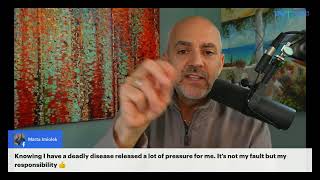
In this live episode of the Program Yourself Thin podcast, host Jim Katsoulis discusses why extreme diets—such as strict keto, long‑hour intermittent fasting, calorie‑counting, and commercial weight‑loss programs—are unsustainable for long‑term weight maintenance. He explains that "extreme" is often a function of how a diet is approached rather than the diet itself, and he advocates a gradual, flexible implementation that reduces psychological pressure. Jim outlines two complementary strategies: (1) soften the rigidity of popular plans (e.g., adopt a "keto‑ish" approach, shorter fasting windows, partial calorie tracking) and (2) introduce the plan incrementally, allowing the body and mind to adapt before increasing intensity. He emphasizes that weight loss is a mindset issue, not a will‑power problem, and introduces his "Goal Weight Pyramid"—a holistic system that integrates mindset, lifestyle, and eating habits, positioning weight loss as a lifelong skill rather than a short‑term diet. Throughout the session, Jim answers community questions, covering topics such as protein shakes, GLP‑1 medications, the processed‑food industry’s parallels to tobacco, and the importance of enjoying favorite foods in moderation. He repeatedly stresses that mistakes are learning tools, that a backup plan is essential, and that the ultimate goal is to live at one’s goal weight for life, not merely to lose weight temporarily. The episode concludes with a call to action to join the free "New Thin Me" kick‑start session and access additional resources.
Chapters
There we go. Hey everyone, welcome to today's Program Yourself Thin podcast. Today we're talking about avoiding extreme diets. They're not going to work for you long term. And what is the point of just losing weight for a little while unless you're just trying to lose weight for some special occasion. Start focusing on losing weight long-term, keeping it off, living at your goal weight. That's the real goal. And extreme diets are not going to help you do that. At best, they will help you lose weight for a little bit. And no, you won't figure it out if you use an extreme plan to lose weight. You're going to have to continue using that extreme plan to maintain your weight loss. And if it's too extreme, you're not going to stick with it. So what exactly is an extreme diet? That's kind of the question, and the answer is actually probably less extreme than what you're thinking, because in my world, keto's extreme, intermittent fasting's extreme, Weight Watchers is extreme, counting calories is extreme the way that people approach them as dieters. So all of these things are less extreme if you approach them differently, okay? Although they're still extreme in my opinion, um, but Again, the way dieters approach it makes them super extreme because extreme thing to undertake, uh, to all of a sudden be out of control with your eating and then one day starts and you say, from now on I'm going to count every calorie I put in my body. Well, that's an extreme undertaking. That's a ton of work to maintain, uh, to track every point, to not eat for 16 hours when you usually— longest break you have is for the 8 hours you're sleeping. These are extreme things to do because extreme is a relative term. And so for most dieters, what they try to do with their diet feels extreme because they're kind of starting at nothing and jumping right up all to perfection. And that's an extreme experience for people. Okay. So it's not just what the diet is, but it's also how you're approaching it. And so there's kind of two levels of extreme and people usually stack them because subconsciously most dieters want the most extreme plan possible because they want to lose weight as fast as they can. And so, of course, the fastest weight loss is the most extreme methods that you can use. And so, again, that's not going to work long-term for you. At best, that will give you some short-term results that you're not able to maintain because it's hard to maintain extreme things. So you have two options to avoid extreme diets. Number one is to not choose plans that are so overly strict. Right. The idea that you're never going to eat a carb, you're going to stay in ketosis forever. That is a really strict plan to try and follow. And you can make that less extreme by saying, I will reduce the carbs. Now, I know you got this concept of going into ketosis, which makes it one of the strictest and least flexible plans out there. But you could be keto-ish and you could start to reduce refined carbs. Intermittent fasting. You don't have to go to 16 hours. You could be intermittent fasting-ish and cut out— don't eat for 12 hours, 14 hours. Nothing magical happens at the 16th hour, folks. You could, you know, instead of tracking all of your calories, you could track the calories of the foods you typically eat to get a sense of how many calories are in them and then adjust them accordingly. So that's that side of the equation. But then there's my favorite side of the equation to avoid extreme diets. Is to not jump into them 100% so that even if you want to maintain the extreme goal of never eating carbs again, how about for the first couple of weeks you start to slowly dial the carbs down instead of jumping straight into 100% perfection? Now, again, every time I mention this to you, you're going to hear that voice in your head kind of refuse it because then you won't lose weight as fast as you possibly could. But that voice that is always chirping at you to do the things that cause you to lose weight as fast as you possibly can are really— that, that's the voice that's keeping you overweight. Because if you look at your pattern, you start on your plan 100%, follow it perfectly, and then you get off track and don't follow it at all. And that's the plan you have followed your whole life. So what we're talking about here is that you start a plan mildly. You start working a little bit of the plan so that it's not overwhelming, so that it doesn't feel extreme to you. And you start to engage with it and you start to get used to it and you start to get familiar with it, then you start cranking it up. So intermittent fasting, you know, instead of going straight to 16 hours, you start, you know, if you typically don't eat for 8 or 9 hours, let's push it up to 10, 10, 11 hours. Once that's relatively comfortable, it's pushed up to 12, 13 hours. Once that's comfortable, you want to keep going 14, 15 hours, then 16 hours. What's the rush? Because again, it's this idea of rushing, always rushing, and being in that mindset is really the thing that sets people up for failure more than anything else. Because you put so much pressure on yourself, you know what I mean, to make the change as quick as possible, that it's just all this extra stress on top of the stress of actually changing and doing new things, which is its own kind of stress. You know, it's always stressful to a human being to change what you do. To change your routines. It's always stressful because now it takes more cognitive thought to manage our new behaviors and the new things we're doing. So again, approach it gently. There's no rush. Do it slowly so you can do it once and be done with it. Be— figure your weight out once and for all. So that's my message to you, and I hope that it means something. And if you want to go deeper into this way of approaching your weight, click the link in my bio. Um, it is called The New Thin Me. It's a free kickstart session designed to help, uh, clarify what your goal is, help you connect to it so that you feel a deeper level of motivation than you may have felt in the past. And again, that is completely free for you. Go to programyourselfthin.com or click the link in my bio. If you are on TikTok, you can click the picture of me. And if you are in Facebook, YouTube land, here's a link to it. Again, it takes 2 seconds, and I don't only give you a hypnosis session, I give you a bunch of free stuff. I've got a training I made for you in there, which I'm actually currently redoing, so there will be a new training, uh, coming out next week. That's optimistic, but we can hope. Um, but, but certainly by the following week as well. And if you're on my email list, you'll get that, and that will be free as well. Uh, what's up, Funny Girl? Yeah, yeah, if you have any questions, feel free to ask them. I'm here every day to help help you all as much as I can. Hey Veronica, how's it going? Um, Funny Girl says, I've had a couple of bad days of more carbs and sweets, but I am not mad at myself, just focusing on getting back on track and moving on. Yay! Yes, and that's a huge win. That's the win that really is the foundational piece for all the big things that you want to accomplish. That's, that's a fundamental layer of that. Okay, so, um, we're all gonna have bad days, folks. It's not a big deal. The, the secret is not to freak out when you have a bad day, but to just relax, ground yourself Um, absorb it, learn from it, move on. That's it, you know. And so much of Program Yourself Then is built around the mistakes you make. And I think that, uh, it's not a big deal in Program Yourself Then to make mistakes. We have a— one of the mantras in the program actually is that mistakes are your greatest teachers. And I believe that so much. I just think that's one of the truest statements there is. And I think once you believe that, the beauty of that is that it gives you a completely different response to when you make the mistake. Where again, most dieters, when they make a mistake, it's catastrophic. That's it, you know. So great job, Funny Girl. Yeah, I appreciate you sharing that, and that's a great attitude. Uh, what's up, Sally? Sally says, I'm about 6 pounds away from my goal weight. I can't seem to lose any more weight. Any suggestions? Uh, yeah, I mean, I'd love to know how much weight you've lost so far. That is a factor a lot of times. If we've lost 100 pounds and we're 6 pounds away, that's one story. If we were 15 pounds away and now we're 6 pounds away, that's a different story. Okay. But what they both share in common that's similar is that at the end of the day, this really is not about losing weight. It is about living at your goal weight. And what most people do— most people's core problem is that they are programmed to be overweight. So if you're just living your life, doing what you do, eating the way you eat, just living You're overweight, right? That's your program. What's normal to you is just being overweight. That's where you end up when you're just living your life. And so what happens is dieters will diet against that. Now, dieting is not a mindset, right? So you got your overweight mindset, um, and you diet. And diet's not a mindset, it's an anti-mindset. So basically it just says no to your regular mindset. So you say, oh, I'm gonna have some ice cream after dinner. No, I wanna eat this. No, I wanna have some of that. No, no, no, no, no. And you know yourself down to your goal weight. But the problem still remains that you still are stuck with an overweight mindset and a diet mindset. And so I can't tell you how many people, uh, that I have seen that internally kind of recognize this. And so they kind of keep themselves in this perpetual dieting mode because they're terrified that once they're out of dieting mode, because they get to their goal weight, that they're going to flip back to their regular mode and put the weight back on. Right? Again, tell me if this isn't true, dieters, right? You got two modes. You either have your regular mode, which is you being overweight, or you have your diet mode where you're saying, no, no, no, no, no, no, no, no, no. But it's hard to stay in diet mode when you're at your goal weight. And this is the problem that most people end up at if you're successful, is that you don't know how to actually live at your goal weight because you have never once focused on living at your goal weight by learning how to think, live, and eat like a thin, healthy person. Instead, you just fight against your overweight mindset, but that's a different process than creating the ability to think, live, and eat like a thin, healthy person. So I'll share that, Sally, and I know that's probably not the answer you're looking for, um, but a lot of times I've seen that's a relevant piece of it. And then if we got into specifics, you know, again, and program yourself, then we, we spend a lot of time structuring our eating. So if we want to lose weight, you know, we live at our normal weight for a little while. I don't want to say normal. We, we, as we're lowering our weight, you know, we might hit a month or two months at one point where we're kind of maintaining what we're doing and our weight starts to plateau. And if we have a structure to what we're doing, then we can look at that structure and say, okay, where would be another place I could shave some more calories out most comfortably? And so that's the other step I would say to you, Sally. And again, I don't have a lot of context to your situation, so it's harder to give you really specific information. But, um, again, look at your typical eating patterns and find the one where the most calories are kind of sneaking in and focus on dialing that down a bit and see if that starts to kickstart the scale again. Um, but great job. Again, I don't know how, how far you've come with this. I don't know where you're at in the process, but Being 6 pounds away from your goal weight is quite an accomplishment. And I'll say this too, and you're not gonna like this probably, but you know, unless you're, you're like 4 foot 2, that 6 pounds isn't really gonna make that much of a difference. I know, I know. But usually for a lot of people, it's not the biggest difference in the world. And you might know that too, you know, and that might be causing you to have, you know, not enough motivation to kind of push forward to the ultimate goal that you you want. So that's another piece. It's all mindset-based pretty much, except for the little strategy I gave you. But yeah, if anyone has any questions, feel free to ask them. I, uh, I'm happy to help with any weight issues you might be having. I like to take kind of a different angle at it. That's one thing you'll probably notice about when I talk about weight is it sounds different than how most people talk about it because Uh, really the way that I come at weight is primarily mindset-based. I am a hypnotist, an NLP trainer, a strategic coach, all these other things. But in Program Yourself Thin, what we do is we follow the goal weight pyramid. So this is a comprehensive holistic strategy and plan to get to your goal weight and stay there. But again, you'll notice that it's not just eating, right? Most dieting is about this much of the pyramid. I'm using that tiny little triangle at the top. That's what a diet is— someone just telling you how to eat, and then you're just trying to force yourself to do it with willpower. With Program Yourself Thin, it's kind of this, this, um, bottom-up approach where we get our mindset strong, um, and dialed in. We, we figure out our lifestyle, um, how we can live a lifestyle that really supports us, and then we structure our eating in a way that really works for us. And then we just continually optimize the system forever. But again, it's just— it's a more there are more things to do, um, than just control your reading. So, um, someone says, 'Unc, unc, unc.' Uh, yep, I got a kid, I know what unc means. That's funny. LOL, I am unc, but I think I'm past unc. I like that they keep writing it. I like that too. Um, so yeah, yeah, 50, 51 years old, I say I'm officially unc. Course, young's a state of mind. I've got a, I've got a kid who, who's younger. She, she's young though. She's an old soul. So anyways, but yeah, any weight loss questions, feel free to ask them. Again, we're coming at this from a different angle. Um, no thoughts on, thoughts on, oh, Janine Roth. It's a lot of stuff coming in through TikTok today. What's up, Kent? Kent says, 18 months ago you helped me create an anchor to help me eat more slowly. That was the first of many. Yes, uh, and Kent's superstar. Kent has actually used the program to really, um, really get his weight dialed in. And 18 months is the key thing there. And again, you notice that a lot of times with, um, people in the program is that they, they are doing this for a long time. And that's the goal, you know. This needs to be one more thing in your life that you're going to spend your life working on. And I don't think people really approach their weight that way, you know. It's like the ultimate hobby in a sense. It's like, it's like taking up arts, art, or a musical instrument or something. Managing your weight really is like that, you know. Yeah, Ken says, strategy you helped me install, uh, now I've been living my goal weight for 12 months. Yeah. And that's what happens. That's awesome. Proud of you, Ken. I get that. Yeah, it's like that when you know how to run your mind and you have the right strategies, folks. Living at your goal weight isn't as hard as you think it is, I will tell you that. I'm not saying it's easy. I mean, it certainly takes work, so I'm not, not selling some magic pill here, magic bean. Um, but what I am saying is that when you have a comprehensive, holistic strategy that really is logical um, and you consistently practice it, work it, optimize it, tweak it, uh, it brings you a much different place than dieting does. Dieting doesn't really— you never really get good at dieting, you know. Um, yeah, funny girl, yeah, this is all thanks to you. Thank you, thank you, funny girl. Um, Paula says, what are your thoughts on protein shakes? Uh, I don't like protein shakes. I would never— protein shakes would never be part of my typical meal plan, you know, short of some, you know, health, health thing, maybe, you know, that might be a cause for that. So again, I'm not a doctor. I'm not a doctor. So, you know, there might be medical reasons you need to be on a protein shake, although I can't think of too many of them. But whatever. But no, a protein shake, you know, for weight loss, I'm not a big fan of protein shakes as a core part of your diet. Again, everything's relative. So, you know, if you— all you do is eat, you know, milkshakes and McDonald's and fast food and junk food and you start eating protein shakes, that's probably an improvement. Okay. But I think, you know, protein shakes to me, there's usually other stuff in them. I never want to drink my calories. Your body doesn't register drinking drunk calories like it does eating calories the same way. You don't get the same level of satiety and satisfaction from it. So I think drinking calories is not something I would want to do ideally if I wanted to manage my weight. And I think that there's way better options of what to eat that will satisfy you more, taste better, be more enjoyable, and help you manage your weight better. So Cindy, Cindy says, so nice to focus on nurturing body with healthy food. I have started noticing that I was aimlessly eating late in the evening to gain energy. Um, listening to you, your voice, I realized I needed rest. I'm a single mom and have now started stretching and going to bed earlier. I'm very interested in dialing in my mindset. Uh, Cindy, thank you for writing that. I really appreciate hearing that. Um, and, and that's such an important message to hear. I'm a single mom and have now started stretching and going to bed earlier. Oh, I— and I think that's one of the hardest things to do. And I was guilty of this, you know, uh, 15, 14 years ago. I put 25 pounds on in a few months. And, uh, that was when my, my son was born. He was a terrible sleeper. Uh, we moved into a new house, redid the whole thing. I'm running a business. Just life was crazy. And one of the traps we can get in sometimes is when life gets really crazy, and especially when we have a kid, because we have a kid, um, or kids, it's like you're just on, on the job 24 hours a day. And so if they go to bed at 7 or 8 o'clock or 9, whatever, then it feels like that time between 7, 8, 9, and 10, 11, 12, 1, whenever you go to bed, that time feels like gold. And you're like, oh, it's the only time I get. And a lot of times you'll use that time scrolling or watching TV or watching a show or on the, on a screen. And, um, that's what I did. And I got myself more tired, but I felt like that's my time. I need that time. You need some time for myself. Biggest mistake. If I could go back in time, I would have gone to bed earlier and I would have actually gotten the sleep and the rest I truly needed. You know, and that would have served me better than, you know, the time I kind of wasted, honestly, and made me more tired. So super proud of you, Cindy. That's, that's not an easy thing to do. And the fact that you've done even that is so great. Um, because, you know, not all habit changes are created equal. When you can change and shift a habit that's going to impact your sleep, you really get extra benefit from it, right? So not only are you calming down and relaxing. Not only are you breathing more, not only are you stretching your body and releasing tension and connecting with your body and feeling better, but you're also doing it before bed. So you're probably sleeping faster, going to sleep faster, sleeping deeper, sleeping longer throughout the night, getting more rest and waking up more refreshed. So that's an extra benefit. So, so great job. That's super. And, um, and again, you know, I think the other thing too is also remember this, Cindy. That there's kind of phases of life, you know. So for me, when I was talking about that time 14 years ago, I put 25 pounds on. Oh, here we go. Um, what the hell? I just got restricted because I'm talking about body exposure and sexualized behaviors. Oh, don't know how that happened. TikTok, you crazy. Um, But the other, uh, was I going to say? Oh, oh, so, so when I, when I put that 25 pounds on, uh, Cindy, I, I actually changed my goal weight. I raised my goal weight by 10 pounds because in that time of life, it was just, there was so much going on, so much responsibility that I actually raised my goal weight because living at that lower goal weight would have taken a lot more effort than I really had the energy for at that time of life. And so I raised my goal weight. Um, things kind of calmed back down and my goal weight went back to where it was originally, but there's nothing wrong with that either, Cindy. And so, you know, as a single mom, I mean, you know, you're in a period of life that's not going to last forever. Um, you're in a period of life, a season of life if you want, um, that is a bit more stressful and, you know, requires a bit more of you than other seasons are going to. And so if you also, you know, kind of reduce your expectations a little bit, there's nothing wrong with that either. So you don't have to, but I'm just saying that those are two lessons I wish I knew from Well, I did one of them, um, and the other one I was— I wish I went to bed earlier. You're doing that, so nice job. Keep it up, Cindy. Um, good work. Um, Will says, what other people do you follow? Books to read, example Glenn Livingston, Judson Brewer. Oh yeah, Judson Brewer. I just— I was just talking about his book a couple weeks ago. Um, was it The Craving Mind, right? Uh, he does The Upside Down You, I believe, right? I read that book a little while ago. Um, Glenn Livingston. I'm not sure. Glenn Livingston sounds familiar to me, but one of my NLP teachers was named Keith Livingston, a very, very, very talented hypnotist. Oh my God, what a voice on this guy. He was great. Um, I'm not sure. I haven't seen him in a little while, but I'm not sure about Kevin. Who do I follow? Um, I gotta be completely honest, I don't follow— I don't really follow people in terms of weight anymore. I have not found anyone that I really— and maybe, you know what, I'm gonna say something because I know people have told me Corinne Crabtree and I've kind of like loosely kind of seen what she's doing and I like it. Um, Susan Peirce Thompson, I'm a fan of her. I like her so much. I don't love Bright Lines. I don't love Bright Lines approach. It's just kind of like the opposite of kind of how I think about things. I respect it and I think it's the right thing for some people. Um, but I don't love it, but I, I am such a fan of Susan Peirce Thompson. I think she's wonderful. Um, but then when it comes to like books I've read and like, I find myself, I've read just tons and tons of books. Um, you know, there's years I average like, you know, 50 books a year. I've kind of got off track a little bit last 6 months. I've written my own books, but, um, some of my favorite books, uh, well, some of my favorite authors, Dr. Greger, um, Dr. Uh, Michael, uh, Greger is, uh, probably one of my favorites. He wrote How Not to Die, which was a book that really, really impacted me. Um, and that's specifically about food nutrition. Um, the books I like a lot that I'll just mention that really have impacted me recently: The End of Overeating. That's a little bit of an older book, but that's a really good one. The End of Overeating. Salt, Sugar, Fat by Michael Moss was really good. Um, more recently, Ultra-Processed People. I thought it was a great book. I forget who wrote it. Uh, The Dorito Effect, great book. I really think that's a great book. I definitely recommend that. That's a newer one. Um, and I just go on and on. I mean, again, but, but those are some books that I really, really enjoy and like. But yeah, I can't say there's people I really follow. I don't know why. I don't know. I just don't. But yeah, I read a lot of books, but I don't follow a lot of people, I would say. I mean, Tony Robbins, he was my original, but that's not really a weight thing. But yeah, Tony Robbins was my the guy that I would say got me on this whole path 30 years ago. So big Tony Robbins fan, but that was Tony Robbins back then. He's kind of changed things a little bit. Um, on The Hunger Habit, huh? I haven't read that one. Oh, Glenn Levin said Never Binge Again. Maybe. Yeah, you know, I might have read that. I, I gotta be honest, I, I honestly, I, like I said, it's been 6 months or so where I really haven't been reading much. But, um, even then, like, I read so much that I kind of forget who writes the books. So I definitely kind of forget the names of the books and the writers of the books because I have a specific way. Like, when I read books, I read them and I always take notes. Like, I handwrite notes while I'm doing it. Um, and then I take those handwritten notes and I put them into kind of my digital brain. So I have, like, you know, I've got this database of all my notes from the books. And so I do honestly think that that causes me to not really remember a lot of the details. But I could never binge again. I, I, I read— I remember reading that, um, I believe last, last year, the year before. It— I— yeah, I kind of mixed feelings on that particular book, but I'm a hypnotist, so I just kind of look at things a little differently. But, um, yeah, but I'll give them another look. Um, yeah. What's up, Jane? Jane says, hi Jim, had a great day yesterday, feeling much better than yesterday. Well, undanced. Wonderful, Jane. Jane, again, the This is what I'm talking about. Notice, Jane, what's happening. You're having good days and you're having not great days, right? You're having both of them, but you're paying attention to them and you're starting to have good days and bad day, a bad day, and then a good day, good day and a bad day. But I want you to reflect, Jane, is kind of take a step back, look at the last 2 weeks, let's say, and start to notice how many more good days you've had over the last 2 weeks. Okay. So it's not about having all the good days in a row. And then when we have a bad day, we fell off the wagon. It's about how many good days can we have? We know we're gonna have some bad days, okay? It's not about having only good days, um, it's about having both of them, but having more and more and more and more and more and more good days, right? So great job. I'm glad, glad you're recognizing that. Uh, what's up, Marta? Marta says, I watched an interview with obesity specialist who said that we still, um, who said that we still obesity as cosmetic issues instead of deadly. Oh, okay, we still look at obesity as a cosmetic issue instead of deadly chronic issue. It changed my perspective and some shame also. I do believe obesity is a disease and needs to be treated accordingly. Meal plan, movement, and mental work is a must. Yeah, absolutely, Marta. I agree 1,000%. I mean, obesity is, um, you know, another frame of looking at it. I mean, we're, we're limited over in TikTok, so I can say whatever I want now. But another frame to look at obesity at is almost like a substance abuse issue, right? Where, you know, there's some people that can drink alcohol and it doesn't bother them at all. Some people drink and they start binge drinking, but they're still okay, they're functional. And there's some people caught in the alcohol and then they're not functional, right? So there's kind of a spectrum of how people, you know, interact with that. And I think food's very similar to that too. And I think that, yes, when you get to obesity, the medical piece, not so much that you need medical intervention in terms of pharmaceuticals or chemicals, but the intensity of solution. Yeah, I think that's accurate. That if you, if you're obese, this is going to be— and listen, if you're not obese, this is going to be a lifetime process for you folks. I have said I've worked with morbidly obese people. I work with them now and I say, listen, we wake up, it's the same thing. I'm at my goal weight. I know that's great, but I still— what am I going to do today? How am I going to live today? That's where my focus is. And so in terms of like almost like sobriety kind of language, In essence, right, you all want to be at your goal weight forever, right? So this has got to be a lifetime plan. I mean, like, brushing your teeth is a lifetime plan for you. You've internalized that and you're okay with it. You're— taking showers is a lifetime plan for you. You don't have an idea that, well, at one point I'm going to brush my teeth so good I never have to brush them again. You've internalized it. No, this is part of being alive and what I do while I'm alive in here. Well, managing your eating and your mindset and your lifestyle should be the same thing. The same thing. You got to manage it. It gets easier, right? So I'm here 30 years into doing this. I'm still managing it, but it's also a lot easier. My habits are underneath me. So what I do automatically, the thoughts, feelings, behaviors I do automatically support me, but I'm still always tweaking and optimizing and getting better. So it's going to be for the rest of my life. So I want you all to get comfortable with that because simply because your goal is that you want to live at your goal weight forever. You don't just want to lose the weight for the next 3 years and then put it on and not care. So if that's the case, this is something you're going to have to manage for the rest of your life. And that's not a sad thing. Is brushing your teeth for the rest of your life a sad thing? Are you sad about that? No. You want to brush your teeth as much, as long as you can, right? You want to live as long as you can. You want your teeth to be healthy as long as you can. Same thing with your weight. So, so yeah, I, I'm glad you listened to that, Martin. I think that, um, I think you're right. I think absolutely that most people think about their weight aesthetically. This is true. So again, and that's part of the problem, is that most people think about their weight in terms of how they look primarily. Me here, I think about your weight, my weight, weight in general as life and death because my father died at 54 of a heart attack. So for me, weight is really not So much about wearing the bathing suit to the beach or the skinny jeans out of the closet. It's— that stuff's fun. I get that too. But my core reason, I think this is one of the things that makes me different than a lot of what you're hearing with weight loss people, is that I want you to live as long as you can, and I want you to have the best quality of life while you're here. That's my main goal for you. That's why I'm here every Monday through Friday for free to help you all out. Okay. So I'm glad for you, Marta. That's part of the programming that you're working on here, right? Part of the mindset work in the program— Marta's in the program. So part of the mindset work you're doing here is you've boosted your motivation by listening to that, that interview. Because now, again, Marta, what I would really suggest you do, Marta, is go into your Goal Weight Blueprint. And I think you do get the physical one. Did you get the copy? If you did, great. If you didn't, go into the PDF. Doesn't matter. But go to the mindset section and then go to the motivation section today. While that interview is fresh in your mind and go just read through it. You don't have to take a lot of time. Just read through the questions and think about it from that perspective because you're going to understand the difference between intrinsic and extrinsic more now. All right. So great job. Great job, Marta. This is what we're talking about. This is the program. This is what we're doing is we're changing the way we think. If Marta all of a sudden thinks about her weight in terms of her health, her mobility, Her longevity, her, her stamina, her energy, her day-to-day quality of life, her comfort, her flexibility, her— all these different things. If that's how she starts thinking about her weight, whereas before she used to think about how she looks, she's going to release a lot more motivation here, folks. Motivation is always the first and most important thing you really got to master, because when you're really motivated, this process is way easier. And motivation is something that you can, you can dial up, you know, and you're starting to do that, uh, Marta. So wonderful. Yeah, yeah. Marta follows up by saying, absolutely, there's no easy way out. We need to do the work but find what works for an individual. Yes, it finally registered, it's for life. Yes, exactly, Marta. And a lot of dieters are terrified by that idea that they're going to have to do this for life, but you're terrified of it because you think of dieting for life, and no one wants to diet for life. So we're talking about figuring out a way that really works for you all. Okay, but you're gonna do that for life, of course. Why wouldn't you? You know, um, Funny Girl Yaya says, what about Dr. Kevin Reese? He's all about healing your own body, not eating these 4 particular items. Oh, Funny Girl Yaya, I don't want to do this to you, but if this is the guy I'm thinking of, I gotta look him— I, I— that name is ringing a bell, and if it's who I'm thinking of Oh yeah, Kevin Reese. Uh, yeah, okay, now listen, we can all like who we like. Let me just mention that I'm gonna like people you may not like, right? Um, that guy, I'm not, I'm not a huge fan of. I have actually— he has popped into my TikTok feeds and I have seen him, and, uh, I think that he— I don't know how much I would trust him. I'm just being honest, okay? I take the no bullshit oath when I get on here every day, so What am I going to say? I followed a little bit of his stuff. He's not a person that I would base a lot of my life decisions on. I think he's fine to trigger some ideas and then go research them yourself because he says a lot of shit that's not true. I will tell you that. That I know for an absolute fact. I think he's kind of amusing. I think the way he speaks is kind of funny. I think he says some interesting things and I think he says a lot of wrong things and I think he says a lot of ignorant things. That's my opinion and I'm going to stick to it. Agree or disagree, great minds can, can disagree. Lois says, uh, taking time for myself has been so helpful right now. In the last 2 weeks, 3 church friends and my next door neighbor passed away and I didn't eat emotionally. Wow, Lois, I'm sorry, sorry for your losses. Good Lord, that's a lot to absorb in a short period of time. Um, but, but what an accomplishment not to eat emotionally, you know. And again, the beauty of not eating emotionally in that situation for Lois isn't that she didn't gain weight. That's not the primary benefit of not emotionally eating during this time. It's not, not that she didn't gain weight, it's that by not eating emotionally, she was way more likely to actually process the grief genuinely. So that's the bigger piece than even the weight loss or the weight maintenance during that time. Does that make sense? Right, because when, when, you know, kind of emotional things happen, a lot of times we go to the food, but the food distracts us. It doesn't help us genuinely manage the emotion, it just distracts us from the emotion. So, um, Lois didn't do that. And so assumingly, if you didn't eat your emotions away, you were kind of present with them and you processed them in a much more genuine way. And that's going to serve you long term as well. So great job, Lois. Proud of you doing such good work, Lois. I'm proud of all these people. Um, Will says, thoughts on GLP-1s? Um, I don't really talk a lot about GLP-1s. This is a supportive environment. I have people in the program that are on GLP-1s. I think for some people they're a miracle. Um, cure. Um, but again, you know, I'm not really talking about that because here, Program Yourself, then we take the weight loss, we wrap it in personal development. So this is really about becoming a better version of yourself, the best version of yourself, um, from the inside out. And one piece of that is weighing what you want, but there's also so much more. That's why we follow, you know, a pretty comprehensive holistic system, mindset, lifestyle, and eating. Um, and on top of that, you learn how to run your mind in order to follow all these things. So it's a different goal than the GLP-1s. I mean, the GLP-1s, um, you know, I, I think for most people, it's people that don't have the time, energy, or intention to want to do that kind of work. That's fine. I'm not judging that. Um, but you know, there's pros and cons to everything. And so, you know, if you take someone, you take a Pre-Program Yourself Then success story versus a GLP-1 success story, well, the Program Yourself Then success story is way more impressive because not only have they lost the weight and now are living at their goal weight, but they've done it in an inside-out way where they've become the person they want to be. And they now have a plan and a strategy and a confidence to keep that going for the rest of their lives. And so not only is their weight reflecting this transformation, um, their health and their energy is, their eating is, their lifestyle is, their relationships typically, their moods, their mindset. And they've saved a bunch of money enough to stick a needle in them every week, but they have a much more grounded, holistic, stable plan. And, um, so yeah, versus what, you're feeling sick all the time and not eating as much, you've lost weight, you know, they're two totally different qualities of experience. I'm not knocking it, you know, it is what it is. But the GLP-1s, at some point, um, you know, it's some point the weight loss stops and you're left living your life, feeling full for the rest of your life. You know, I know, I know feeling full and not thinking about food's exciting when you're losing weight, but let's just imagine you get to your goal weight and now the rest of your life is never really enjoying food all that much anymore. Cuz you're always kind of right, right on the edge of full, right on the edge of nauseous. So, you know, special occasions at your favorite restaurant, they don't carry the same pleasure. Uh, you know, Aunt Lucy's amazing. You know, pie she makes for Christmas, you don't give a shit about it. And so there's a muting effect that's going on with GLP-1s. We don't hear about that now because people are so excited they're losing weight, they don't give a shit. When people are losing weight, they don't care what's going on, okay? So we have not really seen the full picture of GLP-1s. Me personally, I would not be surprised if kind of like Prozac thing happened, you know? Okay, yeah, it helps you feel less depressed. Oh, wait a second, it helps you feel less everything. And so I worry a little bit that with GLP-1s, and this will be something that shows up after someone's been on it for 2, 3 years and their weight stays the same. Once your weight stays the same, you start acclimating to a life where food doesn't really matter that much to you. Um, and you know, I know it sounds great to you all in the beginning when you're losing weight, but let's just imagine you're at your goal weight. Now food never really is that exciting to you, and that's how you want to live, knock yourself out. To me, food is just Food is probably one of the main sources of pleasure I've got in my life. Now I've learned how to moderate that and manage it so I can still live at my goal weight, but I am, I'm constantly looking forward to food. I enjoy food more than I ever have in my life because I believe that the, the way to get the absolute most pleasure out of food is not how much of it you can eat, but by eating your favorite foods moderately at your goal weight. I don't think you could enjoy food more than that. That's my challenge to you. Because I know people— oh, Jim, look at you. You don't even enjoy food like I do. Bullshit. Bullshit. I guarantee I enjoy it more because I can eat whatever I want and I eat it completely guilt-free. So there's no worry here. I'm not, you know, freaking out about it. I got a plan to eat it. I got a plan to get right back on track. And so anyway, so that all goes to say that GLP-1 is really— I know it's like we're talking about weight in a kind of a sense, but that has nothing to do with what we're doing here, you know, really. Um, so that's kind of what I think about it. But we'll learn more and more about the GLP-1s as we move forward. I tend to think we're in a honeymoon phase with it as well, you know. And I'm not saying it's not effective because it clearly is for a lot of people, but I just think there's a lot of pieces of that puzzle that we haven't really, um, recognized yet. And I will be watching out for those because I am, I am interested in it and fascinated by it. But the other thing about GLP-1s that I think is the best piece is that it really does prove that virtually anyone can lose weight when they reduce their calorie consumption. Okay. Yeah. Judas says, yeah, but you have to change mindset as well. Yeah, right. I mean, people say the GLP-1s, like you can take it, but it's kind of an aid. And I think that's an important thing for people to remember. So yeah, you got to kind of change things up as well, but not necessarily. I mean, when— if the GLP-1s work the way they're supposed to, you'll feel not hungry and just eat less. Mindset change or not, you know. But yeah, so I mean, me personally, I'm a big fan of changing the mindset. And if you're going to do this work, yeah. Kathy says, mindset's so important for me. Yeah, agreed. I think mindset's important for everyone. A says, the problem is when life hits you hard after months of hard work, you slip back into old habits. Um, yeah, I agree with that, A, but, um, that is way more likely to happen if you are how you're approaching it. So the way dieting trains you to approach your weight loss and change is really a recipe for failure because it requires all this constant micromanaging and paying attention and forcing yourself to do the right thing. It's not really based on your habits. So Program Yourself Thin, we're looking for how to get to our goal weight and live there in the easiest, most comfortable, natural way possible. That's the question we're asking initially, and everything we're building is answering that question. With diets. Diets, the question is, how fast can I lose weight? So yeah, you know what I mean? Like, you, you spend months living your life focused on getting your calories down and losing weight, and your whole life is focused on that. And as long as you can maintain that, everything's fine. But the second you look away, everything comes crumbling down. Program Yourself Thin is not like that, because right off the bat, we step out of that diet mindset, because the diet mindset's all or nothing. Program Yourself Thin is all or something. So we know there's going to be variations. We can't always be all— that's the lie of dieting, that you're always going to be able to work hard every single day and always be perfect. No, you're not. And so we've got to prepare ourselves to be able to deal with the times when we get off track relatively, right? When, when we get divorced, when people die, when people are born, when we start new jobs, when we move, you know, big things of life. It's hard to be perfect in these situations. So we need to have kind of a backup plan. And even what you're saying, it kind of reveals the fact that there is no backup plan for you. There's either doing everything perfect, working hard, everything's going great, or we're doing nothing, you know? And so that's, that's what most people experience. But again, why wouldn't you experience that? You have no backup plan. You've never developed a backup plan. You've never been given a backup plan. So wouldn't it be natural that you would either do the plan perfectly or you wouldn't do it at all, which is what most of you experience, right? So that is true, but it doesn't have to be that way. That's a consequence of the approach. Um, yeah, Judah says it's not a magic bullet, you have to maintain. Yeah, sure, right. Um, it's not a magic bullet as well, you know. That's the other thing with the GLP-1s, you know, is that it's not a magic bullet. There's still work to be done. Um, yeah, agreed. Yep, Juice says love food too and building favorites. Yeah, but I don't know though, like, I, you know, people tell me that sometimes, like, oh, I'm on GLP-1, I love food as much as I ever did. No, you don't. No, you don't. Nothing's gonna work. Now if it's gonna work, GLP-1s don't work for 20-25% of people because usually what those people, like, they respond too much, they kind of get too sick on it, right? Listen, GLP-1's part of the process that is there. It activates your aversion system. So they want to get you right to the point of like feeling sick, feeling nauseous. They want to get you right below that because when you feel sick and nauseous, how much do you want to eat? Okay, so, so what the GLP-1 is doing in essence is they're dialing down your hunger. They're making you feel fuller, like you just ate, and they're kind of also activating your aversion system where you feel right on the edge of nauseousness, but, but below it, right? They don't want you to feel nauseous, but you're right there. You're kind of right there. So going through and feeling that way, that, that, and that's when it works. When it works for people, that's what they're experiencing. And then they start to eat less food, right? Because if you felt like you just, you know, if you felt full all the time, if you felt a little nauseous all the time, you wouldn't eat as much, right? You don't have to do a whole lot of work. You just won't eat as much. And that's what's happening with GLP-1s. But again, in that scenario, how could you ever enjoy food as much? You never hear this saying like hunger is the best sauce. If you're not, are you going to tell me, folks, that some of your best meals haven't been when you were really hungry? So if you never feel really hungry, how are you going to enjoy food at the same level? How could you? Hunger is a direct piece of the equation of how much you enjoy food. And that's a reality of GLP-1s. I'm not here to bust people's bubbles, but I'm not going to— I'm going to look at things as honestly as I see them. I'm not saying I'm always right. I'm wrong a lot. But, but with the GLP-1s, that's such a big question that has not even been talked about because, again, people are so excited that they're losing weight that they're not really looking at, okay, what kind of life are you going to be looking at once the weight loss is over? And by the way, the weight loss is over with GLP-1s on average 13 to 16 months into the medication, just so you know. And that's across the board. That's all of them show in studies that you get about 13 to 16 months of weight loss and then it's just maintenance from that point forward. And, you know, if you're obese, there's a good chance you won't even get to your goal weight and then you just won't lose any more weight after that, that initial window. So we are en masse as a culture, as a population, we are hitting that point where a huge population of people are getting to that year and a half, 2-year mark. And that's where I'm really interested to see how people respond to a life on GLP-1s where they feel not hungry, not really thinking about food, don't care about food. But now they're not losing weight because I always think, you know, what most dieters do is they trade the pleasure and the excitement of the food for the pleasure and the excitement of the weight loss. And so as long as the scale's going down, they're okay. But there is a reason why 85 to 95% of successful dieters that get to their goal weight put the weight back on. Diets fail, uh, 85 to 95% of the time. People put the weight back on. And I believe a big cause of that is that people want to— we all want excitement and pleasure. And so once the excitement and pleasure of the weight loss goes down, well, now we can't go back to the excitement and pleasure of the food or get caught up. So what are you going to do? This is why I think most dieters go back to the food and put the weight back on. Now I'm wondering with the GLP-1, what's going to happen there? You're going to live this life. What? Where's your excitement and pleasure going to come from? Now, if you intentionally figure out a replacement for that, we do in Program Yourself Then, it's not impossible. But I don't see a lot of people talking about that. And I'm very curious to see what happens to someone who goes around their first year without any weight loss, never really enjoying food the way they used to. Because in Program Yourself Thin, we literally build, build our whole meal plan around our favorite food. Every week, I want you to pick your favorite food that you love to eat. You eat it once a week at least. So right off the bat, we're not going to feel that old diet depression, deprivation. We're not going to feel that stress and anxiety of never being able to eat our favorite food so that we get fixated on it. We know we're going to eat it. We're going to eat it moderately. We're going to change how we eat it, how often we eat it, how much we eat it for sure. But we're still going to have it right there, smack dab in the middle of our meal plan. Then we're going to build around it healthier options as well. So it's a balanced approach. It's a logical, structured, balanced approach that gives you everything you want, the pleasure foods, so you can enjoy more than you ever have. You never have to say no to cookies. You never have to say no to ice cream forever. None of that. You get to live at your goal weight eating all the foods that you like. Yes, you eat them differently, but you can still eat them. And I think that's really important. So I don't know. So I'm curious to see. We don't know yet. We don't have enough people yet. We don't have enough feedback yet with that. But I am curious to see that roll out over the next year or two, how people respond to that. We will see. We will see. Yeah, if you have any questions, feel free to ask them. Let me see here. And again, if you all know, TikTok's questions are so hard to get because they get caught up with everything else, so sometimes I miss your questions. I apologize. Feel free to ask it again if I miss it. Kathy says, I have to be aware every time I have a single serving where food or wine, everything in moderation. Um, yeah, I mean, I'm aware too. I'm not always aware. I mean, I make mistakes as well, but I'm much more aware than I used to be. And in Programming Yourself Then, that's really one of the fundamental tools we use is awareness, you know. Yes, Watten says, I'm giving a gift. Uh, Kathy says, I never thought of it that way. Well, good. That's my goal, is to make you think of things in a different way. That's my main goal here. More than anything else, is just to put out a different perspective, a different concept of how to manage your weight, um, and all the things revolving around weight, to give you a different perspective on them. I think different perspective is really what really leads to change. And, um, that's why I get on here every day, just to talk about this stuff from a different angle that you never get to hear, because most of you are locked into a diet mindset where you just feel trapped and you feel stuck and frustrated and hopeless and You know, it bums me out. So that's why I'm literally here every day. This is my mission in life. Yeah. What's up, Vicki? How's it going? Yes, happy Friday. Hope you're having a nice day. Can't wait to have a good weekend. Bill says, thank you for expressing the need for us to relax. Sometimes when I feel the urge to binge come on, I take a deep breath and relax. It snaps me back into myself and the urge subsides. Thank you. Yeah, exactly, Val. Totally, totally, totally true. Um, I think that calm— calm is your superpower, folks. You've never learned how to really actively use it to manage your weight, but yes, when you're calm, you tend to make better choices naturally. It feels better. Um, so yeah, right on the money, Vale. Good job, and keep practicing that. Uh, Funny Girl says, yeah, got it, I trust you more. Uh, good, good, good, Funny Girl. And again, which isn't to say, you know, you can listen to all these different people and, and they almost always have something valuable, but don't take it all on faith because I know Kevin for a fact is a bullshitter, unfortunately. And not that he doesn't say some good things because everyone says some good things, I've noticed, right? But overall, his system does not hold water in my opinion. His system has lots of holes in it. I don't like that. And so he can say something, and I've heard— I've agreed with some of the things he says, but overall, the full weight of the system that he talks about is, is silly. He, he's, he's reminds me in Succession. He, he, he's not a serious person in my opinion. I think, I think he's not a serious person. And so I would not, um, entrust my, my health with him. I think he's not serious. And I've literally commented on his stuff. I, I, you know, he, he's, he's just a joker and he's, you know, that's how I take him. So we all, we all like who we like though. So again, Martha says, knowing I have a deadly disease released a lot of pressure for me. It's not my, my fault, but my responsibility. Martha, I think that's a wonderful approach. That's a wonderful reframe. Wonderful reframe, Martha. Yeah, right? Because you, you've taken all the good parts of it. You've taken all the good parts of being diagnosed with that disease and you've shed the bad parts of it, right? Which is that it was your fault. Okay. Listen, folks, I don't believe it's any of your fault. I don't think your weight struggles are any of your fault. I don't, because I know you think, oh no, I— because no, Jim, it's my fault because I know better and I just don't do it. Yeah, you don't do it because you don't know how to do it. There's a difference between knowing what to do and knowing how to get yourself to do it. And the diet industry your entire life has told you what to do. They tell you what to do, that eat this, work out this way, follow this plan, but they never have once shown you how to get yourself to do it consistently. Never, ever, folks, I know this for a fact. Never in your dieting years have you seen any plan that has strategically and holistically laid out a plan where you're going to improve your mindset, your lifestyle, and your eating. And again, we break those down into sections. We go through these different categories. So again, thinking, you know what, you could eat— if you were a robot, you'd have no problem. If you were a robot, you could just type in what you're going to eat all day and then you'd eat it. You'd have no problem losing weight. The problem is you could type in what you're going to eat all day, but then you're a human. And so as much as you intended to get the salad at lunch, next thing you know, when it finally came time to order a burger, you know what I mean? So it's like, how does that happen? So, so that's the difference. And none of you have learned this. You haven't learned how to run your mindset. You haven't learned how your mind even works. You have been given rules and plans and been told that you have to follow it. And so they've set you up for failure. And the diets are not your friends. The diet is just a branch of the food processing industry. It's just one more way to make you fail. You know, Weight Watchers is owned by Heinz. Jenny Craig was owned by Nestlé. Atkins Food Products was owned by the same company that owns Onions, Pretzels, and Cinnabon. SlimFast, owned by the same company that owns Ben Jerry's ice cream. These companies don't want you to lose weight. So you've never been given a comprehensive, holistic strategy to live at your goal weight in this environment, not even once. And so if you've never been given the right plan, the right material, the right information, then how can it be your fault? Why? Because you didn't stick to a diet. No one sticks to a diet. Diet has an 85 to 95% failure rate. When something fails 85 to 95% of the time, would you blame the person who's following the system or the system? I hope you blame the system, because once you blame the system, once you blame the diets instead of yourself, you can start to move forward and figure out what works for you. But what most of you do is you're stuck in this diet mindset prison where you think the only way to master your weight or to change it is to diet and to force yourself to do stuff you hate doing. That's never going to work, okay? So I'm happy for you, Marty, on a nice path. I really like seeing that, and I'm proud of you for taking action. I'm glad you're in the program. I'll tell you, sometimes there are just people that write stuff that's just dumb. What's up, Lisa? Um, Oh, Beth said who? Uh, Kevin Reese. I, I don't even mind saying this guy, he's a clown. He's a clown. I think he's a clown. And, um, I think he's one of the most dangerous types of clown because, you know, we live in an age where anyone can just get on and say whatever they want. And if they, you know, have any kind of credentials, which, you know, at all, you know, that, that advice can take on more weight to it. Oh, okay. Wow, TikTok's getting real intense here. I guess I can't call someone a clown. Um, but yeah, anyways, so that's who. Um, all right, very good. Gotta get out of here. Thank you so much, everyone. As usual, you're all awesome, and I appreciate your comments and questions. It makes it a joy to do this every day. Um, and if you're not in my world, then make sure you get my world. Click the link in my bio or go up to the little picture of me on TikTok and, uh, go click that picture of me and then go click the link in my bio and, uh, go get that free hypnosis session I made for you. Uh, it's completely free. It's new. It's called the New Thin Me Kickstart Session. I give you that. I give you a bunch of other stuff too. I got a training for you. I got a bunch of stuff I put in there. Go check it out. Won't cost you anything. Won't take you more than a few minutes to get in there. Uh, if you like this, I'm here every Monday through Friday, usually around noon Eastern. Uh, and, uh, yeah, I'm here to answer your questions. Any questions you have, please feel free to ask them and, um, I will get to them. And, uh, I got a couple questions came in. I didn't see these, but I'll talk about these real quick. What's up, Josh? Happy Friday, Jim. Can you talk more about how the processed food industry is the same as the tobacco industry? Uh, yeah, there— well, there's another connection. Yes, folks, um, the food industry is really just a branch of the cigarette industry. So again, in the '70s, they knew that all the information about cigarettes was going to come out, so they divested and went to food. Um, the Nabisco and R.J.R. Reynolds are literally merged together. They're the same company. The parent company of General Foods and Kraft is Philip Morris. This is all true. Okay. And so they have brought the same philosophy of creating the most addictive product possible, use the most aggressive marketing you can, and sit on the information of how bad it is for you as well. They've done the exact same thing with, with food that they did with cigarettes. So, you know, that, that can be helpful to see the food industry as the cigarette industry. It might change the way you feel about it. So very interesting stuff. Um, Sandy says, I've had the same question. I missed the joy of a good meal or cup of coffee. Nothing tastes the same or satisfies. I've been on Ozempic 50 weeks and still losing. Sometimes I wonder if it is worth it at age 79. Um, wow, 50 weeks and still losing. Well, you are a bit of an outlier, yes, because at 79 it works a little bit different. But, um, yeah, I, I appreciate you sharing that. And that's, I think, something that's really underplayed right now because again, remember, right now the pharmaceutical companies are in virtual complete control of the narrative of GLP-1s. So what do you think you're going to think about them? You know, you're only going to hear all the best parts of it. So again, to me, I think that there are— everything is good and bad, and I think GLP-1s are good and bad. But I think the bad part that no one's even— and potentially bad part that no one's even considering or talking about right now because people are just so excited they're losing weight is, yes, you miss the joy of a good meal. The joy of a good meal is a pretty profound joy for human beings because food is the number one focus of human beings because we have to eat every single day. So that's a powerful part of being a human, and to just take that away, I don't know. We will see what happens. So, but again, I'm here every Monday through Friday, so if you want to pop in here, ask questions, I'm here to help you out as best I can and happy to do so. Uh, and if you can't make the live, it's also a podcast, so go search any podcast platform. Search program yourself, then it'll pop up. And, uh, here's my book. So if you're looking for a great book to read about your weight that's really, really fun reading, uh, this book is 40 chapters. Each chapter is a page or two. Each chapter is a hypnotic story designed to change the way that you think about your weight, um, how you eat, how you live, in a very easy and comfortable way. So this book's available on Amazon, uh, $9.99 for the physical book, $2.99 for the Kindle if you want to get it. Um, go check that out. Have a super duper weekend, everyone, and we'll talk soon. Bye, everyone.
More from Jim



Weight Loss Visualization: Wake Up in Your Dream Size #programyourselfthin #weightlosshypnosis



What If You Pretended to Be Thin for One Hour? #programyourselfthin #weightlosshypnosis




