Proteins Not Gonna Make You Thin
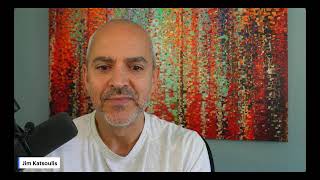
Jim Katsoulis argues protein alone won't make you thin and criticizes the diet industry's obsession with single-nutrient fixes. He advocates for a holistic approach: mindset, lifestyle, and whole foods over processed ones, and discusses why GLP-1 drugs may plateau and dull your enjoyment of eating.
Questions this video answers
October 9, 2025.
The speaker claims GLP‑1s provide a limited period of weight loss (mentions "16 months of weight loss" and elsewhere references a multi-month plateau); this is presented as the drug producing weight loss that later stops and requires ongoing use to maintain.
Fiber.
Chapters
Everyone, welcome to today's program yourself Thin Podcast. Today we're talking about protein and how protein is not going to make you thin. Now it can help make you thin, okay? But mainly what I'm talking about when I talk about protein in this way is that at this moment in time, protein's kind of having its moment, right? Where you're gonna start to see the exact same thing that's played out kind of originally with. With no fat, no sugar, no carbs, no gluten. Now it's gonna be all about protein, okay? And this is what the food industry does, this is what the diet industry does, is that they make it all about one thing.
For a little while, and then it changes. And understanding that, yes, protein's important, Protein's important. Cutting carbs, refined carbs down is important. Cutting fat down for most people is important. All these things are important, okay? Please understand. The problem is that the diet industry conditions us to think about these things as cure alls. That if we just do this one thing, that's what's going to fix it all. And so now it's going to be all about stuffing as much protein in your body as you possibly can. And this is the core problem, because there is no one thing you're going to do to master your weight. Your weight is really a function of a holistic, comprehensive.
System, if you want to put it that way. And so, yes, in one level, protein is important, Absolutely. All those nutritional things I mentioned are important, but by themselves, none of them are gonna get the results you want, right? And this is what you have to realize. And you're gonna see it with protein. I want you to see it with your eyes with protein, how they're gonna make everything about protein. You're gonna be conditioned to think, how can I get more protein in my body? And what's going to happen is you are going to find at the end of this protein cycle, you're not gonna be any thinner or way any less than you did before the protein cycle, before the no carb cycle, before the no fat cycle.
Because one thing's never gonna do it, okay? And you've got to see this, because until you see this, you're going to keep falling into it. And it's like a hamster wheel. And you get in there, I'm a protein, protein. And you work on that. And then the next, you know, who knows how long it might last? A year, you know, who knows? Give me a couple more months, a couple more years, who knows? And it might be prebiotics it might be probiotics, it'll be onto something else, right? And this is what the industry does, makes it all about one thing. We can take this back. If you look at the diet industry, it's always the same thing, right? Every single diet you know about really is built around one thing. It's the one thing concept. It's a marketing idea. This is a real philosophy they build on because they know that you, as a person who wants to lose weight, are overwhelmed and exhausted and tired and frustrated. Just want. Just tell me what to do and I'll do it. Is what you think and say, okay, just count your points, just stop eating for 16 hours. Just track your calories, just stop eating carbs, just eat protein. And that was give you one thing, right? Each diet's built around one. There's the Mediterranean food. It's always one thing, but it's never just one thing. We need a comprehensive, holistic approach to changing our weight. There needs to be a mindset section, a lifestyle component. And when it gets to the eating piece, it's not just about one macronutrient that we need to focus on adding or subtracting. It's about the whole. It's about combining them in the way that works best for you so you can get the results you want. But most importantly, it's about realizing that it's never just one thing. Because when you keep buying into the one thing idea, what happens is you dive into that one thing, do it, and you don't get the results you want, and then subconsciously, you start looking for the next thing that it must be. And what happens is you get into this loop of waiting for the next thing. And this is probably what you're doing as a dieter. You're just waiting for this next thing to kind of, what can I do next? Tell me what to do. This is the biggest problem, because if the first time you ever did a diet, you instead kind of settled down and said, let me figure out how I can change my mindset, my lifestyle and eating. Let me tweak it so that I can think, live and eat like a thin, healthy person in the most easy and enjoyable way for me, let me focus on that, and I'm going to dedicate my life to it. And if all those decades ago, you had taken that path and that approach, you would be in a completely different spot right now, because you would have improved, you would have grown, you would have figured things out, you would have put together a complete system for you to live by. But instead, that's not where you're at, not even close. If you're really honest with yourself, you're in the exact same spot you were when you first started, before you started your first diet. Just tell me what to do and I'll do it. And here you sit, 30, 40, 50 years later. Just. Just tell me what to do and I'll do it. No, you won't. No, you won't. Because it's not enough. It's not enough just to be told, eat more protein. It's not enough. You need this holistic strategy that you keep tweaking and building as you go along. And when you stop thinking about something as being the one thing that's going to fix it all, you stop putting all your faith into one thing, and you start putting the faith into yourself and your ability to figure out a system that works for you. And this changes everything because you start to move forward, building your own approach. And yes, new things come down the pike, and you take them into account. You take the words that work, weave them into your system, discard the ones that don't. So you're always optimizing and tweaking your system, but you build. You build so that next year you're in a completely different place than you're in now. Five years, you're in a completely different place than you're at now. And that's not what you're finding with the diets. What you're finding is that you keep cycling and ending up in the exact same spot you started over and over and over again. And I'm telling you, the core reason why is because you're buying into this idea that one thing's going to change it all. So, no, protein is not just going to fix your weight. It's not going to just make your bones strong. It helps, but a lot of things help, okay? So don't just fixate and focus on one thing, or you're going to end up in the same place probably for the rest of your life. So take this into account. If you want to start thinking differently about your weight, about nutrients, about how to actually achieve the weight you want to live at, click the link in my bio or go to program yourself then and go get the free hypnosis session that I've made for you. It's called the New Thin Me. It's a kickstart session, completely free. Go check it out. And on top of that, when you opt in, I also have a training I made for you. Three steps to master your weight. And I have A bunch of other free things that I got waiting for you. So go check those out and if you have any questions, feel free to ask them. I am here every day, Monday through Friday to help answer any questions you have so that you can actually get to your goal weight and live the rest of your life there. So, yes, any weight loss questions are welcome. What about GLP1? Yes, I get this all the time. I mean, again, I think everything's relative, right? So if we're comparing gastric bypass surgery.
Diets, then GLP1s are great, right? They're the most effective. But if we are.
Comparing it to program yourself, then they're not as great. So what can I say? So again, I mean, you know, there's a big difference between program yourself then. The goal is much different than just GLP1. Yes, we, we do have the similar goal that we want to weigh less, but we program yourself then it's really a personal development program. So program yourself then we're taking your weight loss wrapping and personal development. So this process isn't just about losing weight. It's about becoming the best version of yourself possible. Living is the best you. Okay, so right off the bat, the goal is different. But that being said, GLP ones, I'm not a hater. I, I don't, I don't want to sit here and, and create fear about them. I think for some people, they're the right choice. And I, my big question is, how do you know? You know what I mean? Like, again, I show you just we program yourself, then we really follow the goal weight pyramid. Okay? And so I ask you this question genuinely, right? That I know if you're considering a GLP one, the conversation is going well. I've tried everything and nothing's worked. So this is the last chance. This is the last choice. This is the only option to quiet this food noise. I've tried everything. Nothing works. But.
Have you tried.
Have you, have you tried strategically, systematically changing your mindset, your lifestyle and your eating into that of a thin, healthy person? Like, have you? Because, you know, I do this every day. But just to make the point, most people, what they've tried to change their weight is about that much of the pyramid, right? You've tried to count calories, you've tried to cut carbs, you've tried to restrict, you've tried to stop eating for 16 hours. You've tried all these different things, but you've never really figured out how to transform your reading and create a structure that works for you. You've Never learned how to systematically transform your lifestyle so it supports your reading. And most likely you have never dived into your mindset in a way that allows you to influence your motivation, effectively transform your identity and self image. Work on your habits in a strategic way that changes them for good, that shows you how to manage your emotions without needing food to think like a thin, healthy person, and how to maintain your focus, motivation and forward momentum even during times of stress. So you can say, oh, that's Jim, that's fine, you know, but have you ever considered any of those things in a systematic way? I know everyone will. Now. There's plenty of people saying, oh yeah, I gotta. I can't go on a diet. I need to change my lifestyle and shift my mindset. I know people give lip service to that, but what does that mean? What, what plan are you going to follow to actually transform your mindset, lifestyle and eating for the rest of your life?
And most likely you don't have any answer for that. Okay. And so again, I'm not sitting here saying don't do GLP1s. I'm just saying that how do you know that this natural approach wouldn't work for you? And so I will, I will. I say this every day, and it's an easy argument to win, but I will put my program yourself 10 success story clients against GLP1 success story clients and my Program Yourself Thin Success stories. Smoke the GLP ones. How could they not? Right? How? Which would you rather have? Would you rather lose weight that you got to inject yourself forever and you always feel full and you never really enjoy food very much anymore ever again, ever in your life? Okay. Or would you rather have a system to think, live and eat like a thin, healthy person that you've internalized and built around you, that you feel confident about, great about. You've learned how to run your own mind, you know how to live at your goal weight, and you know how to transform yourself, change your behaviors, influence your thoughts and how you feel and not have to inject yourself or pay any money for the rest of your life. So, I mean, the answer is obvious. I get that, right? You say, oh, well, that's. Who's it even helping? Listen, JLPs don't help everyone either. Just so you know. I'm not saying Program Yourself works for everyone either. You know, nothing works for everyone 100%. But what I'm saying is, I don't know. Again, I, I say this because, you know, for most people, program yourself then isn't even the right thing for them. I say that program yourself then is not for most people. I, I just make that crystal clear. It's for the overthinkers, you know, it's for the perfectionists. It's for the people that take a lot of action. That's who program yourself ends for. And a lot of people just don't want to do that. And I respect. That's fine. No judgment here. And I think GLP1s are probably your best bet. But a few things about glp, ones that we ought to know is that first off.
We gotta. The big thing is you get 16 months of weight loss with GLP1s. A lot of people don't realize that, right? You get. You get 60 months of weight loss on average, and then the weight loss stops, and then you have to take the GLP1 for the rest of your life to maintain that weight loss. Now, if you are obese, there's a good chance you might just still end up obese. Okay, lower weight, but obese forever. That's one thing. The other thing, though, the biggest question of mine that I have about the GLP1 is this. And we won't really know this answer for probably another six months, I believe, because I think we're. We're starting to approach a peak limit of a lot of people reaching this level of where they start to plateau. And one thing I know about weight loss that a lot of people don't really reflect on is that a big part of the motivation of losing weight is, is the excitement and the pleasure of losing weight, right? So you all know this. You've all lost weight before, and basically what you've done is you've exchanged the pleasure and the excitement of the food for the pleasure and the excitement of the scale going down, right? So basically this, the scale going down replaces the excitement of the pleasure of the food. But then when you get to your goal weight, what do you do now? Where's your pleasure and excitement coming from? Now I know you're thinking, well, my pleasure and excitement comes from being at my goal weight, dipshit. But it doesn't. Because eventually what happens is there's a thing called a hedonic adaptation. And basically what it is, you felt it before. It's when you got your car, your new car, and all you could do is think about your new car. But after a couple months, it just turns into your car. Your house eventually just turns into your house, you know, and so there's just a natural process that we normalize to whatever our reality is. So I am curious about the GLP1s to find because I know right now, I know people don't give a. They're full, they don't really enjoy food. They're. That's great because they're losing weight. What I'm curious about is when people get their first year into it and there's no more weight loss, so they're there, there where they are, and now they can't look forward to weight loss. They can't look forward to the, the magical Camelot of being at your goal weight. Right. Because that's another thing is when we look forward to the goal weight, a lot of times what happens is we turn into a fairy tale. I want to get to my goal weight. Oh, my job's going to improve, my relationship's going to be better, everyone's gonna like me, I'm gonna have more money. We really make up a story and that's been fed to us, okay. That everything's going to be amazing once you get to your goal weight. Well, it's better for sure, but it's still the same. The same in your life's there. And new arrives too. Some disappears too. Okay. But what I'm saying is that being at your goalie doesn't fix everything. And so I find it, it's going to be interesting to me to see what happens to people on GLP1s after a year or two. That's where I'm kind of curious because, you know, understand, like with the GLP1s, they have studied GLP1s for, for over 20 years, but they've studied it with diabetics. That's what it was originally for. It was originally to help, it helps your pancreas create more insulin. And it had this effect of making these people feel full. So really what, what we're seeing right now in real time is really that the large scale study or trial on what happens when you give GLP1s to people for that, that don't have diabetes for, for just weight management purposes. And I'm curious to see what happens because, you know, people are going to get to their goal now. They are going to.
They'Re going to be.
Just living their lives. But now like, it's, oh, the birthday's coming up, the anniversary is coming up, the special occasion come up, vacation's coming up, you're going to Italy, let's say. And now all of a sudden it's like, I don't even give a. About the food. We'll see. We will see.
So again, There, there to me is another one where Program yourself then just smokes the GLP1. I mean, I had my birthday a couple weeks ago. We went to Providence. We went to some amazing Italian restaurant. It was amazing. It was so good. It was so fun. And I come back, go back to my normal way of eating. But how do, how much do you enjoy food when you're stuffed? Do you enjoy food when you're full? Because that's what it feels like. So I don't know. I, I, I'm curious to this, and I wouldn't even, I'm not really talking to people about it yet. I will start interviewing people that have lost weight on jail peas and then stayed there for a year. Those are the. Because, listen, there's another distinction, right? Is program yourself thin? Honestly, it's really not even about weight loss. I don't give a. About weight loss. I'm really not impressed by weight loss. I don't give a. Oh, I lost 30 pounds in the last two months. I don't give a. I care about people that are able to maintain their weight loss. That's what Program Yourself's been built on, not how to lose weight, how to live at your goal weight. Well, how'd I figure that out? I began speaking with people that lost weight and kept it off for over two years. What'd you do? Hey. Holy. What do you know? It's a completely different process to live at your goal weight than it is to get to your goal weight.
So I am curious to find out when people have been on GLP1s for 12 years and the excitement of the weight loss fades, and now you're at your goal weight, and that's your new normal. But now you never get to look forward to a food.
To me, I'm just gonna be honest. It reminds me a little bit of, like, the Prozac days, you know? And I remember speaking with people on Prozac and they said, well, yeah, I don't feel as depressed, but I don't feel anything as much. It, it, yes, it turns down the depression, but it turns everything down. It's got a muting effect. And understand that this GLP1s have a muting effect. Now, when you put it in the context of obesity, it says, sounds like a breakthrough. It's a miracle. And I wouldn't disagree with that to some degree for obesity. But a flip side of that is that, yes, it has a muting effect. It's going to mute your enjoyment of food forever. That's great for weight Loss. And how is it for celebrations? How is it for holidays and vacations? He said, well, Jim, food shouldn't mean anything. Hey, that's fine. That's your choice. Everyone's free to choose what they want to do. I'm not saying go one way or the other. I'm saying personally, for me, I enjoy food as much as I ever have, if not more, because now I know how to be in control of it. But I still have my natural pleasure centers intact for eating food and enjoying the out of it. I love food as much as ever. Food is as much a part of my social, you know, making choices and things in places I want to go and destination, you know, decision making is anything. So do you want to live a life? Yeah. Okay. Being at your goal, getting to your goal weight's so exciting. I get it. Right. So you don't give a food, take the food away. I just want to get to my goal weight. I get that. What I'm talking about and what I'm focused on in my life is living at your goal weight. And I don't know, that's not, that's not the quality of life I would want. No. If I had to choose between obesity and that, I'll probably choose the, the. I don't know if I don't need the food. It's my life at stake here. But again, I bring you back to the. The Galway pyramid as an alternative that you've never heard of. Wouldn't it be, would it make sense? Wouldn't it be worth to test this out first and see if this works for you? Wouldn't this be a better future for you than injecting yourself and feeling full for the rest of your life? I don't know, you know, I mean, that's everyone to decide, but those are my thoughts on.
So Kelly, Kelly says PYT is definitely better for me. I have gained weight back, but I'm sticking with it. It takes practice. I'm a work in progress. Yeah. So again, but, but here's the thing. This happens. I've gained weight back. I put ten pounds on over last winter. It's, it's. That's normal too, folks. Again, you've been taught this by the diet industry, that you get to your goal weight and that's that. You know what I mean? It's just not. Life happens. I put £25 14 years ago, I moved into a brand new house where we did the whole thing. I'm running a business. I had a brand new baby who didn't sleep it's like my life got crazy and I put some weight on. I know, I know you want to hear that. That something's so foolproof that no matter what happens, you never put the weight on, you know, and again, maybe that's GLP ones, Maybe GLP ones. No matter what happens in your life, you'll never put the weight on. And again, that's fine. That's a path, that's an option available to you. Me, personally, I want the ups and downs of life and I want to be able to manage them. That's me, though. You know what I mean? But again, for me, this isn't just about weight loss. It's about being the person I want to be. Because the same skills and the same strategies I use, especially the mindset ones, especially the programming ones that I use to manage my weight, I use to run my business, to be the parent I want to be, to be the friend I want to be, you know, to be the person I want to be in my life. So again, for me, this isn't just about eating and weight. It's really about being the person I want to be. And I don't know, what I've learned in life is that you have this tough and easy times, right? There's just all sorts of seasons and just kind of manage them. But again, you're going to have those no matter what you can be on glp, anything, ever. It's going to be magical. It's not. So you still need to learn the skills of how to manage your emotions, how to manage your habits, how to deal with your self image, how to manage your internal dialogue, how you talk to yourself, how to know how to motivate yourself, what truly motivates you. So I wouldn't trade those for the world. And so again, Kelly, again, it's no big deal. It really isn't. Just relax, calm down. Notice what changed because you didn't gain weight. By the way, Kelly, I have gained weight back, right? You haven't gained weight back. You've started eating more. You know what I mean? That distinction is crucial. By the way, don't think I'm not just being a wise guy. It's really important that you understand. You haven't gained weight back. You've started eating more, Kelly. Okay, now that can happen, right? So it might be the season seasons can trigger. So you'll be doing great in summer. Everything's flowing, everything's awesome. Then all of a sudden the fall hits and all of a sudden, you know, a whole set of cravings different cravings hit us and we get a off track. No big deal. You recognize that and you adjust it. You move forward. Always, always getting better, always improving. You know, Kelly says, I want the ups and downs of life too. If that means my weight goes up and down a little bit, so be it. Thanks, Jim. You're welcome, Kelly. Yes, yes. Kelly says yes, I started eating more. True talk. Yes, exactly. And it's not a big deal. Okay, again with program yourself. Then it all starts. I'm not just making this up on the spot, folks. Listen, this is what I've been teaching for over 20 years. But if you look at the eating section, if you look at the eating section, the first step is awareness. Okay? And so the distinction between I've gained weight to I've been eating more is an awareness step, right? It helps you gain more awareness because you never gain weight. Well, I mean, you do gain weight, but you're not in control of the weight gain. There's cause and effect. So you're not actually gaining the weight. You eat more. And over time, through some magical process, your weight goes up, you consume less calories, over time, your weight magically lowers, you know, so you have no control over that process part. You have control over the cause part, the eating part. And so it's very important that when your weight goes up, you know, oh my God, I've gained a bunch of weight because that's a, that's a level disconnected from your. What you control. So I said, no, I've been eating more. And once you say I've been eating more, now we can. Now again, Kelly's in the program. So Kelly already has a lot of structure to her eating and is aware of that. So what happens though, sometimes is all of a sudden it's fall and all of a sudden we start thinking of pumpkin spice. And all of a sudden we, we're veering off and to get pumpkin spice coffees and donuts and shit a little bit more than we were during the summer. You know what I mean? Just as an example. And so when we have structure, all of a sudden we can start to notice where the, the calories are kind of sneaking in, become aware of it and work to correct it. Okay? So completely, completely normal process, Kelly. And I'm proud of you for, for just sticking with it, because the same thing happens to me. I mean, I do this professionally. I've been doing this for 30 years, and I still have ups and downs sometimes. But again, and I talked about it this winter when I put ten pounds On, I talked about it in real time. I wasn't freaking out, you know, and I'm down, by the way. So I'm right, it's off, it's gone, and I'm back to my normal weight, you know, but again, this is normal. And I don't think dieting. Dieting completely gives you a. A broken mindset in so many ways. But one of the big ones is really dieting puts this, this idea in your mind that you're just going to get to your goal weight and stay there, you know, and there's no sense of, like I always say, like, managing your, your weight is almost like surfing, you know, it's this. It's this active process where you're constantly engaged in responding to the situation because the situation is always changing. You don't live in a vacuum. You don't live in like this static reality. Your reality is always changing. The seasons are changing, people are changing, work's changing, your moods are changing. Everything's changing. So you need to have an ability to be able to adapt to that, respond to it. You know, it's completely normal. Content One says, what's up, Sherry?
Sherry's.
Sherry's associating. She's programming me, right, Sherry? Every day with that picture. I'll get it. Content One says, what are your thoughts on exercise for weight loss? For the vast majority of people that I work with, I don't think they should be exercising to lose weight in the beginning, I think exercising, and I love exercising, so let me just start there. I think exercising is great. Okay? So I'm not saying don't exercise. I'm saying I think a huge mistake a lot of people make with their weight loss is they start by trying to exercise the weight away. And exercising takes tons of energy.
So especially if you haven't been exercising at all, right? So if you're overweight, out of shape, and you haven't exercised in a while, and you're going to start by increasing your exercise. Yikes. Please don't. Because you're going to overwhelm yourself. You're going to exhaust yourself very quickly, and you're not going to have energy left to make the good food choices. So me personally, almost every situation, every client I work with, it's almost always better to put that energy into influencing your food choices, to kind of working this process. I would much rather put the energy that I would put into working out like crazy into transforming my mindset, lifestyle and eating. Because once these are transformed, it's easy to maintain them. Keeping Up. The exercising is really, it just becomes a.
It just gets harder and harder every day because you keep pushing yourself, right? And it just becomes this constant stress. Now again, I'm not, I'm not against exercise, you understand? I think you can exercise what I'm talking about. Exercise for weight loss, to me is a trap. It's not even effective anyways because really there's a great saying that sums it all up. You can't out train a bad diet. So when it comes to your weight, your eating is the number one factor. And so again, just at a strategic level, I don't want to, I don't want to waste my energy on something that's not the most powerful part of the process. So that's what I think.
But yeah, if you have any questions, feel free to ask them. Tick tock. I'm sorry if I missed your question. Sometimes they get lost. What's up, Casey? Casey says can't get rid of the idea that I want it all gone fast. But that obviously doesn't work in long run. Yeah, well, Casey, you don't have to get rid of the idea that I want it all gone fast. You're never going to get rid of that idea, okay? You're all humans, folks. You're never ever going to get rid of the idea that you want to get rid of the weight fast. And the diet industry really is built on this, you know, so the diet industry really exists simply because you're so impatient. And we're all impatient, all of us are impatient. So that doesn't make you weird. And you certainly do not need to get rid of that idea in order to lose weight. Because you're never going to. Never in your life, folks, would you not take the faster path if it was all two things being equal. You're always going to take the faster path to the result you want. So, Case, you don't have to get rid of that idea. What you have to do is you have to remind yourself of the other side, that yes, of course I want it fast, I want it right now. But, but that doesn't work for me. Every time I try to get it fast, I overwhelm myself and I lose. Now here's another thing you do, Casey, is the redefinition of what's fast. And slow, that helps too, you know, so your brain's always gonna say, we do it faster, we gotta do it faster. It's always going to say that that thought's never going to go away. So it's your job to create a Counter thought that says, well, of course we want it fast, but what's really fast? If we try and do it fast like we've done in the past, and we do extreme to make it as fast as possible, and then we put all the weight back on, that's actually slow. Actually, wait, that's no, that's no weight loss, right? If you lose £50 in a month just not eating, you completely say that's it, close for business. I'm putting, I'll put another thing in my mouth. No water, no. No food, nothing. And you lose £50 in a month. Well, the next month though, you got, at some point you start eating right, and you start eating, the £50 comes back on. Did you lose £50 fast or did you not lose any weight? Well, it depends on where our frame of reference is. If we're zoomed into one month. Holy, £50amonth, that's fast weight loss. We zoom out with the two months. Oh, that's no weight loss. And so most likely.
The experience for a lot of you is that what you think is the fast weight loss. These paths you keep get on are actually no weight loss at all. And you're probably at the same weight or higher than you were before you ever started the diet to lose the weight fast. So the fast weight loss is absolutely a trap, you know, and it's like anything in life, anything you want to learn in life, if all you care about is how fast you're learning, it's.
You're almost always going to learn it slower. Do you understand? It's a concept in music. We always talk about it. It's like in order to go fast, you have to go slow in order to go fast. Right? Meaning that a lot of times, like if you're learning a song, yeah, you want to play it like the song, but you can't because you don't know how to play it yet. So how do you learn it? Well, you go slow. And if you'll go slow enough and reduce the mistakes, that's ironically the fastest way to learn. I don't know if it's ironic, but the slower you go learning it and taking your time and avoiding mistakes, even in the first things, right, the faster, ultimately you're going to learn the song. Whereas if you go into it and you try and play it like the real thing, you keep making mistakes and you're programming mistakes into your body and mind. And so ultimately you may never get there, you know, and if you do, it just takes longer and longer and longer because you're programming mistakes because you're trying to go fast. Whereas if you went slow, you train your fingers to go in the right spots.
Does that make sense? Right, because it's no different than this. So I get it. Casey, again, don't, don't judge yourself for that and don't try and get rid of that thought that you want to be fast. Build that counter thought up more. Give that your attention and that will help you.
So Bruce, Bruce says this product that we call GLP1 is not the true name. We should learn to say GLP1 agon and agonist. I was like.
That'S what it is.
Yeah, that's what I thought. It's a GLP1 antagonist, not an, an agonist. Agonist.
It'll be helpful to learn for people to learn distinguish to the natural hormone from the pharmaceutical. That's a great point, Bruce. Yeah, agreed, agreed.
More, more. I says the only way I can maintain my weight is by alternating 500,000 calories every other day.
I mean that's the only way, you know, of at this point. You know what I mean? So again, we got to be careful. Our brain is very self limiting, you know, so it takes our experience and says this is the whole of experience, you know, and it rarely is. So again, I'm not, I'm not saying that might work for you. And again, what works for us, that's another funny thing to kind of meditate on because I find this, I find this a lot of times people will say this, especially dieters, where they'll be like, the only thing that works for me is when I completely cut out carbs and say, okay, well then why are you overweight right now? Well, because I can't actually, I can't keep cutting out carbs. I can't, I can't stick with it. Well, so why did you say it works? Well, because that's the only way that I can lose weight. But you're overweight. Yeah, but, but that's the only way I can do it. Well, but you, you can't do it. Yeah, but if I could, that's the only way I could lose weight. You know what I mean? So it's like what people define as working for them is usually so self limiting. And, and honestly a lot of times it's, it doesn't even make sense. Right, because they're overweight. Telling me the only thing that works for them but that if, if you're not doing it, it doesn't work for you. Here's what I'm Saying, yeah, you can say, oh, well, if I just stop eating, I'll lose weight. Okay, great. But that doesn't mean that works for you because you can't just stop eating. So things that work for you can't just be a conceptual idea. Well, that if I cut my calories down to 500, I would lose weight. Because if you can't do that, then it's not really a legitimate option for you. So you can't say, well, that's the only way I can do it. Because no, you can't do it, so you're not going to stick with it. So it doesn't work for you. You know, it works for you in fantasy land, but in the real world, you can't stick with it, so it doesn't work for you. You can't do it. So I would say the same to you. I don't know. Alternating 500 thaler calories. The only way I can maintain my weight is by alternating 500 to a th000 calories every other day. I guarantee you that if I got in a conversation with this person.
It would quickly reveal that there's a lot more to the story. And I promise you that, that, that's not the only way. But anyways, I know you think that's the only way, but it's not.
So, I mean, I wish I could work with every person on the planet.
The word antagonist means substitution or the word agonist. It's antagonist though, right, Bruce?
Yeah. That human hormone's too low because of chemicals in our food. I don't agree with that. But I think that I think our GLP1's naturally low. I agree with that part. And I think our GLP1's naturally low because people don't eat enough whole natural foods. So I definitely think the chemicals play a part. So I don't, I don't disagree completely. But I think the bigger issue, in my opinion, the number one reason people are hungry all the time is because they're not eating enough whole natural foods.
And I guess you could just suppose you could kind of look at that and say, well, it's also because of chemicals or whatever. But I just, I like to clarify as clearly and clarifyingly as I can because the diet industry is constantly confusing you. You have to understand the D industry is not there to help you lose weight. I, I wish you could. If there's one idea I could put in people's heads, it might be this, that the diet industry is not here. It is not here to help you lose Weight. The diet industry is a branch of the food processing industry. I, I can't stress this enough. Do you got to understand this? Because Weight Watchers was owned by Heinz. Jenny Craig was owned by Nestle Atkins Food Products, owned by the same company, owns onions, pretzels and Cinnabon. Slim Fast, owned by the same company, owns Ben and Jerry's ice cream. These companies do not want you to lose weight long term because in order to lose weight, you've got to start eating more whole natural foods. And the last thing in the world these diets want you to do is start thinking about your food choices in the terms of whole natural versus processed, ultra processed. That's why they shove fucking macros down your throat. Because when you start thinking about calories, macronutrients, timing, anything except whole natural versus processed. So you're going to get 5 million distinctions that have nothing to do with whole natural versus processed because that confuses your brain. That's why you're getting even protein now. Because protein takes the conversation away from whole natural versus processed carbs takes the pro, the, the conversation away from whole natural and processed. Low fat takes the conversation away. Calories takes the conversation away. And yes, you're not consuming enough fiber. Fiber is the number one nutrient lacking from your diet a million times more than protein, folks. Again, protein's important. I'll never argue that. I would say for the vast majority of Americans, fiber is more important for you when it comes to your weight and ultimately your health. And so eating more whole natural foods is, goes a far way towards increasing the GLP one. And you know what? Honestly Bruce, I wouldn't even be surprised if, if there is some chemical within these ultra processed foods that does somehow limit.
You know, the GLP one. I tend to think it's more the concoctions than a chemical. Although I would, I would definitely not be, definitely would not be surprised by some specific chemical that limited GLP1. But I tend to think more that it's the absence of fiber and micronutrients that come from whole natural foods. And the, the processing and engineering of food is really about a removing fiber. And that again, I think happens naturally because fiber didn't process well. Okay? And, and it leads to these processed foods or concoctions that create the most addictive response in you. And what that means is again, you take the fiber out first so it hits your bloodstream faster, it spikes your glucose, it's absorbed quickly, it passes through you, it keeps you not satisfied. So there's a lack of micronutrients and fiber in the processed foods you're eating. And it's causing your body to feel hungry all the time.
You know, but that, there's no question about all that. I mean, there's no question the ultra processed food is, is, you know, it went from processed, ultra processed. I was talking about this the other day, that it's hard for our generation. And when I say our generation, the vast majority of people here, we're all between the ages of 45 and 70. That's the majority of the people that tune in for this and watch this and are my clients. And what happens for us, one of the tricks is that the processed food that we started with is not the processed food that there is now. And that's a big mistake, because in our minds, we code the processed food now, the ultra processed food as kind of the processed food we had when we were kids. And it's a completely different thing, you know, um, so, yeah, the ultra processed food that really deserves your focus, folks. It's. It's probably the most imper. Important food paradigm to understand, I would say. What's up, Kim? Kim says pumpkin spice should be illegal. I saw pumpkin spice frosted Flakes in the store. Yes, people go crazy for pumpkin spice. I fortunately, am not one of them. But again, I. I will tell you. And you know, this is done in a study, this was a fascinating study they did where they got a group of obese people and they tried different kind of interventions with them. And the big distinction of intervention was this. That one was they kind of had diet interventions like give them, tell them what to do, you know what I mean? Have a mark, you know, track different things, monitor different things, try and influence different things. So they tell them different ideas of what to do. And on the other side, what they did is they taught them about the food industry, the food sources that we have access to in this country, nutrition. You start to learn about those things, and that turned out to be more effective. And I think one thread of that area is when you start to learn how these food companies manipulate you, it's very eye opening in the same sense that, you know, when you learned about how the cigarette companies were manipulating people to smoke, it was very eye opening, you know, and the same thing's going on with food. And one specific way they do this, and this was so interesting to me now I get these books confused after a while, but it was called the Dorito Effect. It was such a great book. One of my favorite books of last year. And so the Dorito Effect One of the key points that I really took away from that book is that they compared US Consumers to livestock. And in essence, it's the same industry that feeds us both. Okay? And the issue with livestock is getting them to eat a lot of food, right? Because the point of livestock is to get them to eat as much as possible as you can, turn it from baby into problem product. Okay? And with consumers, you just want to eat as much as possible because obviously you make money from that. So the problem with livestock is that there's a natural kind of homeostatic mechanism in them. And so they kind of eat and then they stop eating, you know, and on top of that, it's all about profits. So where there's a similar line between livestock and US Consumers is that they want to make as much profit as possible. And so a key part of that component is to use the cheapest ingredients possible. Okay? Well, the cheapest ingredients are usually the least appealing ingredients. So they need to figure out a way to take the cheapest ingredients and get us to overeat them. So they've got to appeal to our hedonic senses, our pleasure centers that make us want to eat it because it's shitty ingredients, right? So that's the first challenge. And then the second one is our homeostatic systems that regulate how much we eat. So they need to deal with both of those. They need to get us to want to eat some that's gross and isn't appealing to us naturally. And they need us to get us go past our kind of homeostatic balance points so that we just keep eating. So how do they do that? And this is where there's a direct line between livestock and us. How do they do it? Well, in livestock world, it's called palatance. And what that means is it's a flavoring, okay? It's a chemical flavoring. And it's the same thing here now with us. They call it flavorings, Artificial flavorings, natural flavorings. It almost doesn't matter whether it's natural, artificial. It's manipulated. And it's specifically designed to be put on low quality, shitty ingredients in order to get us to overeat it. And so you can look right down the chip aisle in your grocery store and you'll see exactly what I mean. Because if you remove the marketing and the flavoring from it, what you come back to is very, very limited denatured ingredients. So you get corn, potatoes, soy, you know, wheat, and you get it denatured into its most basic components, and then you Pop flavoring on it. And so again, if you look down the chip aisle, if you take all the marketing and the pal, the flavoring away, you're left with a substrate. And it's a substrate that my shirt kind of reminds me of. It's just, it's a, it's a white, pale, denatured product and it's just a substrate for the flavoring. And that's what you're addicted to, you know, is this low quality.
It's not a food, you know what I mean? It's a food stuff. It's, it's, it's somewhere, it's, there's a little bit of food stuff in there, but it's not real food, okay? And so.
Basically the big issue comes that you're eating the same shitty ingredients, but it feels like you're eating a lot of different stuff because of the flavorings. And so the flavorings hijack our brain, they hijack our body, and they, they just coast right by the fact that we're eating a very low quality ingredient. And it, then it brings us right to the fact that we're never full and we're constantly eating it. So anyways, we come back to pumpkin spice. This is part of the reason why I don't have an issue with pumpkin spice because I think of it as a palatant. I think of myself as, you know, a pig in a slop stand just trying to give the shittiest thing to, to get me to fatten me up. And that changes the way I think about pumpkin spice. I don't fall into the.
And I'm not, I'm not picking on any of you. I'm joking. I got my own too, okay? But I, I, it's a lot harder to get me, it's a lot harder to trick me with the flavorings than it is the average person, because I've studied them. I, I, I can, you know, I mean, I've looked behind the curtain. I, I, I see the, the wizard, you know, vase. I see who it really is. I'm looking behind, I, I see how the magic tricks are done. You ever watch the mass magician? The mass magician. I don't know if you all remember this, but this was, it was 20 years ago. It was a while ago, but this guy go, did a TV show. He's a magician. He basically just showed you how all the best magic tricks are done. It was interesting. Okay? You can't, you can't help but watch it. But as soon as, you know, magic trick's done, a Lot of the magic's gone. It's not as. It's not as exciting to you. And when you start to pay attention to how you get addicted to food and how these flavorings are used on you, you tend to wake up a bit, you know, not always, you know what I mean? But it tends to wake you up a little bit. So I get the pumpkin spice thing, and I get it, and I know it's a joke and it's funny, and I understand all that, and I get it. And I'm not saying don't have pumpkin spice stuff, but I am saying the way that I look at it, right? So again, by the way, I bring you back to the. The goal weight pyramid, and it'll go smack dab to the mindset. You know, we're smack dab to the thoughts. And you don't have those thoughts in your head, most likely. When you think about pumpkin spice, you probably don't have any idea what Palatant is and what denatured, you know, products are that they make our food with. And if you don't have that knowledge, you're way more susceptible to just go into the trance of the commercials and the pumpkin spice and the cultural memes and all the rest of it. And once you have that knowledge, you're just less likely to. That's all. And we know this for a fact because, I mean, cigarettes really are. If you really want to understand where I. With the food, you have to go back to 1970s with the cigarettes. There will be warning labels on food, I believe. I mean, I guess you never know how the future is going to go. But, I mean, I think there will be because they're. They're addictive substances. Because it's not food anymore, folks. You're not. You're not eating food like, you know, we've traditionally called it for millions of years on Earth, you're eating food, stuff that the Earth's never seen before until the last 50 years, and you have no sense of that, most likely. And so you're treating it all as food, and you're wondering why you can't have any control over it. You've got to change the way you're thinking about it. So anyways.
Yeah, okay. Exactly. Kim. Yeah? Kim says put Campbell's cream and mushroom soup on anything and you'll eat the entire pot. Agreed? Agreed. Right. And again. And. And by the way, there's. That's really the journey we're all on, you know, and that's where, again, I go back to the pyramid it's the eating piece, you know, because we're all different, you know, so again, we're all susceptible to different things differently. Some, you know, we all have different preferences and genetics and environmental factors and all this stuff. So again, the, the journey is about figuring out what are the things that trigger you, that bring you out of control, and starting to recognize those, start to work with them, dial them down. Dial up the things that keep you in control, you know, do it, do it that way.
Barb says, such a good point. Thanks, Barb. How's it going? Diane says I am eating a lot more whole foods these days and don't have cravings anymore. All right, there you go, Diane. So again, that's kind of a best case scenario, but I think pretty much across the board, folks, if you start eating more whole natural foods, you're gonna feel a reduction in cravings simply because it's a GLP1 effect. And I really, again, it's what bothers me so much. So I'm not against GLP1s. Like, I get it. I'm not sitting here demonizing them. What bothers me so much about it is that they'll, they'll throw out words like food noise or, you know, you're never satisfied. And then there's like the, they make it seem like the only way you can ever get rid of food noise and feel satisfied is to take GLP1. And that's not true.
You know, so anyways, again, I'm not saying that, I'm not saying that it's not true that that may help, but I'm saying there's other ways. And the whole natural food way is the most important one. And again, hey, listen, they're, they're pharmaceutical companies. You know, they don't give a. Listen, folks, if you want to know, the obesity conspiracy is the food companies, the diet companies, and the medical establishment. I'm including the pharmaceuticals in there, okay? And I like the medical establishment. I, I love doctors. I love medicine, okay? But we have to understand the medical establishment is a treat the symptoms product model, right? They don't want to give you the solution. They'd rather give you pills to manage the problem. And I, I'm not, you know, what it is, what it is. It's like cigarette companies. I, I don't like it, but I get it. I understand what it is, and now I can make my decision based on that. And so I look at the pharmaceutical. I know they make money. They're not there to help you be thin and healthy. Do you Understand that they're not there to make you be thin and healthy. They're there to make money. And so they'll put all this advertising out and they'll talk about food, noise and satisfaction, and they'll make it seem like the only way to deal with that is the medicine. When in reality, the best way to deal with that is to start eating more whole natural foods. Now, I can say that. But again, your core problem and every dieter's problem isn't that you don't know what to do, it's that you don't know how to get yourself to do it. Because, again, when it comes to weight loss, dieters do about this much of the Galway pyramid.
Right there. That's what most people do. When it comes to the goalway pyramid, that's what most people do. And it's basically just tell me what to eat.
You know, don't eat carbs, don't eat for 16 hours. That's what this is. And this is why you haven't succeeded, because you haven't done anything to create an eating plan that's built around you. You haven't done anything most likely to institute a lifestyle that supports you. And you probably have no idea how to change your mindset. So this supports you as well, you know, but great job, Diane. I'm proud of you. That's. It's great. Yeah. Once you start eating more whole natural foods, it really is quite a ride, you know.
Says, great info. I'd like to discuss further in dm. Yeah, sure, Bruce. I mean, shoot me a message and says, it's so easy to make homemade, natural, and whole pumpkin spice flavoring at home with real food. Oh, interesting. That's a great point. I love that, you know, but again, it's not about the pumpkin spice, folks, you understand? It's just. It's a little bit about the pumpkin spice, but it's a lot more about that. It's a cutesy new way to, you know, get your sugar fix, you know, or your calorie fix or your glucose fix. I don't mean to be a bummer here. And again, I'm not saying don't have those fun times sometimes, but what I'm saying is, you know, if you're 80 pounds overweight and you're miserable about it and you have health issues because of it, and all of a sudden pumpkin spice time comes out and you feel like you can't control yourself, those are the people I'm speaking to, you know, and so that in that situation, it's not it's not cutesy to me, you know, so whatever, though. But I get it. It's marketing, you know, but. But again, once you learn to see it, it helps. But yeah, pumpkin spice flavoring at home, that's interesting. But again, people don't want to do that because they just want to put pumpkin spice stuff on their favorite treats. It's not. It's not the pumpkin spice. Do you understand, folks?
You know, it's not the pumpkin spice. It's. It's the thing that pumpkin spice is on. That makes sense. Casey says that whole year overweight because of carbs argument has opened my eyes. I'm shocked. I don't know what that argument is. Is that the argument that.
I don't know. I mean, I've heard people say you're away because of carbs, which is the dumbest ever. The healthiest populations on the planet haven't always will be the populations that are high carb, low protein diets. That's like a fact. I don't know, folks. Do we want to argue that? Anyone want to argue that? Let's do it. Let's do it. Carbs aren't what making you fat, folks. Refined carbs maybe. Processed carbs maybe. Okay, whole natural carbs are not making you fat. They're the opposite. They're the things that make you thin.
But anyways, JJ says I need to go to rehab. For real? Yeah. I mean, you know, but. But rehab's not going to help you a lot of times. I mean, rehab has its thing. Okay, you know what I mean? But ultimately, what dictates your success is how you manage your environment. That's the most important piece. So that's why rehab doesn't have a great success record a lot of times because you pull yourself out of the environment. Now, again, they're getting better and better and better, I think, at addiction science and treatment. But again.
Ultimately, it's how do you manage your environment that you live in regularly? Casey says, though I gained weight over the last year, your advice has genuinely changed my perspective. A lot of. Well, great job, Casey. I mean, listen, this path is. I always say this. The weight loss is inconsistent and unpredictable in the short term and very consistent predictable in the long term. And very rarely have I seen people's weight loss just start here and just go straight down to where they wanted to. And I know that's a bummer for you, but usually it's just this wibbly, wobbly, all over the place kind of path. And so again, Casey, just keep at it. Keep Learning. I don't know if you're in the program, but something you really ought to work to get into, probably, if you listen to this a lot, and this makes sense, you know, it may make sense to make a bigger commitment to the whole process, but again, just at least keep showing up. And, you know, if you keep working on something, you tend to get better at it. So just remember that. Diana says, I feel defeated. Gained 15kg after going into a relationship, kept my weight off for three years.
Yeah, Diana, sorry to hear that. But, you know, again, there's a lesson to be learned here. And the lesson is that when things in life change, a lot of times it changes our behavior. And so, you know what? Yeah. A lot of times what happens is someone will. They'll go on a diet, they'll lose weight, they'll keep it off for three years. Right. And then. Great. Right. You made a lot of great changes. Then all of a sudden you get into a relationship and now your whole reality kind of changes, and you try and hold on to the way you lost weight when you were alone, and you try and just hold on and do that. But now you're in a new relationship and you can't make the two work together. Right. Because your diet was rigid. I bet. I bet the way you kept the 15 kg off and kept. And kept it off, I bet it was kind of rigid. Felt. Felt some original. You had to live a real certain way, and all of a sudden you have a relationship and now things kind of change and you feel yourself getting pulled off track, and you've gotten 15 kilograms off track. Okay. What I see a lot of times in those situations is that it's almost like you have to relearn how to manage the weight with the new reality you have. And so I know that there's specific behavior patterns that entered your life with this relationship. Going out to restaurants, cupcakes in the morning, on Saturdays, think little things you did do. And that's where the 15 kg have come from. So it's up to you to identify those things and start to whittle them down, dial them down. Keep the ones that are most important, but start whittling some of the other ones down. So. But again, the biggest thing I'd say to you, Diane, if I had to guess, just. I'm just totally guessing here, because I don't know a lot of your detail here, but what happened is you, again, this relationship started. You try to do the same thing you did when you were alone, but you're in a completely different reality. So it doesn't work. And you weren't able to make that transformation of what you did to what you have to do now in this new situation. And if you've started changing your focus that way, you'd probably make some pretty good strides because clearly you have the ability to do it. Okay.
So Anna says, I've managed my board of meeting thanks to listening to your lives. Thanks. You're amazing. Well, thank you. I appreciate that.
A little screenshot of that. Trying to get my. I, I shouldn't wear these white shirts because these white shirts. I can't see the comments too well. That's great. And I'm proud of you again. Yeah, I love that because again, that's what we're looking to do here is that we're looking to.
Not just, not just like force ourselves to not eat when we're bored. We're looking to manage it genuinely. So, you know, that's a big deal. That's great. Diana says high carb question marks. Yes. High carbs.
High carbs, yes.
And listen, I'm not, this is what I do for. I've been obsessed with stuff for 30 years, so never.
Hold on a second, never would I.
You know.
I, I just know a lot more about this than other people. So I'm not picking on anyone for. If you don't know about the carb thing because if you're like most people, you're just at the mercy of all this marketing and the, the high, the low carb thing has been such a thing for so long now that, that I don't blame anyone for, for thinking that carbs are the problem. But what I'm saying to you is that. And you could start with the blue zones. I think the blue zones is a great place to start. But basically they look at the world and they said what populations have the highest number of people living to 100 years old? Let's study them. Right? And so they pick five places around the world, all in different places, and they study them. What do you, what are you doing to live to a hundred. And without exception, every one of these populations was consuming high carb, low protein diets.
And is that crazy? Because.
Hold on.
My kid. If you look at all, pretty much all societies in history, they all subsided on low carb or high carb pro low protein diets because protein was expensive and resource intensive. And so people mainly subsisted on fruits, vegetables, grains.
Primarily. And when you consume on those things, you tend to be healthier. So again, they've conflated Refined carbs with natural whole carbs and they just lumped them together. And I think that's really served their purposes extremely well. Brilliant, brilliant. Whoever decided that? So most people walking around, people that have wanted to lose weight for decades don't in their mind see the distinction between whole natural carbs in the forms of fruit, vegetable, whole grains and refined carbs.
You know.
So, yeah.
Yeah, cases, you're right. It basically feels like I'm back at square one. Yeah, that's the problem, you know, and it's funny because I say like, you know, I'm here to tell you, like this is about program yourself is about living at your goal weight. And you know, like Kelly here, Kelly's in the program, she's gotten some good results and she's put some weight on. I put some weight on the winter. It's not a big deal. So the big difference though, for me and Kelly is that we're not starting back at square one. That's the biggest thing I always say. The number one rule, in my opinion, the number one skill of living at your goal weight and probably even getting to your goal weight is the ability to get back on track quick. Dieting gives you this idea that you're going to start your diet 100 perfect. This is the biggest diet issue right here. In a nutshell. This is why every diet's the same and why you're never going to succeed with a diet. If you want to know, I'm gonna tell you. Because every diet's the same. Veganism, carnivore, why are they the same? Because someone as a dieter is going to start that plan on Monday, day one, 100 perfect.
And what that means is you've completely changed your eating 100 in one day. And your goal is, and your, your plan is that you're going to stick to that 100 perfection until you reach your goal weight. That's the subconscious plan you bring into your weight loss. And it's ridiculous, it's overwhelming, it's impossible. And so program yourself then starts completely the opposite that we start with what you typically do. We're not trying to change everything because that's not a good plan for long term success. We're going to strategically focus on what's going to give you the best results initially. We're not going to change all of your eating. We're going to focus on your highest calorie habit and change that. We're going to start weaving some healthier natural foods into your body and life. Build that, build on top of that Keep building. And so when we get a little off track, it's not like a dieter, because a dieter. It's almost like you're always standing atop a house of cards and just waiting for it all to collapse and in program yourself. Then we. We build ourselves on top of a brick structure, steel structure, so that even if we slip or fall a little bit, we've got this structure we can kind of climb back on and get right back to where we were. So we're not starting from day one. The. That's the biggest difference. You know, Diana says I keep saying I'm gonna start at the first of each month. Yeah. Never start. Yeah, Diana. Mads, that's. No, everyone does that. You know what I mean? Like, and again, you don't start because just like, just what I just said. You all do this. All dieters do this. I'm gonna start tomorrow. I'm gonna start next week. You know, you were going to start this Monday because it was the first Monday of October, but then you realize next Monday is the long weekend, so. Well, maybe I'll just wait till next Monday. But next Monday is going to come. Then you're like, oh, this is a holiday. I'll start tomorrow. But then Tuesday is going to come. And you say, I can't start on Tuesday. That's weird. Maybe I'll start next Monday, but then the next Monday is going to come and say, oh, I'm going to start now. Halloween's just next week away, so you're not going to do that. Then you say, I'll start on October 1st or November 1st. That's perfect. Halloween will be over. But then you're being. Can you say, oh, not this week. And then you're going to go another week and you say, oh, Thanksgiving's two weeks away. I'm going to start now. But again, you don't want to start now for two reasons, ironically. One is you don't want to start because it's too overwhelming and it's too much for you to do. B, you don't want to start because if you start on a slower thing, you feel like you're gonna get fast enough results. So it's like you're in this trap. But again, if you stuff. If you cut the again program yourself, then is really the anti start over again program. Because here's the reason why. Dieting is an all or nothing mindset. All or nothing, right? You're either doing it perfectly or you're not doing it at all. Program yourself, then it's an all or something mindset. So we're always doing it. All right? Because sometimes you're really motivated and focused. You just want to do everything. Great, cool. Go ahead. But then at some point, you can't keep up all forever. And when you all of a sudden can't do that, you go back to doing something. And what that means is you're always doing something. And what it does is it leads you to the. I'll show you how it shows up. I'll take you through the example I was just talking about. Is it, oh, I'm a start today? They say, yeah, but next week is a long weekend. Who gives a. I'm just gonna. I'm gonna start focusing on water, and maybe I'll just start. I want to eat some apples this week. I'll work on eating some fruit. I like apples. Let's work on that. Okay, cool. Let's do that. Oh, my God. Next week's Halloween. What am I gonna do? Well, I might eat some more candy, but I'm still. I'm focused on my water, especially because water is really important with the candy. And, you know, I'm gonna really double down on the apple. I ate the apple three days last week. I want to eat it, you know, five, six days. I really want to get that in. I felt good when I ate the apple, so I want to get that going. Joe. What? I mean, like. Like, we get rid of the start stops. They're so. What's up? Roslyn Rosin says I just limit my carbs and cut out sugar as far as possible.
Great. That's nice.
Yeah. Diana says.
It's so hard. Wish I never fell into bad habits. Yeah, well, it is all about habits.
What's up? Patrick says. Patrick says count macros and go to the gym. It's not rocket science. There we go. I haven't had a goofy comment in a while, so. I appreciate that, Patrick.
I. I hate that. That. That way of being so much. I can't.
So I don't blame you, Patrick, because you're just saying what you've been taught to say. But that is so ignorant. It just. It's. It's ignorant to the point of, like, ridiculousness. Which isn't to say you're wrong, by the way. You know what I mean? Like. Like, obviously, if you track macros and you start going to the gym, you know what I mean? Like, there's a chance that you may, you know, support your weight loss, but it certainly is not that easy. Yes. Patrick says goofy. It's easy. I lost £100 from 280 to 180. Now have abs showing. It's easy.
I almost don't even believe Patrick at this point. I get. I get trolls here occasionally because.
Very rarely does someone who's lost a hundred pounds just say it was really easy. You know, usually people have lost £100, have a bit more understanding and empathy and compassion for the process, usually, you know, So I tend to not even believe Patrick. But then again, there's always people that are like that, too, right? Patrick says, calories in, calories out. Smiley, laughing, crying face. Because it's so obvious and so simple, right? It's not. It's not easy. Took me two and a half years, but it's just discipline, okay? So he started off with it so easy, but now it takes discipline. So here we go. And this is what I mean, this is what you got to watch out for, is people. And I'm proud of you, Patrick. That's a great accomplishment, you know, But. But why be. Why be a about it now? You know what I mean? You know what I mean? Like, you could be such a. Such a helpful person for people that are looking for, you know, maybe you are to people that are like that. You know that? So I take it back. You're not being a. You're just not for the people that I talk to. You know what I mean?
Because there's more to it. You know what I mean? Like, so what. What did you do the previous five years when you were 100 pounds heavier? Was it easy then? You know, Patrick says, when I say easy, I'm meaning it as in, it's not complicated. It's just calories. Yeah, fair enough. Fair enough. Yeah. I mean, anything on paper is easy, right? Because I could say, like playing the piano, that's the easiest in the world. All you do is hit the right keys in the right order at the right time. It's not rocket science. Don't be stupid. Don't be thick. It's easy. Just the right keys, right time. Right? Right, you know, situation. Please don't make it hard. Don't make it complex. So we can do that with anything, Patrick, you know, and I would love, you know, again, you know, I'm sure there's things in your life right now you'd like to improve. You want to make more money, Patrick? I bet you'd like to make more money. What the. Just offer more value to the world and get compensated and collect that money. You know what I mean? So. It's just such an ignorant thing. To say, like, it's just so easy, and it makes people feel bad. But don't feel bad, folks, because I promise you, for Patrick, yes, there's obviously always the obvious, easy part of things. We can always simplify things down to their most base thing. Like, anyone can do that. Okay. But the process of actually. For Patrick to start going to the gym to actually reduce the calories, to actually track the macros, took them two and a half years. And it would be such an interesting journey to go through how you actually got from the person who was 100 pounds heavier, who couldn't do that or wasn't motivated to do that or didn't know how to do that, who became the person who was able to commit to that, transform it in their life, weave it in their life. And what happened? There's a whole interesting journey there that would actually be helpful to people. And so just coming. Oh, you want to learn to play piano. I mean, you deal with everything. Basketball. You want to learn to play basketball? Just take the ball and put it through the hoop. It ain't rocket science. Look how big the hoop is. Look how small the ball is. Why do you ever miss, you know, like, we. We can do that all the time. Yeah. There we go. Okay. Well, Patrick's a young man, so. Yes, the previous five years I was in college, I didn't care, Drink beer, chased women, so. Fair enough. Fair enough. So, again, your story's a little bit different here, but. But. But again, I. I applaud what you did. I. I think it's great. But when you come across like that, it's just, you know, again, what? College, what? You struggle, good grades in college, you get all A's. Because getting A's is easy. Just do the work and show up for class and get A's.
It's like, this is so unhelpful, you know, that's my point. And the reason I make a big deal of it is because it makes a lot of people feel bad, you know, because what happens is someone hears someone, like, oh, it's just easy. Just count your calories and like, well, if it was easy, how come I can't do it? I must be broken. I must be stupid. I must be broken, and it doesn't work for me. Something's wrong with me. I can't do the easy thing. Patrick said it was easy. All I had to do is track macros and go to the gym. Well, I can't even do that, you know, and it makes people feel bad, so I. I don't I don't even know if you're trying to help. You might just be trolling, which is cool. That's fine. I don't mind trolls because it lets me make other points. But Bill Maher says, is stevia good for type 2? I wouldn't think so. You know, is stevia better for type two than sugar? Probably. But again, I don't want to eat stevia. I don't want to eat any sugar substitutes because I don't want to train my taste buds to want sweet flavors. The more I calibrate my and train and condition my taste buds to want unnaturally sweet flavors, the more I'm going to crave those and the harder it is to be eaten. A way that supports my natural weight. So, again, I think everything's on a scale. I think Stevie is probably better than sugar. But at the end of the day, I'm really looking to reduce unnaturally sweet things as a whole. All right.
All right, everyone. I gotta get out of here, so thank you so much, everyone. Great comments, great questions, really appreciate it. You guys are the best. If you like this stuff and you want to get into my world, make sure you click on the link in my bio. Go get the free hypnosis session I give you. Watch the free training I made for you. Three steps to master your weight. I give you a bunch of free stuff in my. My thing there. So go check that out. Also, if you like this, I'm here every Monday through Friday, usually around noon Eastern. I'm happy to answer questions you have. Any way I can help you? I'm happy to do it. And if you like listening to this, but you can't make the live. It's also a podcast. Go to any podcast platform, go search program yourself then and it'll show up. You can listen to whatever you want. So thanks so much, everyone. Have a super day and we'll talk soon. Bye.
More from Jim



Weight Loss Visualization: Wake Up in Your Dream Size #programyourselfthin #weightlosshypnosis



What If You Pretended to Be Thin for One Hour? #programyourselfthin #weightlosshypnosis




