The natural way to quiet food noise
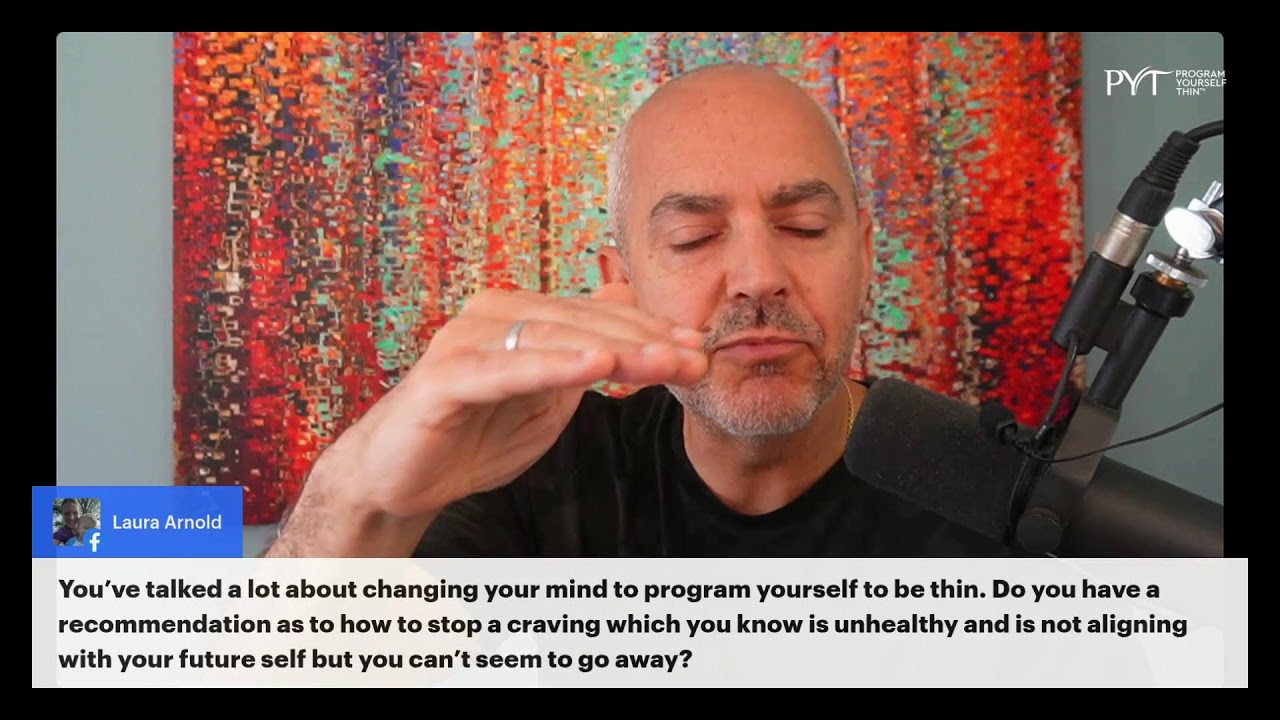
In this extensive video, Jim Katsoulis outlines a natural, non‑pharmaceutical approach to reducing the constant cravings and "food noise" that many people experience. Drawing on over 30 years of research, he emphasizes three pillars—mindset, lifestyle, and eating—each broken down into concrete actions. The mindset component stresses clear goal‑setting and belief in one’s ability to change. The lifestyle pillar lists eight habits (sleep, hydration, relaxation, breathing, nourishment, movement, meditation, gratitude) that together influence biochemistry, psychology, and physiology, thereby dampening hunger signals. The eating pillar advocates whole, natural foods over ultra‑processed items, highlighting how proper nourishment, fiber, and a healthy microbiome curb cravings more effectively than calorie restriction. Katsoulis contrasts these gradual, sustainable methods with GLP‑1 drugs, acknowledging the latter’s rapid impact but warning of their artificial nature. He introduces his "Program Yourself Thin" system, which uses hypnosis, mental rehearsal, and subconscious re‑programming to embed the new habits. Throughout, he answers live viewer questions about protein versus carbs, the role of fiber, the microbiome, and practical tips like free hypnosis sessions and the Reprogram training. The video blends educational content, personal anecdotes, and community engagement to provide a holistic, actionable roadmap for long‑term weight management without reliance on medication.
Chapters
The natural way to quiet food noise. And there is a natural way to do it. I've been studying this for over 30 years, long before GLP-1 showed up. And there's a very predictable, reliable way to begin to quiet the food noise that you're experiencing naturally without needing any GLP-1s. And it's certainly something that you should attempt and experiment with before you consider it. Okay, because it's very powerful and it's very predictable. Now, the main things that you want to focus on are mindset, lifestyle, and eating. All right. And mindset-wise, we can go into a lot of that. But the big thing I would say is getting clear on what you want to accomplish. So getting clear on your goals, what you want to weigh, why you want to weigh it, what you're going to do to make it happen. The more clear you are on your plan and the more that you believe you can do it, the better. The big piece is the lifestyle one, though, and that's the one I want to talk about a little bit more. The lifestyle piece is the one that I believe, in addition to eating, which we'll get to in a second as well, I believe the lifestyle piece, as I'm going to define it, is the number one thing that's going to influence the food noise that you experience. In order of importance, there's 8 of them. These are what I believe they are: sleeping, hydration, relaxation, breathing, nourishment, movement, gra— Meditation and gratitude. And so, as you start to focus on those eight habits and weave them into your life, you're going to be shocked at what they do because those eight habits affect you biochemically, physically, psychologically, emotionally, every way possible. They have a profound impact on you, and in a lot of ways, they can mirror a lot of what the effects of the GLP-1 are. Not as dramatically. I want to make that clear. I understand. The, you know, the injection, it's a dramatic instant impact. I get that. This is a slower showing up of effect, but it's effective. Okay. It really, really matters because then all of these habits affect you cellularly. I mean, they affect you down to the most basic level of who you are. And so as you start to fundamentally change them, it changes how you interface with food. It makes a huge difference. So the first one, Again, is the most important is sleeping. And sleeping has so much more impact than we tend to think it does. It impacts everything. It impacts your blood sugar. It impacts how you process food. It impacts the decisions you make. It impacts how you think. So again, the more you sleep and the more kind of grounded you are in getting the sleep that you need, the more the entire system that is you begins to go in the direction you want it to, and the quieter the food noise gets. Okay? The next one, hydration. Hydration's a huge factor when it comes to your hunger and food noise because we have evolved in an environment where we tended to eat a lot of our hydration, right? When we ate foods in a natural environment, they typically had a lot more water content in 'em. So a lot of times now in the modern world, when we get thirsty, we actually can confuse it for hunger, which can lead to increased food noise. So, making sure that your hydration levels are solid. is a very powerful way to quiet down the food noise. The next 2 I always put together, which is relaxation and breathing. And the more you start to relax and calm down, the more you begin to breathe properly, the lower your cortisol goes, the less hungry you feel. Because again, cortisol makes you feel hungry. It's a stress response. And so it starts to support you making better choices and it quiets your mind down. Then we get to nourishment. That's the big one. And that was the eating piece that I want to really focus in on here. When you nourish yourself with the foods that your body craves and needs to thrive, guess what happens? The food noise goes down because one of the quickest ways to increase food noise is to not eat, right? If I restrict calories from you for a day or two, food noise is going to be at a maximum. If I nourish you, it's going to go to a minimum because nourishment goes beyond calories. And a lot of times in the environment we live in, we can be consuming a lot of calories and not getting the nourishment we need. Yeah. And so, if you don't get the calories you need, your body sends you a hunger signal, food noise. And if you're not getting the nutrients you need, your body sends you a signal, food noise. So, nourishing your body at a high level, eating more whole natural foods is a very, very powerful and effective way to begin to reduce the food noise. Um, next one's movement. Again, when you move your body more, you're more connected to it, and a lot of times you're more sensitive to what's going on inside of you. So that if you, um, you know, you're uncomfortable or you need to move and you just need to kind of get a jolt, you may rely on the movement more than the food, and that can help as well. Meditation is another huge one because it trains you to quiet your mind. So I think there's probably no more direct way to kind of focus in on the food noise and noise in general by meditating and quieting that mind down and learning how to do it intentionally. And the better and better you get at quieting that mind down, turning the noise down by practicing it, obviously, the more that starts to show up in your regular life. And then gratitude is another wonderful one to kind of work on as well. We'll leave that alone because it has longer, longer, more indirect benefits to it. Then there's the eating specifically. So beyond nourishment, putting the right foods in your body is keeping the wrong foods out of your body because there's almost no better way to trigger food noise than by eating hyper-processed, ultra-processed fast food, junk food, all the rest of it. Because that is literally built and designed to trigger you to eat more of it. And again, what precedes that consumption is the food noise. So if you take all of these things and you start following a clear-cut system, which again, in Program Yourself Thin is what we do, we focus on the goal weight pyramid of mindset, lifestyle, and eating, and we focus on those specifically. But if you start to create these changes in your life, in your mind and in your eating, you're going to reduce the food noise. I promise you, it may not be quite as dramatic and as extreme as the GLP-1s, but it's also long-term and effective for the rest of your life without needing that either. And you won't know exactly how much you can reduce the food noise naturally until you test it out. And so it's worth the effort because not only will that turn the food noise down, most likely, But you just get so many other benefits out of it as well. So I want you to take a second and I want you to imagine that food noise as you think about it. I want you to imagine a situation where you tend to feel and experience food noise. Might be at night, might be before dinner, might be in the afternoon. Just pick a moment. And I want you to imagine yourself in that scenario where the food noise is kind of popping off. And I want you to take a moment and imagine yourself in that situation, changing how you think of yourself, changing who you are in that moment, because most likely in that moment, your mind's kind of spinning. There's probably a lot of tension in your body. You might not be breathing. You might be dehydrated. You might be tired and exhausted. You might be emotionally unbalanced and all over the place. So I want you to take a moment and imagine in that scenario that you kind of snap your fingers Now, this is just your imagination, so let's just have fun with this. I'm not saying you can do it or not, but let's just use our imagination to imagine yourself in that scenario where the food noise feels loud. And I want you to imagine for a moment that you've got a dial that you can turn that quiets the food noise. It's a volume button for the food noise. And you can imagine turning this dial so the food noise gets quieter with each turn of it. And as you turn down that food noise, I want you to go into your body and relax. Relax your shoulders, your chest, your stomach, your face. Relax all these things and be present in that moment, being calm, grounded, relaxed, at peace. Imagine yourself in that scenario that you've struggled with in the past, but imagine yourself grounding yourself in this calm. Imagine yourself drinking a glass of water in that scenario. Fresh, clean water. Imagine how it feels as it goes in your body. Connect to your breath. Imagine yourself taking a deep breath in and slowly letting it out. Imagine yourself eating your favorite piece of fruit. Imagine there's a piece of fruit there. An apple, a banana, whatever you like, watermelon, whatever fruit you like. There's a piece of it there and it's perfectly ripe. Imagine yourself eating that fruit in this calm, grounded state. And as you imagine this, notice how it feels. Now, again, I'm not saying that just imagine this makes it real all of a sudden, but the more you start to imagine it, the more you start to teach yourself and train yourself to quiet the food noise naturally. And as good as or bad as you may be at it right now, Just like anything else in life, the more you practice it, the easier it becomes, the better you become at it. And most likely you have never done this before. And if you've never done this, then you don't know how much you can naturally turn the food noise down. And if you could turn it down naturally, wouldn't that be amazing? And I believe you can. And one way I want to show it to you is to give you a free hypnosis session that will take you down this path. You can comment mind in the comments section if you're on Facebook. It's MIND, or you can click the link in my bio if you're on TikTok and go get that free hypnosis session. It's a full session that's designed to connect you to your goal weight, calm you down, relax you, and yes, it has the impact of quieting the food noise, but it also programs you to start making better choices naturally. So click the link in my bio or type mind into the Facebook comments. And get that session. I also give you a training called Reprogrammed. It's completely free. I give all this stuff to you for free because I know there's a better way, I believe, to quiet the food noise and manage your weight that most people— you've just never tried it before. So go check that out. And if you have any questions, feel free to ask them again. I'm here every Monday through Friday to answer questions, to talk about this different way of approaching your weight that most people unfortunately have never really heard. And so It's always exciting for me to kind of share ideas that most people never get access to for something that's so prevalent, right? Obviously, weight issue is a big concern in 2026 in America with 74% of the population overweight or obese, right? What's up, Don? How's it going? I haven't seen you in a while. How's it going over there? Nice to see you. Yeah, where are we? It's Friday. Okay, we're on Friday. And I got so distracted that the chronicles of this fruit flies, which is bad news because I got about 4 of them yesterday, and it turns out there's way more than one. So I don't know if you could tell, I was watching— when I was talking just now, I was watching this. This thing was just flying all around here, and I was doing everything I could not to try and grab it. But it's best that I did that, trust me. But at one time, it was flying right towards the camera, so I don't know if that thing looks fly. I have to watch the replay and see if, uh, see if that thing showed up. But oh my God, I am being overrun with fruit flies, and they might put me in the Loony bin. All right, Don says can't complain. Nice, nice. Yeah, it's beautiful day here in, uh, in Massachusetts. So beautiful I took the, took the old doors and top off the Jeep. Last chance probably for the year, although I don't know, it's pretty warm out there. It's as warm today as it was any day in July. Well, it's at least as muggy. But anyways, hope you're all doing well. I know that the long weekend's coming up this week. It's kind of a weird September, I suppose. Um, it's kind of odd, right? Because usually I think Labor Day was last weekend, but now it feels different, right? Uh, done this again, but fun. We have rain in North— Northern California. All right, yeah, it rained here a bit this week. Thank God, right? We have not had any rain, but it's been— it's been raining a bit this week. I think that's where the humidity obviously is coming from. But, uh, yeah, it's been a dry, dry summer. Holy moly. But, uh, yeah, so rain is good these days. But yeah, any— any questions on weight loss, feel free to ask them. Um, I've worked with people with every single diet ever. Uh, so any diet you might be struggling with, feel free to ask, uh, because a lot of times the answers are not willpower. I think most dieters anyways think the answer is always, uh, you know, just try harder, just stick to the plan more. Um, but unfortunately, uh, you know, that, that rarely works long term. Um, which really is kind of the main thing about Program Yourself Thin. The programming yourself is really the main idea that what we're looking to do here is to reprogram our subconscious mind. So that we think, live, and eat like a thin, healthy, happy person that we want to be. And so really what we're doing is we're developing the skills to be the person we want to be. And that's a big difference than dieting, because dieting is basically stopping yourself from doing the wrong things. But it's never a great strategy to focus on stopping things, because the flip side of stopping things is you have to do something new. Now people don't realize that, but for example, you know, if you eat ice cream at night, a lot of people are gonna say, okay, I have to stop eating ice cream at night. But the flip side of that description is that then you're gonna do something different at night. And even if you just sit there and watch TV, where you used to sit there and watch TV and you ate ice cream, now you're gonna sit there and watch TV and not eat ice cream. They're 2 different things. One's what you're gonna stop doing and one's what you're going to do. And in reality Not eating ice cream is not really the behavior, if that makes sense, right? That's almost a hallucination because what's technically happening is you're sitting on the sofa watching TV. Maybe you're drinking some water. Maybe you're eating some fruit. Maybe you're not. You're just sitting there watching TV. But the way you describe that is actually much more specific and literal, and your subconscious mind is very literal. It's very, very literal, and that's something I think a lot of people don't understand. Um, and so one, one example of that, and a very important one, is that your subconscious mind can't— it doesn't understand negatives. So if I tell you, don't think about a banana, don't think about a banana, right? Well, I told you not to think about it, but what are you thinking about? You think about a banana. So if you think about every time you've tried to lose weight on a diet, it's basically the same thing. It's you saying, okay, Don't, don't, don't think about it. You're not saying don't think. You're saying don't eat ice cream. Don't eat it. Okay, don't eat ice cream. Don't eat the cookies. Don't eat the second— don't eat the second serving. Don't eat the, the, you know, the milky cough milkshake drink I get in the morning. Don't, don't eat it. Don't eat it. But what's happening is you're subconsciously fixating on the exact thing that you want to avoid or dial down. And what's happening is subconsciously you're generating craving and momentum towards the exact things that you want to stop. And when that happens, it's a big problem. You know, because you're—it's kind of like driving with your foot on the gas and the brake at the same time. It's like you want to stop, and so you just keep your foot on the gas, but you really push down hard on the brake. Metaphorically, I think that's the best description of what I'm talking about, and that's what a lot of you dieters are doing subconsciously—is you've got your foot pinned to the gas, and you're trying to stop yourself by pushing as hard as you can on the brake. Whereas, you know, driving, the best way to do is take your foot off the gas first and then put your foot on the brake, right? That's the, that's the, the better strategy. But when it comes to your weight, you've never done that. So what's happening is you're subconsciously driving yourself towards the exact foods you want to start limiting, and you're trying to stop yourself. The brake in this metaphor is your willpower. You're trying to fight against that craving, that desire, with willpower. When in reality, the best way to do is kind of unplug, unplug the craving by thinking differently. And that is very possible, you know, when you understand how to program your mind. Uh, what's up, Bookworm? Bookworm says sometimes you have to do a total reset and start over the basics, basic easy meals, etc. Oh, so true, so true. And I love that you said that. We just had that conversation yesterday in a coaching call, um, and this is really important, I think. So One mistake a lot of people make, and again, this comes right out of dieting because dieting is an all-or-nothing mindset, right? When there's dieting, you're either doing it the extreme total plan perfectly or you're not doing it at all, right? It's a very binary black-or-white, off-or-on type of mindset. And program yourself then, we're all-or-something. So yeah, we can be all perfect, great, that can happen. But if we're not, we're still in the game somewhere. We're never going to be nothing, always working and doing something. Working on something, and when that how that shows up a lot of times in a real practical way for us is a lot of times you've had this experience where you kind of work up to here. This is more obvious with like working out or keto. Keto and working out are two great examples of this because keto, if you're really doing it hardcore, you want to get into ketosis, right? So that's like you have to be really strict, really perfect to get into ketosis, and now you're in it. And then if you don't, you know, if you go and eat some carbs. Well, now you're out of it. Now it feels like you got to start all over again. But what ends up happening is no one can be perfect forever. That we know for sure. And so you can get yourself up to all— you can do everything perfect for a little while, and at some point you're going to make a mistake. And what happens for a lot of people is they say, okay, oh, I screwed up, I'm off track, now I got to get back up to here. And that jump up to here is too much for them at that point. And it feels too overwhelming, and so they don't do it. And so again, in program yourself, then we have this—we have all this space we can use too. And so a lot of times we start off back down here just to get ourselves back on track quickly. Let's make it easy, and then we'll ramp it up. Whereas most dieters think it's like a switch, and I'm ah, I'm off track, and I'm tired though, and I'm exhausted. I don't know if I can do that. You know, let me put it in a workout term. I think it's a little clearer that if you work yourself up to 100 push-ups a day. And then you get off track and miss a week, going right back to 100 can feel really hard. Whereas if you start with 20, then 30, then 40, you know, that's a quicker way to get back up there a lot of times than expecting, you know, every day that goes by you're going to jump up to where you were, you know. So we have to recognize where we're at and I think adjust what we're doing to the reality. And a lot of people don't do that because they just think binarily, all or nothing. But that all or nothing thinking, I think, is one of the biggest traps people Are cotton, you know. So agreed, Bookworm. I think sometimes we got to reset and start with the basics, and the basics are always teaching us valuable things, in my opinion. I think that the basics— we can learn as much from the basics as the most complex expert-level stuff a lot of times, and, and I, I truly believe that. Uh, what's up, Lois? Lois says, my scale this morning showed 4 pounds up. Before, I would have flipped out and say, what the heck, and go eat more. But knowing now that you can't gain that much overnight, So I'm trying to see what I did the last couple days that caused this. Extra salt, extra water, bloated, getting back on track. Yeah, great job, Lois. I appreciate you sharing that because, um, it's so true that a lot of times, uh, what ends up happening is that exactly like you said, I mean, it could be salt. If you weigh yourself every day, I think you'll be shocked, shocked at, um, how much your weight can fluctuate in a day. And I've— I think the most for me personally, and everyone's different, but for me 4 or 5 pounds in one day is the most, either direction. Um, but most of the time it's an illusion either way. Uh, it's very difficult to just gain 5 pounds in one day. So yeah, usually it's just something that happened, and usually it seems to be like it's salt-related because that's a systemic thing that can affect you more than your brain can understand. Um, because, you know, that way there, uh, You know, once you understand that the factors that are there, it could be yeah water bloating salt again they're both kind of related. But once you understand that, you don't freak out so much. You know, and that's again that's just kind of part of the reason why I believe that weighing yourself regularly. I mean, it doesn't have to be every single day, although I'm I'm kind of a fan of that. But weighing yourself regularly is really helpful. It's gonna do something. Here, you pick page up from school now. All right, just had to fix something there. Um, but yeah, understanding your body is really important. That's why I love weighing every day, because it's like once you understand the fluctuations, you're, you're understanding your real body. Because whatever you think about what weight should do, it's probably based on not great evidence, or, or I don't know what it's based on. I never know what people base their Weight loss expectations on actually. I think like when people like think whatever weight they are going to lose and how quickly, it's like why? Why do you think you'll lose two three pounds a week? You know. But that's also too, by the way. That's why I always think that your goal weight should be a goal weight range. So you can have your goal weight, but then I'd add me personally add five pounds to it. But um. This fucking bug, man. This bug is just taunting me at this point. Um, but yeah, if you— hold on. Um, yeah, if you, uh— sorry, I had to take care of something. Um, but yeah, if you, if you weigh yourself every day, you'll see your weight fluctuate in ways you probably wouldn't understand. And I know people say, oh, that's gonna freak me out. That's gonna mess me up. That's gonna destroy me. Yeah. Well, if your mindset is that weak, don't get mad at me. But if your mindset's so weak that you can't see your weight fluctuating like it does, it does, by the way. Okay? And your weight fluctuates. So we gotta start there. Because I always make videos and talk about weighing yourself every day makes a lot more sense. And people get very triggered and upset by that. But the alternative of that is that okay, fine. Weigh yourself once a week. Okay, but your weight fluctuates. So once you know your weight fluctuates, and I promise you it does, unless you weigh yourself every day for a month, you don't know. Okay, so if you've never done that, don't don't get on here and tell me oh no, my weight doesn't fluctuate. Yes, it does. So once we know your weight fluctuates, and it can fluctuate between one to five pounds a day, weighing yourself once a week seems crazy to me. Because you have no clue in that fluctuation where you're at. So that seems like the cruelest thing to me, you know. And I know people, they get so triggered by the everyday thing, and I get it, because when I say every day, they're assuming, well, I'm gonna weigh myself every day like a dieter does, and oh my God, every day is gonna be, you know, uh, you know, winning the lottery or, you know, being sentenced to life in prison, you know what I mean? Like, it's such dramatic, you know, because, because people get caught in that one moment. Instead of zooming out and realizing that weight fluctuations are regular, you know. And so once you know that though, again, I think it's, it's, it's almost common sense. It's obvious that your goal weight will not be a specific number, but it will be a range that you stay within. And again, I always say like the idea of like aiming at holding one specific number at all times would be the equivalent of like making the decision my gas tank's always going to be the exact same meter rating. Because imagine that, right? I always want my gas tank to be totally full. Okay, well, you're gonna have to be at the gas station every day that you drive. That's a lot of stress and anxiety you're putting on yourself, and you don't do that, right? Because you're okay. You understand the gas tank changes, it fluctuates. Or your bank account. My bank account's always gonna be the exact same number. Well, it can't. It's in a state of flux constantly. Well, so is your weight. Your weight's in a constant state of flux. And so to pin that number to one exact number— I know a lot of you got the ounces now even as well. And anytime it goes over that number, you're going to freak out and have a terrible day. It just doesn't make any sense. You know what I mean? It just makes no sense because it really is at odds with reality. And I find a lot of dieters doing things that are at odds with reality. It's not a judgment. It's just calling that out and recognizing that's really valuable because it allows you to kind of fix it and move forward in a much more intentional Intelligent way, I suppose. Yeah. What's up, Jane? Jane says, I find that I can usually guess my daily weight because when I eat too much of carbs, etc., I know my weight will be up in the morning. Um, this is even on Ozempic. The day before yesterday I had cheesecake and it did show up. Yeah, there you go, Jane. So again, I think, you know, unless you weigh yourself regularly, you're not going to know how your body shows that up because everyone's different. Everyone's different. Some people might eat a cheesecake today, and for the next two days their weight's the same. Then the third day the weight shows up, you know. But you'll never know how your body interfaces with different things with the weight unless you weighed yourself regularly and figured it out. Because think about—I mean—it's a blind spot. Most dieters' mindset—they think you just have all these assumptions about what you should weigh and why you weigh it and how it affects you, and it's affecting your. What it's affecting— if you don't really know how your body and weight operate, and how would you know that if you only weigh yourself once a week? How would you know the relationship between your body and scale? How would you know it if you weigh once a week? How would you really understand the relationship between your body, your behaviors, and the scale if you only do it once a week? I, I don't, you know, and that— because I know, well, I'm just too scared. I can't look every day because if I have a bad day, then I'm just gonna blow it. Well, okay, that's a mindset thing though. It doesn't have to be that way. Just because that's how it's been for you doesn't mean that's how it has to be in the future. What if you built up some emotional resilience? What if you created some new strategies and mindset for how to use the scale? What if you could use the scale so that it felt like the speedometer of your car? You're not freaked out about looking at the speedometer of your car, are you? Right? I mean, you see a cop and you'll get a little nervous there, but other than that, you're not scared. You look at the speedometer, I'm going too fast, let me slow down. I'm going too slowly, speed up. You use it as a data point that informs your next move. So why can't the scale be like that if you really think about it? Now, I know it doesn't feel like that to you because you've been trained You know, through the culture, that scale is the is the the controller of emotions, right? And if it gives you a lower number, then you're gonna have the best day of your life. If it gives you a higher number, it's the worst day of your life. Well, okay, but that that is because you look at it a certain way, and you can look at it differently, is what I'm saying. And I think standing on a scale every day is one of the best ways to change your relationship and how you use the scale. Because what if you not only use the scale as a data point for what your weight is, but you use stepping on the scale every day as an opportunity to relax and to calm down and understand your body and understand weight and to really make a commitment to mastering it and understanding that the scale— if you want to master your weight, the scale is one of your most valuable tools. And that's all it is, a tool, and you're in control of it. The tool just reflects back you, your situation. How could that be bad? Now, that being said, again, the golden rule of program yourself then is that there's no right or wrong, there's only what works for you. So if you absolutely despise the scale and you're just not even willing to, you know, entertain what I'm saying, that's fine too. That's a path available to you as well. I'm just talking about kind of a way of approaching it that you don't really hear very much because most people kind of buy into this idea that the scale is the, you know, controller of emotions and it's the dictator. You know, I don't believe that. To me, the scale works for me. It works for me, and it just helps me do my job better. That's all. Um, Bookworm says, Jim, as you have salad every day for lunch, what is in your Greek salad dressing? Uh, yeah, I actually— the dressing I use is kind of interesting because they literally, they make it 2 houses down from me. And, and you look and it's just like It's like a convenience store and there's like a house there and you're like, they make dressing there? It's very weird. But so it's locally made. But, um, yeah, it's just natural stuff. So it's oil. It's not like— again, for me personally, I'm not consuming— probably my number one food reality is I don't consume a lot of processed food. I don't really, for a lot of reasons. And so my salad dressing is a natural salad dressing. Okay, so you just get the basic stuff. I forget, oil, spices, you know, whatever they make. Salad dressing out of, but there's not a lot of like preservatives in it. There's not a lot of like emulsifiers and flavorings and all that that shit that you might get in a more mainstream brand. And I do like keeping it simple. Although there's mainstream brands now. What I eat, I think it's Ken's maybe. Ken's and it's simply something. But again, so even when the mainstream brands, if I use those and I do sometimes, I'm always making it a point to get the more natural ingredients. I'm a big, big believer. The less unnatural processed shit that goes in here, the easier time I have feeling the way that I want to. All right. So yes, I couldn't tell you specifically what's in it, but I do know that it's all natural. Jane says, I am finding I have strong cravings for carbs lately, but I know that I am supposed to be eating lots of protein to maintain muscle. Also still not eating enough fruit and veggies. Um, yeah, I mean, that the protein thing just is so triggering to me at this point. I don't even know what to say. Uh, I just— we live in the protein age, and I'm a vegetarian for the last 23 years, so I think the protein thing is such bullshit. You know, people out here just protein maxing their guts off to maintain muscle. It doesn't maintain muscle unless you're working out a real lot. It's like, it's just, it's like people are acting like they're bodybuilders and they're not. They're protein maxing like bodybuilders, and they're not bodybuilders. And so this idea that just consuming a lot of protein is going to cause you to keep your muscle is— I think it's so overstated. And it's, it's a grain of truth to it for sure, but it just drives me nuts. Because to me, how are you consuming your protein, everyone? How are you consuming it? You know, I know how you're consuming it. You're consuming it in protein powders, protein bars. All processed bullshit and/or lots and lots of meat, you know. And so it's like the protein thing is just a bunch of bullshit because the food industry is making a shit ton of money on it. Yes, they are. They make a shit ton of money on it. How much protein do you need, folks? How much protein do you need? And to that I say, when's the last time you even had a protein deficiency test? And I know the answer is never, unless you're in some extreme situation where you weren't eating at all. Because you know it's impossible to be protein deficient when you're consuming enough calories every day. Do you know that? So this this fear that I've been dealing with for over 23 years as a vegetarian, where do you get your protein? What are you so worried about? What are you so worried about? You know. So this idea that you're just going to eat a lot more protein, you're going to have a lot more muscle is bullshit. And so I think most people never mind the protein folks. How's your natural food going? How much fruit and vegetables? How many greens are you eating? How many beans are you eating? That's what we're meant to eat as humans, mostly. We ain't meant to eat protein all day long. There's not one single modern society that, that is protein-centric. There is no— there's no society on earth that's a high-protein society that's thriving health-wise. They already did this study. It's called the Blue Zones. They studied the whole world. They said, where are the highest number of people that live to 100 years old? Let's go study them. Let's go study the top five. Guess what? Not a single one of them was a high protein diet. You're never gonna believe this. You know what they were? They were all high carb diets. High carb, low protein diets were the healthiest diets on earth. That's what we're meant to eat as humans. We're not meant to eat protein all fucking day unless you're an Inuit Eskimo or you know there's some tribe out in Africa. They eat a lot of basically carnivores. What society? Tell me, tell me, folks. Y'all been steeping yourselves in Atkins diets and paleo and keto for 40 years now. Tell me the society, the modern society, big group of people that is high protein, that has health numbers that you want to emulate. I asked this, I've been asking this for 4 years. I've never gotten an answer. Tell me the society, because I can point you to literally every society before modern food got here was eating high-carb, low-protein diets. Why? Because meat and protein were expensive resources, resourcefully very expensive. It takes a lot of resources to make a cow to eat. You could eat the resources yourself. So we didn't have an opportunity to have high-protein diets until now where they're just pumping protein down our throats. It's just the word of the day. And it's bullshit in my opinion. I just— I can't think of too many people that would be better off eating more protein as opposed to eating more whole natural foods. It's what I see. But I don't know, we all get to make our choices, you know. Jay says, but on Ozempic you lose weight and it is fat but also muscle. Yeah, but that's true of all weight loss anyways. But the Ozempic weight loss happens kind of unnaturally fast because it's an unnatural thing. So yeah, I mean, eating protein is good, but I don't know. I don't know. I would never— I would never trade more protein because you all are getting so much protein already that to want more protein, you got to take those calories from someplace. And what people are doing is they're trading the healthy whole food pro— the whole food calories for more protein calories. And I know you people with the protein maxing, it's like you got to focus on it. It's hard to eat that much protein every day. It's got to be a focus. That should be your first clue that it's not natural. I don't have to focus on eating whole natural foods. I don't even focus on protein. Maybe I'll dissolve into dust when I turn 60. I don't think so, but maybe. Okay, I just think— I got— it makes me crazy because I don't know, maybe it's because I get the other side of this too. You don't understand, like, I get off here every day. Every day I get multiple messages to sell protein supplements in some form or another. It's an enormous business. And so what happens is it just funnels down from the top to the influencers, to the commercials you see, to the food products you see. Everything's protein now. I mean, I saw protein. I saw a protein coffee drink at Dunkin' Donuts the other day. That's how you know we're hitting peak dipshit. We— I'm sorry. I'm sorry, Jane. You know, I know Jane. Jane and I have a relationship. So it's— I get all triggered by this. It's not— this is not aimed at Jane. This is aimed at the culture right now. It's so frustrating to me because it's just one more example of just how we're just so misled constantly when it comes to food and our nutrition and our health. And the protein's just the newest one here. And I mean, they're putting protein in everything. Why? It's called the halo effect, by the way. So the fact that that coffee drink has, has protein in it is a halo. It blinds us to the fact of how much sugar is in it, how many calories are in there, how much dairy is in it. You know, and so the pro— oh, protein! I gotta get my protein, my muscles. I want my muscles when I'm older. And especially women have been especially sold this. I don't wanna lose my muscle mass. I get older. Yeah, well, you gotta work out a lot too. Are you working out a lot too? Because just eating a lot of protein doesn't give you a lot of muscle. You're watching like Arnold Schwarzenegger behind the scenes, how he got so big. He's just sitting there, stay in the kitchen eating protein all day. Well, he was, but he was also working out all day. It's a two-part process. And honestly, there's, there's a vegan— and I'm not saying you can be vegan and get protein as well. But, um, I'm just— I think the protein thing is just so overstated at this point, and I think it hurts people because they're so trying to get an unnatural amount of protein in their body that it's causing them to not be able to focus on other things that would support and serve them better. That's what I think. Yeah. Carolyn says, so hard to digest protein. I think most important for diabetics to have with their carbs. Um, yeah, it's beans. Yeah, yeah, beans are good. And I know, I mean, I know that side, they're always demonizing beans, but just so you know, lectins, lectins disappear when you cook it. I don't know, it's just, as I said, it's so— they say there's that Watergate, just follow the money, you know. And unfortunately, if you follow the money in this culture, you know, that, that pretty much reveals it all. But I think the protein thing is a big profit motive. I, I don't see the health benefit. I, I don't see the health explanation for protein maxing. And I, I say it simply that when I look at societies on Earth, I don't see a lot of high-carb, high-protein societies thriving. Yeah, yeah, there we go. Don says, uh, it's beyond— I'm turning 55 and I've never needed to turn my diet upside down for protein. Yeah, I, I— it's just, I don't know, I don't know. I, I mean, I, I could just talk about the protein thing all day long because it's, it's like, it's so psychological. And they hit the women different than they hit the men. You know what I mean? But but it's it's hit them both at the same time because there's so much money. It's coordinated, you know. But women don't want to lose muscle as they get older, and men it's being a man. You know, you want to be a manly man. You eat fucking protein all day long. Protein mix and loving protein. Whatever though. I've been dealing with that for twenty-five years, so it's like I don't know. I've never tracked my protein once. Like I said, maybe I'll crumble in the dust and y'all have the last laugh on me. Okay, you'll see it. I'll be here. You'll watch me crumble into dust. But what if I don't crumble into dust? What if I get older like all the other healthy people in high-carb, low-protein diet societies that have been studied ad nauseam because they're giant societies? What if I'm just like them and I get older and I'm strong and I'm healthy and I'm flexible and I have a great quality of life all the way to the end? What then? Do you think that's impossible because I'm not protein maxing? And by the way, weight-wise, forget about it. Forget about it. I'll take whole natural carbs over protein for weight loss all day long. Now, by the way, let me just quickly say, I don't think it needs to be said, I'm going to say it anyways. Protein's important. Obviously you need to have enough protein, you're gonna be in trouble. But I don't think this maxing— I don't know what the benefit of maxing it is. And I don't know what these people that promote— and I see doctors doing it, but I don't give a shit because doctors know as little about nutrition as we do. So I've seen a lot of dumb doctors, I gotta tell you. And I love doctors, I want to make it clear, I love doctors. But I see a lot of doctors get into the— also called the protein keto space. And I said, what the fuck are these guys talking about? I mean, it's just some dumb stuff. So I like, I like doctors, but doctors are not nutritionists. And a lot of times what I've seen is doctors get curious about this shit and they're just as susceptible to dumb shit as anyone else is. I don't know how that's possible, but I've seen it with my eyes. Bookworm says fiber. Exactly. Yeah, exactly. That's, that's specifically— I can, I guarantee all of you, virtually all of you, if you're an American and you follow any standard American diet I can almost guarantee you that what's gonna serve you a lot better than more protein is more fiber. I can almost guarantee you that you're not getting the fiber you need. That's the biggest problem in your body system. Not the, not the, not the protein. It's the fiber. You're not getting enough whole natural fiber in your body. Most likely very few people are. So, you know, we won't see it. We will never have a fiber day. Like we do a protein day because fiber will—it doesn't have the the economy behind it. Do you understand? So yeah, anyways, calm down. Yeah, Jane says I'm laughing my head off. Good. I'm joking, but I get—I think it's true too, right? Jane says one of my problems is that I hate to cook, and so I eat a lot of deli food and ready-to-eat food. Yeah, and Jane says hi. I eat fiber gummies. Yeah, that that. Jane, again, I appreciate you so much for saying this stuff because that, that to me— and don't take this the wrong way— but eating fiber gummies is the height of ridiculousness in my mind. Again, so I hope— I would, I would hope you pull back a little bit from the protein and add some whole natural fiber into your diet. Your body is designed to eat lots and lots of fiber, folks. That's what we've eaten through history. You know, paleo person, you know, when they tell us, oh, paleo person just ate— well, paleo diet, it's all, it's all protein, it's all meat. No, paleo person was eating tons of fiber. Tons of fiber. That's what our bodies thrives on, you know. But again, you can't do everything. You can't eat— you can't protein max, fiber max, uh, you can't do everything. You got to make choices. There's only so many calories you can fit in your body. And a lot of people at this point are stuffing their bodies full of protein, when in reality— and then, you know, honestly, I'll just tell you this as a general rule. It's not always true, but it's virtually always true. What you're being told from society, what you see in the markets, what you see in the stores, it's almost like do the opposite. You know, you see protein, you know what, don't do that. You see gluten, I'm gonna say gluten. I know some of you got problems with gluten. I get it. Um, I gluten maxing. I'll be gluten maxing over here. I make sourdough bread, so I'm doing it in a— the most healthy, natural way possible. But I'm just telling you, like, like what we hear, conventional wisdom in this culture is almost always bullshit because most conventional wisdom most of us believe at this point has been put there by the food industry. You know what I mean? At this point, there's no— everything is, is— what's the word— compromised, right? And so the protein thing is just one more example of that. And even fiber, because I talk about fiber all the time, and the main question I almost get every time I talk about fiber is, Metamucil good? No, no, it's not good. Is it better than nothing? Sure. But, but what's good is fiber in whole natural foods, fiber you've been eating as a human being for a million years. That's the fiber that's good. The fiber that comes in an apple, the fiber in, uh, you know, celery and, uh, greens and, you know, all beans, all that. That's the fiber. Yeah. That your body thrives off of thrives. You're gonna thrive off of high protein diet again. I oh it makes me crazy. I wish someone would answer me. I know I get keto people. I know I got carnivore people all over here. What society? What big modern society are you looking at and saying they all eat majority eat a high protein low carb diet and they're killing it? They're thriving. Who are you looking at? I've only heard a little little again the Inuit Eskimo. tribe, the, the— I forget what they're called out in Africa. They don't even have good health numbers, by the way. And on top of that, the Inuit Eskimo that eat most protein, they've got genetic mutation where they don't even go into ketosis. Your world's an illusion, folks. I mean, you've been fed bullshit. And that's why I'm here every day, to try and clear through the bullshit. Am I right about everything? Absolutely not. But there's big picture stuff I'm pretty on— I'm pretty on track with. I really believe it. Uh, It's so funny. Shane says, oh my God, I feel like I'll never change. I want to, but it seems impossible. Uh, yeah, Jane says, not keen on salads, wish I was. Um, yeah, but no one's keen on salads. You're not keen on salads because you haven't been exposed to salads enough to become keen on them. And so what's the answer? Well, the answer isn't to just start eating giant salads on Monday. It's to start introducing some simple salads into your life that you like. It's not as hard as we think. We make it hard because we always try to go to the max. So, oh, Jimmy eats 4 salads a week and they're giant bowls of salad. That's what I got to do. No, no, no. I worked up to that. You know, so again, you're not keen on salads. Okay, well, get some greens and put your favorite dressing on it. And, you know, you like a carrot, cut a carrot up and put on there and just have a little bit of that and then eat your regular food. Do that for a couple of months and then you might be a lot more keen on salads. And if you're not keen on salads, by the way, you know, unless you got some physiological thing where salads trigger, you know, some digestive thing. Um, you know, it's— you can start slowly with it, you know, and it's all strategic. So don't feel like you'll never change. I know we always feel like that, but if you're strategic with things, you can absolutely change. It's not rocket science. It's just having the right strategy and the resilience and the ability to kind of just keep one step after the other, you know. But that's what Program Yourself Then is built to be. It's not, it's not this transformation, instant transformation. It's a philosophy and a system. built to be lived and improved on and optimized forever, you know. So again, Jane, it's not about changing everything, it's about changing little things. Um, but again, you know, as far as the fiber— the fiber protein thing is just so funny to me because it's, uh, that's just a funny thing. Uh, J May says, I do find protein I already know what this is going to say. I do find protein satiates though. That was an important discovery in my health journey. Yes, yes, protein absolutely satiates. But you know what satiates even more most the time is fiber. Again, they're both satiating. I'm not arguing that protein without question is more satiating than fat is, okay, um, or carbs, you know. But fiber is more satiating most the time than protein because Again, the little bit of extra satiation you get from protein is nothing compared to the big boost in satiation you get from fiber because you're probably fiber deficient by a lot and you're probably getting too much protein already. So if you get more fiber in your diet, people say this all the time, and that's the story with protein. And again, I'm not arguing that, that, you know, eating a steak is going to probably satiate you more than eating a bowl of mashed potatoes. Okay. But well, that's probably a bad example. But so it's true. But what if you ate the protein and added fiber? Holy shit. Now, now we're into GLP-1 territory. And I'll tell you this, I've said this before, and it's only one man's story, you know what I mean? So it's anecdotal. I get it. But I always believe one of the biggest shifts in my life that I felt hunger-wise was— and I always say this is almost like natural Ozempic. So getting back to the point here, That when I started adding more fiber into my diet, I started eating big-ass salads for lunch, and I put a lot— I started eating a lot more beans, black beans, chickpeas especially. And I couldn't believe it. My hunger went off a cliff. It was the biggest shift in my hunger that I felt. And so I just think most of you, if you're looking to dial down the food noise, adding more fiber in the form of whole natural foods is probably the best thing you could do. And you work up to it. And the first month I did that, it felt like someone poured concrete in my guts. So I didn't feel great, but I was like, uh, I'm gonna see where this goes. I normalized to it. There's a thing called the microbiome, and so I gotta do a lesson on that. I'm gonna do a lesson on the microbiome. It's fascinating. And at the end of the day, I think that's what's really controlling our weight. Um, but again, if you focus on the microbiome And best practices to have a healthy micro microbiome, I think you'll almost guaranteed to find that your food noise goes down and your ability to make better choices goes up. But again, you know one thing that'll support all of this if you're not in my world is click the link in my bio if you're on TikTok. Type mind M I N D in Facebook comments if you're on there, and let me send you this free hypnosis session. And also, I give you a bunch of stuff. I got a training called Reprogrammed: How to Live at Your Goal Weight Without the Fight completely free. Okay, go check that out. But again, the fiber thing to me is really like a secret weapon. I think. So Amy Amy says, "How can I tell if I'm actually hungry or just wanting to eat? I feel like I'm fighting myself today." Yeah, that's a great question. And again, that's the awareness phase. If I show program yourself then we look the goal weight. Oh, you know what? TikTok is gonna. See this backwards. Um, if you look at this, right, we look at the eating piece. The first part is awareness, right? And it's more important than a lot of us think because a lot of us think we're way more aware than we actually are. So for you, Amy, it's starting to realize when am I actually hungry, when am I not. I will give you kind of a simple test for that. It doesn't always work, but it's a good one. What's something healthy you want to eat? It could be, I don't know, an apple, banana, chicken breast, or whatever you consider to be healthy. And if you're actually hungry and you say, okay, well, I have this healthy thing, if you want to eat it, you're probably genuinely hungry. If you're like, nah, I don't want that, I want the cookies or something like that, you're probably not hungry. So that can be kind of a good litmus test question initially just to kind of see where you're at. And I find that to be very effective. I've used that with myself for a long time and I find it to be very clarifying because if I'm genuinely hungry, the healthy food's appealing to me. And if I'm just emotionally hungry, the healthy food's not appealing to me. So I would use that. But understand, Amy, that you're in that process of understanding. That's a great question. And understand that give yourself some time to get better at recognizing when am I genuinely hungry and when am I just kind of emotionally hungry? Because understanding that will be very valuable for you as you move forward. Judith says, I'm a diabetic in remission, so I've got to be careful with too many carbs, but some beans cause gas. Um, yeah, yeah, some beans cause gas, absolutely. But that's true with most foods, right? How foods respond to us is such a unique individual thing. So you should figure out for yourself. Again, you should figure out your own map of what are the best foods for you. Again, another bone I have to pick with diets, because diets have trained us that, okay, here's the plan for all of you. No, I don't really like this part. Who cares? Follow it. You know what I mean? There's not really a lot of room for us to customize the plan for who we are. So yeah, of course we all got to recognize what what foods affect us how. But absolutely, if you experiment with different beans, different beans have different effects. You know, black bean black beans might affect you differently than chickpeas. Chickpeas may affect you differently lentils. So there's a lot of different beans in there is one thing. And the other thing is to give yourself a little bit of time because you might get gassy for a little while, then your body kind of gets used to it, and then it doesn't have that effect on you as much anymore. You know, introduce some beans slowly into your diet for a month or two and just see, see if it changes, you know. Because if you can have beans, beans are really— I don't know, they're like a magical food. I think they're, they're not calorie dense, you know. They fill you up, they satisfy you, they got protein. They're just— they're a real helpful food when you want to manage your weight, in my opinion, you know. And I think a lot of people just cut them down for all sorts of reasons. Um, Mike says, can you talk about collagen supplements? I cannot. I don't really— I don't use supplements. I'm not known— I don't really study supplements, uh, at all, so I couldn't really speak to that. I'm not a big fan of supplements, although I may change my mind at some point, I suppose. But, um, me personally, my first aim is I want to— I want to get as much of my nourishment and what my body needs through my diet, through my food. And so that's kind of what I'm focused on more. Again, at some point, if I heard some real compelling case for a supplement— I'm not saying I'm completely closed to it, but— I don't really seek it out, and so yeah, I have no no real knowledge of collagen supplements. I I have a general distrust of supplements in general. I mean, they're completely unregulated, so the supplement industry is shady as hell. So I I go into it with that bias for sure. So, guy says, "Love you, Jim. Preach on." Yeah. I'll calm down now. This bug's gonna get me all hyped up. Yeah, yeah. Don says, love all the veggies, and I know why. That's— I know it's why I maintain weight. Yeah, I mean, again, um, eating vegetables I think is the most proven way in the world, um, to manage your weight. You know, the weight thing is interesting because, you know, you can You can really look at all the countries in the world, and you can see them all follow a similar pattern as they all start to introduce a Western diet. You watch the weight go up, you watch the diabetes go up. I mean, diabetes didn't even exist in China thirty years ago, and now it's just off the charts. You know, and obviously America's off the charts. So I mean, there's a real clear direct connection between a Westernized diet and obesity and diabetes. At least. There's no question about it. 'Cause you can watch all the countries that have adopted the Western diet, watch their obesity and diabetes numbers go up directly in relation to it. So, you know, to me, the more natural you make your diet, it— it's not very complicated in a way. I mean, you can always, you know, dive into things and get real granular, but the general idea of really turning your diet into a more whole natural food-based diet Is probably the simplest way, in a general sense, to change your weight. It's very difficult. I'll give you an example just in a scientific context. They did a study where they they took a group of people. They split they split them up. One group was going to follow a diet, and not only did they follow a diet, but they literally had accountability. They had classes they went to. They learned about nutrition. They tracked all the rest of it. The other group just had to eat whole natural foods. And what they found out is that the group that ate whole natural foods with no training, no accountability, nothing, they on average consumed 500 calories less a day with that diet. Again, folks, your body's a system. It's a system that's evolved in an environment where it was consuming natural foods for a million years. Now, we live in an environment where we're surrounded by hyperpalatable, ultra-processed foods that aren't natural, that don't interact with our body the way our body needs it to— to thrive. So, you know, it's like a science experiment. If you're just eating whole, you know, processed junk food, um, fast food, you know, it's not food literally. I mean, it's technically not food, it's foodstuff. And so if you start eating more natural food, foods that we've been eating for a million years on planet Earth, well, guess what? Your body does a lot better because it's getting the things it needs. I mean, it's not rocket science. It says you never get to hear this message, and so you don't think of it this way. You know, very often. Um, but you want to talk about your weight, it's directly related to the diet that you have as well as the calories you're consuming, because the diet you have has a huge impact on the calories you consume. Listen, folks, the food industry is probably one of the biggest industries on the planet. The food industry operates by getting you to eat as much food as you possibly can. It's an entire industry designed to get you to overeat. Because the more you overeat, the more money they make. Their money is directly related to how much you eat. So these companies that have 40,000-acre campuses down in Texas, Frito-Lay, to study how to make the most addictive product possible— let me put it a simpler way. Your food ain't designed by chefs anymore. Your food's designed by chemists. When Ben Jerry's wants to make ice cream now, it's not 2 guys in the, in the woods, you know, getting high and testing different ice cream flavors. It's a— it's a— what they do is they put someone in an fMRI machine and scan their brain in real time while they drip different ice cream solutions onto their tongue and see which one lights up their pleasure centers most. Do you understand? Like, like, the level that we're dealing with now is so beyond what we intuitively think that it, it's, it's amazing. And so once you realize that, you start to realize that the entire processed food and processed food industry is an enormous industry. It's all designed to get you to overeat. So if you bypass all that and start adding more whole natural foods into your body, you're going to realize, oh, whole natural foods were designed to get me to eat just the right amount so I can live at my natural weight. Now I'm not saying it's easy to just all of a sudden change your diet like that. I know it takes a lot. That's why I teach a whole program. This is why I've spent 30 years doing this. Um, but you know, that, that's the starting point, the simplistic way possible, that if you're going to eat a lot of whole— I mean, if you're going to eat a lot of processed food, ultra-processed food, yeah, you're going to have a really hard time controlling food noise because your body's starving. If you're eating a lot of processed, ultra-processed foods, you're not getting the nutrients that your body needs. And just like when you don't get enough calories, your body sends you a hunger signal. If you're not getting the nutrients you need, your body sends you a hunger signal. Because your body thinks, if I send it a hunger signal, it's going to eat and I'm going to get the nutrients I need. It doesn't know we live in a reality where you can eat tons and tons of food and not get any of the nutrients that your body needs. That's one of the biggest shifts that's happened in our modern world now, the food that we eat. Yeah. And so protein's hardly part of the problem. Yeah. And you said, I'm going to add more protein. Yeah. Or more fiber, like you said. Yeah. I think that's smart for anyone. Anyone that adds more fiber into their diet, I think you'll be surprised. I certainly was. Now, everybody's different. I'm not telling you— guarantee that's what's gonna happen, but if you don't eat any fiber, if you eat a lot of processed and, uh, you know, junk food, fast food stuff, you're— you're literally eating a food that is meant to be addictive. It's meant to be unsatisfying. That's what it's designed for by multi-billion-dollar companies, and they're good at what they do. So there's that. Uh, yeah, Carolyn says I've been making a bean medley with extra veggies in it. That's brilliant, Carolyn. And again, you don't have to do it every single day, okay folks? This is what I mean. The all-or-nothing mentality prevents you from even taking this on. Oh my God, I'm gonna eat— how am I gonna eat beans every day? How am I gonna eat fresh vegetable every single day? Well, you don't have to do it every day. How about you do it once a week? Yeah, once a week. Fiber Friday. You know, no one's gonna do it on Friday, I get it, but, but Fiber Monday, whatever. And it's like you start introducing some fiber into your diet slowly, comfortably, enjoyably, and you build up a little bit on over time. We can do that too. It says one of the reasons I enjoy your lives so much is that you're so passionate and funny. You make me laugh. Well, thank you, Jane. Yes, I am passionate. Um, absolutely. Uh, because as I say, I say this all the time, but you know, my motivations for helping people goes far beyond, um, just wanting you to look good in your bathing suit. Which I do want. But but my story started. My father died when he was 54 of a heart attack. I was nine years old. So for me, weight is directly related to life and death. And so for me, my motivation to help you all and talk to you all about this every day—I am passionate because I want you to live as long as you can. I want you have the best quality of life while you're here. So I appreciate you saying that, Jane. Yeah, Carolyn says it's fascinating learning about the microbiome. Yeah, microbiome is really fascinating. I think. And it's a relatively new thing. I mean, they, they've always known that our gut, you know, we're mostly non-human cells. Okay, so, uh, most of those non-human cells live in your gut, and they always kind of knew that, but it wasn't until they could do genetic testing on your microbiome to realize, holy shit, um, all those bugs and microbes are all different. And then they started to be able to detect different compositions of microbiome, and it's fascinating science and a relatively new one. Yeah. Um, but long story short is that depending on what your diet is and what your lifestyle is, you're going to have a different microbiome composition. So, you know, a vegetarian whole food person is going to have a different microbiome than someone who consists of junk food, ultra-processed food. You're gonna have 2 different microbiomes. And the microbiome, they call it the second genome because it has such an impact on you. So yeah, it really is fascinating. Um, yes, Cherry, yes, and beans are cheap. Yes, exactly. That's another thing too. When people say like eating healthy is expensive Oh my God, you want to talk about triggering? I, I will put my grocery bill up against any of you. I, I guarantee I spend less on groceries than you. I guarantee it. I guarantee it. I've done the math, and you're never gonna beat the price of, uh, you know, a bag of rice, quinoa, uh, you know, some other grain and some beans and vegetables. You're never gonna— you're never gonna find a cheaper meal than that and a more satisfying and nourishing one. So true, so true. Uh, Tony said, just saw this, is it possible to watch replay? Yes, it is, Tony. Actually, um, this is kind of cool. I'm actually finally— I've been doing this podcast for almost 4 years now and I'm finally getting to optimizing it, so that's pretty cool. Um, one thing you may have noticed, I can't say this to the people that would notice it, but Instagram, I'm not, not going there anymore. Um, it looked like shit anyways, and it just— it was unstable and a pain in the butt. Um, really where I'm doing this now is I live stream to Facebook, YouTube, and TikTok. And I would suggest that if you're on Facebook, um, you're going to be able to— these will be pre, like, events, and you'll be able to— if you're interested in it, you can say, yeah, I want to do it. And I'll give you a message when I go on. Um, but you can also watch all the replays. Uh, you can watch the replays on Facebook or YouTube. Um, but if you're on Facebook, that's really where I'm focusing a lot. So if you enjoy this and you want to be kind of more involved in the, the PYT community, um, the whole free side of it, that's going to be— I'm going to be on Facebook a lot, um, posting a lot of things, doing a lot of things there. That's kind of where I've chosen to kind of ground myself in terms of the free things. Okay. So, um, but as part of that, you'll always be able to watch the replays of the lives will be there. Um, talk about what we're going to talk about tomorrow. The future ones will all be there. So go check that out. And, um, again, it's funny. I see you asked a question, Laura. I'm going to talk about that in a second. But, um, you wrote mind, and so it's going to send you a link to go get the free hypnosis session. So that is kind of cool if you're in Facebook, um, and you're watching this at any time, replay or live or whenever. Um, you can comment mind, M-I-N-D, and it'll automatically send you a link to go get the hypnosis session that I made for you. Um, go do that, get in my world, because I give you lots of free stuff. And like I always say, I mean, for people that it resonates with, it's life-changing. And if it's— that's not you, then, you know, what do you got, a couple days? You know, that's not my thing, whatever, you know, that's fine. That's why I do this, so you can kind of test the message out, see if you like it before you get more involved with what I'm talking about. Um, but like I said, if it does resonate, uh, it's absolutely life-changing for people, you know. So, so go check that out. Amy likes that. Fiber Friday. We'll never have— I don't want to see a lot of fiber on Friday, probably. Me either. Okay, me either. That's my pleasure day. I'm not thinking about fiber on Friday either. Uh, Bookworm says, which dry pasta do you buy? Chickpea pasta, etc.? Um, yeah, the pasta that I used to buy, and I've kind of slipped off this a little bit because they didn't make the linguine that I like Um, but usually my first choice of pasta is the Barilla. Oh my God, I think it's Barilla Plus, and I do believe that it's, it's partly regular flour and partly chickpea flour, and that one I like a lot. Um, that, that's the one I would get if I have the option, you know. Yeah, fiber, Fiber Monday, beans on Tuesday. I like that, that's perfect, and that's a smart plan. Again, if you start slowly Again, one meal a day, some more beans. You know, twice a week, eat something that has some fiber in it. That's more than enough, you know? And then you just get started with it. Notice what impact it has on you. You don't have to change everything all at once. Jesus, that's the thing with diets too, is that you just change everything so quick. It's so disorienting. And when are you at your best? When you're disoriented. Do you know what I mean though? It's just like this idea, like with a diet, oh, I know what I gotta do and I'm gonna do it. It's like, okay, you step into it and the, the first day no carbs, second day no carbs, third day you're just like, oh my God, you feel lightheaded, your body feels weird, you're eating totally different than you normally do. It's, it's very unsettling. And again, when are you at your best? When you're unsettled. But dieters always trying to do too much too soon, you know, and it's one of the biggest things that sabotages people. Um, Laura says, I've— you've talked a lot about changing your mind to program yourself to be thin. Do you have a recommendation as to how you stop a craving which you know is unhealthy and is not aligning with your future self? But you can't seem to go away. Oh, absolutely, Laura. Um, we— that's fundamental to Program Yourself Thin, is exactly that question. And we hit it in a multitude of ways. There's a lot of hypnosis sessions that kind of work on that, but I think the biggest thing of all is really the Program Yourself Thin technique where you learn— in the program I show you a 60-second technique. Um, it's a mental rehearsal technique, a self-hypnosis technique. Uh, meditative technique, if you want to call it that, where you are using your brain in a specific way for exactly the scenarios you're talking about. Um, and I'm not going to explain it all here, but I suggest, Laura, is again— well, I think you're getting it now anyways. You wrote— because you wrote mind in your question. But go get that hypnosis session, go finish that process, and then watch the training I made for you, Reprogram. As soon as you opt in for that hypnosis session, you're instantly brought to a page that has the Reprogram training on it. It's like 20 minutes, but I think it's one of my best trainings I've ever done. And it takes you through the— everything I'm talking about, and it gets to that exact question by talking about the program yourself thin technique, which is actually the redo rehearsal technique. And that's a big part of that. Um, but beyond that is also something else we do in the program, which is we go through the goal weight blueprint. Okay, so this is the other half of it. So how do you change your cravings? Well, we're not just going to fight them with willpower. We're going to strategically, systematically change them as well. By upgrading our mindset, our lifestyle, and our eating. So that's really the 2 very general descriptions of it. On one hand, we're going to change the way that we think, live, and eat so that we start to reduce the unhealthy cravings and increase cravings for healthy natural food. And then the other hand, you're going to learn how to run your own mind, um, through yourself with the program yourself in technique, and you kind of steep yourself in a lot of hypnosis that goes to work on your subconscious mind. And both of those things kind of allow you to have much more influence over the decisions you make so that you start to make the decisions, um, that get the results you want. And the main goal is not just that you can make the decisions, but that you start to make the decisions naturally, automatically, comfortably. Because again, Program Yourself Thin is not built around willpower. It's built around how can I program my mind so that I naturally and automatically do the things that get me to my goal weight and keep me there. All right, so go watch that training, and I think you'll find it's very helpful, um, for that specific question that you asked in much more detail. All right, I gotta get out of here. Again, if you're not in my world, please click, uh, the link in the bio. If you're on TikTok, go get that hypnosis session. It's free. Go check it out. If you're on Facebook, just type mind, M-I-N-D, into the comments, and it'll take care of the rest. And, uh, if you're on YouTube, you can click my bio, or you can go to programyourselfthin.com Uh, and you can go get that hypnosis session. Go get it. I'll give you a bunch of free stuff. Uh, the other thing is, if you like this, I'm here every Monday through Friday at noon Eastern. And, uh, yeah, hop on here and ask some questions. I'm happy to talk to you, see if I can help you out any way possible. I'd love to do it. And if you can't make the live, it's also a podcast, so you can search Program Yourself then and it'll show up on any podcast platform, and then you can listen anytime you want. And we do these every weekday. Uh, go check them out. There's a back catalog of over 800 of them, I believe.
More from Jim



Weight Loss Visualization: Wake Up in Your Dream Size #programyourselfthin #weightlosshypnosis



What If You Pretended to Be Thin for One Hour? #programyourselfthin #weightlosshypnosis




