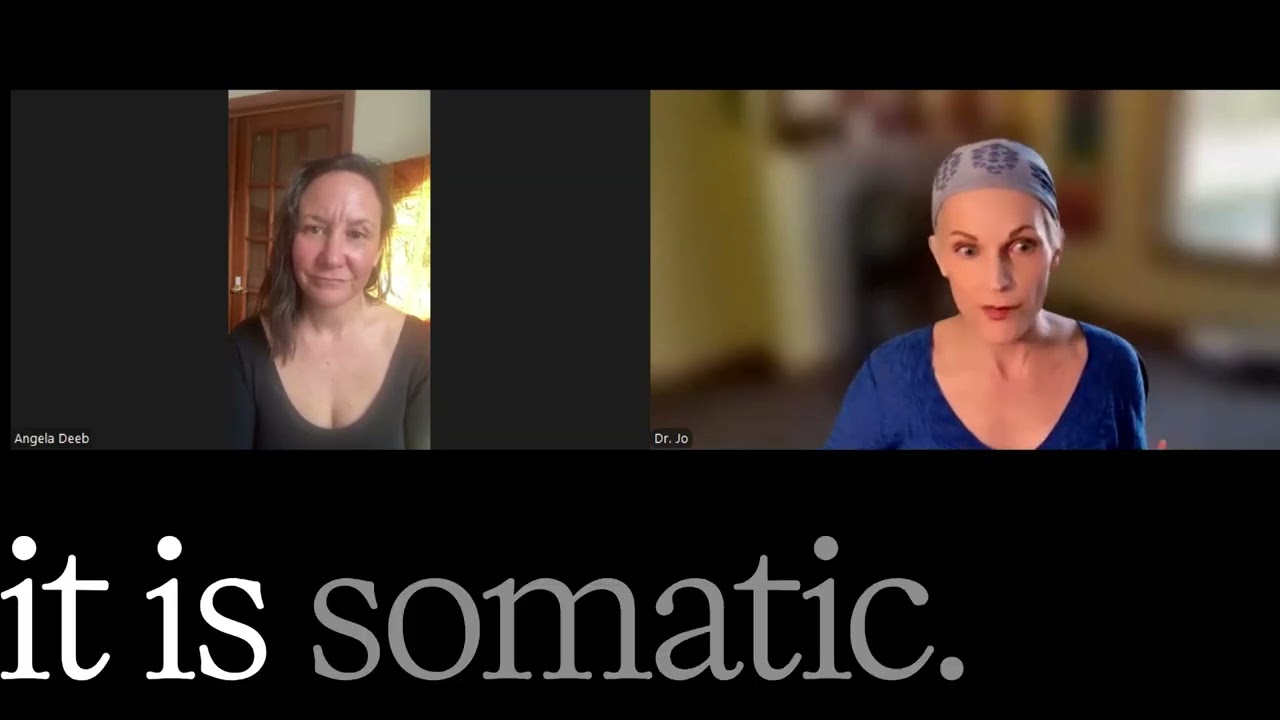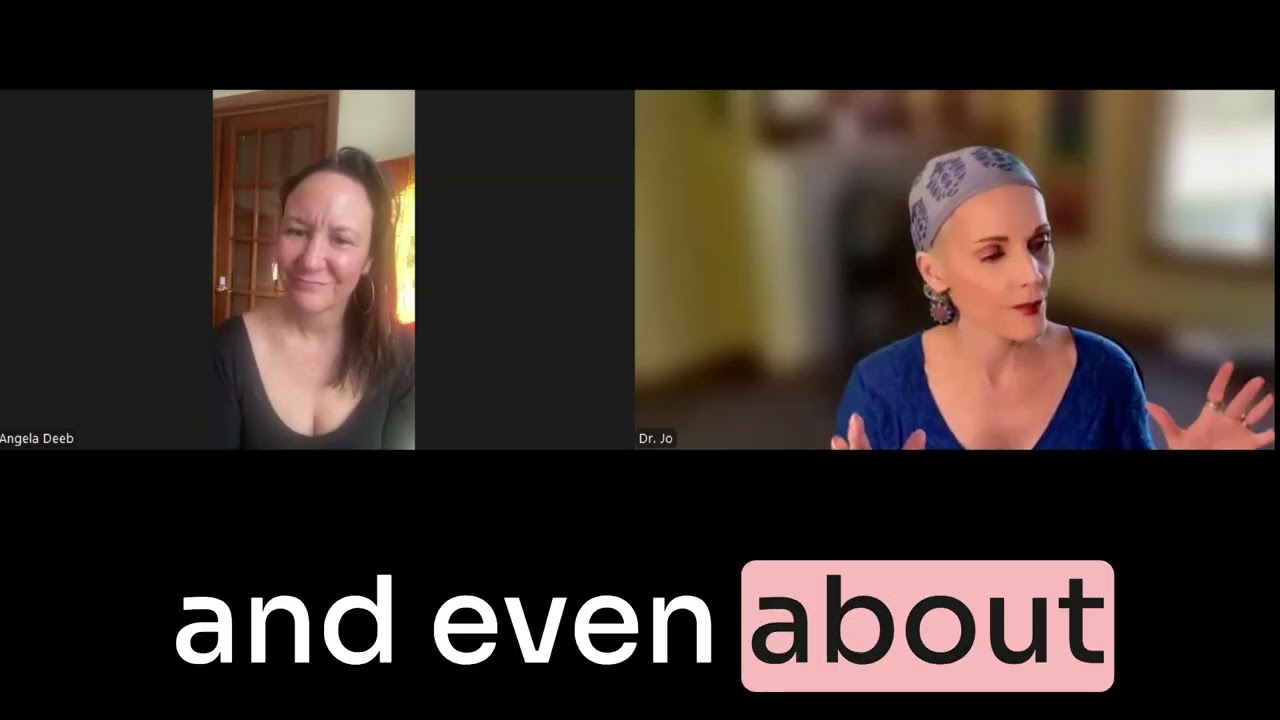
The speaker distinguishes between people assigned female at birth and raised with strict gender expectations, like being required to wear dresses, versus those who identify as female regardless of their bodies. She notes younger generations have more freedom to view gender as fluid and express femininity on their own terms, while acknowledging the two experiences aren't directly comparable.
Chapters
bring up that there's a conversation sort of brewing for me about female-bodied people versus people who identify as female. And, and our, our sort of— I want to say difference of opinion, but it's more like our lived experiences are very different. Yeah, for you and I, maybe the stereotypes of girls wear dresses— yep— was something that was enforced. Yeah, in our youth. Yep. And then younger women have been allowed grace to see their gender as fluid or to, um, embody femininity the way that they want to versus the way that they were sort of told to. And I feel like that's a— I don't know, it's sort of a hot spot, sort of a hot— it is. Um, and I welcome the dialogue, I welcome the conversation, but I also think it's kind of like— and, and this isn't really— they're, they're not really kin, but like, they're not apples to apples.