Sarah and Joy Brown explore the witch wound, a multigenerational trauma from historic witch trials stored in cellular memory up to seven generations. It manifests as fear of visibility, success, and speaking truth, plus betrayal among women. They trace ancestral patterns through past-life regression and discuss how the wound resurfaces in modern witch hunts like the Red Scare and COVID polarization.
Chapters
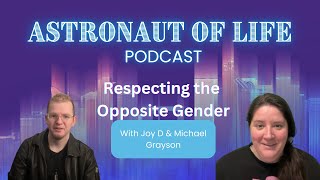
Hello, fellow Wanderers! My name is Sarah, founder of Big Soul Healing, and I'm here with my co-host Joy from Astronaut of Life, and this is the 7th House Podcast.
Sarah and I are astrological twinsies. We both have our North Node in Gemini, you guessed it, in the 7th house. We are here to talk, literally, that's what the 7th house is about, and we're here to talk about all things spiritual and bring the woo-ey into reality. So let's get started. Let's talk. Yeah, yeah, we're here. And today it's all about the witch wound. I don't know why I need jazz fingers for that.
Magic hands. I love it.
I remember years back, Sarah, when you were like discovering witchiness and you were like, you were like really into it.
And I—
this is like maybe what, 3 or 4 years ago? And I, um, I was a little slower to it and I, I was like, no, that's Sarah's thing for now, I'm not into that. But I came maybe 2 years after you did, so you're a little more knowledgeable than I am on all of this. Um, so I'm gonna hand it to you and explain the history on what a witch wound actually is, what it means, who has all that good shit.
So, um, Thank you everybody for joining us today, um, for our 7th House podcast. Like Joy said, we are doing— we are covering the witch moon today as our topic, and this is a topic that I love talking about. Um, like Joy said, I dove really deep into witchiness a couple years back. I'm trying to figure out what that meant for me as somebody who always believed in magic, um, who always believed in the healing remedies and the healing abilities of not just our own body, but what's available to us on the planet. And I've always had this strong disdain for authority, even when I was a really, really, really little kid. And as it turns out, this disdain for authority figures that come in and try to tell you what to do and how to live your life is part of having the witch wound. And I don't think that's something that I mentioned in our meeting house ceremony together that we did. But yeah, that's another one of those fears of the fear of authority. Because really a fear, there's the fear of authority, but I guess it could also be like the anger and the hate towards it as well.
That's more my wheelhouse. Yeah. Me.
It's more like, yeah, the questioning. Like, automatically, if you tell me that's what it is, I'm gonna believe the opposite because I'm just like, you can't tell me how to think. Um, so yeah, I've got— I've kind of got that going on too, which is why I think I've been labeled a little bit of a conspiracy theorist. But, um, because I'm just like, if you're telling me that, I'm gonna believe the exact opposite. But, um, bringing it back to the witch wound, This all started and is connected to the witch wound. This anger towards authority, this disdain towards authority, the fear of authority started as a part of, um, during the time in which the religious industrial type of complex started taking over. Religion started replacing connection to nature and spirit and the body, um, and different factions, I guess, of like the Romans and— I don't want to misspeak here. I know the Romans were a big part of it, like with the Roman Catholic movement that came through. There was a couple other factions that were in different countries that were coming in and taking over the witchy villages and the tribes, and the wounding that happened on an ancestral level. So When we talk about the witch wound and how we carry it, our cells hold the memory of our ancestors up to, I believe it's 7 generations back. It might go a little bit deeper than that even. But if we're looking at 7 generations back, that those memories, those traumas, those fears, those shames, those experiences that really shaped our ancestors get passed down to us in our bodies on a cellular level. So if you have fears that you're like, I've never experienced anything in my life that would make me scared of this thing, but I have this unshakable fear of whether it be heights or public speaking or sharing your truth or showing up as your authentic self. These could all be connected to fears that your ancestors carried because of experiences that they went through in their lifetimes. Now, if you look at the history of when religion started taking over, that was a very gruesome, violent time in history. The church wanted to maintain such control over how things were being done, what was being praised, what was being worshiped, what was being spoken about, how people even healed themselves, how people supported themselves. It was going from that very natural order of things, the way the villages worked with having a shaman or a healer to be the one that was in charge of making sure everybody was healthy, to then giving all of your pains over to God or Jesus and working with healing yourself in those ways and then moving into the medical industries. So in that really gruesome time when the church was taking over and telling everybody, um, that you can't do it this way anymore, they were also ripping women out of their homes, out of their villages, accusing them of witchcraft and black magic and doing the devil's work, so to speak. And any woman who was accused of engaging in those behaviors, even if she was just there mixing herbs to help heal her family and keep her baby healthy, or, you know, making different concoctions in order to help crops grow, or whatever it was, right? There was all different types of magic that was used in coordinates with the Earth that if you were practicing that, you were immediately accused of being a witch and you were put to death. And it was always a very public thing. You would be ripped from your home. You would be burned at the stake and have everybody forced to watch. You were drowned with heavy weights attached to your feet so that there was no way of getting out. Husbands and wives were ripped apart from each other. Husbands and wives were turned against each other because the church came in and convinced husbands brothers, sisters, wives, if you know anybody who's engaging in these activities, making these herbal concoctions, working with the earth, doing the healing work through nature, you need to tell us because this is really bad. And the mass brainwashing that was happening um, helped perpetuate the level of control that the church wanted to have on everyone. So they convinced everybody to turn against everybody. Call out the witches in your neighborhood, put them on the stand so that we can shame and burn them. And when this was happening, it was creating this inherited trauma, because not only are the women that are getting burnt, um, feeling that pain and feeling that betrayal from the people who gave them up, um, willingly or unwillingly, that carried forward in the lineage of the people who had to watch those gruesome events take place, right? And on a spiritual level, that energy, because energy never dies as we know, it just keeps going and you get reincarnated. So it's not just an ancestral wound, it's also a, um, it's also a past life trauma that can show up as well. So if you were the witch, um, if your soul had the lifetime of being the witch that was put at the stake, that trauma also lives inside of you. So you can carry this wound two ways. So this wound is a reflection of the gruesome awful traumatic events of the witch trials that happened throughout the— basically between the 15th and 18th centuries. It was quite a long period of time that the church was cleaning house, so to speak, and transferring everything over to their way. And tribes all over the planet were affected by this. It wasn't just Irish, like Irish, British, Scottish tribes. It wasn't just European people. It was also people in Africa, people in Brazil, people in, like, Chile and Mexico and, like, all of those. Obviously, they were different countries back then, but all of those land masses, all of the different nationalities, all of the different tribespeople The church was going and taking over everything, everywhere, as far as the eye can see. So this wound doesn't just affect white families, it can affect any nationality. And it doesn't just affect the women who were put on trial, it also affects the men who witnessed it, the brothers, the husbands, the fathers, the sons that were forced to give up their feminine, their female loved ones, um, so that they wouldn't lose their lives. And, um, it's carried forward in a really deep way by the collective population. So it's not just women, it's not just white people, it's not just people who are Catholic or people who were never Catholic. It's any nationality because the church went everywhere and destroyed as much of the communities that they possibly could that were living off the land, that were basically the indigenous populations of different land masses were all getting devastated and being told you have to believe in God and you have to build this church and you have to worship in this way now.
That happened in North America too, right? In the US and Canada. Maybe they weren't calling the Native Americans witches, right? But there certainly was a, we're going to take your children and ship them off and indoctrinate them. Yeah, exactly. Kind of. I can't think of the term, but maybe you know what it is. But is it gentrification? I'm not pronouncing that right.
Indoctrination, I believe.
Well, that, that's definitely it too.
Yeah, yeah, I think that's what you were trying to totally dismantle that. Yeah, basically the dismantling of our connection to the planet. Um, if your community, your lineage, um, was affected by that in any way, you might carry a witch wound. Now, your culture may call it something different, um, but this is a big wound that affects many, many cultures.
At least back in, um, like after World War II, there was that— the Red Scare, right?
Where—
about communism and who's a communist. And it kind of has— to me, it has the same energy of like, um, seeking them out, outing people.
Yeah, if you don't believe what I believe, you're— yeah, you know, you gotta go.
But also, um, I guess the way I experienced that in my life so far was after COVID, uh, when they came out with that vaccine, like, who has it, who doesn't, who's, you know.
Yeah, that was a very witch-hunty time too because it was turning people like into believers of this is the way you have to go, and if you don't, you're a bad person and you're trying to kill grandma because you don't want to get a shot. And it would make you feel guilty, and then other people would make you feel guilty about it. So it was like that double whammy of like, believe what we believe and do what we tell you to do, or else you're going to be ousted by your community. You're not going to be able to go anywhere. You're not going to be able to do anything. You have to hide in your house because nobody's going to want you around as an unvaccinated person because you're dangerous all of a sudden. Like, just because you don't believe what we've believed and you didn't do what we wanted to, now suddenly you're labeled as dangerous. And that was exactly what was happening in the witch times. Yeah, I mean, and in the times that you were mentioning too with the communism.
Well, those are just what came to mind. I'm sure that—
yeah, yeah, it's a really interesting reflection about how that cycle repeating though.
Yeah, and it— well, it can, it can be political party, it could even be race, right? Um, it's, it's a certain frequency or energy that you can just— I don't know, you can sense it, or I can. Um, and the only one I've personally experienced would be that vaccine one. And then it was wild to experience that, you know.
Yeah, we're lucky that as people— because I also, you know, wasn't somebody who got vaccinated because of my health history with vaccines, but I like the way that I was seeing people just get ousted from communities was like This is, this is wild. And I'm glad that we got to experience that in a way, but at the same time, I'm even more glad that we aren't at the stage where now we're pulling people out of their homes and burning them at the stake. Because yeah, people like you and me totally would have got burned at the stake.
I would not be here doing this podcast.
No, we would not. That is very, very true.
I have another question, Sarah. Yeah, um, because I've done a past life regression and the very first thing that came up was I was this old lady witch in the woods, the village healer, delivered everybody's babies. And I got— so for me it's more past life or parallel life, how I like to say. But, um, but yeah, they, they murdered me because of all that in that parallel life. But that's not actually what I want to talk about. Um, it was very connected to the fairies and the fae and like the other world as this old lady. And it was a weird experience. Obviously any past life regression is gonna be a little weird.
Yeah.
But, um, like I could see what she would see and just how she interacted, or I, you know, I we want to word it. Um, and I even have that in my life now. Um, is that witchy? That, to me, that feels witchy to be like a— well, just really deeply connected to those things, right?
Yeah. Well, when, um, when we're looking at the witch wound, it's basically like It's connected to anything that can be considered like magic or mystical thinking, or, um, anybody who is connecting to spirit or the unseen or the unseen realms. Because you even mentioned the other world, that's a whole other realm that you can go into in shamanic journeying and different indigenous practices. Like, there's a whole group of people that can just drop into other realms and other other worlds through spiritual practice. And anybody who is engaged in any of that was labeled a witch. So, yeah, in those times, if you even so much as believed in a fairy or a nymph or something magical, you would be accused of being a witch and burnt at stake. Like, you couldn't even think about magical things. Without somebody coming to find you and, and judging you, right? So if you were connected to that type of realm and somebody in that past life or past experience found out about it, they could very easily go and tell somebody and have you ended, so to speak.
Well, that's what happened.
Yeah.
Yeah, and I was really pissed about it. That's— and that's what I remember in that past life. I was like, I delivered all your babies, like, are you kidding me?
Yeah, well, there was—
you with your broken leg—
the very angry—
had a lot of anger.
Yeah, and there would be a lot of anger around that because of the level of care and love that you put into the community, and then to be betrayed in that way. Rather than be stood up for and protected is really disheartening and scary and unpleasant. So those wounds, those traumas get passed down, and in the next iteration of life that you come into, the next lifetime, or the ancestors that precede that, um, that witch, then I've lost my train of thought. Um, oh yeah, the, the way that those traumas show up is very prominent. Like, for someone who went through what you went through in that lifetime where you were ousted and betrayed, you might have trouble trusting other women or other spiritual people, because in those times Nobody was safe. There were spiritual people and witches that were practicing that didn't want to be found out, so they would turn on their neighbor, they would turn on their sister, they would turn on their best friend even, because it was so terrifying where it was like, you have to give us somebody and we're going to burn them today, and if you don't, we're just going to burn the whole village. So somebody speak up now. And so in order to save big sections of the village, some people would just speak up and point out anybody to try to save themselves or to save their family, even though they were practicing in magical thinking and magical behaviors as well, or in healing behaviors or connecting to other realms. So there was a lot of distrust, and this is why, um, this wound shows up in this level of like, I don't know why, but I don't think I can trust other women, especially because there were magical women turning on magical women all over the place just so that they could save themselves, they could save their little family unit, and or save the village. Or, you know, they might have been told, if you give us one person, we'll just burn them instead of burning all of you. And then subsequently they would burn that person and then find out there were more witches in that village and come back, you know. So sometimes your lies would save you and sometimes they wouldn't.
Would you say that's the sister wound, is, is being betrayed by other women in the past and stuff? And then, yeah, um, I know that's happened in my life as a teenager, as an adult. Right? Um, and it— oh, it hits different than getting betrayed by a man. To me, it almost hurts worse in a way.
Yeah. And if you're listening and you had— have that kind of experience where you're like, oh, well, I do have a lot of trouble trusting other women, or I'm very judgmental towards other women, um, or like I'm, I'm always comparing myself to other women. If you have that type of trauma or those types of, um, behavioral patterns where you find yourself in them, it could be connected to the witch wound. It could be connected to a past life situation or an ancestral situation where you as a soul in the past or an ancestor of yours was betrayed by a best friend, a sister, a mother, a daughter Somebody might have ousted you in that past life or ousted somebody that is in your family lineage. So that would create a very strong distrust now or an apprehension towards wanting to join groups with other women or be friends with other women. I know a lot of women that are like, oh, I'd rather be friends with men. And maybe they don't even necessarily know why they feel that way. It's just a very strong go-to response to surround yourself with men instead of women, because in those times it was more likely that somebody would point you out to get burnt to save themselves, because that's just the way that it was. Um, so the witch wound and the sister wound are very, very interconnected. With each other. And if, if you have one, it would be in your benefit to look at some of your ancestral history. Do you have witchy lineage? Like, I know I have witchy lineage. I have, um, my oma and her sister grew up in the Black Forest of Germany, which is very witchy type of area. And, um, I know their family even beyond my grandmother, like her mother, she grew up there as well. So, and they were foragers, they were herbalists, and they made everything, their own medicine, their own teas, their own foods, their own spices, from stuff out in the forest. And my grandma, my Oma, she would go foraging at the age of 3 years old with her older sister. And like, she was learning about plants that had healing properties and things of that nature. So like, I know I have a very strong witchy lineage through her, and a lot of the— I mean, I could get into it a little bit, but I, as someone who also has mediumship tendencies and abilities, um, I've spoken to my Oma and she's given me some recipes for healing my own joints and inflammation. So I know very strongly that my lineage is connected to witchiness. And I've also had past life situations where I've been in dark magic rituals, light magic rituals. I've been in ceremony. I've, I've been in these situations many, many times as a soul and in my lineage. So when I started discovering about the witch wound and ancestral trauma, I was like, oh my God, it makes so much more sense. Now. I had like the fears, the shames, the things that I was avoiding and not knowing why. Um, it all— a lot of it came from that. And if you want, I can kind of go into the list of how this shows up and what it translates to.
Let's go through the list.
Yeah, do you wanna— do you wanna share the screen and post that list up and then we can talk about each one, or How do you want to do that? So we've got quite a nice list here about how this wound shows up for people. It shows up in mostly fears and shames. This wound stops us dead in our tracks from showing up and being visible. So when we look at visibility, and I know Joy, you and I have both talked about our issues with visibility and like showing up, putting ourselves out there, even when we want to, something inside stops us from that. And that fear of visibility comes from the witch wound because it's, um, the more you put yourself out there and did what you felt authentically true for yourself, the more you would be looked at as somebody who is engaging in, in witchy behaviors, and you would be pointed at as a witch more often than somebody who is just staying at home, minding their own business, not putting themselves out there. Um, so keeping yourself hidden and not talking about your abilities, not sharing them was very prominent in those times, because the moment that you did anything remotely magical or witchy, even mentioning it, you would be put to the stake. So visibility was a big one. The fear of success, because many witches had— or there were kinds of witches out there that are very good at conjuring. Me, in this lifetime, I'm a good conjurer. I know how to tap into that energy that's in my lineage. Success meant that, like, say you were in your village and you had a really successful harvest and all of your neighbors didn't. You would be accused of being a witch. What magic did you pull to get more crops than the rest of the tribes out here? What are the rest of the family units like? What magic are you pulling to get more than us? You must be a witch. So anytime you had success, success, you were accused of using magic to get it, and that could very well end your life. So nobody wanted to be more successful, nobody wanted to have more, do more, or be more than anybody else. It was just all about blending in and having the same level as everybody else because you didn't want to be accused of conjuring that with magic.
Um, have you ever read the book 1984?
Uh, I will admit I've read part of it. I should probably go back to it. Well, you know, I was supposed to read it in school and I never actually finished reading the book.
Well, it's worth it, but, um, I should finish reading that.
It's— that was another one of my authority things. I'm like, you can't tell me to read this book.
Well, I will invite you to read it at some But, um, well, if, if for the listeners who have read it, to me this is— that would be a retelling of all of this in a way.
Yeah, yeah, the parts of the book that I do remember, yeah, you're absolutely right about that.
Well, very much don't want to be different. Everybody conforms. Conformity is, and it was Conformity Keeps You Safe. Yeah, yeah. And of course the main character doesn't conform, but you know, he struggles with that, right? Um, sorry, just, just making connections.
No, no, I love it.
Hello, literary sci-fi people out there like myself.
Connections and recommendations, love it. Yeah, um, that also goes into like, you know, the fear of being too much, too different, um, too emotional. Like, if you have a big personality, you were accused of like, okay, there's something going on with you, you, you need to be conforming. If you're not conforming, there must be something that you're doing here that is making you stand out. It's drawing our attention towards you, you must be doing something to make yourself bigger than everybody else. And you can't do that because the moment that you shine brighter, are too big, too much, too different, you stand out like a sore thumb. Therefore, you gotta go. You're a witch. So that was a big part of it as well. There were a lot of— there's, for me, This kind of shows up the speaking up one, fears around speaking your truth. Like if you know somebody's saying something that's inaccurate but you don't say anything, you don't step in, you don't speak up and share what's true for you or for the situation, that also comes from the witch wounding because the speaking against the church, speaking against what was happening you automatically were labeled as, okay, well, you must be trying to protect somebody or something. You're against us, therefore you must be with this situation and you must be put to death. So the speaking up one was really big for me, and that's a wound that I've overcome pretty much now, but I've struggled with that A lot. Like, a lot.
It's one of the reasons we're making this freaking podcast, right?
Exactly. So then we can speak up about the things that freaking matter to us and not be afraid to do it. So yeah, yeah. And then again, that kind of ties in with the showing up authentically. Um, you don't want to accidentally show too much of yourself because that could be labeled as witchy, magic, mad mystical thinking. Um, if you show too much of yourself, they might be able to see that you can tap into these other worlds, these other realms, this other knowledge that they don't want you to be tapped into. So a lot of people were forced to play small and fit in with the crowd instead of showing up so that they would not be accused of such things. And then also, like, so that covers a lot of the fears, as we touched on a little bit earlier too, like the fear of authority. When somebody comes in and proclaims that their authority, and they come riding in on their horses, and they're burning things down, and being absolute bullies and tyrants to these little villages and communities, and proclaiming their authority against you, of course you're gonna carry fears of that, right? But there's also the distrust of authority because you know that these guys might literally be riding in on their high horses, but I don't trust them one bit because I heard what they did to the village that they just came from, and that wasn't good. So that fear, that distrust of authority is another one that's not on this list, And then, yeah, Joy, did you have anything that you wanted to like add on that? Is there any fears there that you notice show up for you or have shown up for you in the past?
Well, I definitely have been told I'm too emotional or like I've had multiple people in life typically like exes. Exes, you know, males who get very attached. I don't know, maybe I'm wording this all wrong, but they like me when I'm happy and I'm silly and happy. Who doesn't? Yeah, right, fucking who? But I can't be that way all the time. And so when I was in a different state, um, sadness or even like anger Um, it was just like, man, I wish you were happy. Like, I just wish you would be happy right now. Like, I don't like you this way, is what they would say. And it— of course it hurt my feelings because I'm like, dude, I'm a human. I'm gonna show more than that emotion.
Yeah.
I don't know if this relates or not. It, it could be something else. Um, but I'll say it anyway. Also, like, when I'm expressing anger, not even about another person, just, you know, maybe I'm PMSing, maybe I'm just stressed, but I am expressing it, um, and they can't hold it and it triggers them, and then they start being mad that I'm— that I'm that mad, and then I have to sober up real quick and not, you know, push my anger down to calm them down. Oh, that pisses me off so much. I don't know about it though.
Um, yeah, because it's somebody— I think it, I think it can relate because when we're looking at emotions, that's energy in motion, right? That's your feeling of the situation, the energy of the situation is moving through you. And in witchy times, that was seen as— because it's energy in motion and you're expressing that, it's like, well, now you're working with energy, you're working with these big feelings, you're letting them move through you. That must mean that you're some sort of magical being, some sort of magical person, because you have the ability to tap into your feelings. And when somebody is coming in and making their feelings more important than yours, oh yeah, that's— I would say that's at least a little bit connected to the witch wound, because it's like your feelings aren't as important. I'm allowed to emote in the way that I want to emote, but if you emote the way that you emote, then there must be something wrong with you. You must be, you know, worthy of putting on the stake because you're, you're too attached to this energy in motion. You can feel it too deep, too deeply. Yeah, well, for, for my comfort, like, you know what I mean? Like, if you're feeling that too deeply past my comfort level of it, then I, I have to stop that, or I have to nip that dead in the bud.
That's weird. Because, well, you'll know what this means, Sarah, but my moon is in my first house, so my emotions are very on my sleeve, in my body. I literally am that emotion when I have it, and that's just me. Yeah. And oh, I move through them very quick if you let me do my thing, but if you pause it and interrupt then I get all skewed. But that's also a thing for me, right? And it shows who I was attracting and all these things, right? Very layered. But, um, we won't dive into that. But I think we haven't gone to the shame part, but that's where looking at this list— the intuitive gifts, individuality, sensuality, healing, spiritual intimacy, I feel like that's where, um, maybe more my stuff is than in the fear stuff.
Yeah, yeah, I can, I can see that too, just in, in our interactions with each other. Like what you were saying about your emotions, I've seen you move through emotions really quickly, like kind of a master of that now at this point.
Thank you.
Yeah, you're very, very good at that. And I see, like, you know, when given the right space, you very much can move with that energy and let it move through you instead of taking you over, which I very much admire you for. Um, that's not something everybody can do, and it's very magical. It's very good. But then, yeah, when it comes to the shames around these things, it's also when you look at, um, the way that the church came in and was like, this is what we believe, and anything other than that is wrong. So you are literally told that everything but this, everything you've been doing your whole life, is wrong. And when you are indoctrinated and, quite frankly, brainwashed enough to believe— and they used fear as a way to brainwash people because, like, you know, the more trauma that you can induce through fear and putting somebody in a state of fear, the easier it is to take control of the way of thinking. So if you make them scared and then shame the crap out of them for their intuitive gifts, the way that they've always done things, the way they express themselves— witches and like healers of the time used a lot of sexuality and sensuality in their healing practices and magic because the womb, that lower energy center, the sacral around the womb, is where life force comes from. So it's— if you can shame women into thinking that their sexuality is evil, bad, or wrong, when sexuality is the, uh, and like sexual acts are literally the way that life comes to be, and now we're shaming that, um, that takes away the power of the woman, that takes away her ability to create and build life and makes her feel like her body is shameful. So if we can make her believe that that's shameful and she shouldn't be using, swaying her hips to get energy moving, to create life force within her, to then do something creative or beautiful with her energy, then we can now, you know, take more control over these things because women feel depleted, they feel isolated and depressed, and like their bodies are bad and wrong. And the level of shame that was put on that, like even just showing up as your authentic self, like you can't do that. Who do you think you are showing up all magical like this? Like you can't do that. You have to conform. Like what you were saying about the 1984 thing, like you gotta conform. And if you don't, you will be shamed. If you have any gifts that are intuitive in nature, if you have natural healing abilities, you are shamed for that as well. Because, oh, only witches do that. And are you a witch? Like, you can't heal people like that. That means you're, you're a bad person. You're evil. Um, and along with like any other spirituality that wasn't believing in God and the church, right? It was like, that's shameful. You can't, you can't believe in the powers of nature. You can't do that. And like the same with intimacy, it was kind of seen as any— especially for women, it was any woman who had the ability to tap into intimate relationships and intimate conversations, intimate connections. It was seen as, what type of black magic are you putting on me to make me feel so enthralled by you and to make me feel so magnetized to you? That must be some sort of sorcery, some sort of magic. So any type of woman, or even some men who were showing really intimate, deep connections with each other, they were also, you know, put to the stake because it's like, what type of magic are they doing together to draw them in? Or if you were, say, seduced by— if you were one of the men from the church and you were seduced by one of the women from the villages, they would assume that the seducer, the woman from the village, put magic on him. He put— she put a spell on me to make me fall for her. That's like, no, that's just human interaction. But there was a lot of shame around that, and they used that as a way to accuse women of being witches and being, you know, magical, mystical thinkers. Like, what kind of spell did you put on me? I would never in my wildest dreams think of this nature of this lowly peasant woman. But, you know, so I'm gonna blame this intimacy that I'm feeling towards her as she's a witch and she must have put a spell on me, if that makes sense.
So, I mean, A lot of it's just people being people. Yeah, it's not witchy at all.
Yeah, but they would very much use these very human interactions and experiences as a way to accuse anybody who was doing something different from what they wanted them to do as being a witch, so that they could have ultimate control and put them to death and put a stop to that, so that there was more fear and in the communities and the societies so that more control could be taken.
Can I share an experience I had? This is almost 20 years ago when I was like a freshman in college. I went to a Christian college, Oral Roberts University. Hopefully nobody knows about that, but if they do, you know what I'm talking about. Um, and I was what, 18, right? And I was very much into Christianity. It was my whole life then, right? But I was also the— in a way, still me at my core. And I was developing my intuitive gifts. I had them as a child and they were they were still around. And I, um, I thought I had this message from God or Jesus, whoever, I don't remember. I would, I would essentially do automatic writing, but I just assumed it was Jesus or the Holy Spirit or, you know, some Christian funnel for it. And there was a boy that I don't even know if I had a huge crush on him at the time, but I wrote something that like, uh, there's a possible timeline where him and I get together. And I, I don't remember why, but I told my RA this, uh, because I lived in the dorm, so she was an older, um, you know, student. Who kind of mothered all of us girls on this dorm, right? And I confided in her. So this is more sister— we're getting into sister wound stuff, right? Yeah. For this vulnerability thing. So I'm using my oracle sight, picking up on this timeline. This is intuitive gifts, right? And I'm telling her this, and literally then she told her roommate, who then told all of my friends, and it got back to the boy, um, that I was mentioning. Come to find out, my RA had this huge crush on him, and obviously it triggered her to hear me say, oh, something might happen. I have no idea, I'm a little 18-year-old, right? I don't know.
Oh yeah.
Holy shit, Sarah, I got ostracized. I mean, I was made to feel like I was I was like, shit, how could I dare go against these two people, right? For a history I had no idea that they had, because they were both juniors and I was a little freshman, right? And of course it was in a Christian environment, so it was like, what, who are you that God would talk to you, tell you these things, little Joy? And so the whole second half of my semester there was just horrible. Um, my— they were monitoring if I looked at him too much or something. It was crazy. Um, and of course it was very weird to internalize all this. Yeah, you're like, I— like, did I actually do anything wrong? I don't feel like I actually did anything wrong. Like, I just told the wrong person. You know, and she betrayed me, and now everybody fucking hates me, and I did not go back to school there. That was my way of dealing with it. But, um, to me, this is an example, a lived one, right, of, of how this all can play out even today, right?
Yeah, yeah. And it's— I, I love that reflection because it's That's exactly what it is. You tell one person one thing, and then they take it and use that against you for their own safety, their own comfort, their own whatever reason they have. This is how that cycle continues and plays out, right? So you, you thought you could trust somebody with something that was intimately true for you, you, and it got taken not as something to support you in, but something to use against you. And that's, you know, very much the witch wound. That's the same type of cycle playing out, that not being able to trust other women, having to keep your mouth shut, not being able to share too much, not, you know, like you really have to zip it, be quiet, not say anything, not show up authentically, not share what's true for you, not speak up. You gotta keep quiet or you're gonna get ostracized. Like, there's a modern-day version of that playing out right there.
Yeah. Yeah, that's why I mentioned it, because I'm like, yeah, you know, yeah, to give a lived example of like, this is what it can look like, right?
Yeah. And that's great that you bring that up too, because it's like, well, okay, great, I've got all these, you know, these shames, and I can resonate with some of the fears, and— but like, how is that actually showing up in my life? What is the correlation? And it's It's like taking an ancient thing that happened and modernizing it, and it's like just that same cycle of like you shared a truth with somebody and it got used to burn you at the stake proverbially, proverbially, you know. I'm not saying that word right at all, but proverbial burning at the stake is what I'm trying to to say.
That's what it felt like. I mean, to have all my friends literally shun me. Yeah, shun the unbeliever. No, that's— yeah, all right. But, um, we'll do a little plug because we, we already discussed off camera what we're going to talk about next month, and plays in as well with religious trauma.
Yeah, right.
Yeah, because I was at a Christian school. It was in that kind, you know, that bubble, very much bubble. Um, Oral Roberts, I don't know what it is like now, but at the time I went in the early, early 2000s, it was, you know, um, evangelical Christian school. So it, um, yeah, that, that played into it as well, um, because, um, there's so many ways she could have handled it, right? And explain, like, well, like, let's dig into this. Why do you think God is telling you this? Like, do you think it could be— you think it's a fact, or is it, you know just a possibility. What are we working here with, Joy? No, it— I, I know I told her, and I just vaguely remember doing it. I mean, like I said, it was almost 20 years— actually, it was 20 years, over 20 years ago now. Yeah, but, um, yeah, the, the tie with religious trauma and this, since it was for the church, that was the driving force around outing quote-unquote witches, right? Yeah, some were even witches.
Um, yeah, some of them were just the indigenous tribes and communities and villages, right? It didn't— whoever, whoever was there first and living off the land and working with energy and spirit and Mother Nature and their own intuitive faculties and trusting their guts and their bodies. Anyone who was doing that, basically the church was like, nope, nope, nope, nope, nope, stop, stop that, we're not doing that anymore. So yeah, it's really— they are really, really connected, right? Because there's a lot of, um, even in those times there were a lot of people who dropped their belief systems and their, their desires, their intuition. They dropped it all and started believing in this thing that they were told to believe in. So they lost themselves in that. And that list of shame is carried over to the religious trauma because there is a lot of shame around ignoring your true spirituality, ignoring your gifts, um, you know, keeping yourself shut down as a way to stay part of the now religious community as opposed to the, um, like the villages. And you know, now you're giving everything to God and being of God. So a lot of those shames carry over from religious trauma to the witch wound trauma, and they're all very deeply interconnected. And I know that I've helped you with the information that I know about Jesus, and I'm a firm believer that Jesus was one of the first witches. Mm-hmm. That's just me though, and we'll get into that a little bit more in our next episode, in our next discussion, because it's really interesting, even the way that Jesus, you know, was ostracized and like put to death, um, by the people he trusted most. It's, it's kind of the same thing, guys. Like, not, not sure how the church hasn't figured that one out yet, but—
well, I'm also thinking of the Protestant Revolution, right, with Martin Luther King— not Martin Luther King, Martin Luther. But, um, you know, and just not conforming to Catholicism and having to flee to the Americas for safety and stuff, or, you know, hiding in secret. So it's played out. So it's like a— I'm sure even before, um, this, you know, the 1600s and stuff with the witch stuff, it was probably still a cycle, just in another form, right? Yeah, yeah, that's just quote-unquote more modern version. Um, yeah, well, I mean, we're talking about religious. The Jews in the Bible would also— they were always persecuted, right? There's that whole thing again for being other, for worshiping one deity versus multiple. So yeah, it's this whole—
yeah. Yeah, this persecution imprint, um, that happens, that's all connected through religion, um, is very, very big. It's— it goes deeper than just the church. It's— yeah, the, the persecution thing is big. It's heavy. It causes a lot of trauma and turmoil even in today's world.
I also view it as like a perverted, distorted way of trying to force unity. Yeah, um, because we all, like, we're trying to create a utopia, but we're doing it with force and, like, conformity. And of course, that's not, you know, celebrating our individualities and the unique gifts we all have and using those to come together as, like, you know, this beautiful woven tapestry or some shit. No, it's, it's trying to cookie cutter everybody, and we're, we're just not, we're just not cookie cutters, you know? Um, yeah, so it's this polarity dance, and to me, this conformity stuff is, yeah, the perverted distorted distortion view of trying to force unity so everybody can be quote unquote happy right? But it's not— it does not foster happiness. It suppresses it for even those that are conforming, because they're shoving down their authentic self and their truth. And they— like, there's that wound too, of like, I didn't speak up, I did have to betray this person, right, for my own self. And now I have this guilt and shame that I in that. And it goes both ways. Like, nobody's getting out of this clean.
Yeah, yeah. And that's the thing too, the witch wound doesn't just affect those, um, in the lineage or past lives of the witches and the village people. It's also affecting the people that came in and did the persecuting, um, because to have the cellular memory of willingly doing that to another human being is that can create a lot of shame and a lot of guilt as well, right? Like, you might not know, you might have this insane fear of your actions hurting somebody else inadvertently, or, you know, not knowing the power of your own words or your own actions and just being you so afraid that you don't speak up or you don't act, you don't move forward because you're afraid that that's going to hurt somebody else. If that is something that you're carrying, then that could be a very good reflection that there is a witch wound there. Because if you don't know why you're so afraid of hurting other people, it's most likely that it's connected to a past event. It's connected to something from your lineage or from a a past life pattern or alternate reality pattern, as, as you would put it, Joy. So, um, these things also, like, it affects both sides— the ones that were persecuted and the persecutors and the lineage of that. Because I, like, I have that, um, ancestrally. Like, I carry shame from my grandfather because he was— he fought in World War II on the Nazi side, and he was right out of high school when he did that. And I was always very aware when I was growing up of my actions and how I was affecting other people. And I was kind of— I kind of tiptoed around certain things because I didn't want to accidentally hurt somebody else or do, do something bad to somebody else. Um, when I— especially when I was really, really young, I had that. And that was carried on from, you know, you're a little kid, why, why would you have that fear? Why would you be so cautious of other people and how your actions affect other people if there wasn't something that had been done in a past life that there's deep regret and shame over, um, that's like lingering in my cellular structure? So yeah, that, that could be another part of it too, right? Like, if you are very cautious about how you show up and you almost find yourself in a state of freeze and not wanting to take action, it could be connected to that shame of, you know, somebody played out in my life that one more so around myself, like not voicing, standing up for myself and just letting things happen to me.
Like abuse or neglect or whatever, or just bullies, right? Um, yeah, I mean, yeah, there's— and I had to realize that the shame around that was because, uh, was around myself. Like, yeah, yeah.
And that could be too in, in the witchy times if you didn't speak up and be like, no, I am not don't do this to me. Like, if you were just like, you kept your mouth shut to keep your village safe, that would be another part of that too, right? So yeah, why would I speak up if I knew it was going to hurt other people?
Yeah, yeah, it's, it's a layered—
there's so many layers.
I love it, I love it though. I love playing with and, you know, just exploring them because, I mean, there's both sides and they're— they both hold pain and they can— you can have them both reflected. I'm trying to think of an example of like an actual story for the other side that I've lived, but I guess just, um, oh, just thinking back to childhood, seeing another kid get bullied and knowing it was wrong but not saying anything, right?
Um, or, um, for me, I— this is not super nice to admit, but I at one point, um, joined in on the bullying so that the eyes wouldn't be on me. And because like, I'm like, well, I've got some disabilities, I've got some stuff people could make fun of, but if I'm just as ruthless to this person as that guy's being, then they'll all think I'm funny and it'll protect me from being the next target of this awful joke, because I do not want that. So like, if I can be just as good of a bully as that guy, then nobody will look at me like I'm the next person to laugh at. And I've had to do a lot of shame and like regret um, healing around that because I'm not proud of that. But that's a real world, you know, like that's, that's me persecuting another person just so that I don't get fucked. Like, you know, that's how that would show up. Um, or that's an example of how that would show up.
There's other ways, but now I'm thinking of politics, um, and, and putting the blame on others. I am I'm not gonna lie, I don't— I don't know if I ever— the only person I ever really bullied was my brother, uh, because he would annoy me. But that was when I was very young, right? Um, yeah, I, I was more the just didn't stand up for people and just, you know, maybe like you, it was freeze effect. I don't know if I was necessarily worried about getting made fun of myself. I was pretty much always— I had a very little high voice like this, so I was always teased. But, um, um, but I, I do remember a few times saying something or, or going to the, the other kid after the bullying I'm trying to give comfort, but even then it wasn't— I didn't stand up for him, right? I'm trying to be nice after the fact, which is kind of good, but it's not like— well, not the full thing, right?
Yeah, it's interesting because I'm just realizing— I was like, wait a minute, because like I did both things where I was very, very cautious about what I said when I was really young because I didn't want I didn't want to out other people. I didn't want to make anybody else feel bad. I was feeling that shame of like, you know, I've hurt people in the past, or like ancestrally hurt people in the past. I don't want to do that again. I'm very cautious of my actions now. But then also later in life, in my like adolescence, I developed that protective mechanism of join the bully so that you don't get hurt. So like, I kind of, kind of been on lots of different spectrums of this throughout my life. What?
That's— I don't know, in a way to me that's the beauty of it though. Yeah, not necessarily beautiful, but it— to me it is in a way, because it's like we've all lived a lot of lifetimes and we have a lot of ancestors, right? So it's not like you just have one and done. Yeah, my great-great-granny was a witch and this was that and that's my one wound. And like, nah, fuck that.
That's everybody's. There's a lot of stuff. We got trillions of cells holding trillions of memories, right?
Kind of, you gotta have— you gotta look at it all, you know, good, bad, and ugly, right? Yeah. Um, whether you're the bully, the victim, the stand, you know, the passive stand-byer. It, you know, all of them have issues, and, and you might have to explore every single aspect of it when you really dive into this wound and look at it in yourself, in the life you are, like the body, the life you are in this reality, is what I'm trying to say. Yeah, yeah.
And I know also, um, just talking about like who this affects, how it's affected— like we covered the sister wound being connected to it as well, but there's also— I touched on it a little bit— but the, the men, um, being affected by this as well. If you're a man and you have a hard time trusting women, um, or if you find yourself generally judging women or being harsh towards women, um, and you're, you're not sure where this pattern of behavior came from. It could be leftover remnants from that, um, you know, standing up for yourself. Like, you not only were you made to put your woman on the stand, so to speak, and be like you know, or your mother, your wife, your sister, your daughter. You were not made to just tell on them, but over time you were brainwashed into believing that they were evil and bad all along. So this woman that you loved was evil and bad all along. So then it starts to create this kink in your brain where you're just like, okay, well, I love her, but I don't know if I can trust And if you find yourself having trouble going into deep trust with women, it could be part of the remnants of that indoctrination of that. There's also the— how it shows up in men comparative to women. Men are wired to protect and to provide for. So in those times, there was no protecting going on. It was you either burn with your woman or you out her, or with the women that you love or you out them. And so it also shows up in this, um, this feeling of inadequacy and unworthiness because you were not able to provide that safety, that protection, um, to the women of the tribe, which you're hardwired as a man to provide, especially way back in those times, it was even more ingrained in us to— as are in men— to be that provider and to be that protective strong force, to be there to make sure that the women and the children are being taken care of. If you can no longer do that, there's huge shame and guilt around not being able to provide that protection. So it creates this deep feeling of inadequacy, this deep feeling of unworthiness, the lack of self-trust, because you cannot trust yourself to be able to do the thing that you're meant to do as a man. So if you're noticing that you are having self-trust issues or issues around this as a man, it could be connected to witch wound history. Yeah, different, different wounds in your lineage of not being able to protect to the women of your community and the women that you loved. So, yeah, very interesting the way that it affects everybody.
Oh yeah. Well, I think we're winding up, right? I want to mention that I think we covered most of it. We did. I have notes and we did an amazing job. Good, good.
I'm glad.
So now on November 15th is our next meeting house meeting. So that's just a Zoom call, or actually technically a Google Meet with Sarah and I. Sarah creates a gorgeous ritual for us and I create a guided meditation, and we do it together as a group, both the ritual and the meditation. And as we hint, as we we talked about before, in November the focus is going to be around religious trauma. Now we have not made our ritual or meditation yet, so we can't really tell you exactly what those are about, but this is the general theme of that we'll be exploring on our next podcast and our next, um, meeting. So if that's something that interests you It'll be at 12 PM Eastern time, so that's 9 AM Pacific, right? Um, Sierra's on the West Coast, that's saying that, but, um, and I have no idea what that would— that'd be like 6 PM in the evening, maybe 5 PM if you're in Europe. So we're trying to do, you know, get everybody on a very long, widespread spectrum of the globe to come. So, um, we'd love to have you.
Yeah, it's very—
it's an intimate space, and, um, and it's— yeah, oh, it's good.
It's really good. We have some powerful shifts and realizations. Um, the— we usually do like a little bit of a run-through about the theme, um, a little bit of history about why we've created, um, this and what we think it would be helpful for. And then we'll usually do like a ritual, um, that I put together that really helps you look in depth, um, at how you're carrying this and what you need to do to help support it, release it, do what you need to do to heal, um, and bring yourself balance and harmony around this theme or topic, and then Joy does a beautiful meditation that really rounds it all out for us and just helps you kind of lock in and integrate everything that came up from the ritual. So the ritual and the meditation together is a really good practice to help you take the topics that we're talking about, if you're resonating with them, to work with them. And to go deeper on an inner journey to help you heal what comes alive for you in these conversations that we have about it. So I'd love to have you there if anybody's interested in joining us. And it is a monthly, um, subscription service. You can come just once, or you can join for the year and come to every one that we do. And the pricing is really reasonable as well. As well.
So yeah, we'll have links, of course. We'll, we'll do the links.
Yeah. And then always we'll follow up with another 7th House podcast to discuss the theme and go deeper into sharing with you guys about how this is affecting us and our planet.
Awesome. Well, Sarah, thank you. This was so fun. And Joy I'm so glad. It is always good. Always, always.
I love it.
Thank you everybody for listening, and we will catch you next time.
Yeah, thanks everybody.
Thanks for watching. Please comment, like, share, and subscribe.