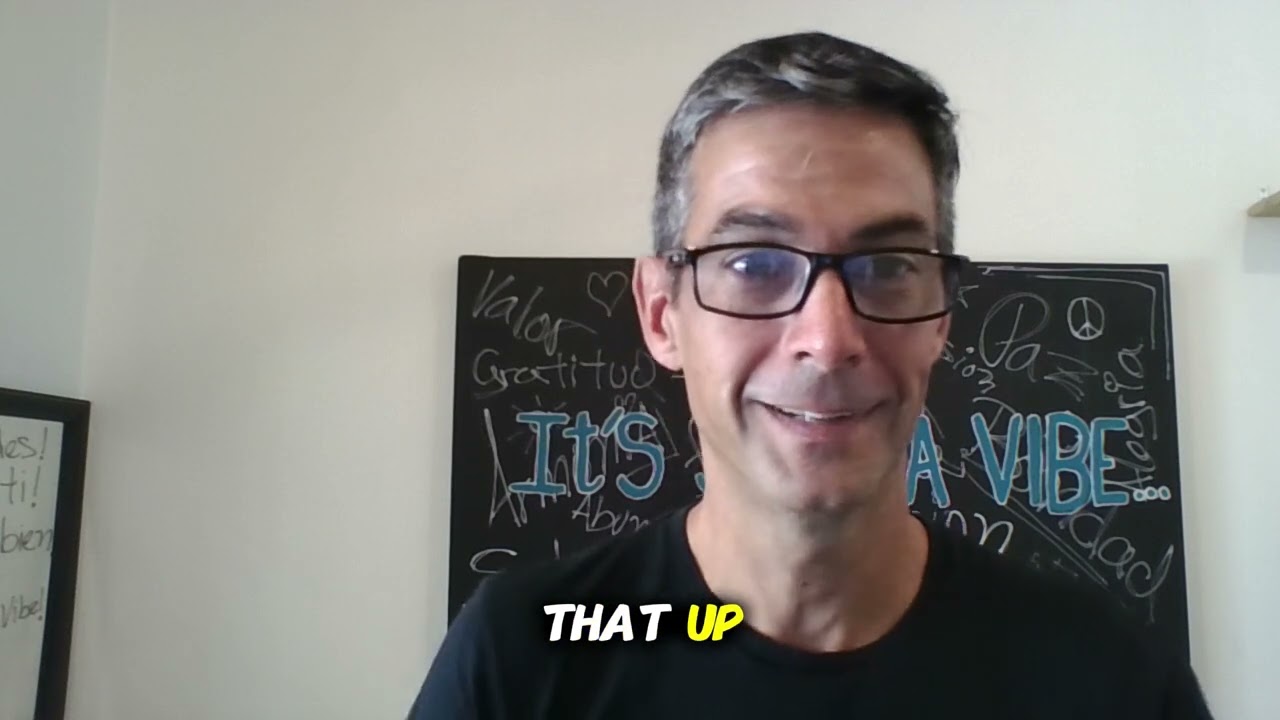
Freedom Money Daniel Tadross episode 29

In this Freedom Money podcast, host Kevin Bell, CFA interviews Daniel Tadros (also spelled Tadros), a Montreal‑based entrepreneur behind Liberty City, a company building "Bitcoin homes" that integrate Bitcoin mining hardware into residential construction. Daniel recounts his personal Bitcoin journey, beginning with a 2015 magazine article and a 2017 trade of a guitar for Bitcoin, leading to a deeper interest in Bitcoin’s societal impact. He explains the core idea: miners generate heat, which can be captured and reused for household heating, hot water, pool heating, sauna, radiant floor heating, and other applications, turning the home into a passive revenue generator. The conversation covers the technical implementation (air‑cooled and water‑cooled miners, glycol heat exchangers), the business model (selling homes at market price to "normies" while offering an app to monitor heat savings and Bitcoin earnings), early funding (seed investment from Tim Draper’s Draper Associates), provisional patents on heat‑reuse cycles, and the regulatory and permitting hurdles faced in Quebec (utility flags, building permits, warranty requirements, licensed labor costs). Daniel outlines scaling plans: building a model home, creating a community of Bitcoin homes, expanding to Honduras (Prospera island), El Salvador, and other developing regions where heat reuse can be adapted to hot‑climate needs (spa, dryer, etc.). He also proposes a future certification/insurance program for Bitcoin‑heat systems. The interview concludes with advice for builders: push through pushback, use Bitcoin as a promotional lead, and expect societal adoption to follow as the technology compounds over time.
Chapters
Welcome to Freedom Money, where we explore Bitcoin financial freedom and building in the Bitcoin space. Today on the podcast, we have Daniel Padros joining us from Montreal. Welcome to the podcast.
Thank you, Kevin. Thanks for the invitation.
Well, very, uh, nice to reconnect with a fellow Canadian. We, uh, met at the Canadian Bitcoin Conference in Montreal about, uh, going on a year ago now.
Yeah.
Are you gonna make it to Toronto this year?
Um, I haven't planned to do it yet. Um, I, I've slowed down a little bit on the conferences, but the last year has been pretty, uh, pretty, pretty wild because I went to Prague, Washington, Vegas, uh, Florida, all sorts. And, uh, so I'm not planning on going to Toronto, but I am planning on going to Honduras. And they have the, uh, an island called Prospera.
Yeah.
And, uh, over the, uh, over the last year, a few people had mentioned to me, hey, uh, what, what you guys are doing is similar to what's happening there, you should check it out. So I didn't make anything of it until I spoke to some of the, um, some of the people involved. And, uh, apparently it's a project funded by Sam Altman, Peter Thiel, Marc Andreessen. And I guess they have some interest in the Bitcoin home. So let's go. I'm gonna go there in September.
Amazing. Amazing. Well, here, before we even get to that, I want to back right up and start with your original Bitcoin journey. How did you get involved in this?
I read an article in a magazine probably in 2015, made nothing of it. I was kind of curious. I had nobody in my surroundings that knew of Bitcoin. And so it just like, it was just an article and it was like, yeah, wow. So I probably told my twin brother, hey, like there's this thing, whatever. And so since nobody in my surroundings brought this up to me or had access to it or knew how to get any Bitcoin, I, I just kind of forgot it for 2, 3 years. And then a friend of mine, actually a sales guy, uh, that I was working with, uh, was selling some in one of my businesses. He told me, ah, Bitcoin, and Let me, uh, so I think I sold him a guitar because I'm a musician, right? Sold him a guitar, he gave me some Bitcoin. And so that was the beginning of the journey of learning about Bitcoin, uh, and its incredible impacts, uh, that it'll have on society. And I never stopped learning. Uh, that's 9 years ago now, 2017.
Yeah, the rabbit hole is deep.
It is.
So is a lot of your learning focused really on energy and construction? And maybe, you know, I think I need a re-explanation for the houses you're building and exactly what's going on here.
Yeah, sure. Actually, my learning is not on that. It's actually, it was it's less on that than, than the Bitcoin's impact, future impact on society, and how technology will help, uh, elevate the human condition, really. Um, but only holding Bitcoin for me and my, my brother wasn't kind of like sufficient because we weren't really actively participating in the ecosystem and we weren't getting involved and we weren't making an impact, or You know, it was just— it's kind of like boring just holding Bitcoin. So we needed a project, and we're— I mean, my twin brother, we're super creative, and we spent 25 years in show business, uh, writing songs and making albums. And, and so when, when it was time to make a transition, we had this idea of creating, uh, a Bitcoin home. And the Bitcoin home, really what it is, um, people that get into Bitcoin here— let me just do the larger, uh, the larger intro to, to energy in Bitcoin. Yeah, because, because what secures Bitcoin is miners, and miners require energy. So, um, Satoshi had the, the best idea in the world to tie, uh, our money to energy. So fiat is like tied— our paper money used to be tied to gold, now it's there's nothing behind it. And so, and they made us believe in, in '71 that it was tied to the petrol, you know, the, the, you know, the oil, that it really hasn't— it's tied to nothing.
Yeah, currency, a bunch of pieces of paper that they can print at will is what it's tied to, right?
And, uh, so Satoshi had the great idea to tie, uh, Bitcoin to energy. And it was probably the best move because if you think, what can we tie our monetary— our money, what can we tie it to? We could tie it maybe to time, you know, but that's hard. We could tie it to gold. That's— that was hard because, you know, it didn't really work. It failed because they, they unpegged it in '71. So he had the idea to peg it to energy, and that was the best call. Actually, a lot of economists had predicted— Henry Ford had predicted that one day we would— our money would be tied, um, to energy. And so that's what Bitcoin has done. And when you do that, you actually incentivize the human, uh, population to find cheaper sources of energy to create, you know, to, to create, to, to create Bitcoin, really. But to, um, you know, if you could find energy at a cost of zero, then you could be rich. Really, what it's doing is reforming the whole energy sector with wasted energy, stranded energy. Our mission was really to say, since it's cold here in Montreal, Canada, was really to say, hey, we're using these miners to protect the network. It's creating a lot of heat. I'm not such a whiz in creating new energy sources, but we we kind of became a whiz, me and my brother, in recycling the heat generated from the miners. And so that's what our mission is all about. And we— so we— this is the— what our brain thoughts went. We said Bitcoin creates, uh, revenues, creates passive revenues with the Bitcoin miners, and it creates heat. What's the best place to, to use this as in a product? And our answer was in a home. So really what we created was revenue homes, passive revenue homes without tenants, uh, where the heat is reused in 9 different ways. So you're also saving on the cost of heating here in Montreal for a good 6, 7 months a year in winter. And in summer, the heat is reused in the spa, the sauna, um, uh, the outdoor terrace heater, etc.
As you were talking, I was thinking I used to live in Montreal for a couple of years from about 2006 to 2008. One of those years we went back to Toronto for Christmas, and I had small kids at the time. And as as you can do in Toronto, I just kind of edged the thermostat down a bit to cool, you know, so I wasn't heating the house while we were away. And I got back, and there had been a pipe that burst in the basement, and you know I had. That much, uh, clean water. It was—
yeah, it gets cold here, man. It's, uh, sometimes we have in January, we have -20, -30. It's really goddamn cold.
Yeah, no, I've, uh, I've— you can have -20, -30 for, for stretches of weeks. That's the problem.
It is. And, um, so, so reusing the heat here in Montreal, Quebec is, uh, it's a financial matter because heating costs expensive. It gets really cold and our energy bills really shoot up. And so if you're creating revenues with Bitcoin and you're reusing the heat, it's like a double plus. It's a lot of value added. So on this journey of reusing the heat, we created a heater, a standalone Bitcoin heater. Uh, and we created— we were thinking of all the other things that we can— we could do a pool heater, and then we could do like a fireplace, and then we could do like a terrace heater. And in the end, like, we use all our kind of inventions really, and we just put them all in the house and we're like, Bitcoin home, you know? And, uh, it's bold. It's a bold idea, you know? It really is.
It's incredible. So it The equipment's mining and turning off heat, and then you're using the heat to heat the pool.
Yeah, yeah. So in our home, we, um, uh, we, we air cool the machines and we water cool the machines. And so we're using 2 ways to cool the machines, so there's 2 ways to heat stuff in the house. So, um, when we water cool the machines, we can heat the pool. We can heat the floors with a radiant system. It's actually glycol that's in there. The glycol goes into the machines, it gets warmed up, and then it goes into the pool with a heat exchanger and it heats the water in the pool and then the floors. And we actually also like a kind of— we had this radiator setup where it would pass into the radiator so it can get rid of the heat even more and go back into the machines and recool the machines. So yeah, so we did a lot, we did a lot of that testing and a lot of that iterating. And we also iterated a lot in the business model, like, like, what is this, you know? What is this house, you know? Like, what do people— how do we sell this, you know? Like, yeah, because we're selling mostly to like normies right now. We created— our company is called Liberty City. And so we, we built 3 houses in total with 4 lands that we had altogether. And so we were selling it to normies because obviously like there's not enough Bitcoiners right now to move up there in Montreal. You know, it's up in the fields. So we sold to regular people, and it, uh, it's a regular house really. And they paid it at market price, not more expensive than, um, than the regular home. And they have like— we give them the option because if they're not a Bitcoiner, they don't understand Bitcoin, and they don't understand that this, uh, this thing is, is this house is used to stack Bitcoin while heating. You know, some of them, they don't get it. You know, they see it a little bit, their heating costs go up, and they get a little bit nervous. And they don't— you know, it was our first prototype. You know, it's like the first Tesla car. You know, that's what it was.
Yeah, yeah.
And so some of them get a little bit nervous and all that. But, um, so we're still like— we created an app to, to show how much of the heat savings you're having and all that. And so we're kind of like just reiterating and trying and getting it known. And we think that if we we stay on this journey in the next 5 years or so. Uh, here in Quebec, now people know about it. They come because we list it as a regular house, you know.
Yeah.
And, and they're like, oh yeah, I, I heard about this, you know. And so we offer them the system, but the house was constructed from scratch, uh, for that, you know. We, with the architect, with the ventilation guy, with a plumber, and, you know, with, with all the, the teams to Figure out how to make this the best Bitcoin home possible.
You know, I'm, I'm still blown away. I mean, I, I just know from my own business in terms of the iteration and, you know, getting feedback from people, but it sounds like, like I'm trying to get my head around, this is like specialized, like manufactured equipment for this house. And, and how do you, like, is there a plan to Build more of these, hopefully?
Yes, yes. Well, we're up to 3. Let me just fix my— oh, fix the camera. Just put it up there a little bit. Yeah, sorry. Uh, yes, certainly. Well, we're up to 3 and we, we want to do more. And, you know, the heat reuse, uh, thermodynamics, uh, you know, domain is, uh, is a very— it's like it's an old industry, you know. Reusing heat is, is— they're doing it in AI. I mean, it's, it's, it's an industry that's very old, so On that front, yeah, we had to iterate and tweak some stuff and fix some stuff, but did we really invent something? Not really. So where we really innovated was really in the offering. Everybody was mining before. They were hiding it in the garage and super noisy, and they were doing it secretly. And so we came up and we said, listen, this is a Bitcoin home. And so like, it's a change in the paradigm. It's a change in, in accepting what, what Bitcoin is, you know. And it's promoting Bitcoin to the world as not only something, uh, digital that you hold in the wallet that's abstract, but it's something really physical and, and something amazing that can really bring value to, to a family, you know.
Yeah.
So, um, so we, we kind of really forwarded society like, like, you know, like, uh, in the future, you know. And so that's where we innovated. However, we did, uh, deposit 2, uh, patents, uh, to reuse the heat, uh, and start an AC cycle, an air conditioning cycle. So, uh, so maybe in the, in the follow-up of, of this, if all goes well, because we are looking to refinance our company, we got our first seed funding by Tim Draper, Draper Associates. Draper Associates is a huge VC firm out of Silicon Valley. Draper is one of the first in SpaceX, Tesla, Hotmail, Skype, Robinhood, Twitch, just name them, you know, just like, like he's been the first in a lot of stuff. Amazing. And we thank him very much. We're super grateful, you know, for his involvement in our, in our, In our first trials, and so yeah, with him, like he told us, do the first house, sell it, and then you know we'll see. So then we we took off and we we built these two more. So we sold one, another one, and then we have another one that we have an offer on. So we hope that we can sell all three, and then we'll building houses is is very cash intensive, you know. So we need a lot of money because when you build it is like you know whatever eight hundred thousand bucks in a home, you know. Just stuck there. So, so that's why we sell it to regular people. And, and, you know, even though we want to build this kind of like community, a Bitcoin community, uh, we still have to like kind of like move product, you know, like, you know, and, and, and our houses all have, uh, redundant heating in the sense that if the internet stops, then you still need the heating because it doesn't stop heating. So you got to think about these things. So it all has redundant heating, so they can, they can just use it as a regular home if they're not interested in the Bitcoin. But what this makes us do is makes us reiterate and build a new one and do the system and, and, and try it. Um, but if they don't want to use it or they're not familiar with Bitcoin, they can still have the home, you know. And we'll just pull up— yeah, we'll just pull out the machines and put them in the next home and stuff like that. So there's still that option, you know. It's kind of cool. It's like, it's like a Tesla car, really. Like, I have a Tesla car. I'm not using the self-driving, so it's just a regular car with batteries, you know, same thing.
Yeah. Are, uh, yeah, this is— there's a lot to get into here.
Um, yeah, sure.
I have a question. The one question that comes up on this podcast all the time is a regulatory angle. Um, nobody's, nobody's trying to stop you because it's a Bitcoin home. You don't need to fill out extra forms or anything with the government of Of Quebec or Montreal or Canada?
Well, yeah, there was a lot of, uh, barriers, a lot of resistance in a lot of ways, you know. In so many ways it was resistance, uh, and there still is. Like, you know, Bitcoin is kind of mainstream, but it's not like everybody that knows what Bitcoin is or what Bitcoin does. Or so there's a lot of resistance. Yeah, there's many problems that we had to, um, um, especially that I had never built a home in the past. Yeah, uh, yeah, well, I kind of built a home with my ex that she She was like the interior designer, so I was just like, I'm laying in the back and the mother of my kids. And so I built a home with her, but it was really her that was building it. But when we started this project, Bitcoin was really the motivating thing for us. So this idea for us was like, wow, that's such a good idea for the world. And so we had to learn. We had to learn and learn fast. I made a lot of mistakes, made some mistakes on the way there. Uh, but, um, uh, so, uh, you know, there's— I could give you all the, the barriers that we had. It's actually quite incredible.
I love—
I love it. I mean, there's a utility company, there's Hydro-Québec here. Um, you know, if you mine too much, they send you a letter and they say you're using too much heat, and then they tag you, and then they flag you, and then they increase your, your electricity costs. And then there's a city, you had to get permits. And then, uh, since we hadn't constructed any homes We had to, um, uh, we had to get this like, uh, warranty for new homes. So we only built 3, but we had to do some turnarounds with that and put a house on my name, put a house on my brother's name, because you can't just build homes if you don't like offer the warranty on new homes, you know, kind of thing. So that's that. Let me just sort of hold my, uh, my camera's just falling down a little bit here. We're good, we're good. All right, so, uh, all right, give me a second here. Yeah, okay, just so I could be straight. All right, good.
Let's go.
So, um, those other, uh, There was other barriers, so many barriers actually. Here you are an entrepreneur, a construction entrepreneur, you have to get licensed workers, and it's not the same all across Canada, just here. And so the licensed workers are all like $100 an hour, so it really makes those housing costs—
Workers' compensation for those workers.
Yeah, it's like a mafia kind of thing where you need to get these workers that are licensed, It's different all over Canada, by the way, the way that works. But here you need to get the, the most expensive workers for the home, so it really makes housing costs shoot up. So, you know, me and my, my brother, we were like, wow, housing costs have, have plummeted, have chewed up, uh, not plummeted but have really gone high, and accessibility to homes, it's inaccessible for our kids. So let's find a way to innovate. And so that's what, what, what Bitcoin is doing right now.
It's—
we're integrating Bitcoin into houses, uh, and we're, we're using it as the main marketing tool, and it's helping, uh, people make some Bitcoin. So actually, and making them reduce the cost of heat, um, cost of heating.
So I have a question. How much have they won? Some rewards?
Yeah, sure, sure. Uh, the, uh, the owners, uh, on the first, uh, on the first home, um, we're making $700, $800 of Bitcoin monthly. And so it's— our homes are multi-generation homes. So there's 2 families, they move in with 2 families to save the cost. So there's 2 floors. And so their heating costs were lowered. But for non-Bitcoiners, it's a little bit of a tougher pill to swallow because they see their costs going a little bit higher when they don't Like, you know, they don't— they have to calculate it. So we made an app and all that. So, um, yeah, they did make some savings and they did make some Bitcoin. So yeah, we all know as Bitcoiners that you need to hold the Bitcoin. So during the time that they, they were— they, they, they mined, the Bitcoin went up 2x. So, uh, but they kind of sold it. So it's, it's all the— all this learning curve that regular people don't understand it as much as we do. So that's another challenge, big challenge. And there's all sorts of challenges. I don't know. I can name them, man. So many challenges.
Just well, they have they they have entire teams, and I don't know. There's like entire ministries, government offices, and bureaucracies set up to people to stop doing business in Canada in terms of like construction and like anything. You need a license to like come out.
You need a license to to fish, man. You need a license to you need a license for your dog. Do a garage sale, you know.
Career.
It's incredible.
No, I can't even make it up, you know.
Like, yeah, yeah. But, uh, you disappeared.
Can you hear me? I, I can now. You gotta flip on camera.
Sorry about that. Can you hear me?
Yeah, yeah, yeah.
Oh, now I can't hear you. Shit. Let me see.
I can hear you here. So I, I guess, um, there's, there's a lot going on here, but where, like, what's next with the company? Yeah, I can hear you. Can you hear me?
Oh, shit. Yeah, I can't hear you anymore.
How about now?
Somehow, I don't know if we can try something. Um, yeah, I can't hear you.
Check 1, 2. Check 1, 2.
Could we want to restart it or something? Uh, yeah, I can't hear you for some reason. You want to restart it?
I just tried to mute and unmute myself. Did that do anything? That didn't work. Uh, I'm scared if we end it.
Chat comments. Shit. Um, recordings.
Yeah, so now it's recording again.
That's good, good, good job. Okay, good. I put it on not disturb. Okay, where, where were we at?
Oh, well, I don't know. I think we're kind of sidetracked now, but yeah, I guess my questions really are now about where this is going. So you've done the prototypes, you have the system, and now, uh, now what?
What are we going to do next? Yeah, well, well, we, uh, me and my brother, we're, we're, we, we love this idea. It's, it's the best idea for the world, best idea for Bitcoin, and to keep on showing that Bitcoin can really be useful for the world. And so we're just going to keep on doing homes. There's a few challenges with this company. It's not like Coinbase that Draper financed or whatever, or other apps that it's digital and you can scale them. It's very cash intensive, and it's a little bit hard to scale because— It's a house, you know, like, you know.
Yeah.
So, um, yeah, it's a house. It's, it's not an app, you know, so that you can distribute for free through the Apple Store, you know. So, but, but we're, um, it is an amazing idea and we're, we're going to keep on doing it. Uh, we're looking to refinance the, uh, the company, uh, and, and keep on building. We're gonna— our next plans are to buy a big land here and build another, uh, another home, build a, um, a model home to really show, because we sold our first model home and we're selling our other ones. So build one model home and actually sell lands to create a community. If people want to build their home, we give them the plans to do the Bitcoin home, and that way it's a little bit less, you know, work for us, less intensive hands-on work. So we can scale a little bit more. We also want to do a few maybe in Honduras, one in El Salvador, where we could— we'll have 4 reuses of the heat instead of 9 or 10 that we have in Quebec. So we can, in hot countries, we can do like the hot water tank, the spa, sauna, dish dryer, clothes dryer.
Yeah, this is really interesting to me because I've spoke— I'm going to connect you with the guy in El Salvador, Jacob.
Sure.
Energy guy, and he is doing something similar, but there's fewer use cases, but important use cases like hot water.
Yeah, exactly.
So yeah, it's incredibly interesting. And if you can offset costs, and this moves the needle for real people.
Yeah, exactly. I'd love to hook up with him. So yeah, there's more— we use more heat than we realize every day. And so if the machines are creating Bitcoin and creating heat, then why not reuse them? Why not reuse the heat? And so, uh, so we want to do— I gotcha, we're good. You're still there. We want to do one in El Salvador and want to do a few, uh, in a few developing countries where Bitcoin is really really happening. That's one of the things. We also have a few other ideas that are on the burner. I'll tell you one. Yeah, sure, I'll tell you. I'll share that. One of our ideas is to do Bitcoin certification heat reuses. We're like the AAA of Bitcoin heat reuse, where we can find you an insurer to insure the machines in homes. We'll give you a sticker that you put on your window if you do 2 heat reuses and we confirm that your setup is secure. And we can actually do certifications 'cause we've built like 3, 4 homes already, you know?
Wow.
And there's many heat reuses that can be done. So that's one of our ideas. And so we have a few ideas on the burner that we're gonna explore as we keep on, You know, building homes.
Yeah, I think it's so important. You know, like you said, it's not an app that you're rolling out to, you know, millions of people, and it's a real thing that people are touching. And there's such a, you know, important educational aspect to all of this with Nori, and it touches so many people and people hear about it. Um, and, and it's great. And, and that's, you know, this distributed network kind of seeping into, uh, normie world.
Yeah, so I think one of the things that we've done is we really put Bitcoin on a pedestal in the physical world, you know. It's like, what a promotion for Bitcoin, really, you know. Like, you know, people are like, a Bitcoin home? And they think, wow, I could pay in Bitcoin. No, it's not paying Bitcoin. This is a revenue home without tenants, where you're saving money on the heat. So it's such a good idea. It's such a good idea.
And I mean, that's so far removed from what they're thinking about, right?
It is. It brings people to actually reflect on Bitcoin and think about all these topics. So it brings it even more in the mainstream, which is what we want. I think people, we need to do more projects with Bitcoin being in the physical world.
Interesting. So just to close out, I mean, you've been in this space for years and running a successful business and developing things. What's your advice for builders in the space?
Yeah, that's a good question. Wow. Yeah, I was for the longest time scared of doing a Bitcoin project just for the pushback, because it wasn't mainstream. Then you talk about Bitcoin and people say it's a scam or it's a Ponzi, and then you get attacked. I wasn't ready for the longest time. I think at the moment that we did the Bitcoin Home, it was already a bit more mainstream. But we're still getting a lot of pushback. So my advice to builders would be just build the stuff, do it, try it. And I think the society will catch up to Bitcoin in the next couple of years. And I think it'll take like the internet took like 40 years, 40 years.
Yeah.
And I think new innovations really compound over each other. So everybody's input is useful. See, we're trying this, you know, and we're doing it and we're pushing the ball forward, and then people are gonna start from this idea and then do stuff. And so really, ideas compound and, and, uh, it pushes the world forward. So just, just do it, and it's, it's a win for everybody. And, um, there's, there's kind of 2 ways that people build in Bitcoin. You can build in Bitcoin without using Bitcoin as, as a lead. We're in a kind of hidden value. Like, we could have said, uh, just this is a new, uh, house with heating that pays you back without talking about Bitcoin, you know. But, but using it as the, the lead to, to promote Bitcoin and to, to bring it in society, I think, is, is, um, is the best thing. Uh, so you could create financial products, you know, RIAs, whatever, uh, Roth IRAs. with Bitcoin in it, and the fund overperforms because Bitcoin is in it. But sometimes they don't even say it, you know. So there's a lot of ways to, uh, to integrate Bitcoin in with builders, but I think the best way is to, uh, to use it as a, you know, to promote projects with it inside the project. Bitcoin homes.
Yeah, amazing, amazing, amazing idea. Um, You know, when you're down in Central America, let me know. Sure.
Where are you located?
I'm in Costa Rica. And so Costa Rica. Wow.
Yeah, I've been hearing great things about Costa Rica, man. Uh, just, just 2 days ago, all my friends were like, Costa Rica, Costa Rica. I have never been.
So yeah, I mean, I, I left Canada 4 years ago when they started freezing people's bank accounts. I was with, uh, And I haven't looked back. It was one of the better decisions I've made.
Yeah, apparently it's really cool out there. Yeah, I gotta go. I mean, you're needed.
Welcome down, man.
Okay, I will.
I will come to Prospera.
Yeah, will you be there? How far is it? How far is it from Prospera?
It's like a half-hour flight.
Oh, is it?
Okay, good. Yeah, yeah, it's the— it— there's the flight from here to San Salvador. It takes me an hour and a half to get to the airport, and then the flight's like 40 minutes and costs $70. The taxi to the airport is more than that.
Yeah. And where are you in Costa Rica?
Oh, I'm in a place called Jaco, Jaco Beach.
Uh, I heard a lot of great, great things about Costa Rica, man. I gotta, I gotta go there. Maybe we build a Bitcoin home there.
You absolutely do. There's, there's some things going on. We'll talk about it.
All right, all right, cool.
Very good. I appreciate the time and thank you for the updates.
All right, thank you. I'm glad we connected, and, uh, if I ever go there, for sure I'm touching base with you.
Amazing. We'll talk soon.
Thanks again. Take care, Kevin. Thank you. Thank you for the
More from Kevin


Why Bitcoin is more than an investment I wrote the Bitcoin Bible #podcast #interview #bitcoin


When banks freeze accounts the importance of self sovereignty #podcast #interview #bitcoin

Retirees inflation can erase your savings read Bitcoin Bible #podcast #bitcoin #investing


Taxes KYC and How Governments Are Making Bitcoin Harder #podcast #bitcoin #interview #investing

How SeedSigner Sparked the Bitcoin Hardware Store #howtoearnmoneyfromusstockmarket #bitcoin

The three essentials wallet node and miner #podcast #howtoearnmoneyfromusstockmarket #bitcoin

How the Bitcoin Hardware Store was born #podcast #bitcoin #realwaystomakemoneyfromhome