Freedom Money Ep18 Aaron from Landano
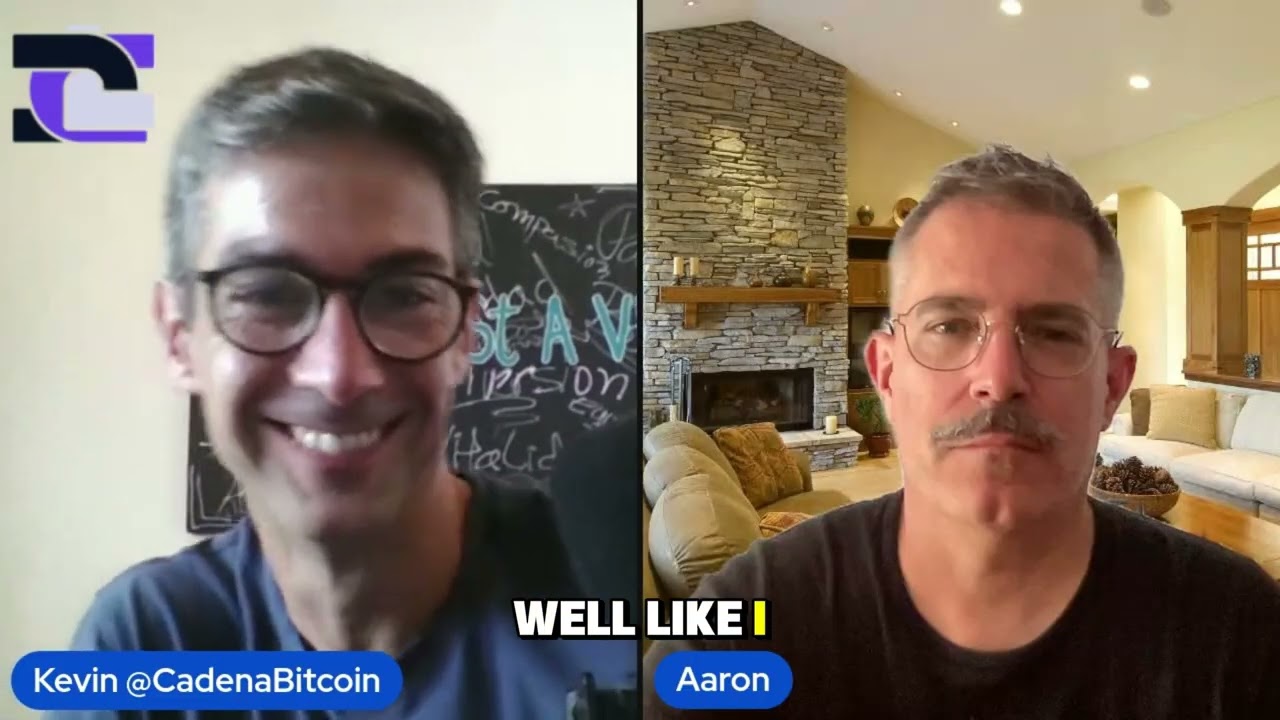
In this Freedom Money podcast episode, host Kevin Bell interviews Aaron Mogwin, co‑founder of Landano, about the company’s mission to secure property rights for everyone. Aaron draws on his two‑decade background in urban planning, design, and land economics, describing how tenure insecurity affects billions of people and represents a massive untapped economic value. He explains Landano’s two‑tier solution: the Landowner Community, a white‑label platform for governments to manage land records, zoning, taxes and revenue transparently; and Landano Home, a GIS‑driven, crowdsourced evidence‑gathering app that lets individuals compile documents, photos, videos and neighbor attestations to create a de‑facto title where formal titles are unavailable. Real‑world cases from northern Ghana, broader Sub‑Saharan Africa, and India illustrate the human and financial costs of disputed land. Aaron discusses why competition appears limited—most players are potential partners (governments) rather than rivals—and how perception of threat to the status quo hampers adoption. He details technical choices, including an initial Cardano deployment, a planned migration to Polygon to align with the emerging ERC‑3643 standard for real‑world assets, and the use of low‑code Mendix versus a future shift to more flexible no‑code/AI‑assisted development. The conversation also covers the business model of enabling credit access for under‑documented landowners, generating revenue for governments, and building trust through transaction volume. Aaron concludes with advice for builders: stay flexible, prioritize customer communication, anticipate scaling, and be ready to pivot when new market opportunities (e.g., credit markets) arise. Contact information for Aaron and Landano is provided.
Chapters
Today on the podcast, we have Aaron from Landano. Welcome to the podcast, Aaron.
Hey, thanks, Kevin. Great to be here.
Um, we were talking a bit earlier about Landano, um, and I'm hoping you can just give us a broad overview of what the company's mission is and what problem you're solving.
Yeah, well, first I should probably zoom out a little bit and kind of explain how I got to this you know, journey myself, this point in my journey. Um, uh, first of all, Landano is a very sort of real-world-oriented, like, you know, solution to a problem that exists for a lot of people. And, uh, through my career, I've got a background in urban planning, urban design, land development on, uh, I don't know, 3 continents over the last 20 years or so at a variety of different scales from very local to very regional and, you know, developing all kinds of solutions, working in private development, you know, kind of, you know, across the various, you know, manifestations of that sort of thing. Uh, and so, you know, I've also done a lot of research, urban economics research, into how to protect the tenure of residents and communities while also still encouraging like economic development and new housing construction. You know, what I, what I termed in my research gentrification with displacement. And so I've, you know, I was working in that space, doing research in that space, and, uh, you know, at one point I was, um, working, uh, for a luxury condo, uh, company, uh, a company that was developing and marketing, uh, what we called super prime real estate up and down the West Coast of North America. And we had a nonprofit that, uh, was, was, uh, providing housing for for not unhoused people, but people who had homes in developing economies, developing regions of the world. Like our examples were Cambodia and El Salvador, um, because, you know, their homes were threatened by, you know, a variety of issues, um, which can all kind of be collected, uh, into, you know, under the umbrella of tenure insecurity, right? Um, and You know, from hanging out with these people at our nonprofit, I started realizing that like, you know, these people had homes, these people had roofs over their heads and they were quite functional. They liked their homes. They didn't necessarily wanna move, but you know, which was part of the problem. They may be forced to move at any point because they couldn't prove they had rights to their property. And so it wasn't an issue of them needing a new home. They just needed to be able to prove they had rights to their home. And really all it was, although we were providing them through our nonprofit, was not a new home. Although that, you know, it's kind of nice to get a brand new home. It was the legal structure. It was the clean title that came with that new home because it was, you know, it was being built on land that, you know, we had made sure we had clean title to. And then we were absolutely deeding over very cleanly title to the residents. So that was the service we were providing, was tenure security, not like you know, protection against the elements or like of the physical structure of a home. And right about that time, this was, you know, a few years ago, this was when blockchain was really kind of kicking off and people were talking about different use cases for blockchain. So, you know, and one of the fantastic use cases people were talking about was, you know, solving this like messy problem of how, you know, even in more trusted regimes and environments and jurisdictions, it can take, more than a month to like transact, to sell or buy a piece of property, to transfer property ownership to one— from one person to another. In, in North America anyway, there's this whole— there's a whole industry, the title insurance, uh, industry that exists just to do research and try to provide some assurance that people actually own what they're selling in terms of property. And it costs a lot, it takes a lot of time, it's a very high-friction kind of kind of thing. And blockchain's designed to solve these kinds of problems, right? It's got, um, you know, it's transparent, it's relatively fraud-resistant and fraud-proof, and transactions can happen in a matter of moments, uh, with a lot of security as long as you've got everything set up right. And so that, that was kicking around in my head for a while, and then 2 or 3 years ago I partnered up with, uh, my, my current partner Doris, and we decided to, like, you know, take this, uh, further and, and, you know, really build something. And so we started, uh, you know, our, our mission, our company mission is, uh, property rights secured for everyone. That's, that's the idea here, you know, because there are, there's something like, uh, you know, these numbers are hard to really pin down, but something like 5 billion people around the world, you know, more than half the world, can't prove they have rights to their own home. And 1 billion of those people live with persistent, like, on an almost daily basis, you know, worry about, you know, losing their home on a more immediate sense. Uh, you know, the valuation, if you want to get in economic terms about it, something like $100 trillion is the potential worth of all the world's undocumented real estate, you know, around the world.
Um, so yeah, I mean, it, it really sounds like the problem you're describing, you know, the problem I think we're all very familiar with is like slow and inefficient governments and court systems that take a lot of time. And, uh, you know, kind of layering on, like, the land issue is kind of primary to everybody's survival and existence. I'm trying to picture, you know, I guess my lived experience being in Costa Rica for the last 3 years. When rainy season comes, the lead story on the news is often somebody who's along a river who's been washed away in, in, in the storm. And these tragedies happen. Um, and what I've come to learn is that people will build again where they don't have title and sometimes dangerous situations. So, so that's kind of one piece of where I've seen it in real life. And I think another piece is, you know, sometimes I've seen cases where entire communities have been built in that. I know really not far from here they kind of were protesting as they were potentially going to be removed, you know, and shut down the highway. Is that the kind of situation you're seeing?
Like, yeah, there are so many— everybody's got, you know, a story just like that, that, you know, is, you know, close to their own experience. But that's a great example, uh, you know, in many cases like, like that, um, you know, I don't know the specifics of that particular example, but I would bet that a lot of those people, maybe, maybe they do have title, or maybe they, you know, legally they have right to their land in some sort of way, whether it's, you know, strict full ownership, fee simple, or maybe they have some kind of long-term tenure rights to farm or exit, you know, just live on that land in some sort of way. Like legally, if you wanted to hire— if they wanted— if they had access to legal help and wanted to hire a lawyer, they could probably, you know, get the right documentation in some sort of way and then prove they own this land, you know. But sometimes you have to pay, you know, quote-unquote fees, which look a lot like bribes sometimes, to the right official. And, uh, you know, there's a lot of ways in which people like that fall through the cracks, even if on, you know, in concept they actually do have right to their land. And that's a lot more like the problem we're trying to solve. Like a great example that I like to point at just, just really recently, like within the last year, um, there's a— this is a huge problem in Sub-Saharan Africa, right? And so there was one, one chief, one local leader in northern Ghana who was double dealing. He was like issuing title to, um, family and friends, people at once. Yeah, for the same plot of And this was getting—
that sounds like Canada.
Yeah, yeah, yeah. Well, like I said, uh, you know, this can be an issue even in the most trusted jurisdictions. Like, a lot of, you know, I've spent a lot of time in Vancouver, um, that's where I lived until very recently. And, uh, you know, a lot of real estate money is flying there, you know, just like landing there from other parts of the world that are less trusted, simply because the Canadian jurisdiction regime is more trusted, but it's still not that, you know, you can still contest stuff. Now think about somewhere like Northern Ghana where nothing's on paper, even though like, you know, whatever paper there is says people who are living on this land have full right to it. Okay, well, how do you guarantee that? Like just recently, you know, this chief that I was talking about in Northern Ghana, his entire village like rose up against him and kicked him out of his home burnt his house. The entire village ended up getting burnt in a riot situation, and 50,000 people were displaced and had to flee next door to Côte d'Ivoire. This is happening. This is like an actual issue. Like, there are major disruptions happening around the world because of like title disputes and tenure insecurity. And, you know, there's so many different ways this manifests, uh, in different cities in India. Something like 6% of All real estate transactions are actually on book, which means nobody, nobody can really prove anything. And, you know, what we've built is a two-tier solution to this, right? We've got a solution for small governments to manage their property and, you know, build trust and also, you know, you know, get a little proper revenue stream so they can manage their land properly. You know, a better way for people to pay taxes. And fees, uh, that don't look and feel like bribes anymore. And, and also a way for governments to kind of understand what's going on in their community and kind of like, you know, be able to like protect their community from outside pressure. And then we've— so that, that's the product we're calling Landowner Community. It's basically a white label platform for, you know, what you would call urban planning. Like there's, you know, different ways to manage rights. We what I would call zoning in a more, you know, developed, uh, you know, city. But really it's just like managing what rights people have to their land, um, through an application process.
That's— I guess, I guess the obvious question is, I mean, if half the world is impacted by this, like, why, why aren't other people doing this? Like, where's, where's the competition?
Well, A lot of it's perception. Um, the perception, uh, is usually that to, to do this would be threatening to the status quo, to whatever the existing regime is for managing that sort of thing, rather than actually helpful to them. And a lot of previous efforts have been perceived as adding to an already confusing and burdensome process rather than simplifying it. You know, this has been attempted in various places around the world, Colombia, But it's finally starting to get some traction in different places. I think, you know, one county in New Jersey and Dubai, the government of Dubai, these are two great examples where it's actually getting some traction. So, but fundamentally the issue is, you know, if, you know, it's, it's one of perception. As I said, we're not competing against governments, we're looking to partner with them. And so what looks like an absolute vacuum of competition is, is really that, because any competition would actually be our, our partners or our customers. And, um, yeah, I should mention our, our other product that's newer, uh, Landono Home, that we're still under, you know, we're still developing. And we can talk more about, you know, our tech stack issues, uh, later. But, um, we're, you know, Landono Home is more, uh, I don't know, it's more kind of, I don't know, it's a little looser I don't want to say that because then that does sound like it, you know, it is threatening to kind of any kind of regime. But basically it's available to anyone, anybody, or anywhere in the world, uh, that wants to, uh, be able to prove they have rights to their, you know, home or land or anything like that, but don't have a government system that is willing to help them out with that or is accessible to them in some sort of way. And so it is essentially, you know, a geographical interface, a GIS interface, where you can trace out a plot of land, um, and then upload a series of documents or various media. Maybe it's you doing a video tour around the land or taking pictures of a fence or a boundary marker, or maybe it, you know, you're uploading PDFs of different whatever documentation you may have. Maybe that's some kind of something that looks like a title, something you inherited, or maybe it's a utility bill, um, you know, anything. Um, and then also it's— there are, there are ways for your neighbors or other, you, you know, local authorities, people to support your claim, to attest to it and like, you know, bolster it. So you build this collection of evidence for something that, you know, in any other system, uh, like a government title would be what you need, right? But maybe that doesn't work for you wherever you are in the world or whatever situation you've got in the world.
And so, uh, can, can we dig into that? Like, what would that situation be?
Well, uh, I've given two examples already, like Northern Ghana, Sub-Saharan Africa, where we're working with, um, and then also maybe India. Like, you know, it's, it's a way for you to get, uh, the next best thing, as close, as close to government-issued title as you can. It's the, you know, the next best thing. So, uh, based on wherever you are in the world, in your particular situation, um, we've got, uh, you know, an AI agent that will give you a checklist of things to collect that will get you as close as you can to what you need replicate the same thing as a government-issued title without, you know, the proper signatures and stamps or whatever. So if and when maybe the day comes when that system becomes something that is available for you to interface with or interact with or use, you've got everything ready. In the meantime, you've got something that's just about as, as good as you can get without having the same thing. You've got a collection of media and information and documentation and evidence that really should show that you have right to this land. And then that also, um, you know, there are, there are banks, uh, that also gives you access to credit markets, you know, because there are banks that would love to loan to, uh, people who have underdocumented, um, assets like land, you know, immovable assets. And so, you know, we've already been talking to, you know, some banks in locations like this in Ghana, Mozambique, Um, starting conversation in Kenya and India soon, um, and, you know, maybe Zambia, but Zambia is a little bit more confusing in terms of, of how, like, land ownership is handled there. Anyway, um, like, access to credit markets is a big deal, right, for also building tenure security, because it's like, you know, it's how you build generational wealth for most people in the northern part.
And invest in technology and invest in economic growth. I mean, it's literally everything. And so, you know, property rights are obviously fundamental to, you know, any, any of the discussions we have. And, you know, I see a lot of intersection in our thinking in terms of credit markets and providing access. The two threads I want to pull on, and I guess they're a bit related, is the transparency. And the technology, right? And we're sitting here, you know, operating private businesses with every incentive to make the product good for the end consumer. Nobody's forcing people to use it. They have free will, um, you know. And I find because of that, you see a lot of private, you know, private solutions that are really light years ahead of where government is. And, you know, I know there's an established legal process and we need to do things on pretty embossed paper that's sometimes colorful and have fancy signatures, but technology really, you know, with what you're talking about, once that information is captured, uh, especially when you're talking about the flow-through in terms of taxes, in terms of like— I was thinking about the assessments they do in Canada, like all of this stuff. Yeah, like we've, we've built, you know, government out the wazoo and we just keep investing in more and more government, but maybe what we need is technology instead of more people. And, and just the massive unlock in transparency that brings. I mean, it's so, it's so obvious, isn't it? Who's fighting this?
Uh, more technology, less people. Probably everybody, every white-collar, uh, mid-tier or lower tier. You know, there's a lot of pushback against replacing people with technology, right?
And so, no, no, but when the technology does— when the technology is able to do it, uh, in a more efficient way, like, is there no responsibility For sure, that's okay to provide these services efficiently.
That's why, that's why what we're doing is such a great, um, application of new tech, you know, right? Because it helps people out. It's not taking anybody's job. It, it helps people who already, you know, it helps government workers do their job better, you know, more concerned for the taxpayer.
What? More concerned for the taxpayer, I guess.
Well, I mean, people, you know, hopefully, hopefully, uh, you'll, you know, in a— I know this sounds like some kind of fantasy, but like, the, the ideal would be that, um, you get something for what you're paying in taxes, right? You know, right now a lot of people are living in insecurity, worrying about their land on a day-to-day basis, much less worrying about whether they have access to credit markets that can build generational wealth with this land that they may or may not even have, you know, rights, you know, they may get kicked off of, um, you know, sooner or later, maybe sooner, you know. So there's like a real, uh, you know, immediate concern about security, and then there's like a longer-term security issue. Um, and this technology just helps with that. It helps governments, you know, even if your government— even if you're a government that is only really focused on like revenue collection. Well, this can help you with that. Now you don't have to like deal in what I like to call the chicken and whiskey economy, where, you know, people bring you like, you know, non-currency goods. Uh, you know, it's a relationship-building kind of thing that happens in a lot of, you know, rural areas in developing economies. Um, well, great, but that doesn't help you join, join the world's economy, and it doesn't help you build generational wealth. If what you want to do is collect revenue, then this is a platform for you to do that in a way that, you know, people trust on both ends and doesn't lend itself to like, you know, fraudulent dealings or double dealings or anything like that. You know, the blockchain element of this is really secondary, at least. I mean, well, I mean, it underpins the whole, you know, trust structure of everything, but it's invisible to the user. Unless you want to look at it. You know, with every transaction we handle on platform, you can always say, you can always click a little box that says, see this on blockchain, you know, see the actual evidence of it if that's what you want to do.
But really, yeah, that's the same as our— when we send somebody a confirmation, they can just click on the link and then it brings up a block explorer and they can see the transaction. Perfect.
Yeah, sure. But you know, most of these people, most of our customers, we don't want to have to like educate anybody in like what they're looking at or how blockchain works. You know, we just want, you know, the benefits of blockchain to essentially be magic and, you know, work for people and be trusted.
Yeah. So what, so with the blockchain, and I know maybe you're looking at a change of blockchain, I'm really curious about the tech and operational challenges you run into.
Right. So we, 2 or 3, 3 years ago, we chose Cardano. We were really invested in Cardano because, we, you know, we liked what, you know, its approach to building itself, you know, it's very research-based, very design-based, very community-responsive. And it's also kind of, it was kind of also kind of set out with a mission to be, you know, a great place to efficiently transact and securely store records and things like that. Okay. I mean, it's, and it's accomplished many of these things. So, but, but like longer term, there is a real concern, you know, if, and if you're dealing with record storage, long-term is a major factor that you want to consider. For whatever reason, they haven't been able to like build a security of like, you know, long-term existence, you know. And, and I know there's like, uh, you know, a real snowball effect, like the more people that leave, the less possible that's going to be. But, you know, we've had to think about the business, and so we're considering switching our stack to using Polygon, you know, which is You know, it's on Ethereum. It's a, you know, it's a layer 2 blockchain on Ethereum. And the primary reason for that, other than like Cardano's, you know, long-term questions, and we still love Cardano, you know, there's still, you know, we still have a lot of dealings with people in the Cardano world. You know, they're fantastic. I've had nothing but like, you know, delightful interactions with everybody in the Cardano space. But, you know, as things move on, you know, there's— with any new industry, there's always consolidation, and people kind of, you know, like small— there will always be consolidation. And that— we're seeing that happening. And one of the things that's happening is there is a standard— there's a blockchain standard that's been developed called ERC— I think it's 3643. Anyway, it's just a standard that exists unfortunately only on Ethereum-based chains for storing real-world assets. And this will be how all real-world assets are stored on-chain, I think, in the very near future. And to be compliant with that, we had to move to something that was built on Ethereum to comply with that standard. You know, this is going to be how, you know, I think anybody that really cares about this in a technical way— banks, whoever, anybody that really wants to like, you know, get some serious understanding that, you know, whatever, whatever this new thing is we're looking at here on Landano is actually following proper standards and protocol. And so there's, you know, there's different ISO standards based on land administration domain models that we're following, and there's this ERC 3643, if I'm remembering that correctly, that is, you know, it's all about standards for how to store, you know, exact— in our case, geographical information and title information and, you know, all sorts of things that add up to real estate on blockchain and being able to transact it confidently. And, you know, in the future, this sounds, sounds like a big project.
Good luck with that.
Yeah, thanks.
Um, it's really interesting. I mean, I guess, uh, it's like the technology is already, you know, well advanced from where reality is. Seems to be the theme. Is there anything that can accelerate, you know, the convergence of those two things? Or, you know, how do you see it evolving in the space? Just gradual, step by step?
Uh, well, I mean, no, uh, yeah, I mean, there is— there, I mean, really there's like two, two speeds you can go at this. One is based on building trust at the government level, you know, and that can, that can be very slow. Government adoption can be very slow. But the other one is, you know, can be slow, slow, slow, and then very fast, and that's based at more of a grassroots level. You know, the more people at a grassroots level that use this or use us or apply for a loan using our platform, you know, the more trust gets built. And the more transactions that happen on a platform like ours, you know, you can easily imagine a world where quite quickly— well, not quickly, but once you hit that certain threshold of critical mass, things will happen quickly where things quit moving slowly, and to get something done, you have to be on a platform like this. You have to have your property on a platform like this. So yeah, go ahead.
No, no, sorry, I cut you off.
Well, yeah, I mean, there's a lot of issues that play into how that, that hockey stick of a curve develops. A lot of it's investment, you know, um, Do investors understand what you're talking about? Have they invested in something like that before, whether it's prop tech, fintech, blockchain-related businesses? You know, I like to talk about the blockchain element of this as like really secondary. You know, it's just like kind of the secret sauce inside the tech of how we make sure things work. Um, but on the other hand, if you're talking to like a real, you know, blockchain enthusiastic investor or partner, you know, that's what they want to hear about. So it's kind of hard to tell that story in two different ways. And that's part of why we're looking at moving to Polygon as well, because it's just kind of like a bigger space of, you know, people who are like understanding what you're talking about, you know, it's less risky. And yeah, and then just like getting, getting, you know, getting the development done at a speed, you know, getting our product tested. Um, we were, we were all set to launch or land on our home in a few test markets just a couple months ago, and then we had, we had some tech stack issues and it turned into us looking, you know, looking at migrating our whole stack to, you know, uh, also we've built on— I should mention this— we built on a low-code. We built everything in a low-code platform because it's what institutions generally like to see and are familiar with and comfortable with. Um, Mendex specifically is the one we've been using. You know, that's— there's a lot of institutional stuff that's been built on Mendex, and our CTO is like very experienced in that world. Um, but with the rise of AI-based coding, you know, we've, we've gone from kind of a low-code to, you know, the rise of no-code. It's a lot easier to build outside a low-code environment because there are a lot of specific restrictions that you can't, you know, that make things a lot slower and harder to tweak in a low-code environment, right? Because you're just moving modules around and like, you know, it's a lot harder to build something that's tailored to something that itself might be a little bit unusual. And, you know, that specifically, uh, Cardano's got an identity wallet that is called Meridian now, which, you know, it's a wonderful thing if when it works, but right, it's still kind of like not ready for prime time yet. And so we've to, to prove people's identity through, through using our so far chosen blockchain, it has been quite a journey of bespoke tailoring and like, you know, duct tape and bubble gum and rubber band kind of ad hoc solutions to things that may change again at some time. Uh, you know, there's, there's a lot of things that you— that have slowed us down and like caused delays because we're moving in this Mendix low-code environment that once we jump out to something like Python I don't think we'll have issues with that anymore. We'll be able to just tailor something quite specifically.
Well, I wish you the best of luck with the building and, uh, your mission. Um, just a couple things to end with. If you have any advice for builders, and also where can people find you to reach out?
Right, well, yeah, advice for builders is, you know, think ahead, you know, think about the future, think about your scaling possibilities. You know, a lot of things I've mentioned already are like things that, um, you know, are worth thinking about, you know. And even, you know, even 2 years ago when we were choosing Cardano, we were thinking about these things. So I, I think it's important to stay flexible, build in a way that maintains your flexibility, uh, be ready to like pivot if you need to, you know, um, for sure, you know. And, and just think about who your customers are and be in communication with them on as much as you possibly can to make sure you're building something they want and use. You know, I come from a very, you know, pragmatic background. And a lot of the people I run into in the development space don't like to think in those terms, you know, they just like to build. And then, you know, oh, maybe it's this cute little thing that no one's ever going to use. Well, you should think about who's going to use it and talk to those people and make sure you're building something they want to use. You know, that's, that's how your business is going to survive. That's how your business is going to get— that's how you're going to make money. So that is, it's just one piece of advice, you know. Like, our, our main pivot, our, our really big pivot has been to, um, you know, it took a couple people to tell us about access to credit markets instead of just like securing property, you know. But it turns out that in rural Ghana alone, between $200 million and $900 million USD worth of not real estate, but just loans. The value of the loans is sitting out there waiting to be lent once people have secured property that they can use as, you know, assets to lend against. And that's just Ghana, you know, there's so much money out there that once the light bulb goes on over your head, um, you know, and you can pivot, do it responsibly and responsibly, it's there. So just being able to pivot and think about your scaling. And yeah, that's just the advice I have, I'd say.
Well, really nice to connect, Aaron, and good luck with the mission and the building and look forward to reconnecting soon.
Yeah, thanks, Kevin. So you can, you can find us, you can find me. I am @amoguin, A-M-O-G-U-I-N. My name is Aaron Mogwin. And you can, uh, that is my, all my socials everywhere— Instagram, LinkedIn, Twitter, all of it. Uh, you can find Landano, uh, you can, you know, landano.io is our website and you can find links to everything there for sure. And, um, yeah, I'd love to hear from anyone, questions, thoughts. Yeah, I, I will see your email. You can email me at Aaron@landano.io. A-A-R-O-N at L-A-N-D-A-N-O dot I-O. Amazing.
Yeah, have a good weekend, Aaron. We'll talk soon.
Okay, thanks. Thanks, Kevin. Great to talk to you.
You too.
More from Kevin



Why Bitcoin is more than an investment I wrote the Bitcoin Bible #podcast #interview #bitcoin


When banks freeze accounts the importance of self sovereignty #podcast #interview #bitcoin

Retirees inflation can erase your savings read Bitcoin Bible #podcast #bitcoin #investing


Taxes KYC and How Governments Are Making Bitcoin Harder #podcast #bitcoin #interview #investing

How SeedSigner Sparked the Bitcoin Hardware Store #howtoearnmoneyfromusstockmarket #bitcoin

The three essentials wallet node and miner #podcast #howtoearnmoneyfromusstockmarket #bitcoin

How the Bitcoin Hardware Store was born #podcast #bitcoin #realwaystomakemoneyfromhome