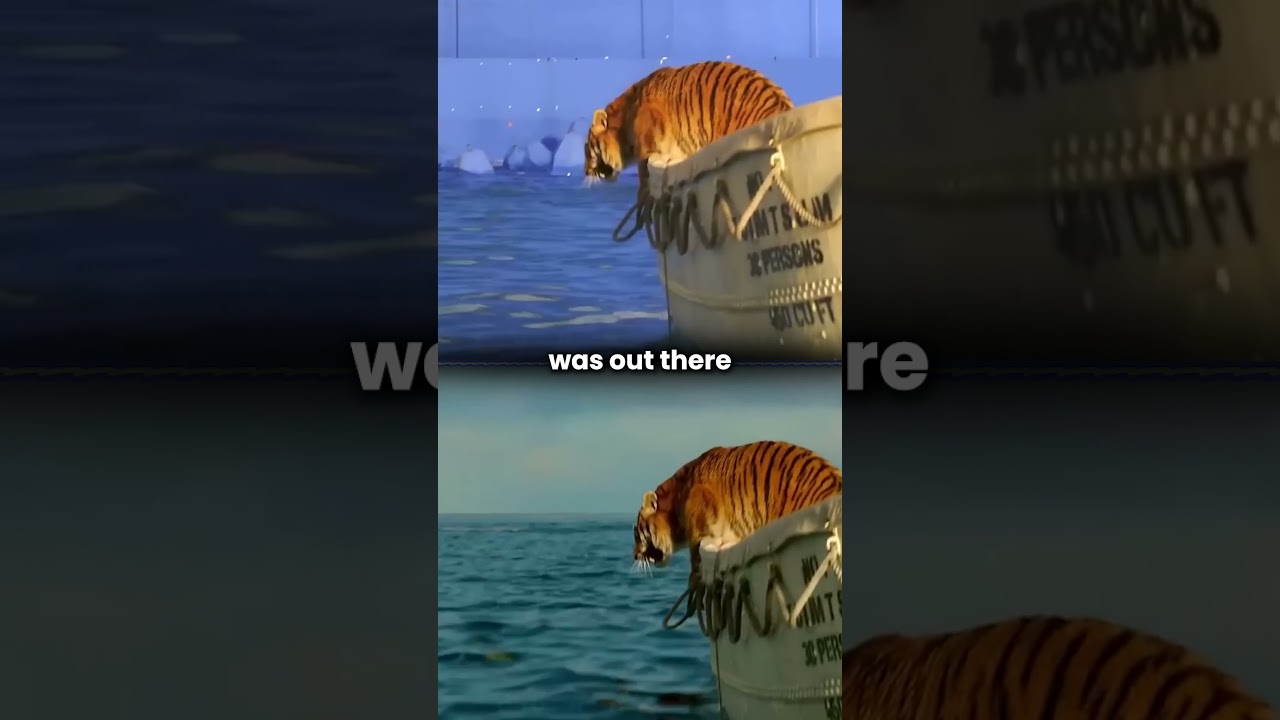
Kevin Surace explains how generative AI now produces Hollywood-quality visual effects for pennies instead of millions. The tiger scene from Life of Pi once cost tens of millions; AI can now generate comparable photorealistic assets for roughly one-millionth of that price, potentially disrupting the entire film industry.
Hollywood spent nearly $100 million making this tiger look real, but what happens when anyone can do the same thing for 1 millionth of the cost?
The minute you said CGI to someone in Hollywood, they go, well, there's another $50 million or $40 million or $30 million. You don't do it in your basement.
No, because this, this requires very skilled people and very, very, very skilled artists, lots of computational resources.
All the above.
They did that That movie with the tiger, it was the tiger on the boat where the kid was out there with a tiger on a boat. Very famous movie about 5, 6, 7 years ago. That was also done by really amazing CGI specialists. And the bulk of the cost of that movie, I don't know, call it $100 million, it might be $50 or $60 million went into creating that tiger. You know, an immense amount of effort to create every little hair on that tiger moving with the wind and moving so much so it's indistinguishable from a real tiger. What happens when everything I just described, including actors, can now be created by AI for 1/1,000,000th the cost? Right.