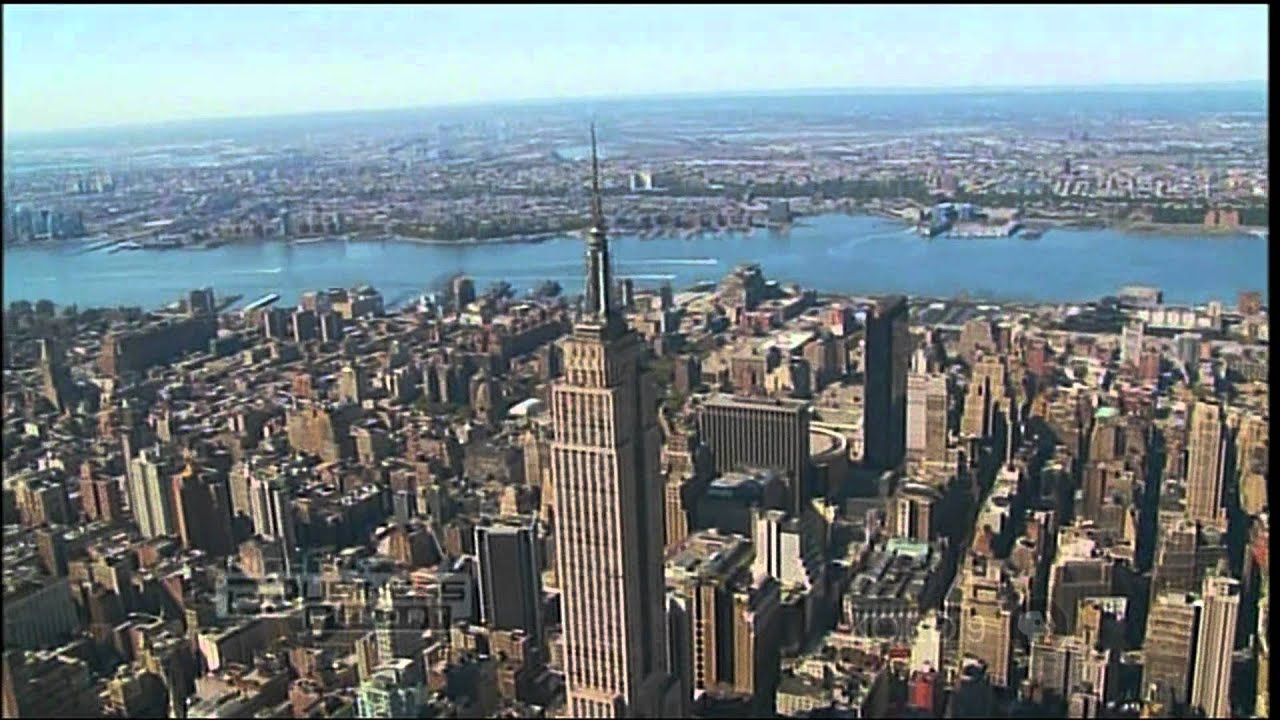
The Empire State Building spent $550 million retrofitting its 6,514 windows into high-performance units that cut energy costs by over $4 million annually. The payback takes roughly three years. Older buildings like this one represent a massive untapped savings opportunity for the country.
Chapters
In our Planet Forward segment tonight, we head to New York City. We look at how one of the world's most recognizable buildings is going green. The Empire State Building has been a landmark for almost 80 years. But when it comes to office space, it has lots of competition in newer, more energy-efficient buildings. Planet Forward's Frank Sesno walks us through the building's big makeover and the energy cost savings it achieved.
What's old is new again. In this case, possibly the most iconic structure in the world, and where innovation now meets energy efficiency and the New York state of mind. Devin Green and Christina Suelia, Planet Forward students at the George Washington University, heard the Empire State Building was getting new windows, so they hit the streets. Just how many windows are there? Okay, you know, about 110 floors.
11,650.
110 times—
5,500 to 6,000.
6,354.
It's got 6,514 windows, some 26,000 panes of glass. That can't be right. We took the glass out, we pulled it all apart, we vigorously cleaned it, and we did something else. We reused all the glass in the building. So we took those dual-pane windows and made them R-8. The R-value is a technical measurement of the resistance to heat flow. So the higher the number, the better. High R-value windows are built in a unique way. They have multiple chambers separated by suspended film. That clear film goes in, it goes in with a special set of spacers, other sealants, and then we fill it with gas. That further improves the R-value to get all the way to 400% improvement.
Surace says the renovation can save about $410,000 a year in energy costs.
Commercial buildings are about 18% of our total energy use, so it's a pretty significant slice. The median lifespan of a commercial building in the United States is something like 70 years. We have to look at things like retrofitting because we already have a lot of our commercial buildings and we want to keep using them.
Retrofitting for energy efficiency is not new. Doing it on the level that the Empire State Building did in a 1931 building is rare.
Surace's work was part of a $550 million renovation, all of it undertaken because it promises to pay for itself in only 3 years. Saving green dollars by reducing energy consumption is appealing, but will this type of expensive retrofitting make financial sense for everyone? Is it even possible?
There are something like 4.8 million commercial buildings in the United States, and as of 2007, I think only 4,000 of them met the Energy Star requirements. All buildings together, residential and commercial, actually produce more greenhouse gases in the United States than vehicles do.
This high-profile project has gotten a lot of press, and the students' video drew reaction on Planet Forward. Green for green's sake only appeals to those who are already green, writes Greg. However, to be truly successful, you need to appeal to the masses, not just the choir. Surace says the tenants are happier, vacancies are getting filled, everyone pays less for energy, And we're saving the planet. If a 1931 building can do this, so can everyone. If you have experience or advice in retrofitting and making it pay, lots of folks would like to hear more at planetforward.org.
Frank Sesno joins us now. You know, Frank, that was a fascinating story about the Empire State Building. It makes you wonder that if the Empire State Building can do this, can this also be done at other buildings, at most other buildings across the United States?
Well, most other buildings need it because a lot of them are old. In New York alone, something like more than 40% of the office space there was built before the end of World War II, and buildings in New York represent 80% of the energy used there. The total renovation project, by the way, at the Empire State Building is going to save more than $4 million a year. So there's a lot of savings to be had.
Now, you said— you were telling me that when most people think about saving on energy, they think of cars and ways that you could have Fuel economy. You're saying that we need to think more about buildings.
Absolutely. Buildings represent something like 80%, as I said, in New York, of the energy used across the country. It is— the number is overwhelming, and there are so many places in a building to save energy, in the windows, in the insulation, in the heating, in the cooling. So if there's an older structure, there's almost no question that substantial energy savings can be achieved.
All right.
Well, I know that Planet Holly— Planet Forward is working on more ideas to boost energy efficiency. How can our viewers participate?
Well, come to Planet Forward, planetforward.org. We're looking for your ideas. They might end up here on Nightly Business Report. They might end up on a special on PBS around Earth Day this year. So we're looking for the best ideas and bring them to us.
Okay, we got to run. We'll see you next month. We've been talking to Planet Forward's Frank Sesno.
And that is Nightly Business Report this Thursday evening, January 20th. Thanks for joining us, Susie.
Have a great night. Same to you, Tom. I'm Susie Garrop. Hope to See all of you again tomorrow night.