Kody Landals, Reimagine Roofing & Michael Atkin, Prosperous AI
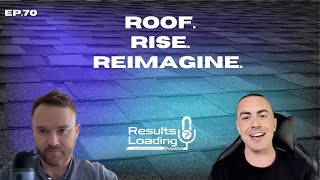
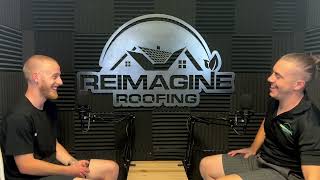
This is a YouTube video titled "Kody Landals, Reimagine Roofing & Michael Atkin, Prosperous AI" featuring an in-depth English podcast-style interview recorded in August 2025. The conversation is between Michael Atkin, host of the Results Loading podcast, and Kody Landals, a U.S. Marine Corps veteran turned entrepreneur and CEO of Reimagine Roofing. They discuss Kody's unique journey from military service to entrepreneurship, focusing on his innovative approach to roofing integrated with solar energy sales, sustainability, and business growth. The dialogue covers Kody's background, challenges in the roofing industry, the development of a rapid roof quoting system, scaling the business across multiple states, and leadership philosophy.
Foreign.
Guys. Hello and welcome back to another episode of the Results Loading podcast, hosted by Prosperous AI. I'm your host, Michael Atkin, and today we have a very special guest with us. Truly unique journey in Cody Landles. Cody is a U.S. marine Corps veteran turned entrepreneur. He's on a mission to revolutionize the roofing industry. As the founder and CEO of Reimagine Roofing, he's combining customer service, sustainability and innovation to create an environmentally responsible future for roofing solutions. His background spans leadership in solar energy, construction and fitness, all underscored by his passion for service and sustainability. Today we're going to dive into his transition from the military into entrepreneurship, his vision for the green roofing revolution, how he's reshaping customer experience in a historically traditional market, and more. I will obviously let Cody tell us all about it himself. But with all that being said, wanted to set the table for you today. Cody, thanks so much for joining us today. I'm really looking forward to this one.
Awesome. I'm looking forward to it as well, Michael. Thank you.
Absolutely, man. So, hey, as I mentioned, your journey from the Marine Corps to roofing and sustainability is pretty unique. What inspired this transition? If you wouldn't mind taking us back to the beginning, back to those military days. Talk us through you exiting the military, what that experience was like for you and how we kind of got to this point today.
You know, I kind of always in my life is just really, when I made a big decision, just kind of tapped in with myself and, and listened to what I guess the universe was telling me. So I knew it was time to get out of the Marine Corps in, in 2013. Just, I had some back injuries, I had some, some physical things that were some challenges. My original plan when I got out of the Marine Corps was to take a year off, do a little mini min. Within two weeks I, I was working. You know, I think I sat around for three or four days and it was just like, I gotta do something. I can't just sit here all the time. So. Big fitness buff. I helped a lot of Marines work through a lot of their, their injuries and a lot of their, their goals while in the Marine Corps. So personal training seemed like a kind of a natural fit for me. So the gym I was going to, I, I approached the general manager, asked if they were hiring personal trainers. I had some certifications from when I was in the Marine Corps. Come to find out he was also Marine. And so he said definitely. And he had a position as an assistant manager selling personal training as well. That he was looking to hire. He told me that if I wanted to go earn it, I would need to pull some people off the floor. Kind of, you know, cold calling basically, in the personal training world. And so I went out there, I grabbed a couple people in the, in the first couple days and sold some packages. And then I, then I fell in love with sales and it really blended things to my, my huge passions now, which is fitness and sales. I didn't know I love sales at the time, but I, I just fell in love with it. I, I fell in love with really helping people make the, the right decision for themselves, which is really what I would summarize. Personal training. It's. It's a tough decision, it's a big investment, but it's at the end of it, it's the, it's the right decision. So I did that for a year new, and I always knew that I was, that was kind of going to be a short stint for us, for myself, because I wanted to go to college. And, and so then I decided to go to asu. Arizona State University. Didn't really have much reason behind it other than they had good sports teams, they had good education, and they had warm weather. I was in Ohio at the time, so kind of checked all the boxes for me and I was like, great, let's go ahead and head down to asu. So I packed up, I came down here, didn't know anybody, and just kind of started my life down here in Phoenix. Went to school, got a degree in sustainability. The reason I chose that is, is when I was in the Marine Corps, I did satellite communication. I would set up Ford operating satcoms, you know, which is short for satellite communication, that were powered by solar. So I, I kind of had this, this interest in solar and coming to asu, they were the number one school for sustainability, which really blends, you know, business and environmentalism. You know, I think sometimes both sides can be a little bit too far on their, on their edges. It's like, hey, you know, environmentalism. It's like, let's stop all using, using oil today. There's no questions asked. And it's like, well, maybe that's not practical practical. Whereas business is like, let's only care about profit. And I think sustainability had a good blending of that in addition to also taking into consideration, you know, the human aspect. And that's what really attracted to me. It was, it was science, it was business, and it was sociology all wrapped into one. Got my degree in sustainability with the, with the focus in Renewable technology, which is, you know, essentially solar. And then I hopped in a van for three months, found some van videos on YouTube. I bought a 198540 Kona line and I built it from the ground up just watching YouTube videos and decided to just hop in it. It had 248,000 miles on it, and my plan was to drive it until it broke down. And then wherever it broke down at, I was going to work there. So that was kind of my, my original plan. But as I was, I, you know, kind of similar to the Marine Corps thing, I only made it three months. I got a little restless, kind of just wanting to do something more and, and starting to have a bigger impact. And I started looking for jobs. And the very first job that I, I looked at was in Phoenix for solar sales. And I was like, I'm in. You know, it was like it had to be assigned, you know, and so I knew I love sales, I knew I love solar. And I really wanted to be able to make a personal impact. And I felt being able, similar to personal training as opposed to working like in the health industry as a whole. I felt like on the solar level, if I was helping homeowners save money and help some with the environment, all at the personal level, that was really attractive to me.
Yeah, it's really gone full circle for your focus, you know, business and sustainability and you're able to accomplish both in your day to day, which is huge.
Yeah, yeah. And it just, I just saw it and like, my brain just instantly knew. It's like, yep, this is the position for you. You know, I, I applied for that single job. I just was gonna, just keep doing my, my journey. They reached back out to me within 24 hours. We had hopped on a call within 48 and I was headed back to Phoenix within 72. Just. I just knew it was what I was supposed to do next. Totally.
The restlessness that you mentioned twice after leaving the Marines as well as after graduating is such a telltale sign for entrepreneurs. And it's like, oh man, I'm going to take a year off. It's going to be so great. I'm going to travel, I'm going to sit around, I'm going to lift, I'm going to do nothing. And then like four days goes by and you're like, forget it, man. This is unbearable to just sit around and not have some sort of routine oriented orientation during the day. So definitely telltale sign for the entrepreneurs. It's something that I personally can relate to, you know. Oh yeah, let's take a week off and then by like day three, it's like, honestly, I would kill to go back to work at this point, you know. Yeah, yeah, but so the initial introduction to sales was tap on people's shoulders at the gym, getting them to sign up, selling wellness. Right. And it's like really goes hand in hand with the sustainability in the business that you ended up majoring in at asu. But so then you were doing solar sales, which again, perfect storm for you. Sustainability, business, sales, three things that you've discovered organically, you're really, really good at, and where your passions lie. Talk to us about the genesis of reimagine. How did we get from that initial solar role to where we're sitting today?
Yeah, so I, I was building sales teams with, within the solar company. We were doing a lot of door knocking, a lot of, you know, digital advertising, and then in home appointments. And this problem kept arising. You know, essentially you can't put solar on a 20 year old roof because it needs a new roof. And so about 1 in 10, maybe 1 in 8 of solar deals needed a roof. And I was running sales teams in Texas and New Mexico and Arizona. And across all of our sales teams, we had 10, 11 different roofers. Roofers aren't known for their speed and their use of technology and, and it was just a brutal, brutal process. You know, sometimes one to two weeks, waiting one to two weeks to get a quote back, and then, you know, the homeowner might not be in the same position anymore. We got to track the homeowner back down and then, you know, even if, if we do move forward with it, maybe roofer number one does a good job, but roofer number two does it. And at the end of the day, you're responsible for what you sell. So if I sold a roof and solar combination and the roof didn't go well, it inevitably came back on, on us as a company. We had to take ownership of that. I, I thought to myself there had to be a better way. And the thing that I love the most is solving problems and finding a way to kind of blend, which is why I fell in love with sustainability. A blend, you know, where everybody wins. And so I, I decided at that point that I, I wanted to get into roofing and that the, the idea was kind of kicking around in my head for three or four months. I, I started trying to learn about it and then I reached a breaking point. We were a job in El Paso, Texas. It was a roof and solar combination, or the roof was about 75% done. And the roofer reached out and sent us a message and basically said, hey, I need you to Venmo me all the money. I don't think it was Venmo at the time. Whatever it was, I need you to wire me all the money or I'm not finishing the job. And I'm just like, I guess we're wiring you all the money. You know, I mean like you have, you have a roof that's 75% done and we have no other option. And so at that point, I decided there had to be a better way. I then set out on a mission to reimagine the roofing industry. That's where the name came from. I knew, I knew I needed to learn the industry a little bit better. So I, I started looking for positions and again, this is, this the first job I looked at is general manager of, of a roofing company. And at the time, in addition to solar, I was doing a little bit of in home personal training. I had a small side business because I always, I love delivering convenience. So I would work with high end customers. I'd go to their home, I had like a collapsible bench and adjustable dumbbells. I'd pop my whole thing out. And then in your kitchen or in your living room, I would do personal training on the weekends when I wasn't selling solar. One of my clients, funnily enough, knew the owner of the company that was hiring for the general manager of the roofing company. And so he set up the interview again. One interview, that's all I did. I didn't look at any other roofing companies that just kind of seemed like the right place. I, I talked to them and, and they said basically what they're looking for is a sales manager that will then eventually grow into a general manager. They're like, hey, we need someone to run the sales team. We need somebody to look at the KPIs, we need somebody to, to run the door knocking team and we need somebody to recruit. I was like, perfect, Don.
I can do that. Yeah, I do that already.
Yes. And, and you know, with solar, your average ticket price is $30,000. And so you're, you're door knocking for $30,000 versus now with roofing in their model, it was mostly insurance claims. And so now you're talking about a thousand dollar deductible. So like I'm in my mind, I'm like, okay, I could try to knock for $30,000 of a, of, of a solar system, which you Know, it saves money, there's a lot of value in it. And, and, but it's still a much more difficult sale that it's like, hey, you have hail damage on your roof. You can get a brand new roof for a thousand dollars. In my mind I'm like, that's a no brainer.
Well plus, I mean think like you mentioned and you said it perfectly in terms of the sales cycle and optimizing those processes. The sell is so much easier when you're already doing arguably the most difficult type of sales, which is door to door, like literally knocking doors. And it's hard enough to get someone to answer, not to mention listen to you for the 20 seconds you have to even give the pitch. And then lastly to actually get them to be open to the idea. So it's like, hey, can I have $30,000? This is what the benefits will be if you do it versus hey, you have damage, give me $1,000 and you get a free roof and I'll take care of it. I mean that's a no brainer. That's a done deal in my head.
Yep, yep. And it wasn't mine as well. And why I think this was, you know, a match made in heaven is because it was actually the opposite of what I thought it was. So I thought this was a 30 year old roofing company. I thought they had all their SOPs, all their processes in place. I'm like, this is perfect for me. I need to go somewhere that they all know roofing, I know sales and I'll learn from them. Well come to find out, actually the company had just been bought a year prior and the only reason they had opened in Arizona was the owner liked to party in Scottsdale, which is a pretty popular part. They were all Midwest. So every summer or I mean every winter they would come down and it was just kind of a thing they did on the side. Well, since they were all Midwest, they only did shingle roofs and they only did insurance claims for shingle roofs because they get a ton of hail there. Same thing like where you're at in Denver. You know, that's the majority of how roofers do it. Well here in Arizona we don't get a ton of hail. And so their whole. Yeah, exactly. And their whole model is, you know, is that. And so they told me just go knock the doors, there'll be a super easy insurance claim process. I recruited all of my people from the solar door knocking team and I said, hey, I have this brand new thing. They all trusted me. We go out, we knock doors, we open up over 80 signed contracts and come to find out we thought they were all hail hits, but they're actually heat blisters. And so those aren't covered by insurance. And so essentially we had three weeks worth of work. My entire team was all pumped up. Come to find out they were basically all useless contracts. And my team all went from making amazing money over in Solar to making $0 in roofing. And one month into the job I had basically zero employees because, you know, they, they, they were recruiting me to bring over the team as well. And the previous general manager before me, when he left, he took everybody in the office. So I thought I was inheriting a well oiled machine and instead I inherited basically a bunch of skeletons in a closet.
Yeah, literally nothing.
And so at that point I kind of had two choices I could have. I decided I was either going to go back to solar, which was kind of the easy thing, or I was going to figure this out. And I hate failing more than anything else. So I got on YouTube, told myself I'm going to grind this out for the next 90 days and if I can't figure it out, then I am going to, then I'll go back. I was, luckily I was, you know, single at the time, didn't have a family to support, had a little money saved up. So, you know, I was kind of playing with house money. And so I just watched YouTube video after YouTube video after YouTube video, just learning all about roofing and learning about my individual roof types. We had a couple roofs that were already previously sold from the last team. So I went out with our, our crews and I just got on the roof and said, hey guys, I'm an idiot. Teach me. I know nothing about roofing, I'm terrified of heights. Show me what I need to know.
Okay.
And I figured it out.
Yeah, through application. Can't be sitting behind your desk learning how to roof, you know.
Yep, yep. And so then I, and then I, I circled back to the solar because I always knew that I, I, that was the model because in my mind I wanted to solve that issue because what was really attractive to me was reoccurring revenue. You know, if I partner with solar company A and you know, every, every month they go sell 100 solar systems and 10% of those need roofs, they're going to bring me 10 roofs every single month, you know, presumably for the rest of time unless I mess up the relationship. And so then I, then I could just add a new solar company, you know, each week. Or each month, and I just would be able to build my business expanding.
Yeah, that ARR. Yeah, exactly.
Yep. And that was. That was what was really attractive. And then the other aspect of that is, is then, you know, I could really focus on quality A. The accounts receivable becomes a lot easier because instead of collecting from 10 homeowners at the end of the month or end of the week, I just go to solar company A and say, hey, you owe me for these last 10 roofs. And they go, okay, great. And the money arrives. And so that was. Was kind of the model, but I didn't quite have the piece together of. Of the value add. I. I'll never forget it. The. The first time I walked in and, you know, pitched to a solar company, I kind of went in there, I said, hey, look, I can do roofing. I can do this. I was in solar before, and they're like, okay, but. But what are you different than my current roofer? And I'm like, I have no idea, but I'll be back. And I just had to go figure out my value add. And that's what instigated me creating the, the 15 minute roof quote and, and.
Delivering real value, which wasn't a thing at the time because as you said, and we know this, this is like an infrastructure construction issue at this point, not just roofing, is that they move dreadfully slow. You know, two, three weeks to get a quote, like you said, you said it earlier. Got to go find the homeowner once it's been three weeks to get the quote. Are they still even someone else knocked on their door since then. It's like, if we could do all this in 15 minutes versus 15 days plus, that would be huge for us. And like moving these sales cycles along, especially when the opportunity is there. So optimizing that process and getting things off the ground in like you said, 15, 20 minutes versus 2, 3, 4 weeks plus makes a big difference, I'm sure, for your bottom line. Every month.
Yeah, 100%. I mean, time. Time kills all sales. Like, it's just, you know, you're ready to buy right now, and then you put it off the next day, maybe your dog gets sick like, you know, yours. And then it's like, hey, I'm not even thinking about that. And then it's like, then it moves down here. And then I know I need to get my roof done and someone knocks on my door about roofing, it's like, oh, yeah, okay, hey, how about you do it? And then by the time I get back in front of you like, oh, sorry, everything's already got taken care of.
Yeah, I already said yes to this other guy.
Yep, yep. And it's just, you know, because, you know, grandma comes into town and now I'm just gonna think about grandma for. And I completely forget about your solar proposal or your roofing proposal. I think a lot of times in home services we kind of think that, you know, someone's main focus is replacing the roof, but they're only going to think or going solar, they're only going to think about that for the time you're with them. And maybe like 15 minutes tomorrow and maybe like 15 minutes the next day. And like, oh yeah, I was going to replace. Oh, you know, it's very fleeting. And so especially in this day and age with all the distractions, social media, you know, YouTube, all of that, when you have somebody's attention, we have to capitalize on it. And that's the problem I set out to solve. So I developed a system where we used Google Earth and this was before AI, before all the instant measurement tools that are there now. Basically we would get on Google Earth. With Google Earth you can measure the perimeter of the house and then you can drop yourself onto Street View and then you can see the pitch of the roof. And with some proprietary formulas, we were able to dial in a roof quote within 95% accuracy within 15 minutes or.
Less without having to actually go out to the house or the site.
Correct. And so now the scenario is, you know, I'm a solar sales rep and you know, I say, hey, here's going to be the solar. And Mr. Homeowner says, I would love to go solar, but I need to get my roof replaced first. Okay, great. I have this awesome company here, Reimagined roofing. Let me go ahead and just text them real quick and I'm gonna go do an exterior inspection of the house. Go look at your electrical box and when I get back I'll have that roof number as well. And what's really nice about solar loans is you can take a roof and package it in with a solar loan. And back then when we, you know, interest rates were super low, there was things like 25 year loans with 1% interest or 2% interest, you know, so being able to take a roof and wrap it into the solar loan, we were replacing roofs for 60 bucks a month, 70 bucks a month. So for the homeowner it's a no brainer. Now they're already, we're saving a hundred dollars a month on their electricity Bill. Now you throw in a new roof at $70 and it's like, hey, look, I can get you a brand new roof and save you 30 bucks a month. And, and we're just replacing your current bill right now, which is your electricity bill.
So adding value to the house, like if you ever want to sell it, you got to, you know, $30,000 new roof on the house that you can add into the value if you ever want to move on. So it's like, win, win, win.
100%. 100%. And so that was the new value ad. We rolled it out here in Arizona and it just took off like wildfire. It was. I knew I was solving a problem. I didn't necessarily know I was solving a problem for every single person in the solar industry. And so we, we kind of refined it. We, we mastered it. We partnered with some of the local companies here. And then the largest installer at the time, Titan Solar, said, hey, you guys are absolutely amazing. Will you go to Nevada for us? And then I, that's when it just kind of dawned on me. I was like, oh, wait, wait, you're in 10 states. Why don't I just go to all 10 states?
And then why don't I just follow you guys around? Yeah, you already have the book of business. I mean, and the reputation.
Yep. And then, so then that was our expansion plan. It was like we, we identified top 25 solar companies. We just did a B2B outreach. I used LinkedIn and I would just go and connect with, depending on, you know, VP of sales, director of construction, you know, the CEO, and I would just message them all, hey, do you guys have roof quotes in 15 minutes or less? No. We should talk. And that. It was that simple.
No one was doing that. Like, literally everyone was used to. If I need a new roof, I'm preparing to deal with this for eight weeks, pretty much. And so you're coming in before even artificial intelligence was a thing. And you're going and telling these solar. Because it sounds like going indirect through the solar company versus direct to the roof owners was where the money was because they already had the clientele. And you could go in because they're. One of the biggest road bumps that they're running into is, hey, we want to do solar, but you need a new roof. Your current roof can't support this. No problem. We have savings. We have a new roof for you, and we can get you the quote in 15 minutes. This whole thing is revolutionary. You were literally the first person to have done this.
Correct. Yeah. And because I came from the solar industry like I was, I would tell the, the sales managers like, hey, I, I built my company for me, which I'm you. And I would then go around the country, message him on LinkedIn first and then we'd set up lunch and learns and I would go all across the country, fly in, they would have their 10 to 20 sales reps in there. I'd bring them some sandwiches and energy drinks because sales guys love snacks. And I would do a short demo, just show them exactly what we do. And then they would just use either GroupMe or Slack or you know, WhatsApp. And literally all they'd have to do is text an address and from 6am to 9pm at night we would guarantee a quote comes back in 15 minutes or less.
And it's 95% accurate because you don't have to go and like inspect because you know some roofs. And I don't have to explain this to you obviously, but in my head I'm thinking some ribs are a little bit more complex, you know, especially if you're dealing with a multi story home maybe. But it sounds like within that, you know, the plus or minus 5% is a pretty good cushion to sell. I mean you people hear 95, it's like, okay, that's pretty good. It's not like you're saying, oh, we're 75 accurate. People start going, Ah, that's pretty good. But 95, it's like, I don't think anyone has a problem with that sell. You know that, that really is the juice there.
Yeah. And this also what we began to do was start creating some YouTube videos to help explain what variants might happen. You know, like in California there's a lot of what's called skip sheathing, which is basically most homes these days have solid plywood. But out in California and up in the Northeast, when they originally built the homes, they, there was space in between each plank of wood. Well, that's not allowed anymore. By code you can't install solar on that, you can't install shingles. So if that was the case, then we would have to do, you know, all brand new plywood, which was a huge change order. But we had a video that says, hey, this price is based on the assumption that you don't have space decking or, or skip sheathing. It's all the same thing. If you have skip sheathing, well, it's going to be a massive change order. We're going to show you the photos and you'll understand why. And no Matter what roofer comes out here, whether you go solar or not. Like you got to get, it's, it's international building.
You're gonna have to do this.
Yeah, yeah. So, so would you rather pay because it's usually about 8 to $10,000 change order for that. Would you rather pay 8 to $10,000 out of pocket or would you rather be able to finance that and it's an extra, you know, 40 bucks a month. And of course the average person doesn't have $10,000 for a change order. So it became a value add that we were able to wrap that into the solar loan as well. And that's what I would teach the solar reps across the country is, is how to make roofing an asset and not a liability. Because when I first started door knocking and solar that my mentor taught me if it has a bad roof, skip it because it's not worth it to deal with roofers. You know, it's just, it's a numbers game. And I completely flip that on its head by saying telling them like, hey, they have a bad roof. That's targeting.
Yeah, yeah. So it sounds like you literally base based from that experience in El Paso when the guy finished the project 75% and then basically hold it ransom, held the project ransom. So he got paid in full, which is typically not how invoicing works, but whatever. That triggered this entire process and instead of going and changing it, you just said, screw it. I'm going to just create my, a whole company to address this problem on top of this gigantic value add that basically puts you in the position that you're in now when you have ridiculous market share and you scaled like I think you said, four years, you started this and reimagined, just become gigantic because you're going in and it's like a no brainer. I mean even for people who are resistant to. And you know this, you've been in sales, you're literally bringing them gold. This is only going to help you. And people still just don't want to hear it because they're, they have an objection for everything. They don't want to hear it from a sales guy, what have you. But it's like I save you 100 bucks a month, you're netting 30, you have a new roof, you have a value add to your house and we're going to get it done for you in a couple of weeks versus the previous process of it's going to take forever, it's going to be expensive, we can't help you with the loan, etc. Everything boiled down to one gigantic pot of gold basically is what you're offering them. It's like a no brainer even for those who are resistant to hearing any sort of sales pitch, especially in a door to door kind of sales scenario.
Yeah, yeah. And, and there was a lot of just hidden value in it too that really came to the surface. I mean the foot in the door is the 15 minute quote. Then I'll obviously had to install great roofs. It does no good to give a 15 minute quote if the roof sucks. Yeah, yeah, yeah, that was a huge part of it. But also we were able to increase sales for our solar partners because one of the biggest reasons customers cancel is because they sign up for solar. The site survey team goes out there and says, hey, we have a 20 year old roof, we can't install on it. And what everybody typically does is they go, oh Mr. Homeowner, I'm so sorry, we got to replace the roof, please don't cancel. And it's going to be 70 bucks a month. And we completely flip that on the head. It's like, oh man, you got a 20 year old roof. This is perfect for me.
This is good for you. Yeah, yep.
Yeah. You're lucky. Good thing you, you, you didn't replace your roof last year because now you're going to be able to do it, you know. And so that, that helped lower the attrition, it helped increase commissions for the sales reps because they're getting a paid a percentage. So I didn't incentivize any of my roofs. I never like gave any referral bonuses or anything like that because there was such value and speed to it that they got all the ancillary benefits of better clothes percentages, higher ticket prices, you know, all of those, the speed and all of that. And so it was just a very, we can focus on the value of it rather than like a monetary exchange.
Totally. But the monetary exchange does speak for itself because you are saving them a hundred dollars a month with the solar aspect. The new roof you can do a deductible of a thousand dollars a month. Unless there's the heat blisters that you were mentioning earlier, which is like a different thing. And anyway, and then you just finance it at like 1%, especially back then when loans were cheap. It's like this is, you know, why wouldn't you do this? I mean it's like, like we said, it's a win, win, win, win like four W's. You're just handing it to them just because you knocked on their door.
We Blitz scaled to 23 states by year two. Kind of as we were doing this, just on the west coast, one of the top five solar companies on the east coast kind of caught wind of it. And they approached me at what was called Solar Con, like a solar convention. And they said, hey, we would like to invest in order to have you blitz scale out to the east coast for us. And I said, why not? And so they, they made a, you know, pretty significant investment in the, in the company for basically no equity. They just said, we want to give you this money to go get out to the east coast as quick as possible within. By the end of our second year, we're in 23 states, you know, all the way up from Connecticut all the way down to Florida.
And they were just so confident in what you guys were doing that they were planning on just feeling the residuals. Here's X amount of money to come to the east Coast. We will benefit from this. We don't even want equity is pretty much how that conversation went.
Yeah, they gave us, they got a little bit of equity, but they gave us a valuation probably about 5x of what I would have been okay with. It's like, here's a ton of money for single digit equity, you know, huge. Yeah. And it was just like, look, we, because I told him, I was like, hey, in order for this to happen, I, I'm gonna burn a lot of cash. Like, you don't just grow, you know, like that without burning cash. And they're like, great in a year.
No way.
Yeah, yeah, yeah. And especially in this kind of business, they're like, what we do have is cash. What we don't have is a good roofer. And what we have is, you know, tons of cancellations, you know, and for them it was a no brainer. They were looking at getting their return on investment from the solar sales that they were going to save. You know, they were doing 700 plus installations a month and they were losing 10 to 20% because of bad roofs.
Interesting. Talk to me a little bit more about the challenges that you experience with that blitz scaling. Oftentimes in the startup world, as you know, VCs or, you know, experienced startup gurus or what have you, mentors will say, careful not to scale too quickly, especially in the course of a year. Like, you guys were moving at a ridiculous pace. I mean, talk to me a little bit about the challenges you faced and how you overcame them when you're scaling so fast to such high Volume in like you said, it was like year two, you had expanded to 23 states. I mean those are insane numbers. And for it to still go well, I mean, talk to me a little bit more about that and, and how you manifested and, and really orchestrated that.
Yeah, so there's a couple factors here that, that allowed us to do this without sacrificing quality. You know, first and foremost, we didn't have a sales team. So we had the 700 sales reps selling the, the deals for us, which means none of the company's attention was focused on sales or revenue because we had a reoccurring revenue model. It's like great every, every month, Bob Solar sending us 10 roofs, Steve Solar sending us 10 roofs. And we had, you know, just consistency of revenue allowed us to put all of our focus on quality. Coming from the background I came from, when in sustainability coupled with the Marine Corps is I really understood the power of systems. And so even from day one, the way I built this company was very systematic. And the biggest thing I learned from the Marine Corps is small unit leadership, where in the Marine Corps nobody is ever in charge of more than four people. Meaning that if part of what I did in the Marine Corps as well as I was the battalion commander's radio operator, which, you know, he's in charge of a massive amount of Marines, but all he's actually in charge of is you have a battalion commander, his four company commanders report to him. Then four, each company commander is responsible for four platoon commanders. Then each platoon commander is responsible for, you know, four squad leaders. And you kind of have this. Four.
Four. Yeah, yep.
And so all that, all he ever did was help held his four direct reports responsible for everything. And then that allows you to have that small unit leadership which makes it really, you know, fractal in nature that it's like, hey, we have these four people doing a state, great, we're going to need four people here, we're going to need four people there. And it, it allowed us to scale in a way that didn't sacrifice quality. And then the final component is all of my attention was focused on the quality of install because that was, you know, our value add, you know, that was our, our sale. And so instead of normally a CEO's kind of split on, we gotta drive more revenue, we gotta drive more revenue. It was just quality, quality, quality. And how do we scale with quality?
Yeah, no, that makes a lot of sense. I mean, and I think that's fascinating that your go to market and your recurring revenue was basically Managed indirectly through the solar companies. And it's like, hey, yeah, you have sellers, but ultimately the solar company is the one bringing in more and more revenue. You've already completed the sales, you've established your reputation and your relationship with all of them. They all want to work with you because you're increasing their sales cycles by, you know, whatever, 10x20x whatever. However quicker it's happening, which is a huge value added, then you can go and just focus on the actual day to day boots on the ground projects, making sure that the quality is damn good. Because if everyone's going to be using reimagined roofing, we want the reputation to seat itself and not say, oh yeah, they did it really quick but it was kind of a job. Obviously it's the last thing we need or want at that stage, 100%.
And then also just local accountability. I think one of my favorite sayings in business is as a CEO, your vision has to be large enough that everybody else's vision can live within it. And that's what I, I think we did a lot is it's like, hey, you're going to be in charge of, of Utah, Utah is yours. You know, if you go build this over the next, you know, three years, you protect the reputation. We had earnings, we had, you know, ability for people to, to start getting some of that ownership. And, and you know, as a result, we've had multiple businesses spun off from reimagine roofing that I've helped personally with. You know, they said, hey, I'm ready to go start my own roofing company. I'm like, awesome. At the end of the day, my goal with reimagine roofing was for this to be an inflection point for everybody where they look back and say, man, I once I started working at reimagine roofing, my career took off this way or, or my, my inspiration took off this way. And, and when people feel like that, you get a different level of accountability at the local level. And that allowed us to, to be able to trust that that person that was running a state or a region because they were invested and they were treating it like it was their business. And something different happens when you act that way when you come join Reimagine. If you look at this as an opportunity, you'll succeed. If you look at this as a job, you won't succeed. Because it's so much more than just a job. We really focus on personal development and improving day in and day out, both as employees and as a company, and that's what drove us to be able to maintain that quality.
Talk to me a little bit more how you fostered that kind of attitude when bringing on your employees. Because it's so important. As a seller, myself and working in enterprise, you know, incorporate, and now obviously owning my own business as well. Your manager's always saying, like, treat your territory like it's a business. Like, own that business yourself. You know, you're getting this territory, treat it like it's your own. And I think that was really, that resonated with me a ton. But for you with, you know, company that's scaling so fast, you have such a golden business model and you need to foster this kind of mentality and this kind of attitude. How are you making sure that when you're bringing in new individuals into reimagine that that was the attitude. This isn't just a 9 to 5. You need to own this. You need to be part of the vision. Because look at the magic we've made already. We're kind of just scratching the surface. I want to take this a hundred times deeper. How are you, Cody, as the CEO and the visionary behind this, ensuring that everyone comes on, who comes on with you is on the same, you know, of the same approach, the same attitude to go in and execute to the standards that you want?
Yeah, I think it's a couple of things. I think the biggest one is, I mean, to this day, I still interview everybody that joins Reimagine roofing, you know, as a final interview. I, I think the who in your business is the single most important thing, especially as a small business. So that, that's one. And, and what, what I do is even on that initial interview or on that interview, I'm already talking about what happens next. It's like, great, we're going to hire you as this entry level position, but here's the roadmap to become the CEO.
Of this is what it'll look like. Yeah.
You know, and it's like, do this, do this, do this. Giving them that, that freedom of, of saying, hey, like you're, you're, you've been here a year. Why don't we talk about doing a little side business? Why don't we figure out how to, you know, increase your income if that's one of your goals, and just really making sure that my job is, is one division of the company. But I try to also help really with the vision of each individual. You know, and we do things like Fridays is, you know, Financial Friday or Fitness Friday, you Know, we have a book of the month every month where, you know, whether it's delivering happiness from Zappos or this month it's chop wood, carry water, which is just a very simple kind of like monk book about just how to embrace being great and the pathway to greatness. You know, book of the months and, and then also just leading from the front. I'm never the type of owner that people are wondering where I'm at Friday afternoon or, or Monday morning. I think it's very important that if you were going to, to own your business, that you are the face of it. And when people see what you're willing to put into it, I think it, it inspires them to, to put in that as well. And you couple that, that inspiration of what you're doing with their, the vision for what you see them going and they're like, man, I could see myself being there in two years and let's lean in. And that's what we do an amazing job of doing, is getting people to lean in.
Yeah. And like encouraging them to replicate or reciprocate that mindset and that approach. Because it's like, hey, if you act like me, this is where you could be. I mean, you have greatness inside you and basically giving them an opportunity or that platform to go in and understand where their skill set is and utilizing it. We don't want the best plumbers to be doing appliance installation, for example. You know, we want you to go and figure out what your skill set is and go and mature and learn and figure out what you're best at and then develop that here and then we can help you.
Yep, yep, 100. And then also, you know, just checking in, making sure we're still aligned, making sure, you know, it's like, hey, here's an opportunity to increase your income 30%, but it's going to require an extra five hours a week. You want to do it. You know, not everybody values money. Like, not everybody values. Some people want to want to have a firm 40 hour week and that's great, then this is the position for you. But if you want to. One of the things I always tell everybody is if you want to change your current output, you have to change your input. So if, if right now you're doing, you know, you're going to the gym once a week and you're not seeing the results, why don't we go twice a week and see what happens? Same thing. When it comes into your, your employment, if it's like, hey, I've Been at this position for three years. What are you doing outside of, of office hours? Are you, are you watching YouTube videos? Are you reading books? Like, can we figure out a way to change your input to increase your output, you know, whether the quality or the actual raw output. And it's not always, you know, more hours in the office. It's sometimes more training, it's sometimes more, you know, development and, and more skills. Right.
Self help.
Yeah. Also just checking in with that, like, is that what you want? If not, then I'm not going to force it into you. Like, maybe this month. You're, you know, you've already increased your income, 50 in the last six months and you're feeling a little tapped out. Like, okay, great, let's, let's, you know, pump the brakes a little bit, get some more assistance over here and let's cruise for a little bit, you know, so having that, that feedback loop and, you know, allowing us to progress, but progress at everybody's pace of what their goals are.
Totally. And we've briefly touched on the Marine Corps and your experience there, obviously, really where your story began. But in terms of skills or mindset, from your Marine Corps experience, what have, what would you say has helped you most as an entrepreneur, especially given this tremendous success story that you've laid down for us the last, you know, 40 minutes, if there are any at all, would you share? What skill set, what minds, what mindset, you know, what association can we, can we make to the Marine Corps experience, to the success you've seen today?
I really just think it's the power of leadership. That was the single biggest thing I learned when I was the battalion commander commander's radio operator. The, the four Marines that he directly supervised. Each of them, you know, supervised north of, of 500 Marines. But if that one captain was showing up late, magically, the private, you know, 500 Marines down, they would show up late. It just, it really dawned on me that, that the impact that the person at the top can have, not just what they say, but what they do. Because John C. Maxwell talks about the, you know, the four pinnacles of leadership, and the top pinnacle is that people follow you because they, they want to be what you are, not just what you do, but what you are at your core. And I think that is, is really important. I think sometimes as leaders, we, we lie to ourselves a little bit and think that our, our team members don't necessarily know as much as they do. It's like, oh, they, you know, I'm at meetings all day. Yeah, yeah, But. But everybody knows you're actually cutting out at noon and you're. You're drinking Mai tai's on the beach. Like. Yeah. You're at meetings, maybe. Yeah, kind of. Yeah. And maybe there is a place where, like, as an owner of a business, you. You've earned that, and you have, but then you need a general manager that is going to be the. The face of it. The. The. That holds it together. And so that's the single biggest thing I learned, is just that your team will reflect you for better or worse. And. And it's. It's really important to. To understand that, but also honor it. And, you know, like, Jocko Will talks about extreme ownership. At the end of the day, everything stops with. With the top leader. And if anything goes wrong in a company, it's. It's my fault.
Right. And you setting that example based on your actions, not based on what you say. Like, you said, oh, I'm at the meeting, but it's like, dude, we know you're at the beach and you're five mimosas deep. No, like, that doesn't really count. Like, you're the first one in the office on Monday morning. You're the last one to leave on Friday afternoon. That's the example we set through action, not through what have I said or done recently kind of thing.
100%.
And, Cody, that kind of goes hand in hand with my last question here. In terms of mentorship, you mentor others in the roofing and solar reform alliance, what advice do you give to new business owners, you know, leaders such as yourself who are trying to enter the industry and replicate a little bit of what you've created?
Yeah, the single biggest thing is, is document what you're doing in the sense of whether it's Google reviews. That is my single biggest thing. To all, all home contractors back in the day, they used to say, hey, your word is gold or your word is bond. Like, that's all that matters is your word. Because, you know, word of mouth would. People would know if you're not doing good work. Now that, you know, people don't talk to their neighbors as much, but everybody checks reviews, you know, nothing is more powerful than a video testimonial that you can send somebody over there. And if you are doing great work and you're not telling the world about it, you're leaving massive, massive amount on the table.
Yeah. Opportunity on the table to capitalize on. Right?
Yep. Yeah. Because everything, you know, whether you say, hey, well, I'm gonna start running PPC ads or I'm gonna start running local service ads. Okay, well, now we got eyes on the business, but what do they see? You have 11 reviews, and you've been in business 12 years. I don't know if I really trust that, you know, are you. Where.
Where's the result at?
Exactly. Exactly. And if you're not. If you're doing good work, why aren't people, you know, leaving reviews? And a lot of times it's just, you know, people aren't asking or they're not asking in the right way, which is, you know, they're not asking for, you know, from the personal side rather than a company. People will be way more likely to leave personal. Like, when I was building my business, I would tell every homeowner, hey, would you please leave me a review? It really mean the world to me. Cody, I am trying to build a business here. Don't leave. Reimagine roofing review. That's who you're leaving it. But leave it for me. And the loyalty between humans is always going to be higher than the loyalty between a human and a business. And so putting that out there and saying like this, I. I am reimagined roofing. I'm trying to build this. I need your help. I just did a great thing. Will you help me? And. And people will. But if we. If we say, hey, would you be willing. You get some automated text, you know, when you're only doing three jobs a week, and we throw some automation in there, and it's like, hi, Judy, this is an official request for a review on Google. Please do this. It will help our business grow. And it's just like, maybe Judy.
Yeah, Judy's thinking, no, I'm going to delete this text right away. Don't. Don't text me again.
Yep, yep. The brain just filters it out. But, like, if I'm standing right in front of you and say, hey, Judy, it really mean the world to me if you could leave me a review. I mean, who says no to that, right? Yeah.
And it's more than just getting, like, the constructive criticism or the feedback. It's like establishing rapport, establishing the relationship, as well as, of course, the trust, which, as we know, one of the biggest things that you need to establish with your customers, because guess what? Judy's telling her friends, when someone's like, hey, Judy, I need a new roof or I need new solar, she's gonna be like, call Cody right away. No brainer, 100% deal.
And it's what allowed us, you know, because we had talked about that was that was kind of our original business model with the B2B with solar companies, then once, you know, solar kind of went downhill because of raising interest rates and things like that, we had to pivot to a direct to consumer model where, you know, we don't do that with our, with solar partners anymore because most of them end up going bankrupt because of the high interest rates. Kind of similar to what happened in 2008 with like the housing market. So now all of our, our roofs had to come from direct consumers. But we had such good online presence because every, even when we were doing those jobs with the solar companies, we would call the homeowner and say, hey, did we do a great job? We did. Hey, would you leave me a review? Then when we started the new model that we had to rebuild, which was selling to, to homeowners, which we now do virtually, which is kind of another little side quest, but it allowed us to have that digital proof that allowed us to pivot in real time, start running ads, start leveraging our Google presence, start SEO. All these things that we weren't doing before because we didn't need to. It allowed us to pivot on a dime because I had those Google reviews already built up and that allowed me to have the social proof to then transition the business model in real time and really save my business because, you know, all of my biggest customers went out of business and we were downstream. We, you know, we didn't get paid on a lot of jobs. We did because of just what happened to the industry. It saved our business. You know, in a nutshell, Google reviews saved our business. And what else? What allowed us to go from being a failure, having to go out of business to being a success story and.
Transacting well and being in a position to leverage that as well. You know, something as simple as just Google reviews. And luckily from the start, Cody had been asking for reviews the whole time. You got to a position where you, you know, more of a dire situation, you're able to leverage them and look at you now. Yep, 100% awesome, my friend. Well, hey, Cody. This has been absolutely tremendous. That is an unbelievable story. Unbelievable personal story as well as a success story. Congrats on, on all of that. Really appreciate you taking the time to share all this with us today. I think a ton of really valuable takeaways, tremendous insights and just an awesome story. Like an awesome entrepreneurial story. I commend you and thanks again for sharing that with us here on the results voting podcast. Awesome.
It was great being on Cheers.
More from Kody
From Startup to Success: Kody Landals on Scaling & Culture Building | RT3 Podcast
Launch Your Sales Career Today - 6 Figure Income - The Future of Roofing Sales Starts Here
Standing Seam vs Exposed Fastener vs Stone Coated Steel: Which Metal Roof Is Right for Me?
Class 3 vs Class 4 Shingles: Impact Rating Differences Explained By A Roofer | Roofing Guide 2025