Cody Landals, CEO of Reimagine Roofing, walks through shingle roof components, how to spot wear and damage, and when replacement makes sense before expensive repairs pile up.
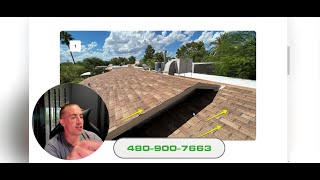
The number one question we get asked in the roofing industry is, how do I know if it's time to replace my shingle roof? And so what I want to do today is give you all the information so you can make an educated decision on when the best time is to replace your roof. My name is Cody Landles. I'm the CEO of Reimagine Roofing. And we're going to dive into what makes up a shingle, how to identify if it's past its useful life, and what steps you want to take to replace that roof. Let's get into it. All right, so a shingle roof is made up of three main parts. It has a fiberglass mat right here, and then a tar asphalt coating on top, and below that fiberglass mat. And then on top of that coating, you then have a protective layer of granules. These granules protect the asphalt coating from UV radiation. The sun will break down that asphalt, and then it will leave the fiberglass mat exposed. And that's when you know that it's time to replace your roof, unless it's been damaged by a storm. So let's take a look at some photos and see what that looks like. All right, so first things first. One of the most difficult parts of a shingle roof and knowing when to replace it is that when you are on the ground level, sometimes it is not evident that you have lost granules. So let's take this photo right here. Here's a perfect example. If you look right here, from the ground, you can see some granule loss that I've pointed out with arrows, but it's still very, very difficult to see. Now, when we zoom in, here's another example as well. Again, from the top of the roof, I can see this granule loss, but from the ground, it's going to be a little bit difficult. Now, when we zoom in, it gets even more evident. So this is what we're looking at here. The black right here is that asphalt tar coating that we that I am talking about. And you can see where the granules have shed off there. Now, right here, this white silver area, that is your fiberglass mat. So what has happened is the granules have shed off and the sun has broken down this layer of tar. And now the only thing you have left is a fiberglass mat. And you can see how it's very porous. It's like a bunch of strands. If you've ever taken apart a piece of duct tape and kind of looked at it, that's very similar to what your Fiberglass mat is going to look like no waterproofing capability whatsoever. Okay, here's another angle. Another example, same idea. You can see where the tar is worn off, and all that's left is that fiberglass mat. All right, let's take a look at a couple other examples. Here's another great example of a roof that, from the surface or from the ground and from this angle, doesn't look to be in that rough of shape. But as we do a thorough inspection becomes evident that we have some pretty serious problems here. All right, here's one section that is aging quicker than the rest of the roof. And so what this tells us is that there's some extenuating factors here. Whether it's poor, poor ventilation or increased exposure to the sun. The biggest thing that's going to age a shingle is going to be heat and sunlight. So if you're in a hotter climate, you could expect your shingles to last for a shorter period of time. All right, and if you're on the south side of the roof, you're going to. And it gets a lot of sun exposure. You may see an accelerated aging here. This one, however, is from the air conditioner. So what is happening here is that water, over time has been leaked right here, and that's causing the granules to shed at an accelerated pace. All right, now, looking at the rest of the roof now, you can start to see if you see this section down here, you have large amounts of granule loss. You have granule loss throughout the roof. You. You can start seeing that fiberglass mat showing. If you look at all this shininess right here on all of these vertical points, that is a telltale sign that it is time to replace your shingle roof. All right, again, more examples here. You can start seeing the granule loss. You see these large chunks here, and that is going to eventually have the fiberglass mat showing through as well. And you don't want to wait till last moment. You don't want to wait till you have a leak to replace your roof, because then you will incur additional cost in the form of plywood, potential damage to insulation, drywall, etc. So you want to take action when you see these signs, so that way you can keep your cost as low as possible. All right, again, more. A more zoomed in photo shows you even more damage. You can see the fiberglass mat showing, and you can really see right there just what it composes, just strands crisscrossing. All right, and then one final example. This one's a little bit more evident, you can see where the fiberglass mat is clearly showing through. And this roof is need and need of immediate attention. This needs to be replaced no later than tomorrow. So, in summary, a shingle roof is made up of three main components. You have your fiberglass mat which provides that structure, the asphalt tar map that goes on top of that and provides the waterproofing layer, and then the granules that go on top which protect the tar mat from the UV radiation. So as those granules begin to get shed at around the 15 to 20 year mark, you begin to have become at risk for your roof leaking because the sun erodes that tar mat. So if your roof is beginning to show signs like this, if you see shininess from the ground, or if you are unsure, the best way to figure that out is with a detailed photo report that takes up close photos and shows you exactly what's going on with your roof. And that's what we offer here at Reimagine Roofing, 100% free at charge. So if that's something you're interested in, please, please feel free to go to our website, www.reimagine roofing.com and submit a form or give us a call at 480-900-ROOF. Either way, we'll be happy to provide that inspection report free of charge so you know the lifespan left on your roof and you can make an educated decision that's best for you and your family. I'm Cody, CEO of Reimagine Roofing. I look forward to hear.