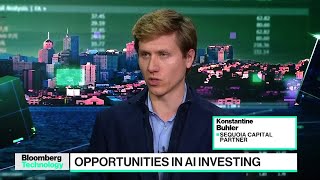
Konstantine Buhler from Sequoia explains how AI systems are learning to work together through a new protocol called Model Context Protocol. It acts as a universal translator between different AI agents and software tools, letting them collaborate seamlessly. One portfolio company, Rocks, uses it to automatically generate pitch decks and demos tailored to specific buyers.
Chapters
Just recently, we hosted our annual AI conference, Sequoia Aircent. We brought together 150 of the top minds in the industry. This is everyone from Jensen Huang and Sam Altman to the young up and comers. And the number one technical topic of the conference was a concept called tool use. Tool use is all about AIs working with each other. We're teaching the computer how to use the computer. And there was fortunately, a big advancement in our industry over the past few months, a new protocol called Model Context Protocol. Think about each agent as an expert. Think about every piece of software as an expert. Your CRM is really good at remembering your previous interactions with customers. For example, the issue is that those experts don't necessarily speak the same language. What this new protocol allows is a universal translation mechanism so that all these AI agents and all these softwares can communicate. And that is pivotal to us as the United States staying ahead. We have to be working together. I'll give an example of what this protocol could do for us. We have a portfolio company called Rocks. It helps the best sellers do really great research before meeting with a potential buyer. They can not only do that research now, they use MCP to connect and actually make a pitch deck directly on the specific needs of that user. They can even plug into cognition or cloud code and and write an entire demo. That's how we stay ahead of the curve in AI collaboration and working together as researchers and engineers.