Use Negativity To YOUR ADVANTAGE In Your Moving Company
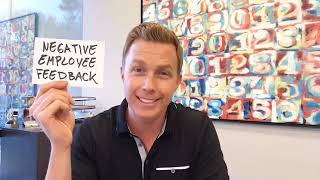
Louis Massaro shows moving-company owners how to use customer complaints, financial data, and employee feedback as actionable signals. Instead of ignoring negativity, track what customers say in reviews, study your P&L to find money leaks, and ask your team what's broken on the ground.
Chapters
What's up, guys? We are live. Listen, before I get started, if you want to learn how to increase profits in your moving company by tightening up seven key areas in your dispatch operation, make sure you go to movingmastery.com I put up a free training there for you. Definitely go watch that. Watch it with your dispatch. Watch it with your team, your operations manager. It's there for a limited time, for free. Definitely check that out. And. And listen, I wanted to talk about some negative stuff today, right? Negativity is not always a bad thing. Negativity can be a very good thing if you know how to use it to your advantage, right? And for the most part, when it comes to emotions, right, you don't want to have the negativity. You don't want to have negative emotions. That's what's going to drag you down in your business. So it's really how you relate to things and. And how you put things in perspective. That's what's going to help you to take the stuff that gets thrown at us in our business, turn it around, and take advantage of it. So there's, you know, there's three key areas here that I want to talk to you about. Because, you know, listen, in business, right? In the moving business especially, there's a lot of, you know, stuff that happens that's not always joyful, it's not always pleasant that you don't really want to deal with. That feels like a total inconvenience. And what's up, Wade? Perfect timing on this one. Been dealing with this all day. Perfect. I'm glad you're here. I'm glad you got this. Yeah. So let's talk about some different negative things that could be happening in your business and how to start using them to your advantage, right? It's. First one here is negative reviews, right? Somebody goes on Yelp, somebody goes on Google, somebody goes on Facebook, whatever it might be, and they leave you a negative review for your company. We all know it's a huge pain in the ass when it happens. You feel totally, totally, you know, like you take it personal, right? As much as I'm gonna tell you not to take it personal, right? You do at first, right? Even if it's just for a second, you take it personal. You get upset because you go out there and you try to do a really good job. You do the best you can to, you know, orchestrate your moves and make your customers happy. But, you know, sometimes you can't make everybody happy, right? So that negative review comes up. So we all know that, right? So when that happens, it's very, very important as you're dealing with that issue, because the first thing you need to do is obviously deal with the, you know, the customer service aspect of it, right? You want to make sure that you're resolving the issue for the customer, but you also need to correct whatever the issue was internally. And where a lot of people will make a mistake is that they will be on such a defensive stance, right? In other words, you know, bad, bad review comes in and they're just on the defense, right? They're resisting it. They're like, want to tell you every reason why it's not true. And when you're resisting it on your end in your business, you're missing a golden opportunity there for real, true feedback from your customer. And I know this is hard to do, and that's why I want to do this episode, which is, you know, when someone's telling you what you do wrong, and I know as a business owner, when someone tells you what your business is doing wrong, even if it's your guys, even if it's your movers, even if it's your sales team, you take it personal and you feel like they're telling you you did something wrong, wrong. And you should, because it's your company. But what you want to do is you want to use that to be able to look for opportunities to find out what's wrong, right? You want to be able to embrace these negative things that happen, because that's the only way you're going to know what's wrong, right? If you're just, you know, skipping along, la, la, la, everything's great, everything's, you know, and you're not getting the bad reviews, you're not getting the negative feedback, you're not getting negative numbers. We're going to talk about those in a minute. You're not going to know what to correct. For me, I would rather know the issue than not know the issue, right? I'd rather have some, you know, big pile of shit dumped on my desk, then not know that it's going on and not know that there's a problem. But meanwhile, it's hurting my business in the background. So anytime you have something negative pop up, be grateful for it, be thankful for it, because at least you're aware of it. And awareness is really the first step in being able to make some change and make some adjustments within your business. So instead of just looking at any negative review and automatically having your defense for it, okay, you might have some justification. You might feel that you're right, you might feel that they're wrong. However, you need to look for some truth there to see where that customer might actually have a point, okay, where you could have prevented this from happening. And you've got to use it to allow yourself to become better. Because the people that do this, and they're like, no, no, no, not me. I'm gonna avoid this issue. Not me, right? I'm just gonna, you know, give my response to the customer or not respond to the customer. Even worse. It's, you know, that's the people that don't last in business. What's up, Katz? Good to see you, my man. We had a customer who write bad feedback for scratching a door, accused us of things we didn't do, and wants to take us to court and won't let the matter go even though we did a good move for them. All right? So, Katz, you could feel totally pissed off. Understandable, right? Understandable. In this circumstance, we're not going to talk about how to deal with the court case and all that today. We're going to. But in this specific circumstance, is there something that happened in this move that you can learn from, that you can improve from? Even if you did everything right, maybe your contract doesn't have all the correct, you know, all the stuff you need to have to avoid losing in court, right? Maybe your movers missed signatures on the contract. There's got to be something that you can learn from, from, from this negative review that's gonna help make your company better. Never leave the sight of a negative review or a complaint or a claim without finding a way that you could correct that internally and make your company better. You know, we all forget that, you know, the companies of the late 1800s and early 1900s, these major, major corporations weren't just built overnight, right? So if you have a moving company, you've been in business for a few years, you're still, you know, you're still learning some things along the way, right? You're still gonna make some mistakes. And if you're learning from those mistakes, that's how you'll become that hundred year old company. That's how you'll continue to expand and grow, right? So just make sure that you're learning from that, Katz. Make sure that whatever it is that you do, put aside the, you know, the tendency to take this personally, right? And want to be really upset with the matter, you're still gonna have to deal with it. You're still gonna have to deal with court and, you know, listen the reality is sometimes people just, you know, are unreasonable, right? However, that does not. There's two different things happening. There's. You know, you could be upset. You could feel they're unreasonable. You could feel that they're wrong. However, what can you do to improve what intel, what data can you collect from that negative review or claim or want to take you to court or whatever the case may be? What can you take from that and go make an improvement? So what I want you to do is make it a habit from now on that anytime any of this stuff happens, you look and drill and search and find something out of that negativity, that negative review, that complaint, whatever it is that you could pull out of it and make a change for the better. All right? Every single time. So that's negative reviews. Let's talk about some more negative things that could possibly be going on. Negative numbers, right? Negative numbers. You're reviewing your reports. You're reviewing your marketing report. You're reviewing your P. Ls, your sales reports, and the numbers aren't good, right? Negative numbers. Well, to me, first thing I would do is be very grateful that you have those reports, right? For my clients that I work with, one of the first things that we do is get their numbers on point, make sure that they've got their marketing ROI make sure that they've got their P&Ls in place, make sure that they have the proper sales reports and operations reports. And I can tell you that it's kind of like clockwork, right? When they don't have the reports, and then they start with the reports, the next conversation is, oh, my God, this is wrong, that's wrong, this is wrong, that's wrong. And I'm like, yeah, but you know what? It's been wrong. Those numbers have been that way. You've been losing money in that area. You just haven't known it yet, right? You just haven't been aware that that's actually been happening. So let's celebrate a little bit that at least now we could see it. Because when you've got negative numbers, your business, you know where to start digging, to start repairing that, right? If you're just sitting around and you're like, hey, I'm not making the money I want to make, right? Or worse. You know, we're losing money. We're going into the hole every month. Well, you need to know where to look, right? You might say, louis, how do I fix my business? I don't know. We need to look at your numbers. We need to see where this problem is coming from. And so when you take those negative numbers and you use them, right, Because. And hear me out here, because, you know, it's not just about, you know, taking advantage of the negativity. It's also saying negative numbers. But, yes, I'm gonna stop letting negative numbers, negative reviews, negative feedback affect me. Because as an effective leader, you can't be all caught up and worried and pissed off and dealing with all this negativity. You've got to say, okay, I don't like these numbers. I'm upset, okay? But now you got to get over it. And now you need to go to work to get a plan to turn things around, right? So it's really a matter of not only embracing the negative, but starting to appreciate the fact that you can see the negative stuff. You know, there's a lot of people that might have a lot of unhappy customers that they never hear from. They don't know there's no opportunity to correct things. But that customer is still not going to refer you. That customer is still not going to use you again, right? And I know there are a lot of companies out there that don't have their numbers on point. You know, if you have read 10 rules of a profitable moving company, you know, the first rule of a profitable moving company is know your numbers, right? It's the only way that you're going to be able to identify areas of concern and opportunities. You've got to know the numbers. So when you've got these negative numbers, great. You know where to go to work. You know where your priorities lie, right? So that's negative numbers. So we've got negative reviews, We've got negative numbers and negative employee feedback, right? I mean, come on, nobody likes to hear some employee telling you what you're doing wrong in your company, right? You've got a mover, you've got a salesperson, or you've got, you know, a manager or someone that works for you. And whether it's, you know, whatever the case may be, I've had it happen, you know, And I used to feel like, you know, like, early on, I was like, who do you think you are telling me my company and what we need? And you know what? I got over that really quick. Because as much as it stung, right, as much as, like, I didn't like to hear what they had to say, there was some truth in it, right? As much as they might not be able to run my business, I might say, well, you know, you can't do this. They still see something that I wasn't seeing. And they still see it from another angle, right. I was reading a story recently from. Where was I reading? Anyways? It was about Abraham Lincoln, right? And he had a. Somebody on his team. Was it a, like a Secretary of War or something? I'm not remembering this correctly. If somebody knows the story, you can let me know. I think it was the Secretary of War and was talking about how, you know, Lincoln wasn't doing stuff correctly and really talking about him behind his back, right. And so when Lincoln found out, instead of, you know, getting upset, he said, well, you know, I better go see him to find out what the issue is. Because, you know, he's most, you know, he's probably right. And I want to learn from this, right? I want to be able to improve based on this feedback. So, you know, you've got employees that, you know, they might leave, right? And on the way out the door they might curse you and tell you everything they don't like about your company or they're talking behind your back. You know, it happens, right? No matter what you do right now, I could tell you, you've got a team of people working for you, you've got a good sized business. Not everybody's talking good about you behind your back. As great of a leader as you are, okay? They've got some things to say, right? So if you hear those things, if you are receptive, you're going to learn a lot about your business. So for me, you know, one of the things we teach in moving sales academy is, you know, one of the meetings, it's called a discovery meeting. And a discovery meeting is a meeting where you sit down, you have a list of questions where you're basically talking to employees to find out what's going on. So when you're open and you're receptive to feedback, even if it's negative, and the employees don't feel like you're going to jump down their throat the minute they give you something bad, right? I mean, if you make them scared to tell you because you just fly off the handle and you get upset, anytime something negative happens, they're not going to open up. You want to know what's going on in your business, you want to hear from people what they like, what they don't like doesn't mean you have to, you know, make adjustments or make changes just to appease them. Okay? They might be wrong, right? They might not have a valid point. They might not be seeing things clearly. They might not understand how the whole thing works. But don't you want to hear that information? Don't you want to know the front line of your business and what they have to say about what's going on? You want to create an open format to where you're able to do that, and Discovery meeting is a perfect opportunity to do that. You find out where they're having. Sorry about that. I think we're still live. Got a phone call. Hopefully it didn't cut us off. And. Yeah, so you want to get that feedback, right? You want to know what's happening from your employees, and you want to be able to take good action from it, right? I still, to this day, when I had, you know, even when I had close to 80 people in my. In my main office, not even. Not movers, people in the office, salespeople, administrative, customer service, I wanted to get feedback from people to see how we were doing, what we had, you know, what they were struggling with, what they saw in the company, where maybe they had some, you know, insight on how to do things better. By the way, if you haven't already gone to movingmastery.com and got the free training, I just put up on the seven key areas of dispatch that you need to tighten up to increase profits. Go do that. It's free. It's there for you. MovingMastery.com Go check that out. It's video training. It's like an hour long. But go get it now before I take it down. Use these negative feedbacks, right? You got negative reviews, right? Use those to your advantage. Negative numbers, right? You got to know that you have negative numbers. You've got to make sure you've got your reporting on point to where you know what's good, what's bad, right? You take a look at your P and L. It's very, very easy once you've got it configured to be able to take a look and see where the problems lie, right? Where you're losing money, where the opportunities lie, where you're making money, what's profitable, right? You want to take what's profitable, you want to take what's working and you want to keep doing it. The stuff that's losing you money, you need to adjust, you need to tweak. Maybe you need to shut some component down. Maybe you have a lead source that's bringing you a ton of business, ton of business. You run the marketing ROI report and you find out it's bringing me a ton of business, but it's not profitable because I'm paying too much for that lead source, right? I love negative Numbers, Right? You see, it's all about the numbers. You could see things very, very clearly, and you know what's going on, and the negative numbers point out the problems. Right? It's like, you know, don't. When you go to the doctor, do you want the doctor to just tell you everything's. Everything's great. Of course you do. But if something's wrong, don't you want them to know and tell you about it? Yes. Yes. Then you could go deal with the issue, then you could address the problem. But if you don't know something's wrong, right. You hear. You know, listen. People drop dead often, every day, every minute. Right? And what's sad is when people say, you know what? He didn't even know he had this. He had this and he didn't even know about it. Right. Well, there's, you know, underlining disease in your business that if you don't know about it, can take your business down too. Right? So knowing about this stuff is huge and negative employee feedback. Hear what they have to say. You might want to curse them out when they're telling you, bite your tongue and, you know, take the good, take the bad. You don't have to take everything they say and moving truck just drove by. I was trying to see who it was. You don't have to take everything they say and roll with it, but at least you've got that insight. All right, so listen, I hope this was helpful. Go to movingmastery. Com, get that free training while it's still up on how to increase profits by tightening up your dispatch operation. And listen, go out there every single day, profiting your business, thriving your life. Thanks so much for tuning in. Thanks for the comments, guys. Catch Wade. I'll see you guys later. Thanks.








