In this instructional video Kai Davis explains that profitability in IFVG (inverted fair value gap) trading depends more on avoiding losing trades than on catching every winning one. He outlines several common setups that should be avoided: (1) entering a trade too close to a strong liquidity draw such as equal lows, which often pulls price back to take out the draw; (2) trading when price has been consolidating in a sideways “unprofitable price range,” even if other confluences exist; (3) taking positions when the candle that embosses the fair‑value gap closes weakly (i.e., does not close well beyond the gap), which signals insufficient displacement; and (4) entering trades when multiple fair‑value gaps are stacked, especially when the higher gap is inverted while a lower bullish gap remains untouched. For each pitfall Davis provides concrete entry/stop‑loss guidelines, explains the statistical reasoning behind the rules, and stresses the importance of waiting for clearer price action before committing. The video ends with a call‑to‑action to join a waitlist launching April 16.
Chapters
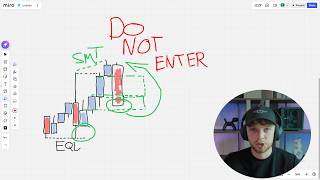
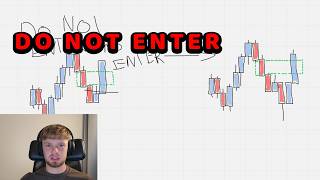
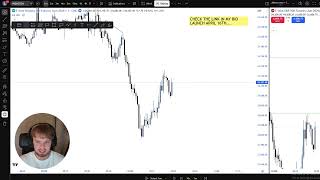
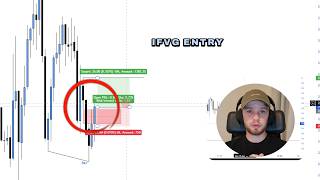
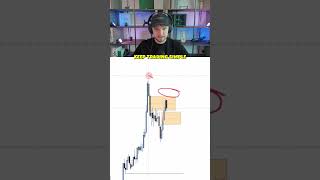
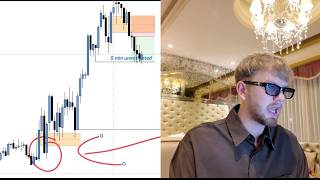
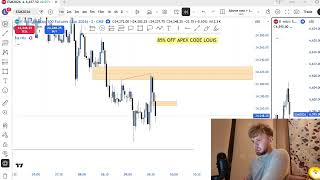
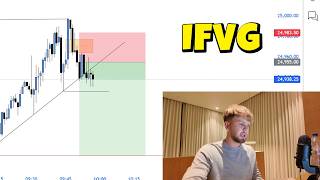
Everybody is trading IFVs, but what is more important than catching all of the winning trades is making sure that you can avoid the losing trades. Because if you can avoid the losing trades, it will allow you to become profitable. Anybody can enter into a trade once you see a candle close above an IFV, but that is never going to make you profitable, and that is not sustainable in the long run. So in this video, I'm going to be going over all of the different types of of IFV trades that you should be avoiding and why, so we can make sure that you know the bad trades to avoid. Let's jump straight into it. And in this example right here, what we're looking at is a strong draw on liquidity. So below right here, we have some equal lows. When we are trading, when we are trading, price action always wants to trade to a strong draw on liquidity. If we're looking at this chart, imagine that this is a chart, then what we can see is We have a swing high above here and we have equal lows below. What is a stronger draw on liquidity, swing highs or equal lows? In this instance, the equal lows are a lot stronger. Now, as you can see, we have just inversed this bullish— sorry, we've just inversed this bearish fair value gap. So what a lot of traders would now do is enter into a long position right here and target this buy side liquidity draw. Now, this is not a good idea. The reason why this is not a good idea to get an entry right here is because we have came extremely close to this south side draw on liquidity, and it is equal lows. Most of the time when we come extremely close to a nice draw on liquidity, in this case being the equal lows, price action will take those. So in this instance, even though we've inversed this bearish FVG, statistically talking, we we still have a higher chance to come down and take out the equal lows. Therefore, it is not a good trade to take. If, for example, we got some more price action, we traded up a bit more, then we got another potential IFVG trade like this, now then you can look to enter into this trade because we have more context and we are further away from the equal lows. You just want to avoid those trades where we're literally just touching the draw on liquidity, especially if it is an extremely strong draw on liquidity. Moving on. Now we're looking at the same instance. It doesn't matter if we have equal highs or not below, so let's just remove these equal lows for this instance. Now what you're looking at is what will catch a lot of people out. We clearly have a fair value gap that has been embossed right here, but there is a big, big problem, and that is just simply the price action beforehand. You never ever want to enter into a trade if price action is consolidating and going sideways. This is what we call the unprofitable price range. Even if you were consolidating, consolidating, consolidating, and then we get a nice displacement candle through this fair value gap, it still has a very low chance of working. We could have all the context in the world. We could have a bearish SMT here. We've swept sell side, buy side liquidity. Our daily bias could also be bearish, but But just because if we are simply looking at this price action right here, again with all the confluences in the world, just because we have this consolidation right here, the chances that this is now a winning trade is extremely low. So keep that in mind when you're trading inversion 5-hour gaps, and let's skyrocket your win rate. Okay, now we're looking at this trade. Let's, let's give us a bit more room here to work with. So let's look at this trade. Now we're in a very similar position to the last trade that I just shown, but this will catch a lot more people out. In this instance, let's say that our daily bias is bearish, so ideally we want to look for short positions. You want to enter into nice short positions and make some quick profits. You can clearly see we've got some low resistance liquidity, so that just means when we can draw a perfect trend line, there's lots of stop losses resting below this point. If you want to watch that video, I posted that yesterday about liquidity. So let's say we have perfect trendline liquidity below. We even have an SMT, a bearish SMT. We even have our daily bias being bearish, means that we want shorts on our higher time frames. The problem with this trade simply comes down to the candle close. Now, when we're embossing a fair value gap— and here's the, here's the fair value gap, by the way, of course— but when we're embossing a fair value gap or an FVG or an imbalance, whatever you want to call it, you You want to see displacement and you want to see it close more than, less than a point below the actual FVG. Okay, so as you can see, we have this fair value gap and you see how the candle has only just closed below this fair value gap. This is not convincing and this is not what you want to see whatsoever. A lot of the time what you can do in this instance if this does happen is simply just wait for that next candle, and then in the next candle if you get a nicer candle close, then that is where you can look to enter, obviously targeting this low resistance liquidity. So this one's pretty simple, but just be very, very careful when it comes to when an inversion looks like this with not a strong wick, even if the candle looks like it is a strong displacement candle, okay? That will catch a lot of people out. Now moving on to this example, and this is the number one example I would say of why traders, especially newer IFVG traders, get caught out. Now again, let's say we have a perfect, perfect trade setup from what a lot of traders would think. Well, let's say we have the SMT, our daily bias is bearish, we just swept buy side liquidity here, and again we want to enter into short positions. This of course is your bearish candle. And yeah, let's say you want to enter into the short position. So here is our bullish fair value gap. Let's even say that this has a nicer candle close than what I've drawn it here. So let's say that this has a very nice candle close. It looks something like this. And yeah, let's say we have a nice candle close like that. You want to enter into short positions. We've displaced below the low, we have the SMT at the highs, we have a sweep on buy side liquidity. Now the big problem with this trade, and under no circumstances can you ever enter into a trade like that, this is because we have a bearish fair value gap— sorry, a bullish fair value gap below this fair value gap that we originally had here. So again, this is extremely important, and a lot of traders will get caught out by this. When we have multiple fair value gaps in a row, what you can do instead of marking out the higher fair value gap— and what you should be doing— is one, either do your risk management only from this lower fair value gap, simply because if we inverse this first fair value gap here, it means nothing because we're still respecting this bottom fair value gap, and price could easily reject and go in the opposite direction. Okay, that's very important. The next thing that you can do, like I just said, is mark these two FVGs out as one big fair value gap. So let's say on the next candle we inverse the fair value gaps like this. We have equal lows below. Now we know that you want to enter into short positions. This is where you'll get this entry on this candle close, and you can manage your stop loss up here from both of the candles. Both of the FVGs. Under no circumstances can you enter into short positions just when we inverse this top FVG, okay? That's extremely important, even if we're wicking into this fair value gap. So let's say we close below this bullish fair value gap here, and somewhere down here we have a bullish fair value gap that's not yet been tapped into, or we just have a bullish fair value gap below with no internal liquidity. Even if the wick of this candle is tapped into that FVG, you cannot enter into that trade, okay? It needs to be not inside of any FVG. So the only way that you would enter into short positions here is if there was no fair value gap right there, and then boom, then you can perfectly enter into shorts targeting those equal lows. Let me know if you like this video and check out the first link in the description. Do not miss out, make sure you sign up for the waitlist launching April 16th, and Um, yeah, let me know if you like these quick little videos where I give out lots of information on trades that you should definitely be avoiding.