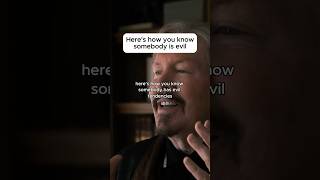
A short spoken monologue stating a concise heuristic: chronically dangerous or "evil" people do not feel regret but instead offer explanations and justifications for their actions, whereas morally responsible people admit mistakes and make amends. The speaker presents this contrast as a simple law for identifying harmful tendencies.
Chapters
Here's how you know somebody has evil tendencies. And this is a simple law that has held throughout history time and time again. It states, the most dangerous people never have regrets, only explanations. And what that means is, well, do you ever notice how some people never admit when they're wrong? How they always have a reason, an excuse, a way to twist the situation so they're never at fault? How they act like the victim, even when they're the ones who caused the damage? Now, compare that to someone who actually owns their mistakes. Someone who doesn't twist the truth to look good. Someone who doesn't make excuses, but instead makes things right. One of them is always justifying, the other takes responsibility. And so if you want to know if somebody has evil tendencies, don't focus on how they hurt you. Look at whether or not they justify it.