In this conversational segment, Mehul Nariyawala discusses the motivation and design choices behind a robot vacuum that incorporates a HEPA filter directly into its disposable dust bag, eliminating the need for users to remember separate filter changes. He notes that after four years of development, the team validated the product through a "test house" approach, using personal approval from his wife and co‑founder as a barometer for success. The discussion also touches on broader consumer behavior, highlighting that many household purchases require spouse endorsement. Finally, Mehul critiques existing robot vacuums, pointing out that low‑mounted sensors and cameras create occlusion problems and limit the robots' ability to navigate over shag rugs and thresholds, which are common in modern homes.
Chapters
And then we also realized that, look, we are humans, we forget things. We absolutely forget how to change filters in our vacuums. You know, raise your hand if you've changed filters in your vacuum. Everyone forgets it.
My coffee maker has a filter I'm supposed to change. Have I changed that?
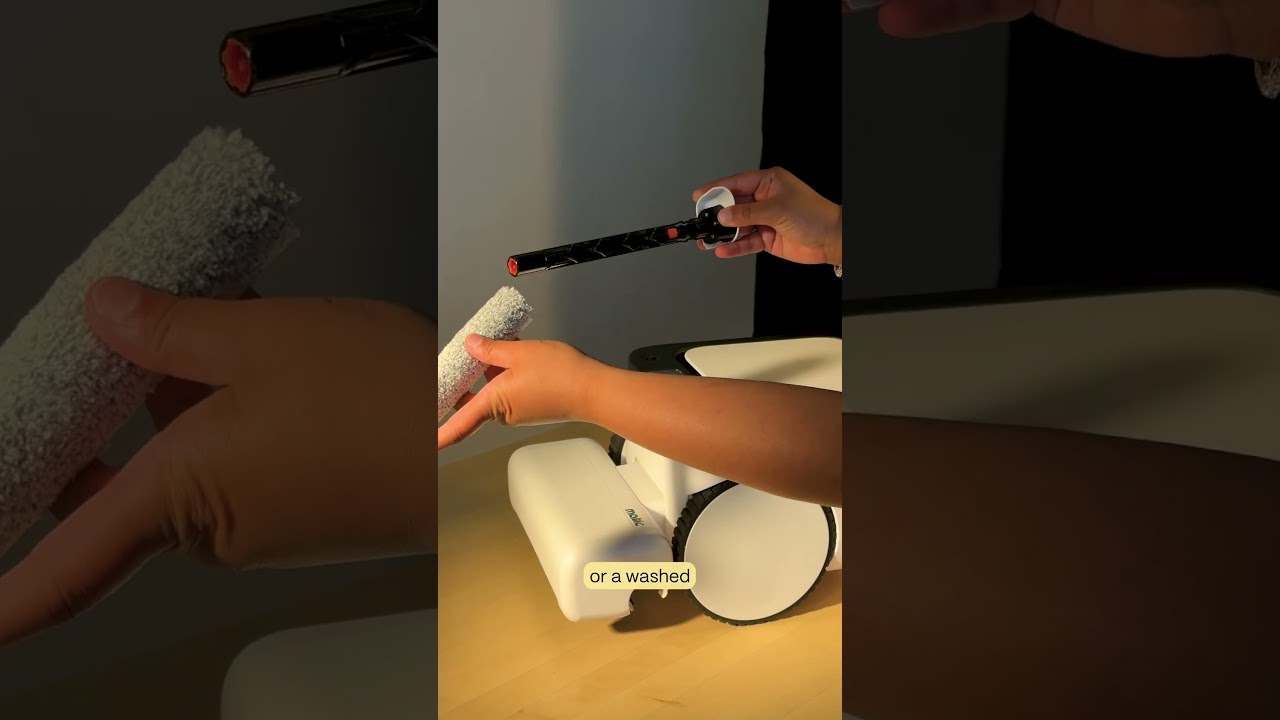
I think I've changed it a few times. There you go. So we realized that, you know, people forget to change. So we actually built in a HEPA filter right in the bag. So every time you change a bag, which is it can last for a month. You're a really great product thinker, man. And how much— how long have you been working on this thing? We've been working on this thing for about 4 years now.
And how many robots have you gone through in your life?
We've gone through a lot of them. But do you have like a test house? Yeah, we have a test house, but our internal, uh, barometer was that if I can get my wife to fall in love with it, we're there. Or if my founder Navneet— It's a house test. I used to use that in the company.
I used to Work in a consumer electronics store, right? Yeah, there you go. That was a must if you wanted, if you wanted to buy a refrigerator, the spouse had to pass it, right? Yeah, exactly.
So we had to—
You want to buy a telescope, your spouse had to approve it.
Exactly. So, so to go back to this idea, you know, we started with this point of view that all these robots haven't really improved. They're adding sensors to it, they're adding cameras to it, but they have an ant-like vantage point, which is not necessarily good to see what's in front of it. It doesn't have— So occlusions are a problem. Occlusions, what is behind it, Whether it's shoes, whether it's something else, or whether it's a threshold. If you just have a tiny vantage point, you can't really tell what's going on. Also, they're very low to the ground, so they can't go over shag rugs, they can't go over the threshold. So that— and a lot of people have shag rugs and thresholds now.