Mehul Nariyawala explains why his team moved from software to hardware robotics. At Flutter and Nest, they hit limits with software-only solutions: no control over camera settings. Real algorithms need to be productized and tested in the world, not just researched. Hardware is the only way to hit 99.99% reliability.
For sure. And as you mentioned, hardware is hard. Robotics is 10 times harder. One of the questions we got from Dan is, hardware production is costly, an evolving nightmare. How do you scale from prototype to product? And why pivot away from a software background?
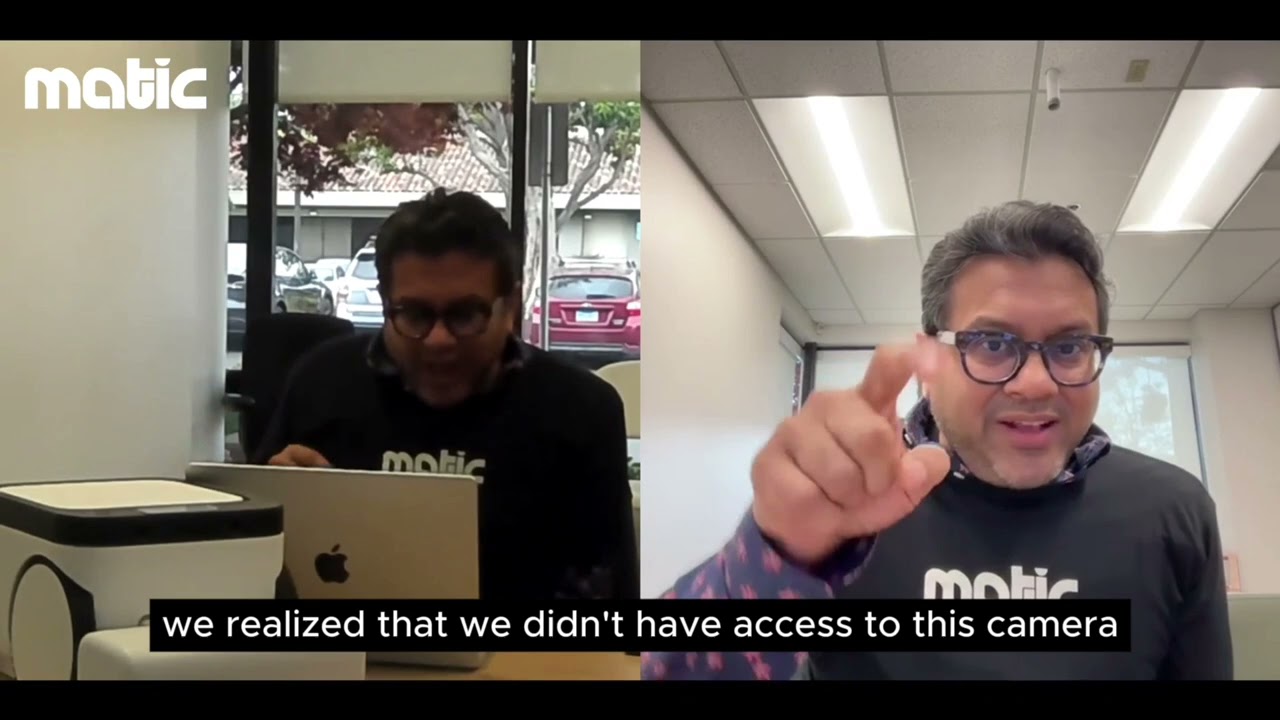
Yeah, so that's a great question, Dan. When we left Nest— so, OK, I'll take a step back. Between Flutter and Nest, we actually went to Nest just because We wanted to understand hardware, and we wanted to learn how to do hardware. And this is because with Flutter, we did gesture detection over webcam. It was essentially Microsoft Kinect, but just using these cameras that we have. And we had these gestures, which was play, pause, previous song, next song, thumbs up to like song, shush to mute. So you can control your iTunes and Spotify using those gestures. It was great. And we built this algorithm, and it became number one app in 73 different countries worldwide. But we realized that we didn't have access to these cameras. We didn't have frame rates per second. We didn't have auto exposure. So it was like building algorithms for an eye that was out of our control, that might be even wavered. So we felt like we had built half the solution, and if we had access to the cameras, we could have done a much better job. But at Flutter time, we had no background in hardware whatsoever. So one of the big lessons that we took away is that if you're trying to solve a problem You can't arbitrarily limit yourself to hardware or software. You have to say that what is the best way to solve the problem? And if that means hardware, then we should go do it. So with the problem that we had, and this is my own personal problem, I have 3 kids, I had a golden retriever dog, and I was using all these robot vacuums and just realized that they were all sort of sensors first or mechanical first. And we came to conclusion that It required a vision-first approach to truly solve them. And that meant actually doing the hardware and solving the problem using product. And that's what we decided to do. And the reason to do product as well, and this has been, Navneet, in our philosophy, that if you're trying to genuinely push the algorithm to the nth level, then you have to productize it. The only way to know if your research or algorithms work is to put it to the test in a real environment. And because that forces you to go through challenges that you may not have thought through You're just doing research. So when you publish an algorithm, you're taking it from 0 to 80, but really shipping it to customers requires it to take you to take it to 99.99%. And that means productization. And that's what excites us, which is getting it to the hands of the users. So that's why we decided to do hardware.