$1M Business uses HIGH INTEREST LOANS to Cover PAYROLL...
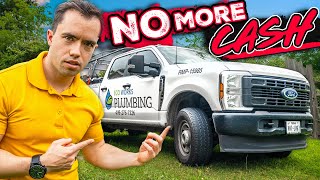
Mike Andes consults with Seth Saunier of EcoWorks Plumbing, a $1M business taking high-interest loans to cover payroll. They dig into cash reserves, declining revenue, and marketing problems to find a path forward.
Cash reserves are depleted.
We're covering payroll this week. We gotta cover payroll next week too. Just in case either of us didn't know that.
How we're gonna do next week, I don't. I don't know.
Today we're in Texas visiting Seth from ecoworks Plumbing.
We were like, okay, we gotta do something before, like, you know, IRS or something shows up.
He brought the account on a stack of papers like that. Like five years worth of bank statements.
The business only has $3,000 in the bank.
We're at, like, three grand this morning.
We're at three grand this morning.
Yeah, but they have $200,000 worth.
We did have to take a loan from his dad. His dad loaned us, like, 15 grand, and now we're down out of that.
Revenue has declined by 70% and leads have dropped off a cliff.
We're not gonna try to make money on something like that. When everything slowed down, it got worse.
Ty, the general manager of the business, is the one that reached out for help for the turnaround.
I feel pretty alone since he's going through what he's going through. So any help I'd really appreciate.
Because the owner, Seth, is in the middle of a divorce.
I lean on Ty heavily, probably too much.
I don't know what Seth's goals are to stay in business.
This is the business turnaround show. My name is Mike Andes. I'm the founder of Augusta Lawn Care. We have over 175 locations around the world, and I travel around the country fixing struggling businesses like you have the capacity. Probably 80,000, 90,000amonth in revenue pretty easily.
Easily, yeah.
Easily double the business. Our goal is to give Seth and Ty a strategy to turn around the business in the next six weeks. I think it's the first plumbing business we've done turnaround for. A little bit awkward how the person who actually asked for this turnaround is the general manager, not the owner.
We are having trouble scaling the business. We at one time had three trucks on the road and payroll, and everything was killing us. We'd really appreciate it if someone could really help us in this aspect. I feel pretty alone since he's going through what he's going through. So any help I'd really appreciate as the leader.
If you're not showing up. Yes, you have personal stuff, but realize it's going to affect the business business really negatively. And the fact that his general manager is the one that applied for the turnaround tells me that, like, there might be a problem. How's it going?
Howdy.
Howdy. Is this Seth, right?
I'm Seth.
Yeah. This is a nice little spot you got.
Thanks.
So you originally started, right?
Yes.
And how long ago was that?
2016. My name is Seth Saunier. I'm the owner of EcoWorks Texas doing business as Eco Works Plumbing.
And then when did you come on, Ty?
October of last year. My name is Ty Malagari. I am the service manager slash acting GM for Eco Works Plumbing.
Do you all know each other beforehand or how?
I apprenticed under him before I was a plumber. So like when I was learning to be a plumber, I apprenticed under him. So I'm a second generation plumber. My dad was a plumber. So like when I graduated I went to college for a while. Wasn't really my thing. So my dad got me a job and I worked my way up very well. I got my first manager job at 22 and it's just been up from there.
And then last year did we go ahead and get a couple more trucks and kind of scale it up?
Now we have too many vehicles. He's personally financed every vehicle except for the Dodge that's out there. That's my personal vehicle that we wrapped whenever I came on. We almost quadrupled monthly revenue and we kept that consistent until January and then we kind of plateaued. Went down. February was good and then March, April, May.
It's been a downward slide.
We also have a profit and loss statement. And yet again we have a business that's probably going to do a million dollars in revenue this year. And so the fact that this business now is going to do almost a million in revenue now we have a divorce with an owner. Everything is getting very involved. We have $150,000 of debt. It compounds the magnitude of risk that you're taking. You don't have your numbers.
We want to grow to maybe branch out to other locations, but we want to master this location first. The owner is going through a divorce, so that's really hurting us. And he does have a larger salary, which kind of does hurt us in a way because there's no production there.
And we're walking a business that is providing for several families. And it sounds like the owner is taking a lot of money from the business, but that can stop very quickly.
The leads have like fallen off. Our market spend has not changed and we went from like ranking number one, number two to like being between four and six. Everybody's going to click on the number one, number two spot on Google.
Market share here isn't really big enough.
To hold the 50 companies that work here, the market's so flooded, washed out, with so many different plumbers and Billy Bob Thornton and everybody that knows how to plumb is a plumber. You know, one of the main struggles we fight is you go to people's houses and you give them the price, and it's like, why is it so expensive? I called somebody and got a $500 bid, and it's like, lady, we're in business.
And then the bigger companies that are private equity just can dump as much money as they want.
We're converting our jobs. Well, it's just getting the jobs right now is kind of rough.
As you see it. The problem is like, we simply are not getting leads. And that has been a downward trend since February. Yeah. And has anything changed on the website? Like, did you change who built the website or did they make any SEO changes or anything like that?
I mean, they update it regularly. I'm not gonna pretend like I know SEO. That's why I pay somebody.
Up until until recently, they've kept us ridiculously busy.
Are you paying them for the ads and the marketing side as well as the website? Is it all one big package?
We pay $1,600 a month, and that's for. They built our website and they maintain, like our Google Ads and stuff. And then we pay Google, of course, however much Google charges us.
Most people, they spend money blindly to an agency. And whenever I see that, I consider, what if we just turn the ads off? And many times if you do that, you'll still get 60, 70, 80% of your leads. And then what are we spending on Google itself in terms of ads right now?
I would say like $500 a week.
A week? Week and a half.
And how many leads that usually generate.
In a typical month?
It'd be like 80, 80 to 90. Recently it's been like 29, 30.
Many times the leads that are coming, assuming your trucks are wrapped. So you have a great website. A lot of that traffic that's being attributed to Google is actually just last click attribution, which is they search for EcoWorks Plumbing. They clicked on your ad versus them. Just clicking on the link below, which is your Google listing or your native search. How long you been here now?
Almost three years.
Oh, it's big back here.
The whole thing's 5,000 square feet.
1,000 bucks a month.
Yeah, 20 cents a square foot. Let's go.
Everything right there is Seth's junk.
Just junk.
The rest of it's kind of just tools, parts.
Gets like super hot in Here it does.
Okay.
All right.
During the summer when it's like 110.
Yeah.
It gets pretty hot in here.
And then when. What was her name?
Sorry? Gracie.
Gracie.
Gracie started two weeks ago.
Oh, really? Okay.
Yeah.
And so she. Is she answering the phone and everything now? Yes. Okay, well, this is also a lot different for me. I served Kale for the last five years. Oh, really? Now I'm here, so. Yeah. So it's a big difference, but I like, a lot better.
Yeah, she's actually. She does really good. I mean, so, like, another issue is. Is that because we're trying to figure out. We're running around trying to figure out what we're gonna do. And, like, she still needs to be trained on everything. That's her job. Like, we trained her where we can, but there's still things that she also is in her job description that I haven' been able to teach her how to do.
I don't know a lot about clothing. So they're having to, like, inform me on things as I am, like, taing the phone calls. I guess, like, I have to, like, stop ask questions sometimes. That's my only problem. But they are working on getting me, like, a paper of everything. So, like, I know exactly what to do, exactly what to say, and I don't have to put the customer on hold so much. Yeah. Because that is one of my big.
Problems then I do have to say that.
So that's all me.
And that's just because we're trying to figure out how to stay afloat.
And so as it currently stands, the leads have come down a lot. Have the crews basically. Basically staying busy and. Or have you just been like, hey, we're going to pay the same and we just don't have as much work.
Trying to keep them busy and paying everybody full weeks. And we're getting to the bottom of the barrel on that.
Our cash reserves are depleted.
Most of their assets are. Trucks are all underwater. In other words, you owe more than what they're actually worth. Technically speaking, if you take all the assets of a business and it's less than the liabilities, if you were to sell them all off, then we'd actually be insolvent. In other words, we should sell the business because there isn't any value. Now, if the business is generating cash flow, that's a different matter. And right now, I don't even know if it does. I'm going to go on a limb and say that technically speaking, we're probably a break even in terms of our balance sheet. And we just don't know because we don't have any numbers. I know when you originally applied, it was like, down to like 10 grand, which is one payroll, essentially.
Like, yeah, now we're down like $1300.
We're at like 3 grand.
This morning, we're at 3 grand.
Yeah. That financing for that one job came through.
Okay. And so really, last year, when we Getting really busy, I'm assuming from your perspective, like, okay, I'm going to try this again. Scale back up and then reach out to him, like, hey, I need some more, like, help from someone who's done a bigger business before and brought him on.
I have big goals for growing this business outside of definitely one store. I'm thinking maybe a plumbing franchise to combat these big companies that are taking advantage of their customers and not providing a quality service.
Is that kind of how that worked or what was your reason? Because you'd done this before and you didn't like it.
I guess a lot of life changes. The ultimate goal is, like, scale as large as possible. Probably get out of plumbing a year ago.
They probably weren't planning for a divorce to pop up inside this business. That's why they got way more trucks than they should have. That's why they're like, way grow, grow, grow. The pieces on the board change. And so to think that in 10 years, I'm going to understand where all the pieces of the board are going to be, and then I'll know the decision for the business will be best. That we franchise is ludicrous. Just focus on making a business that is so profitable that can run without you, and then go figure out franchising. Because franchising, a completely different business, it's literally not. Has nothing to do with plumbing.
I have five kids. It's a task.
Yeah.
Homeschooled kids home. They don't go to school.
Yeah, Home, school.
And so why. So, like, your. Your thought is, okay, I'm going to skill the business so it can run without me and. Or sell the thing. Yes. And then I want to be able to get out of.
Yeah, yeah. Or at least be hands off or minimal. You know, come in, make sure everybody's doing what they're doing, and be able to, you know, take care of my kids. I feel like I'm a thousand places in my mind at once. So whenever I get to work, it's like, what? What do I do?
So Seth had started the business as a solo operator and then tried to scale it up, and it didn't work. And so the Goal is like, how do we build the business now in a way where that does work. A lot of times, though, when someone scales up a business in order to have to work as much, I actually see them build it in the wrong way because they try to do that, not work so much in the business prior to it being capable of not having the business owner around. Do you want to sell or do you want to build this to run without you?
I'd rather build it to run without me. And, you know, I mean, we've talked about loyalty stays there. Like, you know, eventually, like, giving him a share of the business because he's helped grow it to whatever it can be.
Because there was a point, like, I would say December, January, where he was able to not completely step back, but take, like, half of what was on his plate off and, like, save his kids a little.
I needed it.
With all of his personal stuff, he needed time off. The only thing that we've talked about that I really don't want to happen is me, go work somewhere else. I mean, that's how he feeds his family. I can get a job somewhere else if I had to. I don't want to because I put everything into this that I can. We were doing really well, but, like, when the leads slowed down, like, I was calling him because I don't know what to do when the leads slow down. I work for companies that have millions of dollars worth of backing. They're going to get leads somehow. I've never managed, like, the money.
And so because of the personal circumstances and the divorce that has happened, Seth is trying to spend more time with his kids. That's great. But right now, the business needs, like, someone that's willing to work 16 hours a day to make these changes happen, whether or not he's able or capable of being able to spend that time and energy, just make the turnaround. I don't know. You've probably seen me use the Foil framework before in terms of, like, where's the constraints in the business? The Foil framework identifies the four ways that a business stops growing. Either because we don't have enough liquidity, we don't have enough leads, we don't have labors, or we don't have enough leadership from a liquidity perspective. First off, we have way too little cash in the bank. A big reason why the business can't grow is they don't have enough money. Growth takes cash. And right now, liquidity is a huge constraint to why Eco Works can't grow. And so $3,000 cash, the problem with having that little cash is we also start to make dumb decisions because we just have the stress of not being able to pay the bills, not being able to run payroll. Having just constant financial stress causes us to make other admin operational errors in the business because we get reactive. We say, oh, we need more leads. Okay, we'll dump more money in LSA or whatever it might be. We have 150,000 right now on the truck bucks in terms of debt, is there anything else in terms of loans?
Yeah, so I actually took a $15,000. Okay. Yeah.
But is that the only other personal debt? And there's some credit card debt.
Credit card debt? Yeah, probably about 18k.
Credit card debt. This is the worst constraint in the business currently. And the reason for that is because there's $3,000 in the bank and sometimes that hits zero next week. They're not sure if they can hit payroll. And we also have almost $200,000 of debt, 150,000 for. Then we got credit card debt and then we got a personal loan. That just bridges over the past few weeks. And to fix any of the other problems in the business, they've got to make sure there's enough money in the bank. So you can just think clearly from a liquidity perspective. Those are some of the problems.
Right.
From a leads perspective. The biggest trouble I have is that we are blindly spending money on lsa. LSA has been the lead source in the past, but we, we know that there's going to be people that are willing to outspend us in that market. And the leads that come in from that are going to be more price sensitive as well as only people that are buying from us because they have an emergency. We were simply there when they had the problem. Yeah. And so the LSA dependency, you have single channel risk here, here, which is like you have all of your leads coming from one place. And if that was the change, like for example, if tomorrow someone came in, like, we're willing to spend $200 and we're just going to completely blitz this market. We would have no leads. And there's a chance in the past month that's what's happened, is other companies just come in, they bid you way up on your lsa. There's more of them that come in, they just put their budget to bazillion dollars and like, let it run. Is there ever a time that you're spending money on a marketing channel and you're just crossing your fingers and hoping it works? You don't have any way to verify whether or not there's good cost per lead or customer acquisition cost. And it's the only way for you to make money. You are handcuffed that channel. And so if Google changes algorithm tomorrow or your ad agency changes their mind or their pricing, you are completely handcuffed to that decision. And it could be tear the whole business apart. And that's what we've seen over the past few months, as their revenue has literally gone down by more than 70% simply because Google Local services hasn't been printing leads like it had for them in the past. I haven't heard that since January. We had a huge drop off in conversion rate. So it's not like they're out pricing us. It's a matter of they're controlling the lead somehow. And so that's single channel risk. If tomorrow LSA just stopped working for whatever reason, or they decided like, hey, we're going to move on from this program, we wouldn't have a business that is a huge risk. We've got to diversify out of that.
And I don't know, like, used to, whenever I was, I guess I've gotten complacent because used to I was hungry. Like, you know, I started with one customer, so it was like, you know, like if he didn't have work, I'm sitting at home, you know, and I had sold my wife on, hey, if I do three jobs a week, I can make what I, you know, make on a paycheck, so I'll have way more time at home. And then I realize, oh, no, I'm out eight hours a day whether I have work or not. Like, handing out business cards, like stopping and talking to people and just trying to, you know, make. Make connections.
Because, like, right now, from a leads perspective, we're really waiting for leads to come on through. Lsa. Yes.
All right, Sorry.
Go ahead.
And then we have mailers. Where'd they go?
In the second drawer.
Gracie, Gracie, can you hand me one of those mailers? And then we got to go to the post office and send these out.
Have you sent these out before? These ones?
No. That's fresh from vistaprint.
Okay.
And are you doing this every door, direct mail?
Yes.
How many of these do you have?
A thousand.
Okay. I don't know if they'll let you send these. They don't have the EDM stamp on this.
Okay, Some more?
You know, it's fine. We'll.
We'll pass them out somewhere.
And so is this. Is this like 600 off a tankless water Heater. Is this like an entry level offer for a residential typically then?
Yeah, I mean, because a lot of people will call because like tankless water heaters are starting to become more mainstream, I guess.
Right.
So like, and it's the initial cost of converting from tank to tankless is expensive. So like $600 off is a pretty generous amount of money. And if we're doing a lot of them, then we can make up for how much we're taking off of it.
Yeah, it's just, just cutting into the profit margin.
Yeah.
It's not like we're not losing money.
Right. So like my, my concern with this offer and this is like part of this is we just haven't done a lot of outbound. Our marketing in general. We're just kind of waiting on lsa, which is very much like needs driven. The customer needs it. We pop up, Google pops at the top. They're just finding us, they're calling us. Etc. Like, from a marketing perspective, as a consumer, I don't know what tankless water heater is. I also know if 600 off is big or not. Like we, I would, I would say like we want to come up with offers that are understandable to the customer, to us. We know what tankless water heaters are because we're operating every day. We know they're more efficient, we know they're getting popular, we know all the benefits, efficiency wise, etc. It's very easy as a home service business owner or professional to be in the weeds so much in your business that you're constantly talking about certain types of equipment, certain types of fixes and problems and situations and tools and supplies. When your customer doesn't think about your business all day long, they have never used your services and are completely oblivious to what you're talking about. How long does it take for them? Like, is it way more efficient, a tankless water heater, less risk. Like, what's the deal?
It's 35% more efficient than they last longer. And then you also don't have a 50 gallon tank of water heater. Your water in your attic that can burst, flood the house.
Yeah.
But they are endless, endless water.
Yeah.
And you have endless hot water. You can take as long as you want and you can run everything in your house at one time.
Yeah. So that's the thing that speaks to me as a homeowner is like endless hot water. Are you tired of getting, having cold showers? Yeah. Or. And then secondly is like the efficiency thing probably is going to take forever to pay Off. So I'm not going to focus.
Yeah, it, it actually, like, if you.
Study it, I only mention it if they ask, like, is it more efficient? Yeah, it's 35 more efficient over 10 years. Like, that's.
Yeah, yeah. So I'm focusing on the pain points. It's like cold showers because when the family comes in town, two showers, we're all cold. And then I'm seeing the, the pain point of the risk that, hey, that water, if it blows up, you have a fifty thousand dollar, you know, thing on your hands. Yeah. And so either you switch that thing out every 10 years just to be safe, or we switch this over to a tankless water heater. Right. So like, those are the type of things that I, I genuinely believe that most homeowners don't know what tankless water heater is. Like, they really could not answer that question. Some people don't even know they have a water heater in their house.
That is true.
I think using that logic though, in your marketing in general is important.
Even dumbing it down to like where they completely.
Because like, as a consumer, if I'm going to hire someone, I feel either a. I have to admit that I'm a stupid person because I don't know what I'm doing and like, I don't know what a tankless water heater is. I don't want to make my customer feel stupid. I just want, hey, tankless water heater means you never run out of hot water and you have the risk of this thing blowing up and causing $50,000 worth of damage in your basement. Right. That I can understand. And here's the value prop. And by the way, $600 off of. What is the other part of it? Hey, for $8,000, like what's the average?
Is all 4,006. 6,006 to 8, depending on what all is going on.
But to switch to tankless, you're talking about like six grand. Yeah, got it. And you can make money on that one. Yes. Yeah.
I mean, your material is like between 1500 and two grand, but it only takes like four hours. But there's a lot of work that goes into that, right?
Totally. My thought is if we have an offer, like, is that an offer? If you are the tankless water heater guys, is there enough work that comes around that minus the emergency, my thing is blocked up. And the sewer stuff. Yeah, because like, because the challenging part with the emergency part, like my thing is stocked up. They see if you advertise that they would just be like, okay, Great. Maybe when I need it, I'll remember Eco Works Plumbing. That's, like, our hope. But in this case, it is a function of how can I sell someone who's not even thinking about plumbing into an offer? And in that case, I actually like the tankless water heater thing. I think it's just how. It's. How it's portrayed. Like, first off, free estimates. I don't really care. Like, I would expect that. And if it's industry standard, it's not differentiating. And we're wasting half of the. The marketing material on something that everyone else is doing.
I like how he explains it very nicely. Like, when you say something that's not a good idea, he's like, yeah, that could work, but it doesn't. When I first talked to Seth, because I applied without even telling Seth, I didn't tell him anything. And then when you got back to me, you're like, hey, we're doing this. And I was like, okay. So I told Seth, and we watched some of the videos. He was like, yeah, but we're not a lawn company. I was like, business is business. I was like, it's same principles, just different products. So, I mean, he. He's definitely not a plumber, but he brought up he could probably run a plumbing business.
I would focus on, like, this half of the page is, like, tired of. Tired of cold showers this side. Did you know that you have a ticking time bomb in your basement? No. Like, that will wake me up. Do you even know where your water heater is? And did you know it's a ticking time bomb that will wake me up as a homeowner? Right. And then making the offer of, like, hey, here's the value prop of a Tingless water heater. And I think that's the challenging part is, like, we have never done marketing in the business. We've really taken the leads that come in from LSA and just done the work. And now it's like, we will have to learn the game of marketing and sales to generate leads. The way to do that is, like, we create a brand that people call.
Right.
And they call because we have offers that are good enough for them to actually care about. Yeah. And so even from the website's perspective, we are speaking plumber language. If I go to your website, I get all these different services. I have a clue what half of those mean. And so if your marketing message uses lingo that is completely industry specific, you're actually alienating your customers. So speak to things that they do know about, which Is their pain points, what are they experiencing in their daily life that you can solve for them, how you solve that for them, they don't care. Focus on the solutions that you bring, not how you're going to solve the problem for them. Because most customers don't understand. We don't even know where their water heater is. We don't know where their water meter is. We got bigger problems. Like, if we're talking the lingo of a plumber.
Yeah, I guess that, that is.
That makes a lot of sense.
That makes a lot of sense. Like, instead of being like, here's our services, here's what your problem is. It's nothing surprising. The part that surprises me most is that these are things that we haven't implemented already. When he says it, it's very common sense, you know, like he's just, he walks in and he's like, oh, this is what you need to do. Come on, man. I sit here like, Ty and I.
Literally, we were here till 9 o'.
Clock the other day. Whenever we were like, dude, we're like on the verge, you know, we were racking our brain like, okay, what can we do? We can do this. We can. That's why I started like posting on Facebook every day, you know, just trying to get a little more presence out there.
And you would know, like when someone calls in, what are the five things they say all the time? Is it they can't flush the toilet? Is the fact that their sink aerator doesn't work? Is it the fact that there's a smell? Is it the fact that there's a leak? Like, why is my water meter going through the roof? And my bill was huge last month. What are the five things that like, are the pain points of my customer and I speak to those on my marketing and in my website. So this is like more homework for both of you. It's like, what are the five pain points that everyone has when they call us? Speak to that on the website, not the type of service that you do. And the trenching, I didn't know half of those terms, right? And like, I'm decently aggressive the industry. And furthermore, they can't connect their pain with their solution. You're talking solution, solutions, losing solution. In order to be able to make payroll, we're going to have to double the size of this business. And that is either going to be done through a going on, getting more leads, which we are working on in the background, but also it's going to come down to each and every one of Us thinking about how do we solve more problems for our customers and increase the average ticket value. Because I genuinely believe they can double the size of this business, get up to capacity or 80, 90,000amonth in revenue simply by taking the current leads they have and being able to sell more to them. And so I think right now we have, we have single channel risk. We also have the fact that we are paying for every lead. We have no brand for every lead. I believe that eventually you turn LSA either off or massively limit that because I do believe there are people searching for plumbing that would otherwise click on your Google listing or on your native search. And then now they're seeing LSA at the top and you're paying $150 to acquire that customer.
So the PE companies that we compete in LSA for, they definitely don't out price us, that's for sure. Because they are sky high, borderline screwing people on every job like ridiculous, like making 80, 90% margins. We can't do that. We would go out of business.
So you're saying the PE companies overspend on market, they get in the door and then they basically scam people into services they don't need.
So I worked for the big PE company here. The manager walked in there like first day and he was like, I don't care how good of a plumber you are, we're salespeople.
And it shows when we go behind.
And it shows when we go behind them.
So then that leads us to labor. The next constraint of growth in the 4L framework is labor. And right now we have great plumbers and their reviews speak for themselves. They do great work. But we've got to take these plumbers and train them to be salespeople. That individual, the reason they made a bunch of money is because they had salespeople. That's what they focused on. They basically like, I don't care about your plumbing experience because we're going to scam people. We're just going to make you sell stuff. The reason they make money is because of that. We are also going to have the component that like, hey, we're here for the long term and we care about our Google reviews and we're not going to scam people. Right? We're going to go get them plumbers and then train them on how to sell.
I've always been good at selling myself, so in a way, yes, sales comes naturally to me. I'm good with like customer rapport and stuff. I guess the salesman mindset doesn't come Naturally to me, like, I want to solve your problems and then move on. But like, if there's other avenues of revenue, then that's where I need to start changing my mindset to where it's like, okay, yes, but we're also providing a better service. If we're a addressing these issues, that could potentially be a problem.
And so I don't see that the labor as a constraint as much as I don't need more plumbers right now. You guys are good plumbers and you're trustworthy, honest people. We need to make them salespeople. We need to become salespeople and not plumbers. And the reason I look at your website and I look at this, I see plumbers, I don't see people that know how to sell. And so that is a new skill we have to acquire in order to make the business successful. Because right now we are paying every single lead. We are paying the handicap to Google because we do not the skill of selling. And so we just requiring them to bring us leads. And we can change that. But that's like the current constraint I'd say with labor is like, we need to take plumbers and make them sales people. We're not gonna take random Joe Blow that doesn't have plumbing experience into a salesperson. That's scummy. Yeah, but we're gonna, we've got to figure out how do we take a plumber and make them a salesperson. How do we take a fifteen hundred dollar ticket and make it three thousand? Not because we're scummy, but because we have warranties, because we know how to sell the warranty, we know how to do all these other aspects that we train our team members on to be able to increase the average ticket.
Yeah, I mean, I just lost that touch. I mean, I like, I can, I can still do it. And I just, I haven't really been preaching it because like the whole corporate sales structure left a really bad taste in my mouth. And so like my whole thing was like, let's try to do this like the best way possible without doing that. But in the end, like if you do not sell your customers things that they might not know they need, not necessarily that they don't need, but don't know that they need, then you're gonna go out of business. You have to have sales to make money.
So the traditional way of thinking like, yes, I have a pain point and I will hook you up with a customer that actually wants to pay you for it is very difficult because you are limited by how many people currently have their subject backed up. That's what you're limited by. That's not our market. Our market is homeowners that have a stinking water heater that could blow up in their house.
Right.
And so I agree with the marketing company in, in the. On the premise that you know, you can't spend more. Like there's only so much you can spend if you use your current offer, which is we're only speaking to someone in dire straits that needs us to come out their house. But if we were speaking to all homeowners, we have a very different offer. Like a door to door campaign would work because I'm simply like, hey, we're in the, we're on the street today. We're working from Eco Works Plumbing. We give a free analysis of your water heater and making sure that you're not overpaying your water bill. It'll take me five minutes. Like I believe one of 30 people will be like, yeah, can you come in? Because like I feel like my water bill has been going up a lot. I believe that will work. And like $3,000 a month spending on ads is the equivalent of almost a full time person doing that.
So I mean door knocking is going to take a little bit of, I guess work. But I also, I, for me when I think of like marketing ourselves, I'm like, okay, let's get like I'm sure you've seen Chambers Media, you know, like that style of video where it's like people automatically are engaged because it's kind of like crazy funny something you know, out of the norm of just, just like regular marketing that I feel like doing, doing videos and like posting them and hoping for organic shares because of the quality will will also like that would be something I would feel more comfortable with. But yeah, but that takes money, you know, that's, it's, it's not cheap to produce.
And so right now let's just say you're getting one or two leads a day. I happen to believe someone was knocking on these homeowners doors with three offers in their back pocket of knowing the pain point based upon the neighborhood. So older neighborhood, I'm going after the ticking time bomb. Newer neighborhood, I'm going after like saving your water bill because that's their first house and they're like, I don't want to pay a hundred dollars a month. So like you have the offers to match the pain point of the customer and then they're going to be free and you're just trying to get in the house. And I believe if you did door to door or some anything better offer, but if you did door to door, you would be able to convert one or two customers a day. Most plumbers didn't wake up today thinking, I want to go do door to door sales. Most landscapers didn't wake up thinking, I want to go do estimates. But in order to be able to take your craft, the thing that you're good at, and make it into a business, there has to be transaction. There has to be a time where you actually sell your service to the customer. And that means that many times the thing that's bottlenecking the business is not you doing a better job of your skill or your trade. It's a function of how do I make this a more market to my customer, how do I figure out sales and marketing, advertising and the business aspect to turn my service into dollars and cents and getting more customers. If we take just our average ticket now and double it, because we teach you ourselves, we take the same number of leads we have right now and go from 40, 50,000amonth in revenue to 100,000. Yeah. Just by taking the current upsell of 1500 and making a $3,000 ticket. Do we need a scam that? No, but we can sell them insurance. We can't sell them warranties. I'm always going to pitch this on every single house I go to.
Having an outsider perspective helps a lot because, you know, you're withdrawn from the emotional state of it. And yeah, I'm right here where I can't see past like, shoot, we have this much money in the bank and it's Thursday and we got to turn in payroll.
You could even have like a good neighbor bonus or a good neighbor offer. A good neighbor offer is like, hey, we check these three things on every single property if we're in a house no matter what. And as a breakdown, we know exactly what's it going to look like to be able to get them on a tankless water heater. So the good neighbor guarantee that I made up on the spot, which is probably a better term for it. But ultimately it's a matter of how do we actually create a system for upselling the customer in a way that is solving their problems and serving the needs of the customer. And if the idea is like, well, is that really going to scale or can we really grow the business on the back of a free offer? The whole point and the success of this guarantee hinges on the ability for us to create a system around upselling and taking something, someone that comes in for a free offer and instead of getting one or two leads a day, maybe get 10 or 20 leads because it's a free offer. And the exact moment that you switch from a paid offer to a free offer, you increase the amount of people that will actually participate and fill up the SM request form or give you a call because you're giving free value. And when I say upsell that immediately it comes across scammy. But the ultimate thing is that like they people have other problems, we are not identifying them. We go there and we fix the septic, but are we doing a water tank inspection? Are we checking their water meter? Are we making doing a septic line inspection? Like there are three other things we could just immediately give them that might take us 20 minutes but possibly 50, 60% of the time leads to an upsell. It comes across scammy. But the ultimate thing is they people have other problems, we are not identifying them. We go there and we fix the septic, but are we doing a water tank inspection? Are we checking their water meter? Are we making doing a septic line inspection? Like there are three other things we could just immediately give them that might take. And I think that becomes we take plumbers and make them salespeople and now you have both. And that that's the unbeatable combo because they'll sell people, but then they're on the back and they got better reviews. People are telling everyone and their mom about how horrible they are. You don't have that. That's how you beat them on brand land. And that's the long term strategy that you'll play. And again you will go into that house, not just 20 minutes, but possibly 50, 60% of the time leads to an upsell knowing, okay, how old is this house, what is it going to be approximately, etc.
I don't ever want to get completely out of the field. Now would I like to have enough text to where like I don't have to be in the field unless I want to or like unless someone needs help? Yeah, I mean, because plumbing is like really hard on your body. Like the way you bend yourself in weird ways and you're always hunched over, you're on your knees. So like it's hard on your body. So like I see my dad, he's in his 50s and like he hurts all the time. So I'm not trying to be like that. So that's why I've taken the initiative to move from the technician role at a young age.
To something else.
That scripting part is really going to turn plumbers into sales. That's scripting. And that like training of how this whole process works is how you convince your team. It's like, hey, our goal is to take 1498 and make that 3000. That's the whole goal of the business. Whole goal of this upsell process. The whole goal of giving something away for free. And I think that becomes we take plumbers and make them salespeople. And now you have both. And that, that's the unbeatable combo because they'll sell people, but then they're on the back and they got better reviews. People are telling everyone and their mom about how horrible they are. You don't have that. That's how you beat the on brand and that's the long term strategy that you'll play. And again, you will go into that house, you're not selling anything. You're doing a free inspection and you're doing service to the customer to ensure that that doesn't mess up their house. And for even someone who doesn't like to sell or feels that gets slimy or comes from a company, they feel really against that, you pitch them on the idea that like, you would potentially save them from a $50,000 liability. It's your responsibility as a plumber to do that.
Yeah. And see, that's kind of the opposite of how I've always done things because I've always been like, this is your problem. I'm going to fix your problem and.
Then move on knowing, okay, how old is this house? What is it going to be? Approximately, et cetera. What's crazy is customers don't even know all the problems you can solve for them. It's a function of we need to identify the problems for them. And we're going to do it in a service manner, which is we are going to serve you by making sure you don't have a ticking time bomb, et cetera, et cetera, et cetera.
I don't ever want to get completely out of the field. Now would I like to have enough text to where, like, I don't have to be in the field unless I want to or like, unless someone needs help.
Yeah.
I mean, because plumbing is like really hard on your body now.
As the business grows and we take liquidity and we get more leads and we get more labors, we need better leadership. And so down the road in the next few months, if they're able to turn the business around, they'll have to focus on this constraint and that is focusing on sales, operations and admin and creating clear roles and responsibilities. And in these departments have people that are responsible for each one.
Like the way you bend yourself in weird ways and you're always hunched over, you're on your knees so like it's hard on your body. So like I see my dad, he's in his 50s and like he hurts all the time. So I'm not trying to be like that.
My concern is like I feel like there's a whole bunch of other structural issues that like would take me a long time to dig into around like software, how the phones are answered. Like are there systems being created for that? Yeah.
So I've been working on some sops like how things should work, like how we should operate all the time and like trying to get him on board with it and then roll it out to everyone and then making sure we withhold those. So that's why I've taken the initiative to move from the technician role at a young age. Standards all the time because like I made them like they're. We had a meeting on Monday or Tuesday about something else. Like what? How everything's going to run. It's just making sure we do it it and then because that's how we grow. I literally just took what these multi million color companies do and scaled it down because like there's certain things that we can't do that they do.
Right.
But I'm trying to make it that way.
That scripting part is really. It's going to turn plumbers into sales. That scripting and that like training of how this whole process works is how you convince your team. It's like, hey, our goal is to take 1498 and make that 3000. That's the whole goal of the business.
Because I mean they obviously have a system that works. Yeah, that's systems build businesses. Yeah, that's what I'm trying to do. But also is trying to get him to go from owner operator to business. And it's two different things.
Yeah. I think it's like so when the crew. Right now the crew has problems. Who do they go to for operations? Like they have a problem. The whole goal of this upsell process, the whole goal of giving something away for free job. Who they home.
That was a call.
Okay. And so when I look at the business like internal sales, operations and admin. We now have someone in admin but I'm assuming you all kind of split it right now because she's new. Yeah, got it. Operations. So when someone calls out in the morning, you're not selling anything. You're doing a free inspection, and you're doing service to the customer to ensure that that doesn't mess up their house. And for even someone who doesn't like to sell or feels that gets slimy or comes from a company, they feel very against that, you pitch them on the idea that they, like you were potentially saving for a $50,000 liability. It's your responsibility as a plumber to do that.
Yeah.
Who they call it?
They call me.
I'm going to an 11 saying, your operations right. When it comes to sales right now, we are also kind of splitting that. Am I correct? If we follow these other steps and leads are coming in, there needs to be definition of, like, who takes care of the job before it's a job, I. E. The salesperson who's answering the phone, who takes care of the crew.
And see that that's kind of the opposite of how I've always done things, because I've always been like, this is.
Your problem in the perfect world, and we're not here yet. That phone never rings for the crew. It's only to you only operations, and to you only doing sales. Whether it be knocking on doors, whether it be doing estimates, whether it be.
Work, I'm going to fix your problem and then move on.
What's crazy is customers don't even know all the problems you can solve for them. Working on scripts, the whole, like, you are sales.
I lean on ty heavily, probably too much. But if there was like, okay, you're.
It's a function of. We need to identify the problems for them, and we're gonna do it in a service manner, which is this. Is.
This is all you're doing. I feel like that will give me a better sense of direction to where I can focus on that and be like, well, I'm gonna become the best I can at that.
And that might mean that individually, both of you focus on that as the area of. Of education and we improve. Sales gets to work, operations does the work, and admin greases the gear so everything gets done, we are going to serve you by making sure you don't have ticking time bomb, et cetera, et cetera, et cetera. Now, as the business grows and we take liquidity and we get more leads and we get more labors, we need better leadership. And so down the road in the next few months, if they're able to turn the business around, they'll have to focus on this constraint, and that is focusing on sales.
I mean, it Feels like. So not necessarily like stepping on toast, but like who's, who's accountable for what? Like, and Mike nailed that on the head, is when something's wrong, we're like, well, I did this. And it's, that's like, well, I did this. But we need to be on the same page of like what we are.
Doing, operations and admin and creating clear roles and responsibilities.
And it's like everything that Mike says, like things that have been kicked around, it just. You need someone to like give you that direction. Someone that's not here every day and someone to look at it from no emotion.
And in these departments have people that are responsible for each one connection to it.
And that really helped a lot.
The challenging part is when we're all crossing over and I give you a little bit of sales, a little admin, a little bit of operations. No one takes accountability. And that's what I see in the business. My concern is like, I feel like there's a whole bunch of other structural issues that would take me a long time to dig into or around like software, how the phones are answered, like are there systems being created for that? Yeah.
So I've been working on some SOPs, like how things should work, like how we should operate all the time.
And like, I think right now we have a huge amount of overlap of sales, operations and admin. And the trouble with that is no one has any accountability for the KPIs and the metrics of like close ratio conversion ratio. Like if the phone is ringing in four different spots and we all have phone calls ringing, we can't ever hold someone accountable for their trying to get.
Him on board with it and then roll it out to everyone and then making sure we withhold the booking rate.
We can't hold them accountable for to do upsell. The business has been growing quickly from a team perspective. Just seven, eight months ago, this was just Seth by himself. As they've added more team members, it's easy to start being generalist where everyone just kind of splits, splits the needs and the demands of the customer evenly and that's good. But if you're gonna scale a business past six figures a month, try to build a million dollar business a year, we're gonna have to actually have departments, sales, operations and admin standards all the time.
Because like I made them. Like we had a meeting on Monday or Tuesday about like what, how everything's gonna run. It's just making sure we do it and then because that's how we grow. I literally just took what these multimillion caught of companies do and scaled it down because, like, there's certain things that we can.
And keeping people specific to those departments will allow them to actually know whether or not they're doing a good job. Because the metrics will be owned by them. If that department's not doing good, they'll be able to take ownership of it. Right from the very beginning when they call her, to the time that the tech is there, to the time that you're getting payment, There should be process for upselling the customer. And this is not scamming doing that they do. Right.
But I'm trying to make it that way because, I mean, they obviously have a system that works. Yeah, that's systems build businesses. So that's what I'm trying to do. But also is trying to get him to go from owner operator.
This is not scummy. We are identifying more problems with the customer and we are solving them.
I'm definitely like, not. I won't say I'm not a businessman, but I did. I didn't have the proper training of like, this is what you need to do. That's kind of where now we're growing in the proper way business.
And it's two different.
And fixing all of my past mistakes.
And then we know what our offers are and what pain points we're going to speak to. It's like, hey, we inspect your water heater to make sure that it is not going to be a ticking time bomb in your basement and cause a $50,000 repair. And because we care about you in the long term, want to have a relationship forever, we want to make sure that before that thing blows up while I'm here.
Thanks.
Yeah, I think it's like, so when the crew. Right now the crew has problems, who do they go to for operations? Like, if they have a problem with the job, who they call most? Okay. And so when I look at the business, like internal sales, operations and admin, they're checking the septic. I'm also going to check your water heater because, like, we've just seen time and time again this area. These things blow up. And then we have to be here for $30,000. And I don't want that for you. So I'm just gonna check it real quick. Half the time it's gonna be like, it's overdue. And the other half the time, I'm trying to sell the motankless water heater. And I'm gonna identify the fact that they do have those problems that I Can solve for them.
I've really gotten out of that routine. So, like, when I worked for.
We now have someone in admin, but I'm assuming you all kind of split it right now because she's new. Yeah, got it. Operations. So when someone calls out in the.
Morning and the company here, they sent me to dozens of sales training, like they call me, for one thing. And then I would just make it seamlessly, like, hey, let me go look at these other things while I'm here. How often do you have a plumber in your house? And I've gotten out of that routine because I've been more focused on the plumbing aspect of it and less about true customer service and more about doing the job.
I genuinely believe we can double the business with the same number of leads, though. Who are they calling?
Who they call me.
I'm going to lemon to your operations right. When it comes to sales right now, we are also kind of split explaining that. Am I correct? We're going to keep these leads coming from LSA for now. We're not turning it off. But when they come in, we have three other areas. We're going to upsell the customer into figuring out what that looks like in terms of wording. Scripting that on the call, scripting that for the technician is something we'll iron out. If Ecoworks is able to successfully turn around the business and improve their liquidity, get more leads and get more labors, we're going to have to have better leadership if we follow these other steps and leads are coming in. There needs to be definition of like, who takes care of the job before it's a job, I. E. The salesperson who's answering the phone, who takes care of the crew. We're going to have to have sales, operations, admin clearly delegated. All right, so in terms of, like, a plan, we want to focus on upsells and creating offers. We've got to create an offer on the website, on marketing material, on our calls that is free. There's entry gets us in the door. In the perfect world world, and we're not here yet. That phone never rings. For the crew, it's only to you, only operations. And to you only doing sales would be knocking on doors. Whether it be doing estimates, whether it be work. Next thing is website is going to speak to pain. Is this for me, my pain? And is it going to solve it? That's all I need to know. Website redesign. I would go through the whole thing. I would, you know, it's like your spouses or Someone else who doesn't really know a ton about what's going on with, with plumbing and like do you understand? No. Great. Off. Next. Do you know this is no off. Okay. Ticking time bomb will work that on scripts like you are sales.
I lean on Ty heavily. Probably too much. But if, if there was like okay, you're this, this is all you're doing. I feel like that will give me a better sense of direction to where I can focus on that and be like, well I'm going to become the best I can.
Makes sense to everybody. We know exactly what that means. I would speak to those things on the website. Number three, we've got to create another lead source besides just Google local services so we're not paying them on every single customer we get. And what I'd like to see them do is actually try out door to door sales because now we're attacking the pain points of the customer with a free offer. So in six weeks I think we can absolutely develop another sales channel outside of just outside LSA from your website for example, you should be able to get leads if you have a free offer and like fill this, this one out to get an offer for your free water bill analysis. 10 guaranteed reduced. And like your guaranteed is tied to the fact that we're going to do a service of some sort for you. And you know I genuinely believe a door to door strategy here, like just brute force works. Is it fun to do it right?
No, I mean door knocking is going to take a little bit bit of work. I do things like sponsor a local football team where like they make a hundred shirts that have our logo on them which are probably a complete waste.
And that might mean that individually both of you focus on that as the area of education and where you improve sales gets to work. Operations does the work and admin greases the gear so everything gets done.
I mean it feels like, so not necessarily like stepping on toast but like who's, who's accountable for what like and Mike nailed that on the head is when something's wrong.
But I feel like there's way cheaper ways to get marketing done.
If you do door to door, you will knock on between 50 and 150 houses depending on the density of the homes. I generally believe 1 out of 10, 1 out of 20 homeowners, if you build a great rapport with them and you have three really solid offers and it's you're targeting the offer to what their needs are because of the house structure. I genuinely believe 5% of people are like yeah, you're here, like, let's go. And your whole premise is like, hey, we're here working on the street. We're here right now. I just want to bop over and.
Just offer this to you.
It's not like you're selling anything. You're offering them something for free. And the first hundred you're gonna stink at. You're gonna probably get zero. And then what is gonna happen is you're gonna get more and more refined. How do I open up the money?
We're like, well, I did this. And then Seth's like, well, I did this. But we need to be on the same page. Page of like what we are doing. And it's like everything that Mike says, like things that have been kicked around, it just. You need someone to like first open the door.
What do I say? What offers working better in this neighborhood? Because if you pitch the ticking time bomb to a brand new house, like that's not going to work. If you pitch that to a neighborhood that is 20 years old exactly when it was built, there's a really good chance half of those houses do have a ticking time bomb in their house. Okay, so stops lsa single channel risk. I'm going to to safe give you that direction.
Someone that's not here every day and someone to look at it from no emotional connection to it. And that really helped a lot.
For now, that's going to be door to door. The fourth thing that they've got to do in the next six weeks is create scripts and training for their technicians and their CSR in the office to be able to make sure that we're constantly upselling these customers. I really want to refine scripting. Step one is we're going to make the upsells and the offers great. But I'm now going to create scripts from the csr. So when someone's getting an appointment booked for their blocked up septic, I am also quote upselling them on a free inspection of their water heater. You're not even asking them for it, you're just telling them like we do that as part of our. We feel obligated. The challenging part is when we're all crossing over. Like a little bit of sales, a little admin, a little bit of operation as members of the community to make sure you're covered. And we're just going to check it for free. No one will say no, not even an upsell. It's like, fantastic, I'm going to get this covered. And then they wrap this bad boy up. They Pay great, let's go do the water here. And then we know what we're doing. So we're finding the scripts and the CSR and the techs. That's kind of the labor part. Turning plumbers into sales equals. No one takes accountability. And that's what I see in the business. I think right now we have a huge amount of overlap of sales. If they're able to do all four of these things in the next six weeks, by that time the business will have grown and they'll need to make sure they delegate. That's number five, the sales, operations, admin functions of the business that should be set for sales tie for operations and Gracie in the admin role. I think, I think when I look at the six week plan, that last one will become a result of fixing the lead problem. And I know that when liquidity is so tight it is very difficult to think clearly. It just is. But like this is a roadmap that will work and I do believe relatively quickly because right now you have so much capacity for your current team. Just do more work. Like you have the capacity probably 80,000, 90,000amonth in revenue. Pretty easily.
Easy.
Yeah. So we can double the business. The speed at which you get the six week plan done is simply dictated by how violent you are with taking action. In six weeks this can be fixed.
Still trying to get money in the bank, but it seems like every time we get money in the bank we're pushing it right back out. We not we're about to get paid on another. Yeah, we've had jobs going on kind of like all week and we're getting paid today on a couple of them. So that, that helps. We just got behind in the slow period. I mean that's really what the money crunch is, is, was catching up from when we were slow. Like this bill can wait, this bill can wait, this bill can wait. And then they get to the point where they all want their money.
So yeah, yeah, it's definitely, definitely like I, I think a few more weeks of, you know, kind of white knuckling it and, and then we'll be, we'll be back to where we, we have a comfortable cushion and able to just less stress and focus on, you know, just continuing to grow the business overall have seen an improvement. Defining the roles has made it easier for us to focus on, on our tasks and not necessarily, you know, be.
All over the operations and admin. And the trouble with that is no one has any accountability for the KPIs that and the metrics. Of like close ratio conversion ratio. Like if the phone is ringing in four different spots and we all have phone calls ringing, we can't ever hold someone accountable for their booking rate. We can't hold them accountable for. Did you upsell? The business has been growing quickly from a team perspective. Just seven, eight months ago place both.
Of us, we haven't got a chance to do much door to door. Yeah, we're almost to the point where Seth is completely not running demand calls anymore. Where his job is to get customers.
And yeah, so I've joined, joined a local referral marketing program that's basically become at least a part time job. But it's, it's starting to pick up and gain speed getting, getting more visibility. I wish we had more time to do door to door over here. That's a stack of flies.
This is just Seth by himself. As they've added more team members, it's easy to start being generalist where everyone.
Hires and then we've got stacks of door hangers next to it. It's just we've kind of been so busy that we haven't really had the chance to go door to door.
Just kind of splits the needs and the demands of the customer evenly and that's good. But if you're gonna scale a business past six figures a month, I'm in.
Talks with a couple of people that go door to door for their business and they're willing to try to build.
A million dollar business a year. We're gonna have to actually have departments, sales, operations and admin put door hangers.
Out when they're putting their door hangers out. So that should be.
And keeping people specific to those departments will allow them to actually know whether.
Or not happening here in the next week or so. So we, we have kind of pass that to our marketing team, our I guess client success person. She happened to get married like last week so she's on a honeymoon. But she does have the website design people in the background working on that because we kind of talk to her like customer facing. We want that to be more to the pain points and stuff. So it's I guess a little bit slower of a process to get it taken care of.
They're doing a good job because the metrics will be owned by them. If that department's not doing good, they'll be able to take ownership of it. Right from the very beginning when they call her to the time that the tech is there, to the time that you're getting payment, there should be process for upselling the customer.
And this is not scammy, but it is in process. We've been having our CSR kind of.
This is not scumming. We are identifying more problems with the customer and we are solving them.
Do more, do more. Just answer the phone.
Yeah. So kind of handing off the, the role of admin to her or, or at least guiding her through that. So we're, we're definitely starting to be more intentional with like our, our monthly goal like this. This month we're, we're shooting for 80k with a 100k search goal. And so that's, that's written real big. I'm definitely like, not, I won't say I'm not a businessman, but I did, I didn't have the proper training of like, this is what you need to do. That's kind of where now we're growing in the proper way and fixing all of my past mistakes.
And then we know what our offers are and what pain points we're going to speak to on our board.
And you know, we're posting each job on our board so all our technicians can see, hey, this is how much, you know, we've got coming in this week. Like, let's, let's, you know, with integrity, let's upsell. Yeah, it's definitely, definitely helped. And, and I, I, I definitely thank Mike because, you know, I think sometimes.
You can be a little too close. Like, hey, we inspect your water heater to make sure that it is not going to be close to the problem.
To, to see the bigger picture. And so being, being that he can come in with a, an objective time.
Bomb, your basement and call it a $50,000 repair. And because we care about you in the long term, we want to have a relationship forever. We want to make sure that before that thing blows up, while I'm here checking the septic, I'm also going to.
Check your water heater, you know, vision and say, hey, here's this, here's this, here's this. These are the main things that you need to focus on. Even, you know, I kind of hate that at our six week, we're not like, hey, we did every single thing and, and you know, but you know, it is real life. And so, but still, because like we.
Have just seen time and time again this area, these things blow up and then we have to be here for $30,000 and I don't want that for you. So I'm just gonna check it real quick.
Having, having those goals and, and things that we can do has really half.
The Time, it's gonna be like, it's overdue. And the other half of the time, I'm gonna try to sell them a tankless water here. Focus.
So. So we do have the game plan. We still have the roadmap, thumbtack.
And I'm gonna identify the fact that they do have those problems that I can solve for them.
I've really gotten out of that routine. So, like, when I worked for the company here, they sent me to dozens of sales training, like they called me for one thing, and then I would.
Just make it next to our board. And. And we're.
We're definitely focusing on it seamlessly. Like, hey, let me go look at these other things while I'm here. How often do you have a plumber in your house? And I've gotten out of that routine because I've been more focused on the plumbing aspect of it and less about true customer service and more about doing the job.
I genuinely believe we can double the business with the same number of leads, though. We're going to keep these leads coming from LSA for now. We're not turning it off. But, like, when they come in, we have three other areas. We're going to upsell the customer into figuring out what that looks like in terms of wording, scripting that on the call, scripting that for the technicians is something we'll iron out. If Eco Works is able to successfully turn around the business and improve their liquidity, get more leads and get more labors, we're going to have to have better leadership. We're going to have sales, operations, admin, clearly delegated. All right, so in terms of, like, a plan, we want to focus on upsells and creating offers. We've got to create an offer on the website, on marketing material, on our calls that is free. That's entry gets us in the door. Next thing is, website is going to speak to pain. Is this for me, my pain? And is it going to solve it? That's all I need to know. Website redesign. I would go through the whole thing. I would. You know, it's like your spouses or someone else who doesn't really know a ton about what's going on with plumbing and be like, do you understand? No. Great. Off. Next. Do you know this is no off. Okay. Ticking time bomb will work. That makes sense to everybody. We know exactly what that means. I would speak to those things on the website. Number three, we've got to create another lead source besides just Google local services, so we're not paying them on every single customer we get and what I'd like to see them do is actually try out door to door sales because now we're attacking the pain points of the customer with a free offer. So in six weeks I think we can absolutely develop another sales channel outside of just lsa. From your website, for example, you should be able to get leads if you have a free offer and like fill this, this one out to get an offer for your free water bill analysis. 10% guaranteed reduced. And like your guaranteed is tied to the fact that we're going to use a service of some sort for you. And I generally believe a door to door strategy here, like just brute force works. Is it fun to do it right? No.
I mean door knocking is going to take a little bit of work. I do things like sponsor a local football team where like they make a hundred shirts that have our logo on them which are probably a complete waste. But I feel like there's way cheaper ways to get marketing done.
If you do door to door, you will knock on between 50 and 150 houses depending on the density of the homes. I generally believe 1 of 10, 1 out of 20 homeowners. If you build a great rapport with them and you have three really solid offers and it's you're targeting the offer to what their needs are because of the house structure. I genuinely believe 5% of people are like, yeah, you're here, like let's go. And your whole premise is like hey, we're here working on the street, we're here right now. I just want to bop over and.
Just offer this to you.
It's not like you're selling anything, you're offering them something for free and the first hundred you're just stink at, you're going to probably get zero. And then what is going to happen is you're going to get more and more refined. And how do I open up the. When they first open the door, what do I say? What offers working better in this neighborhood? Because if you pitch the ticking time bomb to a brand new house, like that's not going to work.






