How to Stand Out From The Competition - PART 2 (Lawn Care and Landscaping Business)
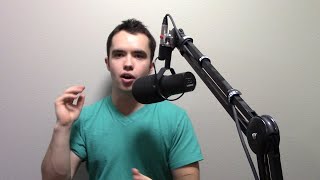
Mike Andes shows how landscaping companies win by speeding up estimates to 24 hours or less with standardized pricing sheets and trained staff, then closing with a polished in-person pitch that includes an introduction packet with company info, services, FAQs, and recent reviews in a quality folder.
Chapters
Hey everyone, it's Mike over@landscapebusinesscourse.com and whether you're listening on the podcast or watching on YouTube or Facebook, thanks again for joining here on the show. And so if you are listening to the podcast on Stitcher or on Apple podcasts, whatever you're listening to, there was a first part of this series that I've created. So we're talking about how you can differentiate yourself from the competition. And we're talking about three different areas before they contact you, which is part one and which is only on YouTube or Facebook. So check it out if you're listening to the podcast. And now today we're going to talk about after they've contacted you and really the process throughout the job and shortly thereafter. So part three is going to be after the follow up and how to really get referrals and reviews and things like that. Today I want to talk about two things that are going to differentiate you. Make the customer experience special for your customers and two things you can do after they've already contacted you for an estimate and they essentially become a lead. So number one is to really thinking out the customer experience during the estimating process. Whether that be getting the lead from a phone call or a text or a contact form or an email or however you have it set up a web chat. So many different ways you can get those leads in, however that comes in, that's one form of the customer experience. How smooth is that? Now? One big thing I want to talk about today though is making is really taking time out of the equation. So when it comes to someone's buying, they're gonna buy because of time or price. And so you want take time out of the equation so you don't have to take price, bring your prices down. So to take time out of the equation, you want to figure out what systems and procedures you can create within your business to make the turnaround time of an estimate as fast as possible. So you want like we've tracked how long it takes us to go from someone calling us, getting their contact information, setting up a scheduled estimate with an estimator, getting the estimate to there, doing the estimate, creating the estimate on our software, sending that to the customer, getting an exception or questions and answering those, and then getting the job set up and scheduled. So there's a long process there. And what you want to do is do everything possible to take time out of the equation. So what I would do if I was you is figure out, okay, how can I efficiently book my schedule out so that within 24 hours. I can always make an appointment for an estimate. You might have to train other people if you're super busy during your peak season. But however you can get to the fastest, the better. We've literally had it where we've had large landscaping jobs that call us, ask for an estimate, and by the time they have talked to an estimator, received their estimate and accepted the job and got it set up on the schedule, it's been within a couple hours. And we're not talking about a mowing estimate or over the phone estimate. We're talking a landscaping job, like a 10, $20,000 landscaping job that can be done if you take time out of the equation. The reason, the advantage to having your taking time out of the equation when it comes to estimating is if someone's going out and getting 5, 6 estimates from different companies and you get back to them in one day and everyone else gets back in seven, eight days, some of them don't even get back to them at all. I promise you're gonna set yourself apart from the competition. In our industry, it is almost standard to take multiple days, if at all. Get back to a person with an estimate. Even in your peak seasons, you wanna make sure that this is being done because it carries a brand image. If you're gonna set up an estimate and you' going to go and visit someone, make sure that you carry the process through that. Make sure you finish out the process. Even if you're super busy and you're booking out two and three months away, make sure that that process is good. Because even if they say no, you want to make sure they have a good taste when they leave the company. So when we get busy, we just raise our prices instead of trying to give poor service to weed out the other people. So what you don't want to do is you have a ton of estimates piling up. And so you don't get the estimates to them fast enough, you don't follow up with them, Some of them fall through the cracks. That's not the kind of brand image you want. So if you want to separate yourself from the competition, be known for when people call you and they set up an estimate, you show up on time, if not early. And when you show up, you're a professional. And then the follow up process to an estimate should be getting the estimate to them via email or if you take it to them in person. However you do it, make that process seamless and fast.
One of the best ways you can differentiate yourself and really make price Irrelevant is to make sure you are efficient with your time and with the time of your people. So a lot of the people that you are getting hired by are retirees or people that are professionals and they value people that are going to value their time. So they respect you a lot more if you respect their time. And if they have other things to do, they have more important things to do. A lot of the clients that you want are more, more affluent, have more money. And the reason for that is a lot of times they're very busy, they have places to go, they have jobs to do, and they have their own careers to lead. And so you want to make sure you respect their time, take time out of the price equation and get the estimate done as fast as possible, send to them as fast as possible, follow up with them as soon as possible, and basically beat out your competition before they even have gotten estimate to your potential client. Already have the job set up, and we do that almost every week. So like you can do this on landscaping jobs, you can do this on mowing jobs. And the smaller the job, the faster you can get that done because it takes less time to figure out the numbers, which literally should only be a few minutes anyways. So a big part of making that estimate fast is creating a standardizing pricing sheet like we do in the course, so that you can quickly take a massive job, but quickly, within just a few minutes, figure out what the price is going to be so you can quickly put that into your system, send it to the client and start the follow up process. So number one way you can differentiate yourself once you get a lead in is to make the estimating process as seamless as possible.
Really think through the customer experience of what does it feel like to call your company, what's the receptionist sound like, what's their word tracks that you've created for them, which you should have a system for that, for answering the phone, how do you collect their information and then how do you set up an estimate and then how does that estimator go out there? What is the presentation like, what is the process for sending the estimate to the client, whether it be in person or via email, then there should be a follow up process via email, via phone, in person calls or in person visits. And so you gotta have all of these processes in place. And if you have that when a customer calls you, and right from the beginning when they call you to the time when they close the job and they actually do the work with you and schedule the work, they're gonna have this Feeling of this company's different. They're a company I want to work with and I promise you it'll pay big dividends and separate you from a whole lot of other companies in our industry. So number two way that you can differentiate yourself during the job during the time when the client's already contacted you for an estimate. So remember phase part one was before the job how to differentiate yourself. And we talked about your website and your trucks and your uniform. So definitely check out that video on YouTube and Facebook. However, now we're talking about after they've called you. So we talked about first. Number one way that you can do that is to make sure the customer experience from the time that you collect the lead and to getting them the estimate and getting the work scheduled. Make sure that it's seamless and is taking time out of the equation. Number two, the second way that you can differentiate yourself from everyone else in our market when it comes to client that has already contacted you and they're a potential lead. Now you know that you have an estimate set up for them is your presentation at the estimate. So if you've heard listening on the podcast and things, you know that I'm a big proponent of doing the lawn care and treatments and things over the phone via square footage. However, when it comes to landscaping jobs where you're going to go out and meet them, or if you still do mowing and maintenance in person estimates, you want to make sure that the presentation that you deliver during that estimate is professional and it really is a reflection of your company's ethos and mission. And so what we do is we have what we call an introduction packet. And so when an estimator shows up at a job, they are going to have an introduction packet. That introduction packet is a very nice cardboard folder. It's one of those ones that open up. I wish I had one for you here. I could show you on the video but. But you can open it up and there's two pouches in there. There's four documents that we have in our introduction page. There's an about us page that explains our history, how we started the business, kind of the companies we've acquired and what our direction is. It's about us. Then we have our services page that explains the different services that we offer. Trimming and landscape stuff and deliver materials and snow plowing and fertilization. Just naming all those things and have some pictures and make it look nice with the design. That's the second document. The third document is our FAQs Frequently Asked Questions, answers all their questions about how we do billing, can they do credit cards, do we have contracts, what are our employees standards? And so we talk about, we don't allow them to smoke. And there's all these other things we talk about. So there's probably 15 or so frequently asked questions that we answer there. And then we also have a page of recent reviews. So these are reviews from Google or Angie's List or Facebook that people have posted. And we put those in the most recent update every few months on a page. We have maybe six or seven of those reviews. The longer ones that are a little more meaty and not just they do a great job, but actually have some substance to them. So that is the about, I mean, sorry, the reviews page. So we have four pages in our introduction packet. It's a very nice quality piece of cardboard. Stock folder 8.5 x 11 has our business card slotted in the front, two pouches, very nicely designed. On the back. It has a nice, you know, our logo and contact information. On the front is a big logo on the, of the, of the introduction packet. And what we want to do there is make it nice enough where people don't feel like they want to throw it away. So you make it really cheap or like one of those trifold little flyer things. It's easy to throw those away. But when you see someone that's, you know, put some time and effort and some quality paper and things like that into design into an introduction packet, they're less likely to throw it away and more inclined to read the whole thing. And if you're, you know, with clients that are older, clients that are retired, they like to actually read every single word. And you'd be amazed at how much, how many people actually will do that. And they don't go to your website as much, or they might check the website, but then they like that tactile paper and they like that introduction packet. So when you show up in an estimate, have an introduction packet. So have some literature that you can leave with them to digest while you go create the estimate and set up via email or come back to them in person. Because that time, you want that time, like I said, you want that time from saying goodbye at the door to having an estimate in their hand via email or paper copy, you want that to be as short as possible, but you want it also to fill that with valuable information for them. And that's the introduction packet. Give them information about your company, that you're insured, you're bonded, tell stories, give the reviews just give them an absolute no excuse why they shouldn't be doing business with you. And then also what we do. So at the estimate, the estimator gives them an instruction packet that is for the information that they need to read or digest or look at or qualify themselves as a potential client of ours. From the time that we say goodbye at the door at the estimate to the time that they actually receive the estimate in their email, that is the information we want them to see. We're trying to get that estimate to them as fast as possible. We're talking within an hour. And so when that estimate comes by that time, we already have a system in place for follow up. So now we've switched from the estimating process, capturing the lead, setting up the estimate. The estimate is now performed. We've sent the estimate in the email, they have an introduction packet. Now we're following up. So part of our follow up process for all of our estimates, regardless of whether or not they accept or reject. Right off the bat, the next step of our process.
In getting this client is sending a handwritten note. So we could just make standard letters, get them printed and make it really general. However, the estimator, after they literally say goodbye at the door and they created the estimate, the next thing they do is we have a stack of letters, envelopes. In those envelopes it has a handwritten letter or letter that is blank actually. And then a picture of our team that says thank you for doing business with us. And those are four by eight pictures. And then the card is four by eight. And so that card basically just has is really nice and professional. It says thank you on it. It's nothing crazy fancy, but it looks simple. You open it up, it's completely blank. So the estimator has to do a handwritten note to that person. And we customize it so you don't just put we look forward to serving you and then sign your name. Like what we try to do is we say something along those lines. We look forward to taking care of your landscaping, maintaining it, or creating a waterfall or creating a wall and whatever it is. But then we want to customize it. We want to say something that proves we are paying attention in that estimate. So the estimator has come out, done the job, created the estimate, now is in their truck. They now create this handwritten note, say what we're looking forward to doing the job, address them by their first name and sign it. The estimator signs that personally with them and put their business card in there as well, and that second sentence, that third sentence, there are many two or three sentences in that handwritten letter. What we want to say is something that is very personalized to them. So if they mention that next weekend they're going to San Diego for a holiday, we want to mention that, have a great time in San Diego. Or if they mention how they just came out of the hospital from knee surgery, you know, put something about their physical therapy, we hope they get better soon and we can't wait to take care of the landscaping so they don't have to think about that while they get better. Or if they mention about something about their family or their dog is, you know, having birth or whatever, it is so many different things. If you just listen as the estimator, you can pick up on these things. And then when you write that down and a day later, a day later, after they've gotten the estimate, whether or not they've seen it already, maybe they haven't even got to in their email, maybe they have already pushed you aside because you're higher in price. But when they get this in the mail now and realize that you've made a personal connection, that you remembered something very specific about what they said, what they're going through, you've personalized it. A handwritten letter goes a long way still. It's a lot more personable than an email or a text or even a phone call. There's just something about it, especially for the older generation, that we're targeting that 40 to 70 year old people that we're trying to. Our clients are generally in that age range. They like to have that piece of paper, they like to have that handwritten. It's something quality, it seems like something that they want to cherish. And so you make that connection whether or not they accept the job. If they've said no, we got people that said no right away from the email. But the day later they get that handwritten letter and now they're second guessing themselves. They're thinking maybe they're worth the extra 10 or 20% in price over the other guys because they got back to me fast. They had an introduction packet, which I've read, and now it's pretty nice and I like them and I've seen their work and then now they've sent me this handwritten letter. They've shown that they're personable and that they want to serve me and they're actually really excited about working for me at my property. And they changed their mind just because that handwritten letter so you want to use that special something so really simple today. Two ways you can differentiate yourself from your competition. Number one is the estimating process. Make it fast, make it easy, make the customer experience smooth and seamless. Take time out of the equation. Save your customers time, save yourself time, make your processes more efficient. That's number one. The estimating process needs to be efficient for you and for your customer. Number two is the introduction packet, the handwritten, tactile things that you send to your customer in person Introduction packet. Even if we do estimates over the phone, we send, that introduction packet costs a couple dollars to send in a padded envelope, but we still send it. And if you do it in person, you give that to them. It's something for them to touch and feel. And now you're beyond just a phone call or an email. You're something tactile, something real, something they can look at, keep on their fridge, keep on their desk. You're top of mind. And then the day later you follow up with that handwritten, customized, handwritten letter in the mail. I promise you it'll pay dividends and I promise you it'll separate you from the competition. So looking forward to the third part video of this series about how you follow up, generate recurring revenue and clients that come back to you and give you referrals. That's the third way that you can differentiate yourself from your competition, what you need to do to get those referrals and those recurring customers. So again, thank you everyone for listening. If you're listening to the podcast, make sure you check out YouTube and Facebook. Just search for landscape business course and you can find all the video format now that we're doing of the podcast and if you're watching the video on Facebook or on YouTube, definitely check out the podcast and that has been going on for a lot much longer, has 60 something episodes and I'm looking forward to doing a lot more of these interview types with you guys. So if you have a question on how to start, grow or save your landscaping business, go to landscapebusinesscourse.com Sign up for the course today or in the comments below. If you're on YouTube or Facebook, ask me a question on what you need for your business and how to start, grow or save your landscaping business. Much for watching. Mike Andes landscapebusinesscourse.com Until next time be great because nothing else pays.






