Software vs Franchise vs Media vs Home Services (Which Business Model Actually Wins?)
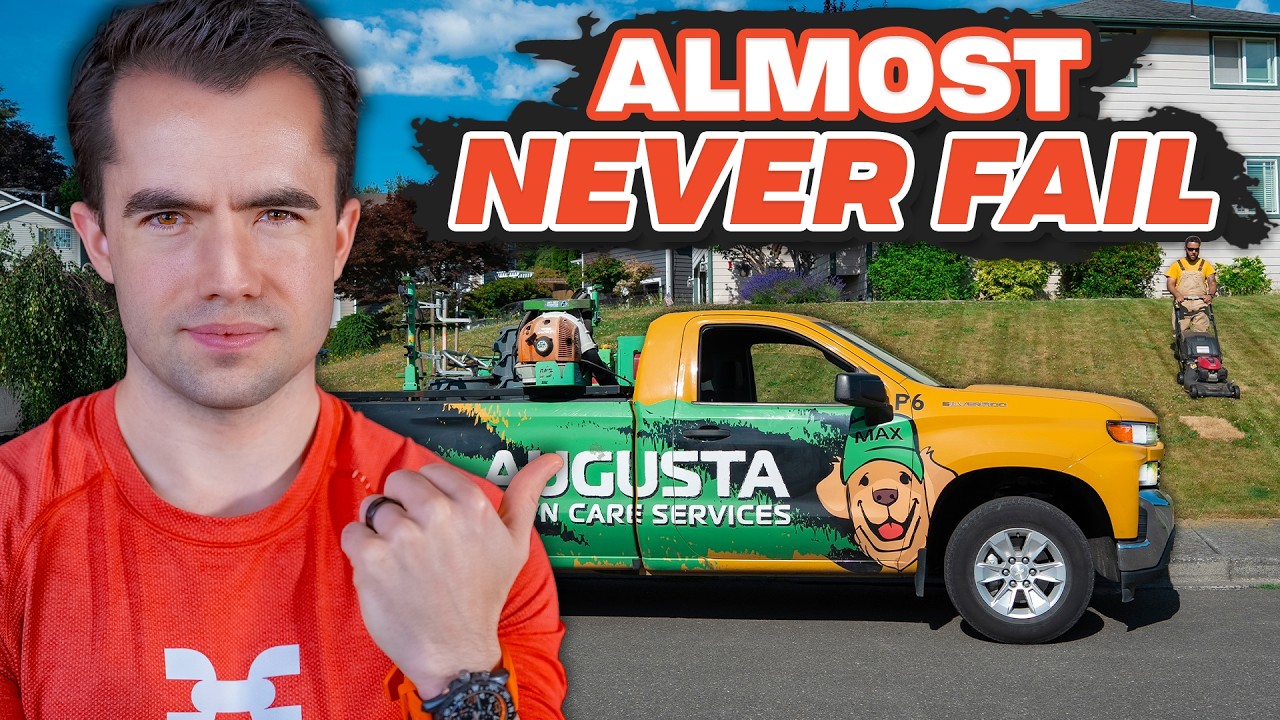
Mike Andes scores his four businesses on ten dimensions: software, franchising, media, and home services. Software has high upside but is hard to start and vulnerable to AI. Home services wins on ease, cash flow, and low capital, making it the best risk-adjusted bet for most entrepreneurs.
Chapters
In this video, I'm going to compare the 4 business models I actually operate: software, franchise, media and web design, and home services. I'm going to score them on things like cash flow, enterprise value, stress, capital required, disruption risk, how hard they are to start, and how hard they are to scale. And then at the end, I'm going to tell you which one I would keep if I had to shut everything else down, because the answer is probably not what most people on the internet would tell you. Together, they were valued at over $43 million this year. So the question is obvious, which one is actually the best business model? Because from the outside, everyone has an opinion. Software sounds sexy because everyone hears about massive valuations in the news. Franchising sounds amazing because people imagine selling locations and collecting checks every month. Media sounds fun because everyone wants an audience, sponsorships, free stuff, and people listening to what they have to say. And home services usually gets treated like the boring one. Mowing grass, cleaning houses, fixing plumbing, trimming bushes, washing windows, doing work with trucks, tools, employees, and customers. But after doing home services for 19 years, making videos for 10 years, franchising for 6 years, and building software for 3 years, my opinion is probably different than what most people would expect. So let's first look at the 4 businesses I'm comparing. Before I rank them, I want to define what I mean by each business model. The first one is software. For me, that is HomeWorks. HomeWorks is software for home service businesses. It helps with things like scheduling, estimates, invoicing, automations, payments, routing, dispatching, and eventually more AI and business intelligence. The promise of software is very attractive. You build the product once, sell it many times, collect monthly recurring revenue, and hopefully get valued at a much higher multiple than most traditional businesses. And this is why people love software. This is why investors in the past have loved software. Now, the second business model is franchising. For me, that is Augusta Lawn Care. We now have over 200 locations around the world in the US, Canada, and Australia. Franchising is attractive because you get to build a brand, sell locations, support operations, collect recurring fees, and create a network that gets stronger as more locations join. The third model is media and web design. So for me, that includes this YouTube channel, podcasts, books, courses, The Turnaround Show, and the team that has built over 1,000 home service websites. The media team now has over 12+ full-time people. We travel around the country fixing struggling businesses and and we don't charge a penny for it. We create content, we build trust, and web design helps fund the media engine. Although we might not make a lot of profit, it funds the creation of all the content. The fourth model is home services. For me, this is what started when I was 11 years old mowing grass. I'm now 30 years old. This is my 19th year in home services. I started with a mower, a trimmer, and a blower from Lowe's. And now Augusta Lawn Care has locations around the world doing millions of dollars of revenue in service work, $75 million in revenue this year. And I still believe the local home service business is one of the most underrated business models out there. So those are the four: software, franchise, media and web design, and home services. All right. Let's talk about the scoring system because I'm going to score each business model from 1 to 10. Across 10 different categories. I want to be very clear about something. A 10 is not always good. It depends on the category. For example, if I say easy to start and I give something a 10, that means it is very easy to start. But if I say disruption risk and I give something a 10, that means it has a low disruption risk. So 10 means good, means better. 1 means bad. It means worse. I'm ranking these based on my actual experience. Not theory, not what sounds good on Twitter or YouTube, not some guy who has never made payroll saying something online. This is based on actually building these business models. So I'm going to draw this grid across the top. I'm going to write software, franchise, media and web design, home services. Down the side, I'm going to write easy to start, easy to scale, and all the other categories we're going to score these 4 business models on. Now let's go ahead and score each one And we're gonna start with how easy it is to start each business. Software gets a 3. Some people might disagree with me because today you can get, use AI to build a simple app or a simple software product. And that is true. It is easier than ever to get started and build something when it comes to software. But building a simple tool is very different from building a real software company. A real software company needs authentication, Needs security, needs billing, it needs support, it needs onboarding, it needs data migration, it needs product design, engineering, infrastructure, bug fixes, servers, databases, customer support, and all of that usually breaks when it scales fast. And if people are running their real business through your software, it has to work. Being down for just a couple minutes is torturous. If your software goes down for even 10 minutes, people will start yelling at you, and they should. Because you are now part of their operating system for their business. So software is easier to start than it used to be, but a real software company is still hard. So it gets a 3. Now franchising gets a 1 because franchising is extremely hard to start. You can't even pitch or sell a franchise without having everything dialed in legally first. You need legal documents, you need compliance, you need franchise disclosure documents. You need operating agreements, you need state registrations, you need training, you need support infrastructure. You need a proven business model and you need a brand that someone is actually willing to adopt. And then after all that, you will have to convince someone to change the name of their trucks, their shirts, their website, their Google Business Profile, and their entire operating system. And that's a massive ask. So franchising gets a 1 for easy to start. And a lot of times people will bag on me because I say, hey, don't get started with a franchise because I know how hard it is and how few actually will get through the chasm of 0 to 100 locations and become profitable. Now let's talk about media and web design. It gets a 9. Now that does not mean it's easy to win. It just means it's easy to start because you can start posting videos on YouTube or social media today. You can start a podcast today. You can start making content with just literally your phone, the thing you're watching me on right now. You can start building websites with a laptop. The barrier to entry is very low. The problem is that a low barrier to entry also means a ton of competition, literally hundreds of hours worth of content being uploaded to YouTube every single minute. That's your competition. So media is easy to start, but it is not easy to win. All right. When it comes to easy to start, home services gets a 10. This is one of the reasons I love home services. You can start with very little. And this is what I started with, less than $1,000, starting my mowing company when I was 11 years old. You can get a mower, you can get a pressure washer, you can get basic cleaning supplies, you can get a ladder, you can get a broom, you can get a truck or even a used vehicle that you already have and you can go make money just like, just like that. When I was 11 years old, my brother and I started Andy's Lawn Care with a push mower, a string trimmer and a blower. Bought it from Lowe's for less than $1,000. We walked equipment around the neighborhood. Literally, we would put the weed whacker and the blower on top of the push mower and just walk around. Now, that's not possible in software where you gotta get devs and get a whole team and really build scalable infrastructure. It's not possible in franchising with all the legal red tape. It's not really how media works where you get money today when you start posting content. Home services is one of the few business models where you can start with almost nothing, work hard, and make real money quickly. So for easy to start, software's a 3, franchise is a 1, media and web design is a 9, and home services is 10. Let's go to the next section where we talk about how easy is it to scale the business model. All right, so software gets a 1 here. This is where people get software wrong. They think because software has high valuations, it must be easy to scale, and it is not. Software is one of the hardest things I've ever tried to scale, and the reason is simple. When something breaks, I can't just go fix it myself. See, in home services, if there was a problem, like a skin mark on someone's lawn, I could usually just put more effort towards it and fix the problem. I could work all night, I could go help the crew, I could go sell more work, I could call the customer, I could knock on more doors, I could fix the schedule if there was a problem. With software, if we have a complicated technical issue involving like PHP code or moving to AWS or database load or authentication or React, or security infrastructure performance issues, I can't just stay up all night and personally fix it. I have to lead through the team who have skills that I do not have. And even though I might have some technical skills, I don't have the disciplinary knowledge of all the different levels to be able to scale the infrastructure of the software. And that was a painful lesson that I had to learn. It forced me to change the way I lead. It forced me to recruit differently for the team that I was bringing on. It forced me to admit that effort does not solve every problem when the problem requires a specific technical skill. Software is easy to dream about, but it's brutally hard to scale. And I learned this the hard way because we were going along just fine, and all of a sudden when we started to scale and tripled the amount of users inside of Homeworks 3 years ago, almost everything broke. And we had bug hell, we allowed tons of people into the software, and it did not go well. So I give software a 1 when it comes to scaling. Franchising gets a 2 because franchising can scale inherently. Using the money of other people to build a brand that we all collectively benefit from is awesome, but it takes a massive amount of infrastructure. The hardest part for us was getting to about 100 locations. For years, I did not make any money from Augusta Lawn Care as the franchisor. In fact, I was taking all the money from my first location and pouring it into the franchise. And we were making $250,000-$300,000 in cash flow from my first Augusta lawn care location. Meanwhile, I'm dumping it all into this franchise thing and losing money hand over fist on it. And that's why I was actually sleeping in the closet of the office. I was trying to build Command Center. I was trying to build training. I was hiring for support. I was trying to build backend software. I was paying for all the legal expenses. I was trying to make sure that everything was bulletproof from the franchise perspective. And the whole time, one location, my very first one, was making over $300,000 in annual profit. So I had to decide every year to take money from the profitable thing and pour it into the thing that was not yet profitable for 3 to 4 years. And that was hard. Most franchisors never get to 100 locations because the infrastructure required is so expensive. Franchising can scale, but it does not scale easily. So franchising is going to get a 2. Okay, media, making content and the web design that we do at Home Service Web Design, it gets a 6 because media can scale. Because the same video that I make here can reach 100 people, it can reach 10,000 people, or it can reach a million people. And that's the beautiful part. It doesn't really take any more work or effort or cost for me once I make this video. But it also has this treadmill built into it because you have to keep creating, you have to keep showing up, you have to keep evolving. You have to stay passionate about the content you're creating, and you have to balance what you want to talk about with what the algorithm rewards and what actually drives business results and gets leads to the businesses. And if the media is on top of the funnel for everything that you do, burnout becomes an actual business risk because you burning out at the top of the funnel means no more leads get inside the funnel. So media scales better than a lot of service businesses, but it is still very dependent on consistency creativity and staying relevant. So it gets a 6. Now, home services, when it comes to scaling, gets an 8. Now, this one might surprise people. A lot of people think that home services are hard to scale. And yes, they are hard to scale if you do not know what you're doing because labor is hard. Training team members is hard. Weather being— is like super unpredictable depending where you live, but pretty much everywhere at some point. Trucks break down, customers complain. Seasonality is super real when it comes to most home services. But once you figure out the model, you can copy and paste it. This is a unique thing about home services. If you figure out how to answer the phone, sell the work, schedule the work, train technicians, route efficiently, collect payments, and build local reputation, you can use the same playbook in another market. Most people never get to that point, but once you do, scaling home services is actually more repeatable than you think. The hardest part is becoming the leader that you need to be to be able to copy and paste it and scale past one crew. But that's why I give home services an 8. It's a lot harder at the beginning, but once you figure it out, you can scale it much easier. So when it comes to easy to scale, I'm going to give software a 1, franchise a 2, media and web design is a 6, and home services is an 8. Now let's rank cash flow at the early onset of the business. Software gets a 2 because software usually eats cash for years. You need engineers, you need product people, you need designers, you need support, you need infrastructure, you need onboarding. And before the product is great, you are spend money to make it better. That is why software companies raise hundreds of millions of dollars and lose money for years. The math only works if the product becomes sticky, customers stay, and the company grows into a valuable asset. But early on, the cash flow is usually horrible. And for every dollar you make, you lose $2. So software gets a 2. Franchising gets a 1. Franchising was the worst early cash flow model for me because in the early years, I made no money from the franchise. It took us getting past 100 locations before the franchisor really became profitable. And the reason is that you need to build so much infrastructure before you can support people well. Like, new locations require a lot of support. You're like, "Oh, we'll just sell a bunch of locations, sign the dotted line, and we're good to go." There is so much backend infrastructure and amount of support required every single part of the business. And if you sell locations without support, you might get some short-term cash, but you create long-term problems. And a lot of the problems that I had to go through in years 4 and 5 was just a result of getting the wrong operators and wrong franchisees in years 1, 2, and 3. Because if you get bad operators, then you get unhappy owners, you get lawsuits, you get damaged the brand, you have a weak system. If you want to build the franchise the right way, you need to spend a lot of money before it ever pays you back. So I'm giving it a 1. Now, media and web design gets a 10. Media and web design can cash flow very well early. Very quickly. If you can sell websites, coaching courses, sponsorships, ads, events, or even a community of something like school, the margins can be very strong. And this is why a lot of people love media. You can have almost no cost of goods sold. It doesn't cost you a whole lot to record on a device and push publish. You can sell digital products, you can sell advice, you can sell design services, you can monetize attention. And just sell ads. The problem is that the revenue is often not very durable. A course that you might package, make a video, you can sell it well this year, but the next year it slows down. A community can grow really fast, but then you have a whole bunch of churn. And I've talked to some of the biggest school creators, and every single 6 or 8 months they're churning through their entire database or their entire customer base that subscribed to their course. Even if you have sponsors, they can disappear really fast. A platform can change its algorithm and you go from making 1,000 views to 100 views. So when it comes to media, cash flow can be really good, but enterprise value is usually not as strong. Still though, early cash flow for media and web design is a 10 because if you have experience or you're just good in front of a camera, you can quickly gain an audience and be able to monetize it, usually using a community of sorts. Now, home services, I'm going to give it an 8. Because home services can create cash flow pretty quickly. If you get a job this week, you do the work this week and you collect payment this week, you got money, you got profit in your bank account this weekend. That's a beautiful thing. Now, in a lot of business models, you have to wait months or years before the actual profit shows up in your bank account. In home services, you can knock on doors in the morning, make money in the afternoon, and by the evening, have the cash. Now, if you're growing really quickly, home services can still become a suck for cash. This is why I say growth sucks cash. 'Cause in most home service businesses, when you grow, you are buying trucks, you're buying equipment, you're hiring people, and you're paying for advertising, and you have to train your crews. And so if you're trying to scale fast, you might not actually see great profitability until years 3, 4, or 5. And this is why a lot of people, over 60% of home service businesses, quit within the first 3 years because they never get to the point where they actually see profitability because they're putting the money back into the business for growth. When we compare home services to software and franchising, the early cash flow is much better. So home services gets an 8. Now for cash flow early, software is a 2, franchise is a 1, media and web design is a 10, and home services is an 8. So now let's talk about profit potential. Is long-term How profitable can the business become? I'm going to give software a 7. If software works and you get product market fit and years have gone by and you build a solid engineering team, the profit potential can be very good. The margins can be very strong because you might only pay 10%, 15%, 20% of cost for things like hosting or your database, and the rest of it can be profit in terms of gross profit for the business. The recurring The revenue is to be really strong if you have a good product. The valuation can be strong, your enterprise value. The number one reason I give it a 7 is because most software never gets there. People always talk about the winners, and that's what makes the headlines in Forbes and all these newspapers. Okay, er, not newspapers, social media. Everyone's talking about the billion-dollar software exit after 2 years. Everyone talks about that. They don't talk about the 99% of software startups that burn through money, lose all the money from investors, and they fail. Software has a huge upside, but the huge upside does not mean high profitability. So I'm going to give it a 7 for profit potential because it's very risky. But if you make it, it can be very profitable. Now, franchising, I'm going to get a 6. Remember, 10 is good, 1 is bad. So a franchise can become very profitable once it has scale. The recurring fees can be really strong. And if you offer ancillary services to franchisees, that can be very sticky. The brand, as it grows, becomes more and more valuable. The more locations you get, the brand becomes more valuable and people can grow their locations faster than when you first started the franchise. The support infrastructure becomes more efficient over time, especially if you're using software, AI, and you've built a really solid foundation and have great people. But the margins are not as magical as people think. You have legal expenses, support, training, compliance. There's owner issues that pop up that you're going to be responsible for and managing the brand if there's problems. There's going to be problems out in the field constantly with team members, marketing, technology. And because you're supporting other owners, the business can become expensive very fast. So franchising has solid profit potential, but it's not free money. What in the past might have been a $500 a month subscription for a piece of software you're talking about $5,000, $10,000, $20,000 for that same piece of enterprise-level software to have the security required to be across hundreds of locations. So I'm gonna give it a 6. Now media and web design get a 10 because media can be extremely profitable. Now if I wanted to, I could probably make the media business much more profitable in the short term. I could sell more courses, and we did sell courses back in the day. A few years ago we made them all free. And at the time when we made the courses free, it was actually pretty scary because the amount of revenue we were making from the courses was more than my take-home profit from the business, from all the businesses combined on my tax return. And so I could sell more courses, we could sell a mastermind very easily, I could sell community access, I could sell a lot more one-on-one coaching. And even though I might do some of these things, I could do more of it. I could sell sponsorships, we could run ads for the YouTube channel, I could reduce the size of the team, we have 12, members now on just the media side. We have 12+ on just the web design side. I could reduce the size of the team and we could also stop traveling the country doing the Turnaround Show where we fix struggling businesses for free because that's like really expensive. That's not really how I use media. I use media as the customer acquisition engine for the other businesses. Every dollar we make in web design or on the media side usually goes back into making the media better. So better production, better camera gear, better team, better editing, more travel, like more turnaround shows, more content, more ways of getting to our audience. Because the real value of media for me is not just profit. It is trust. It's distribution. It is a lower customer acquisition cost for the other businesses. But purely from a profit potential standpoint, media gets a 10. And you might be saying, well, for my business, how do I implement that? Well, the media that you create might not necessarily lead to money tomorrow, but it can build the brand in your local market to be able to get leads to a more profitable business model, even if it's your home service business. Now, let's talk about home services. I'm going to give it a 6 when it comes to profit potential because home services can be very profitable, but it is not automatically profitable because labor is expensive. Your cost of goods sold to direct labor, very expensive. And there's not robots coming anytime soon that's going to wipe that out. Trucks are expensive. Insurance is expensive. Fuel is expensive. The seasonality of home services is expensive. If you do bad routing and your crews are driving all over the place, you don't have any good route density. That's expensive. And poor management is also expensive. A lot of home service businesses do $1 million in revenue and make almost no profit. But if you build it correctly, if you get pricing right, If you manage your labor really good, if you keep your route density tight, like 1, 2, 3 miles, if you answer the phone as much as possible in this industry, that alone will set you apart. If you build recurring revenue and you do all these things, it can become a very strong cash flow business. And evidence of this is recently we've seen a huge shift of people that are doing software and really high-tech stuff all of a sudden selling those businesses. And what are they doing? They're starting home service businesses. So I give home services a 6 for profit potential. So for profit potential, we got software to 7, franchise as a 6, media and web design is a 10, and home services is a 6. Let's talk about enterprise value. This is where things change because you might have been listening to this so far and be like, you've been really bagging it. It sounds like horrible for software and franchise. You're just talking your book. You don't want people to compete with you. Okay, this is where things change because enterprise value is not just about how much cash the business makes this year. Enterprise value is about how reliable durable and how transferable the future cash flow of the business is. This is why recurring revenue matters. This is why moats matter inside of your business. This is why leadership matters. This is why retaining leadership matters. And that is why customer concentration matters. It's also why churn matters. If you have 50%, 60% of your customers leaving every month, that's not good. So let's talk about software. Software gets an 8. When it comes to enterprise value. Software can have very high enterprise value because the revenue is recurring, scalable. And if the product is sticky, customers, it's hard for them to move. If they have all their information, they have all their contacts, you're, you're making them a lot of money by them being inside the software. They don't wanna move. The problem is that software valuations have been under huge pressure from AI. Now, a few years ago, a lot of software companies charged per seat. So if a company grew, 5 employees to 50 employees, they might need 50 seats or logins to a piece of software. Now that made software companies very valuable. But with agentic AI, that model gets threatened because now that same company with 50 employees might only have one AI agent that can do the work of all 50 people and they need access with only one software login. So the seat-based model gets weaker. This is why software companies are really having to rethink their pricing and their value to customers outside of just seat-based. Because in the past, if you had good customers that stuck, stuck with you and those companies were growing from 5 to 10 to 20 employees, your business also— and the software company also just grew very quickly as the businesses using your product grew the number of people they were employing. That's changing with AI. The software that wins will be the software that produces real outcomes. If your software helps the customer make more money, save time, reduce risk, or operate their business better, you can still have a great software business. But if you're just selling seats to people doing repetitive work, AI is a real threat. So software gets an 8, but I still think that people underestimate the disruption risk when it comes to software. Now I'm going to give franchising an 8 also, because a good franchise system can be very valuable. If you look at, for example, Jersey Mike's, they recently got purchased for $8 billion from private equity., and they're rumored to be going with an IPO to the public market for $12 billion. Why? There's recurring fees. They have brand value. They have a huge amount of support infrastructure. They have a network of operators, a domain authority. So if you search for subs in a local area, they're probably popping up. So if you take the average sub shop that's independent versus a Jersey Mike's, the likelihood of success, especially early on, much higher with Jersey Mike's. Why? They have training system and they have a franchise that can become a very strong asset because the unit economics of their franchisees and how fast they get to success is much better. But it takes a long time. Jersey Mike's was built years ago, decades ago. It takes a long time. It's very hard to build that kind of infrastructure. It's also more complicated legally than most— almost anything I've ever done, whether it be every single state, every single country, even certain municipalities. The way that a franchise operates legally is very different. But because it's hard to build, the enterprise value is strong. Now, when it comes to media and web design, it gets a 1. So we talked about how fast you can make money doing media and how profitable it was, but the enterprise value is next to nothing. This is where I'm going to hurt some feelings because media can produce a lot of cash, but most media businesses do not have great enterprise value. Why? Because they're often dependent on the founder, the person making the content. They're dependent on constantly getting new attention. They're also dependent on a platform like just YouTube or just Facebook or just Instagram or just their one platform, their community. And that makes you dependent on the algorithm, makes you dependent on constantly making more content. You're like, "Oh, it's easy, just turn on the camera." It's very difficult to create new concepts, new frameworks, new entertainment every single day and every single week. And if the creator stops creating, the business the revenue often slows down. If I stop making videos, the media business just gets weaker immediately. That also makes it less valuable as a sellable asset. There's not going to be anyone on the Mike Andes YouTube channel that can make content like me. There's a lot of risk associated with me as the creator constantly being in front of the camera. Now, web design, the part of the media that we build, has some recurring revenue, but the main strategic value for me is not enterprise value by itself. The value that it is, it really brings is it funds the media engine and brings leads into the other businesses because I'm never going to sell. The enterprise value of web design is low, but I know it's very sticky and our customers have a massive improvement to their business. They don't leave because they get so many more leads. By that revenue being recurring, I can slowly build that up and constantly invest back into the media, building better content, building better videos, making better shows. And by doing that, I'm able to bring more leads to the software into the franchising side of things. So media and web design gets a 1 for enterprise value. Now, home services, I'm going to give it a 4, but I think this number is going up right now. Most home service businesses do not get really high valuations. Why? Because they're really labor heavy and they're, they're usually, if they're built incorrectly, they're very owner dependent. The owner needs to be there because the owner is still answering every call, doing every estimate, managing the crew and putting out almost every fire that happens, every customer complaint, And so because of that, there's no enterprise value. To them, the business is just a job that happens to be theirs 24/7. But if the business that's a home service business has recurring revenue, if they have a manager in place instead of the owner, which is very difficult, it can take years to figure that out, just that one component. But if you figure these things out and you get strong systems in place, you have clean books, you actually have QuickBooks, it's all set up correctly and it's actually reconciled, you have a good brand behind you, that's not your name, and you have consistent profitability. If you do all these things, that home service business can become much more valuable. Now, still, compared to software and franchising, the multiple is usually much lower. So for home services, I'm going to give it a 4 for enterprise value. So for enterprise value, software is an 8, franchise is an 8, media and web design is a 1, and home services is a 4. Let's talk about disruption risk. And this is the most important part of the video, in my opinion, because if you get disrupted and there's a high risk and a high probability of being disrupted, it means that the value of the business gets disrupted. And it means that this is a business that is probably gonna be pretty chaotic. So software's going to get a 2. Software is under major disruption risk in the past 12 to 24 months. AI is changing how people use software, and AI is changing how people build software. AI is changing what customers expect from software. AI is changing the security risk, because you might build a great product, but now scammers and people that are nefarious, they also have AI to be able to get inside of your software and break the thing. AI is also changing your entire workflow as a software business, and AI is going to put more pressure on every mediocre software product. A simple tool that used to require a whole team to build might soon be built by one person with AI. And that, that sounds great until you realize it also means your competitors can build faster, customers can switch faster, and security threats can even move faster than you could build. The best products will probably get stronger when it comes to software. The weak products will likely get exposed. So software gets a 2 on disruption risk, and it's been ramping up recently in terms of the risk associated with it. Now franchising gets a 10. It's one of its strongest points. I think franchising has very low disruption risk if the underlying service is durable. And in our case with Augusta Lawn Care, the underlying service is lawn care and landscaping. Grass still grows. It doesn't matter how great AI gets, weeds will still grow, trees will still grow, mulch will still need to be installed, homeowners will still need help. Commercial properties, they're not gonna wake up and be like, okay, we're like suddenly gonna do acres worth of mowing and maintenance. It's not happening. The franchise model around that is not easy to disrupt. If you've built the foundation and the infrastructure and the web domain authority, if you've done all that, it's harder to disrupt. Now, you still need local operators, great owners to build the community. You still need awesome crews and technicians. You still need brand trust. You need great support for your franchisees. You still need people doing the work. So franchising, though, gets a 10 because once you've built this, it's very hard to disrupt and take down a solid brand. And the people plugging into the brand can get where they want to go much faster because of that brand authority. Now media and web design gets a 3. Media is also at high risk of disruption. AI-generated content is going to explode. It already has. And for everyone that's like, I hate AI-generated content, I agree with you. But in 12, 24, 36 months, will you even be able to tell the difference between human-generated content and AI-generated content?. And whether it be thumbnails, whether it be the content itself, whether it be audio, these things are getting better and better. The websites even that we build, AI-generated websites, are getting better. Right now we can demolish them on SEO. We can demolish them on the way that we create content for the AI algorithm. But in the future, it's going to get harder and harder to compete with that. The amount of content being produced is just going to continue to increase. You're going to say, I heard about content being an easy way to get money. Great, I'll go start making videos. But you're competing against thousands of videos that are being uploaded every single minute. The competition for the attention you're going after will get harder to achieve. And if media does not have real trust, real experience, or real differentiation, it will get drowned out by all the AI stuff. The only way to be able to emerge when it comes to media and creating content is to have experience, have real trust, have experience doing things in the real world, because otherwise AI will beat you at the game of content. And this is why I think owner-led media is so important. If your content is based on real experience, real numbers, real stories, real companies you've built and real results, you have a better shot. But generic media is going to get destroyed. And so you sharing the numbers from your business, you sharing a customer experience that you had when things went bad, a story that is relatable to other humans, that's what differentiates you from the world of AI that will otherwise completely wipe out a lot of content creators. So media and web design gets a 3. Home services gets a 9. This is where home services shine. I believe home services is one of the least likely business models to get disrupted by AI. Now, I believe you should use AI to empower your operations and make it more efficient, but the actual doing of the work, it's not happening anytime soon. And for everyone's like, "It's Optimus robot," We were also told that we were gonna have self-driving 15 years ago, and the vast majority of you watching this video aren't using self-driving right now. And so yes, software will improve, robotics will improve, automation will happen, but replacing the full complexity of a home service technician in the field is very hard. It might be able to do the work, but if it's a robot, will it be able to be out in 100-degree weather for days, weeks, years on end? Water, snow, this type of thing is not compatible with electronics. Every property's different, every customer is different, every job site is different, the weather's constantly changing, the terrain is changing, access points alone on a property are changing, the scope of work changes, the customer walks outside and asks for something different and now you gotta do it. And so robots will help, AI will help, and better software will help. The companies that use those things will be more efficient. But the actual demand for the service that we provide in home services is not going away anytime soon. And that's the whole point. A lot of people look down on blue-collar work for years. Even when I dropped out of medical school to go do lawn care, it wasn't like my colleagues and my professors and my research team that I'd worked with when I was younger and I considered young to go to college at 13. They weren't like cheering for me. It was looked down on. And for a lot of people, that type of blue-collar work has been looked down on for years. And people told their kids, you know, go get a degree, go to a white-collar job, learn technology, get an office job. And now a lot of those white-collar jobs are being threatened by AI. Software engineers, designers, product people, analysts, writers, marketing. And you see in the news, the people getting laid off by tens of thousands at a time from these huge tech companies, that's what they're doing, white-collar jobs. A lot of people who thought they were safe are seeing layoffs, wage pressure, and job cuts. Meanwhile, the grass still has to get cut. The toilet that's plugged still has got to get fixed. The roof still has got to get replaced. The house— you still got to clean the house. You know, I got my Roomba. Well, it's not going to get the ledge up on top of the window. The trees outside, they're still going to get trimmed. And when it's leaning over your house, do you really want a robot trying to do that? So home services get a 9. For disruption risk. To recap, for disruption risk, we got software's a 2, franchise is a 10, media and web design is a 3, and home services is a 9. Let's go ahead and talk about legal and regulatory complexity. This is like the fun part. You know, we all love signing DocuSigns and going through hundreds of pages worth of legal documents. Okay, so again, remember, 10 is good, 1 is bad. So if I give something a low score, it might just mean it's really complex and difficult, software gets a 4. Now, software has some legal complexity. You have terms and conditions, you have terms of service, privacy policies, data protection, data processing, like when it comes to payments, security compliance. You're handling a lot of customer data and there's potentially a lot of liability if the software fails and you get malicious actors inside. Now, as AI and data regulation increases, this will probably get more complicated. Building your own Vibe-coded tool versus selling it to hundreds if not thousands of other people and then allowing their customers to get inside of it, very different compared to just building it for yourself. But compared to franchising, it's not the worst. So software gets a 4. Franchising gets a 1. Everyone's excited before, it's like, oh my word, disruption risk is a 10, it's so awesome for franchising. Yeah, but it's really, really legally hard. Franchising is one of the most legally complicated businesses I've built. Every single state can be different. Every single country is different. You have franchise disclosure documents, you have franchise agreements, you have registrations, you have disclosures, you have franchise law, you have potential lawsuits over people that have never— you don't even know who they are. They can sue you. You have brand standards. And if one person does something wrong, it affects the entire brand. You also have owners operating under your name. You have customers who will blame the brand even if the work is being done by a franchisee that might have a bad day or be going through something personally, but because the customers they serve have a bad experience, it puts reputational risk and legal risk on the entire brand. If someone wearing an Augusta Lawn Care shirt does a bad job on a lawn, that kind of reflects on the entire brand. And because Mike Andes, the personal brand, is still attached to Augusta, it can reflect on me personally. This is why people like will slide in my DMs or email me and they're mad. They're a customer. That I've never met in a state I've never been, and they thought they were wronged, and it's now my fault, and they're threatening to sue me. So there's a lot of extended liability, and there's a lot of insurance required, and it's because the legal complexity of franchising. So it gets a 1. Media and web design gets a 9 because like media and web design is so much simpler legally compared to software and franchising. Yes, you still need contracts. Yes, you still need copyright awareness. Knowing about trademarks. If you're having employees, you can have agreements, but you still got to have like client expectations. For example, the web design. But compared to franchising, it's pretty simple. You make a video, you can have someone check out and you provide a service like a PDF or some sort of video or course or community. It's easier. So it gets a 9. Now, home services also gets a 9 because home services is relatively simple legally compared to the others. You need insurance. You need licensing depending on your service and you need employee compliance. Like if you're going to have employees, you should make sure you have workers' comp, you have insurance, you need to have safety and you need to have contracts in place. But in most cases, this is much simpler than building a franchise system or software company that's handling sensitive business data. And for most states or provinces today, you could start a business license and tomorrow you could be operating underneath it. And it's not very difficult. 5, 10 minutes, you get insurance for that same entity. So for home services, it gets a 9. So for legal and regulatory simplicity, I'm gonna give software a 4, franchises a 1, media and web design is a 9, and home services is also a 9. Let's talk about the skills required to get the job done. 'Cause if you're just getting started, you're like, I don't have any skills. I have no idea what I'm doing. Let's talk about what kind of skills are required to start these 4 businesses. Again, 10 is good, 1 is bad. So a higher number means the skill barrier is more approachable for the average person. Software gets a 1. Now for everyone like, "It's AI, I can do it tomorrow in my bedroom." Great, I'm talking about building a software that scales, has infrastructure, and has a whole bunch of the public getting inside of it. Software requires a ton of skill, engineering skill, product skill, design skill, security skill, customer support skill, leadership skills. You have to recruit really talented people. And if you do not have those skills personally, you'll have to hire people who do, and they're really expensive if they know what they're doing. And it is hard to know if they're good when you do not have the skill yourself. And that was one of the hardest parts for me when it came to software. I had to learn how to recruit and lead technical people without personally able to do the technical work I was asking them to do. Because when I was pushing a lawnmower, I could definitely teach someone how to do it. I could also very easily identify whether or not they had the skill of mowing lawns. Different when I'm asking someone to do database infrastructure and I don't know how to do it myself. It's not easy to be able to recruit that type of talent. And so software gets a 1 when it comes to the level of skill that's required. Franchising gets a 2. Franchising requires skill in operations, legal, support, training, sales, branding, compliance, and a lot of leadership. You're not just running one business, you're teaching other people how to run the business. But then you also have skin in the game. It's not like I'm just teaching a course. It's a completely different skill. And a lot of people are good operators but terrible franchisors. They can run their own location, but they can't document it, teach it, support it, audit it, and then scale it through other people and be able to lead other leaders. That was the hardest skill I had to learn. So franchising gets a 2, and a lot of it is just leadership. Of other entrepreneurs, which by definition entrepreneurs, franchisees, they're kicking against the norm. They don't want to have a regular job. They left their 9 to 5 and they now join the brand and they're going to push against the boundaries and the systems that you've created. And so leading other leaders has always been the hardest part for me. And the thing that I had to learn when it comes to media and web design, it's going to get a 1. Media is easy to start, but it requires a lot of skill to win. You need packaging, you need storytelling, editing, titles, thumbnails. You have skill like on camera, how to deal with the camera, how to deal with lighting, how to be able to set up a studio, how to be able to communicate when you're talking to a teleprompter. It requires a lot of consistency and doing it when you don't feel like getting in front of a camera. You got to understand your audience and what they need and be able to communicate to the previous version of you that you're solving problems for. You got to figure out distribution, all the different channels of ways of getting on social media. How do I design an offer that takes them from awareness in my content to becoming a potential lead inside of my business? I've got to manage the community. There's gonna be times when I mess up and I've got to make sure I manage the people that are supporting me. Community management. There's gonna be times that even if you have a free or a paying community, you have to manage the expectations and people inside of the community that start to have bickerings between themselves and you need to keep doing it 4 years. Most of the people that you watch on a religious basis every single day, every single week, they've been doing this for years. I made content for 4 years before I made a single dollar from the creation of content. 4 years and hundreds, if not thousands of videos that were made before I ever made a dollar. Most people are not willing to do that. So, you'll be like, "I'm just gonna become a YouTuber and I'll make easier money." Buckle up. Because even though there's a low barrier to start, the skill required to win when there's thousands, millions of competition is like, well, it's so competitive in home services. I have like 20 or 30 people in my local market or 50 or 100. Just wait till you go on YouTube and you're competing with thousands and millions of other creators. So I'm gonna give it a 1. Home services gets a 7 when it comes to skills required. Home services require skill, but the skill is much more learnable for most people. Most home services you could learn on YouTube. You need to learn mostly how to sell it, how to do the actual work, how to answer the phone, how to show up, be presentable in front of customers, how to quote jobs. You need to learn how to hire, you need to manage, train employees. And this is still really hard, but it's a lot more approachable than building software in code languages and evolving with AI, franchising a brand, or building a real media company that has consistent viewership and audience. And because demand is already there, like almost every home service business, there's demand there because people have houses, people have properties, and those things break. Entropy exists in the world and things break and that need to get fixed or maintained. And so the demand is inherently there. You just have to convince the market that you are the one to solve the problem, not that the problem exists. The customer already has the problem. Their grass is too tall, their house is dirty, their roof has leaks, their plumbing is broken, their yard looks like a mess. It needs work. You just need to show up professionally and solve the problem. So for home services, I get a 7. Okay, so let's recap. For skills that you need to get started, software is a 1, franchise is a 2, media and web design is also a 1, and home services is a 7. Let's talk about the money you need because everyone says it takes money. To make money. So capital required for these 4 businesses. Again, 10 means better, meaning I don't need a lot of capital to get started. Software gets a 1, and I'm talking real software. Again, scalable infrastructure. A real software company requires a lot of capital, and this is why venture capital and private equity spend tens and hundreds of millions of dollars to get a business to profitability, because the amount of infrastructure and team required to really build a great product is still substantial. Even with AI tools, if you wanna build something sustainable, something scalable, something secure, it's gonna cost money and a lot of money. Engineers are not cheap. You're like, oh, what, is it $20 or $30? No, like engineers are multiple hundreds of thousands of dollars per year if they're really good. Product designers, they're not cheap. Support is not cheap. Infrastructure, AWS is not cheap. And if the product has bugs, you still have to keep investing until it gets better. A lot of money. The software for HomeWorks took millions of dollars and I still haven't ever taken a dollar out of the business. So software gets a 1. Franchising gets a 3 because franchising also requires a lot of capital to get it up and running. There's a lot of legal fees. There's a lot of training of new owners, and you've gotta build the infrastructure and coaching and the support and developing of the brand and travel and getting everything set up for onboarding new owners. We had to build out Command Center, which cost millions of dollars. When the software side, setting up where 80+ agents can answer the phone across 24/7, across different time zones, managing screen recording, making sure we track every single second. That all is time, energy, and money. And the problem with franchising from a business model perspective is that it needs to be really good before the economics feel good. So before you make any money, the system's got to be really solid. And if you underinvest early, the brand pays for it later. Like, I want to be profitable within the second or third year of franchising. You're probably not putting enough money back into the infrastructure. And now when you get to 50, 60, 70 locations, you peter out growth because there's just not enough value in joining comparing to doing it yourself as an independent brand. So franchising gets a 3. Media and web design gets a 10 because media can be started with almost no capital. You can use your phone, put that thing on, turn on the microphone, and you can post on most social media platforms for free and you can start with your own knowledge, just talking about what you're doing in your daily life or document it even as you're learning it. Web design, we also do it the media side, can also be started on a laptop and some basic tools. Having a full-time team is expensive. Traveling the country when we go through these turnarounds, it's tens of thousands of dollars. It's not, it's free to the owners, but it's expensive for us to fund that. You got editors, you got cameras, you got studios, flights, hotels, software, all of it costs money. But starting doesn't take a lot of capital. So for media and web design, I'm gonna give it a 10. Home services also gets a 10 because home services can be started with very little capital. You can start with very basic equipment. You can even rent the tools to get started. You can use the tools that you already have and you can even collect deposits. You're like, well, I don't have the money to go buy this tool and I need to buy it. Well, I could go sell the jobs, get a deposit, and then go buy the equipment before the work's even done. This is a massive advantage. This is why home services is such a good starter business. You don't need millions of dollars. You don't need a bunch of investors. You don't need a team of engineers. You don't need a national brand right from the get. You simply need a service that people already want, a way to sell it, and the willingness to do the work. So for home services, I give it a 10. For capital required, the amount of money you need to start making money, software is a 1, franchise is a 3, Media and web design is a 10. Home services is also a 10. Last but not least, let's talk about scoring each of the 4 business models based upon how much stress you're going to have when you operate it. All right. So again, 10 is better, stress-free. 1, horrible stress, huge amounts of stress. Okay. So for software, I'm going to give it a 5 because software is stressful because customers rely on the product every day. And if you're building a software product, the customers don't rely on it every single day. You're likely not going to keep them around very long. When something breaks, the problem can affect hundreds of businesses or thousands of businesses or users at one single time. And that's very different than home services because if a crew messes up one property, that's just one customer's problem. If software goes down immediately, everyone, hundreds, thousands, potentially tens of thousands of people are affected. And because I cannot personally fix the code and every single stack of code, the stress feels different. It feels less physical stress, but a lot more feeling like helpless because I need to rally the team to do the work for me. I can't just step in and do it myself. There is nothing more stressful than software going down that you're responsible for. I will also say that if software goes down and none of your customers notice or are not freaking out immediately, you're probably building a product that down the road they could vibe code themselves and it'll probably wipe you out and not be needed. And so a way to know if your product is valuable is that when it stops working, people freak out. Even when it comes to home services, if you make a mess up, if customers aren't calling you, just realize you're probably going to get replaced very quickly. If it's very fundamental that this thing works, the— whether it be software or Francis— if it doesn't work and customers are freaking out, it's a good sign you have a sticky product. So I'm going to give software a 5. Franchising gets a 4 when it comes to stress. Franchising is stressful because your brand is in other people's hands. And everyone thinks about like, "Oh my goodness, people will scale the brand for me." Yeah, wait. Every single owner, every single employee, every single customer interaction, every phone call, every state, every country, every legal issue, every single support issue, every 1-star review, everything has a chance to come back to the brand that you built. And when you have a personal brand, like I do, attached to the company, the stress goes up even more. The amount of emails that I get from unhappy customers because they feel like they're not heard, so they just go blow up and they threaten me is insane. You're constantly trying to support owners, protect the brand, improve systems, and make sure the business model actually works for the people who trusted you. If you invalidate that trust, you'll never be able to scale. And if you invalidate the trust with customers and now you have an intermediary, you'll feel powerless. And that is stressful. So franchising gets a 4. Media and web design gets a 9. Media is stressful in a different way. It's not as legally stressful like franchising. It's not as technically stressful as software and dealing with ones and zeros and code languages and AI and threats from malware, but it's mentally exhausting 'cause you have to keep creating and you have to keep showing up. You have to keep staying relevant even when you don't want to. You have to deal with comments and people saying negative things about you, saying stuff all about your appearance or about your business or about the people that you interact with or saying you have bad reviews or picking on you or just making fake reviews to be able to just pull you down. You have to deal with an algorithm that's constantly changing and constantly rewarding different things. You have to deal with the pressure of creating something that people actually want to watch and trying to blend education with entertainment. How do I get more views, but then I need to have higher quality views? It's not easy. And if the whole business ecosystem that you've built depends on media and producing attention, it can feel pretty heavy. Still, compared to software and franchising, I give it a 9 because it's much more controllable and less catastrophic when one thing goes wrong. If I make a video that doesn't perform well, it's not like I'm bringing everyone's businesses that relies on me to their knees. It's not like the world's falling apart. I could be making that video on underneath a palm tree inside of, on an island in Hawaii. So life can't be too stressful if that's the case, and one bomb video isn't really gonna affect anyone, and I'm not gonna have people tearing me down or saying horrible things or giving me lawsuits over one video that I just didn't do a great job at. When it comes to home services, I'm gonna give it a 3 when it comes to stress. And this might surprise some people because they think that home service is easy. Home service is very stressful, especially when you're smaller. When you're at $1 million, $2 million in revenue and lower, it's tough 'cause you're pulled into operations. Trucks are breaking down, employees don't show up, customers are complaining. You don't have the infrastructure for the system to be able to handle the problem. So you are the place that all the problems bottleneck against. If you have rain, bad weather, it ruins the schedule. Cash can get tight. Payroll comes due. But the reason I give it a 3 is because the stress is usually more direct and fixable. So if the customer's upset, you can call them. If a truck breaks down, you can get a mechanic. If you need more work, you can knock on doors, you can put out door hangers, you can increase your marketing budget. If you need to make more money, you can go sell and do the work yourself. In the worst-case scenario. The stress is real, but it's more tied to things you can directly influence. It's very difficult in a way to know that I can do more work and make more profit. While at the same time, especially as the business gets to $1 million, $1.2 million, $1.5 million, I start realizing that me doing more work hurts the business because I've got to focus on becoming the leader to be able to work through my team instead of doing the work myself. That's stressful. It's a balance that's very hard to navigate. So for stress level, let's recap. Software, we got a 5. Franchise, we got a 4. Media and web design, we got a 9. And home services is what is a 3. What this grid, this whole video really shows, when I look at the whole grid, something becomes obvious. Software is more of the high upside, high difficulty business. It can create great enterprise value. It's easier to sell, but it's hard to start. It's hard to scale. It requires a lot more capital and it requires a lot more skill. And honestly, with AI, the real risk is disruption from that AI technology. Now, franchising can also create strong enterprise value, but it's extremely hard to start and get the momentum that you need to get past to profitability. Legally, it's complex and slow to become profitable, and it requires a lot of support infrastructure. When it comes to media and web design, you can produce amazing cash flow, but the enterprise value, the ability to sell it, is usually weak because it depends so much on attention, on trust and the founder, and it's hard to transfer that to someone else. Home services does not have the highest enterprise value. It does not have the sexiest reputation. It doesn't have the biggest headlines that are people being wrote about in social media and millions of dollars and venture capital. That's not happening as often. But it wins on the things that matter most for a normal person starting or scaling a business. It is easy to start. It has reliable demand that's not changing tomorrow or some new whiz-bang technology and line of code. There's no open clog that'll wipe your lawn care business out tomorrow. It can produce cash flow very quickly. It has low capital requirements. It has low disruption risk. And once you figure out the systems and you become the leader that can lead through other managers, you can start to copy and paste that business model in different markets. That is why I think home services is the best risk-adjusted opportunity for the vast majority of people. So if I had to start over with just $10,000 and no audience, I would not start with software. I would not start a franchise. I would not start making media. I would start a long-term home service business because if I only had $10,000, I would need to make more money. I can't wait 4 years hoping the YouTube algorithm starts to like me and I figure out how to communicate well on a live stream. I can't spend 3 years like I did building software and losing millions of dollars. I can't spend years building a franchise system before it finally becomes profitable. If you're just getting started, you have $10,000. I need demand now, and home services has that demand. This is one of the most understood things about competition. People say, oh, there's too much competition in my market. But competition proves the demand. And if there's 30 other lawn care companies, 50 other painting companies, or 30 other contractors in your city, that means that people are buying your service. And if there are 50 cleaning companies, that means that people are buying cleaning. If there are plumbers, roofers, HVAC companies, landscapers, pressure washing companies everywhere in your market, that means that the market is already educated. You don't have to convince someone that their grass grows. And that you can cut it. You don't have to convince someone that their house gets dirtier if they don't have a cleaner. You don't have to convince someone that their weeds do come back if they don't get someone to come back next week and pull them again. You just have to be better than the very low standard in the home service market. You just gotta answer your phone, have a professional website, show up on time, send quotes quickly, as fast as possible, and collect payment professionally. If you just use technology and software, have good reviews, and know your numbers, and do what you said you were going to do. That alone puts you ahead of a shocking number of home service competitors. Now, a lot of people want to do media and create content because there's some status attached to it. Everyone wants to be an influencer. Everyone wants an audience. Everyone wants their voice to be heard. Everyone wants sponsorships. And it's very easy to look at influencers that are getting free equipment from brands. You're like, oh man, life would be so much easier for my business. And you just discount, all their effort, and he's like, have you ever gotten in front of a camera? Have you ever tried to get $1? Just getting one sponsor for your videos. Getting $5,000 from a sponsor is way harder, way harder than getting one job that's $5,000 in your business. Tomorrow, you could probably knock on doors and in the next 24 hours, get someone to give you $5,000 for a home service project. Getting a sponsor on content for $5,000 is way harder. It's not even close. In home services, the customer has a problem. They need the problem solved. You give them a price, you do the work, you get paid. In media, you're competing against millions of other videos and thousands of other creators in your niche every single day. Now, some of these creators are incredible. Some of them have huge teams. Some of them have years of reps making content. Some of them have hundreds of thousands of dollars behind them. And if you're hoping someone stops scrolling and watches you, that's hard. I made content for 4 years before making real money, and even now media is a grind. You have to stay consistent, you have to stay passionate, you have to keep evolving, you have to balance what you want to talk about with what gets you views and what drives business results. That is why I think most home service businesses should build a great home service business first, and then if they enjoy creating content, they can do media for fun. They can teach, They can coach, they can build a community, they can pass along what they've learned. And maybe down the road, that media creates some extra cash flow. A course or community access, they can create some extra cash flow. But starting with media because you think it is easier than doing the actual business is usually a bad bet. And I see a lot of people doing this when their home service business gets hard, they pivot to media versus getting through that hard time, building reputation and credibility to where when they start talking about their business, there's real results, and that is what will separate you from AI. Now, when it comes to software, the reason it looks so good from the outside is because there's also status attached to it. People see the valuation, people see the headlines, people see the fundraising announcements. Like, they raised $100 million. Okay, let's be very clear. This company loses millions of dollars. For example, OpenAI loses billions of dollars every single month. Everyone watching this, assuming you have $1 of profit, has made more profit than OpenAI. And yet every one of us are bombarded every single day with headlines and articles and interviews and executives talking about OpenAI. Everyone sees the fundraising announcements. Everyone hears some company selling for hundreds of millions of dollars or billions of dollars, and they think, I should build software. But the headlines show the winners. They do not show the thousands of software businesses that have burnt cash for years and just fizzled out and died. They don't show the founder who could not recruit engineers. They do not show the product that never got stable. They do not show the churn that happens if you don't build a great product. And they do not show the support tickets, hundreds, thousands of feature requests that are pouring in every single day. They don't show the security threats. And when you're sleeping, you're worried about potential malware and people getting into your software and ruining your entire business. They don't show the customers leaving because onboarding was not good enough. Software has been the most painful thing I have built because it forced me to lead in a way I was not used to. In home services, I could fix a lot of problems with just more effort and grinding and hustling. If the crew needed help, I could help. If sales were slow, I could go sell. If the customer was angry, I could call them and I could fix the problem. If there was a scheduling problem, I could fix it. In software, effort alone does not fix the problem. If the database load is bad, I cannot personally go solve that. If We have authentication issues and people are getting locked out. I personally can't solve that. If the product has deep technical debt, I cannot personally solve that problem despite working 24/7. I have to build a team that can solve the problem for me, and individually they even can't solve it themselves. They need each other and bringing them together, that was hard. It required me to recruit differently, lead differently, and stop assuming that I can muscle my way through sheer determination and more work ethic on every single problem. Now, software can be a great business, but for most people is a terrible place to start. All right. Franchising. I'm going through each of these and I want to highlight what I think is the best model. Franchising also looks amazing from the outside. You sell locations, people use your brand, you collect recurring fees, you build this network. Sounds beautiful. People send you checks every— mailbox money. But franchising is not selling someone a logo. You are asking someone to change their identity, their trucks, their shirts, their website, their service area, the brand they represent to their local community and to their family at family gatherings. You're asking them to change where they're servicing, their territories, their system, their pricing, their operations, the way their customers experience the brand, their entire business. And that's a big deal. And once they join, you have to support them. You need training, documentation, systems, compliance, and supporting. Every single stage of the journey, not just when they get started, but also as they grow and start having a 7-figure business. You need a way to protect the brand. You need a way to manage the fact that one bad experience in one market can affect how people feel about the entire company and the entire business that you've built. With Augusta, building Command Center was probably the hardest part of scaling the franchise because it's super people-dependent. When you have 80 agents, like, turning that boat is not easy. It's not like, "Hey, we're gonna make a new offer today." It's like, "Whoa, whoa, we've gotta change everything." You can't just walk in and just change everything overnight. You gotta win people over, you gotta convince them, you gotta make sure we have meetings, we gotta change process, we have to document those process changes, we've gotta train the team, we now have to inspect it, we have to repeat this process over time, we have to see what's working and collect data, and that is actual work. The moat is big because it's very hard. And if you're able to do it, yes, it allows a great brand that allows people to be able to win much faster. But the reason the prize can be so big is because the moat is hard to build. And regardless of what industry you're in, the bigger the moat, the bigger the castle. So let's talk about what each of these businesses have taught me. Each of the 4 businesses— business models that I've talked about today that I have built, each one has taught me something very different. Home Services taught me how to solve real customer pain. It taught me that speed really matters. If someone wants an estimate and you get it to them fast, you win. That is why instant quote forms matter so much. This is why I recently built instantmowingquote.com to help the lawn care industry be able to get quotes to people immediately without a phone call. And even if they do call me, I wanna be able to give the estimate over the phone. I don't wanna be driving to their house. I don't wanna be meeting them 2 or 3 days later and taking days to get the quote back to them. In home services, I've realized it is so simple, like answer the phone. Still a lot of leads, even with instant quote forms on our website, comes to the phone, answers the phone. Home Services taught me how to deal and train labor, how to hire, how to train, how to match supply, my laborers, my technicians, with demand, 'cause it goes up and down. How to prepare for the spring rush, how to deal with seasonality, how to manage crews, how to build route density and say no to customers that are willing to give me money 'cause they're not in my service area. Home Services taught me how to make a business run when the owner's not on every job. The year that I was involved so much in the business is the year that I got caught underneath a dump truck and almost got killed because I was so involved in every aspect of the business. A couple of years later, with me being there one day a week for one meeting for one hour, the business was making $300,000 in annual profit. And so it taught me that, oh, me being here all the time is actually a weakness of the business. I need to have systems. And once I built those systems, that's what we franchised. That's what franchising really taught me, is systems. More importantly, it taught me that systems feel restrictive to people. It felt restrictive to me that I couldn't step in and help the customer because there was a system in place. I had to rely on other people. And this is something that leaders don't talk enough about. Systems reduce the degree of freedom. And so in the past, when I was managing my crew and I would drive by at a gas station and see someone hanging out, I would go and see if they were clocked in. If they were on their phone, I'd go check. But now there's a system in place. It's pay for performance. I'm not going to be looking at them. I'm not going to be contacting their manager. Hey, what's up with the people at the gas station? There's a system in place. And so many times systems actually feel like they are constraining, putting this constraint around people. And so when we have owners join Augusta, sometimes the hardest part is the fact that there is someone that wants to get outside of the box. They think outside the box, but we need to put constraints on them. It's like putting a dog in a kennel at the airport. No, no dog ever enjoys that. But the kennel is the safest way to get the dog across the country, across the ocean, inside the airplane. But no dog walks into the kennel at the airport and says, "Oh, this is awesome. Thank you for putting me in here and locking me up for the next, you know, 10 hours." Instead, they resist it. They don't like it. It's human nature to not want to have constraints. And this is why a lot of businesses don't have systems. It feels constraining. It feels constraining to have the system when you have a manager in place that the problems go through them and you can't solve them. You're relying on the system and the people that you've hired. But if the system is built correctly, it gets people to their destination— success— with a higher degree of certainty. That is true for employees. It's true for franchisees. It's true for managers, and it's true for owners. Now, when it comes to software, it taught me that product is everything. Marketing can get people to sign up. Sales can get people in the door. But if the product does not solve the problem, they leave. Software also taught me that infrastructure breaks at every level of growth. So it worked for like a few hundred members is not going to work for a few thousand because the same thing happens with people infrastructure in a company. So in software, getting thousands of people inside your software, things start to break. Same is true when it comes to people. The business model and the way of acting that gets you to 50 employees can become the thing that actually breaks the business when you get to 100 employees. The product infrastructure that gets you to a few hundred members inside your software can break when you triple usage in a few months. And that's what I found out a few years ago when we started HomeWorks. With software, you can also deal with things I've never dealt with in home services. Things like people trying to take down the business with a couple lines of code, like nefarious actors, people trying to break into the system, people trying to get through free trials and then trying to test the system's vulnerabilities, security issues, database load, AI-driven threats. This was a completely different world compared to the world of home services. Now, media taught me the value of trust. It taught me that if you give people value over and over and over again without asking for anything in return, that goodwill compounds. One of the best things I ever did was make landscapebusinesscourse.com free. I made MBAforEntrepreneurs.com free. I made the Off-Season Workshop completely free. Before that, I was making multiple six figures personally from those courses, and it was great cash flow. I didn't even have to take a salary from the business because like, Those courses just gave me plenty of money, but making them free created a lot of goodwill with the audience, and that goodwill matters more long term. I shifted from asking, how do I make money from the media? To how do I use the media to help people so much that they eventually want to support the ecosystem? They almost feel like they have to contribute to the thing that got them to where they're at. That is very different. The media creates trust. That trust creates the demand. And that demand lowers customer acquisition costs for everything else we do. Every business needs a moat, but the moat is different in each business model. In software, the moat is a product that becomes part of the customer's daily life. If your product disappears and the customer gets mad, you probably have a sticky product. As horrible as it sounds, when Homeworks goes down for a few minutes and hundreds of people are immediately upset, that tells me something important. They rely on it. This is not optional. This is what you want. If your product is optional, it gets cut the moment the customer gets nervous. And if your product helps them make money, save time, run their business, solves problems in their daily life, it becomes much harder to remove. In franchising, the moat protection is support infrastructure. The question is simple: is it easier to succeed inside the franchise than outside the franchise? If the answer is no, the franchise has a problem. A good franchise gives the owner brand trust, systems, support, discounts with their vendors, technology. It gives customers confidence to buy from them and better lead flow. I'm also a franchisee of Anytime Fitness, and one of the most valuable things about Anytime Fitness is that members get access to thousands of other clubs around the world. They sign up at mine, they get access around the world. So when I travel, there's almost always an Anytime Fitness close by. That is valuable. That is network value. For Augusta, the moat that we've built is the brand, the support, the command center, the systems, the software, the coaching, the reviews, the domain authority online, and the fact that customers trust a national or international brand more than a random guy with a mower, and they're willing to pay for it. At least the best customers are. That can increase your close rate, that can increase your pricing power, and that can improve rankings on places like Google, uh, ChatGPT, Gemini, and whatever AI search platforms become important. In media, the moat around the business is trust and consistency. I've made over 5,000 videos on YouTube since starting to make videos 10 years ago. This is not something that someone can just copy in a weekend. The trust comes from showing up repeatedly, giving value, sharing real numbers, sharing real businesses, helping people for free, making mistakes publicly, and continuing to show up time and time again. That trust becomes distribution. And when you have distribution, you can launch products with much lower customer acquisition costs. In home services, the moat is local brand dominance. Most people think home services has no moat because anyone can buy a mower, anyone can buy a paintbrush. Now, that is true at the starting line. Anyone can start, but not everyone can build a real local brand. Not everyone can get hundreds of online reviews. Not everyone can answer their phone 24/7. Not everyone can get quotes out fast, immediately on their website. Not everyone can even have a professional website. Not everyone can train their technicians to be professional. Not everyone can become the leader that they are able to keep managers for the long term. Not everyone can build route density because they just keep saying yes to everybody, every single service you could possibly imagine. And not everyone can be known in their local market. The real moat in home services is not your mower. It's not the paint, it's not the pressure washer. The moat is the system around that tool that you're using. Now, what most home service businesses— if you're doing $500,000 in your home service business, I'm going to talk to you for a minute. I'm going to talk about what I think you should do. And if you made it to this part of the video, this is the real takeaway. This is— I've laid this foundation of these 4 models and I'm going to give you what I think is the best thing to do. This is my opinion. I don't think you should start software if you're just getting started. I don't think you should try to franchise your business yet. I do not think you should try, try to start your media business full-time. I think you should double down on your core service business, make it really profitable, put into profit mode, raise prices, fix your labor efficiencies, build recurring revenue. Instead of chasing more revenue, just raise prices and make more profits and start focusing on upselling services. Get a manager in place, build systems so the business can run without you. And that can take a few years to really solidify that system, make the business less dependent on you. And then if you have actually figured that out, you can copy and paste it. You can start another location, you can start in a new market. You could even start a new service in a new home service industry if you really want to. Because if you can build a million-dollar home service business that runs without you, you are probably already in the top 1 or 2% of business owners around the country. And if you can copy and paste that into another market, another service, you were probably in the top like 0.5%. Why would you leave that? Why would you go start something else like investing or cryptocurrency or real estate when you're already in the top echelon of your industry? Why would you jump into a completely new business where you have no advantage over the average? The grass is always greener in another industry, another field, another sector, because you do not know the problems yet. Online communities sound amazing until you until you realize that churn is brutal and you are stuck on a treadmill forever creating content. Software sounds amazing until you realize how expensive it is to recruit amazing engineers and build a product people actually use as it begins to scale. Franchising sounds amazing until you realize every location adds support, legal complexity, and brand risk. Every business, every business model has a dark side. The question is not which business has no problems. The question is Which problems are you uniquely equipped to solve? And if you're already good at home services, the answer is probably just get even better at home services. So which business model is the winner? The honest answer is that it really depends on what you're optimizing for. If you want the better startup business, I would pick home services. If you want the best early cash flow, media and web design can be incredible. If you want the best enterprise value, software and franchising can be better. If you want the strongest moat, the best model is not one of them by itself. It is the combination. And that is why I built all four. Media creates attention and trust that lowers customer acquisition cost. Home services creates real operating experience and proof. Franchising turns that proof into a network. And software makes the system scalable and sticky. Together, that becomes a moat. But for most people watching this, the answer is simpler. Build the home service business. Or any service business, make it really profitable, systematize it, get out of the day-to-day operations and copy and paste that model. And if you love making content, do the media on the side, scratch the itch, teach what you know, build an online community, create templates that you can sell, help other people through coaching. And this can create a really awesome cash flow, a stream of income on the side. And that's down the road. But I don't recommend chasing that media, the software, the franchise. From day one. Don't chase it because it's going to give you higher status. Status is a horrible way to pick a business model. The market does not care what sounds cool. The market cares whether people want what you sell, and people will need home services for a very long time. Now, if I could only keep one, if I had to shut down everything else and keep one business model, I would keep home services. And the reason is simple: it is the least likely to get wiped out. AI is going to disrupt media, AI is going to disrupt websites. AI is going to disrupt software. AI is going to disrupt a lot of white-collar work. Even franchising is really just a system built on top of home services, but the actual service work is still needed. The grass still grows, the weeds still grow, the trees still grow, the mulch still needs to be installed, houses still need to be cleaned, the plumbing still breaks and the roof still leaks. Property needs to be maintained. A lot of the things people considered high status 15 years ago are now under real threat. White-collar jobs, software jobs, design jobs, product jobs, marketing jobs. Meanwhile, the people who are willing to do blue-collar work, build systems, hire teams, and serve customers have an incredible opportunity. The world has always underestimated boring businesses, and that is why boring businesses can be so powerful. Because while everyone else is chasing the sexy thing, you can build the thing people actually need. So if you're taking one thing away from this video, take this: do not pick a business model because it sounds impressive. Pick a business where demand is durable. Pick a business where you can get customers. Pick a business where you can build systems. Pick a business where you can make money. Pick a business where the work still matters in 10, 20, and 30 years from now. For me, software, franchise, media, and home services all have a role. But the foundation was on home services. That's what gave me the cash. That is what gave me the experience. That is what gave me the stories I share. That's what gave me the proof. And that is what made the rest possible. So, yes, software can get great valuation headlines. Franchising might have a great big network and people will talk about them. We'll be in the Landscape 100. Media might get the attention, but home services is still the best risk-adjusted opportunity for most people. And if you can build one One great home service business, make it profitable, copy and paste it. You probably don't need to chase the next shiny thing. And if you do want to build something after that, having that proof is the anchor for the media, the software, the franchise, anything else you want to build. You just need to keep doing the thing that already works and do more reps than anyone else is willing to do.






