This 27 Year Old Focused on THIS, Before Ads | @BlueCollarBusinessAccelerator
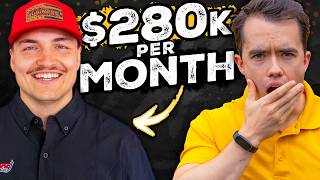
Logan Sandel, founder of Blue-Collar Business Accelerator, explains how home-service operators can build brand and social proof before spending on ads, then scale with repeatable processes and a three-tier lead generation system. He started by removing lake weeds at 17 and now helps contractors command premium pricing by keeping demand higher than supply.
Chapters
In this video, you're gonna learn the exact tactics to use in your home service industry to completely dominate your market. We're gonna be talking about how AI is changing the game, what ad platforms are actually working. And I'm going to be interviewing and talking to Logan Sandel, who's kind of the king of school when it comes to the blue collar industry. So it's gonna be a long conversation. We talk about a lot of topics, everything from recruiting, increasing demand, and there's some tactics around Facebook that I've never heard before. Without any further delay, let's jump into the interview.
So like the classic thing is like we hear running ads. It's like, well, we're B2B national. We're not business to consumer local.
Right.
And we've already built the brand. Like we, we don't. Ads work very well if you're good at what you do. Yeah, but most of these guys just have no clue. And then they don't build the brand first. That's like my favorite comment. My favorite comment is like, you're running paid ads. It's like, well, we're a totally different business than you.
Yeah, they.
That tells me all I need to know.
Yeah. So what's kind of like the core fundamentals of kind of like what you talked about? So like for me, it's like raise prices when you hit capacity, make profit, don't try to be on this growth treadmill. What's like the core fundamentals for you? Like, don't spend money on ads or what?
No. Yes, definitely. I think anybody like sub a mill. We're trying to teach them like how to build a little bit of social proof first before you drive people inbound. You know, it's like me, like, you would have never had me here if I didn't have brand. Right. Like, so you're not going to convert anybody if you don't have the social proof backing before you advertise. Whether it's paid, whether it's hangers, whether it's whatever, you know, people finding out that their brand of landscaping hardscaping exists, you know, you want them to have that social proof first. That's like one of the things that we preach. You know, I would be very similar. You know, I think that's when, you know, we got in the DMs was when I swiped up on the thing about like the stop just buying a whole bunch of stuff you can't afford because you think that's growing. You know, that's, that's one of the biggest Things for us too is I think everybody in home service sees some of these like social media landscapers and they think that that's growth, like you know, getting better equipment or like doing crazy reels. You know, we're, we're like trying to get guys to do like the core business things instead of like the, the Internet type things that people might not be making money. So we're, we're aggressive in the same foundation of like stop adding people to your team that you can't support, stop buying a bunch of stuff just because you think that that's how you grow, you know, because it's dudes ego. You know, they're like, well if I have three trucks, everybody in my town looks at me like I'm a better business owner than if I have one. But like they might, you know, the guy with one truck might be doing 500k in rev but taking home 200. You know where the guy with 3tr doing a mill but taking home nothing. And on credit cards.
Yeah.
So we're the same way with that is like, you know, buckle that down first. And for me it's like I think the biggest lever is like obviously demand outpacing supply and that's what we really like that's probably my core thing is like it's a like a Daniel Presley, I believe he's from London, like his oversubscribe principle, like the book that he just released, like that's really like the philosophy that I run under too. And I really like him because of that and Alex as well. So like we're, we're really hard on that like trying to get demand to outpace supply. And if we have that we can raise those prices. And it's, it becomes unfair to operate when you have margin to work with. You know, it's like us sending all of our guys Christmas gifts. It costs like 15 grand. Like I could have bought a watch with that. But like why would you do that when you can continue to build the brand? So we want them to have the margin to be able to operate unfairly almost is really like what we're trying to get to.
So define building a brand for a local business. Right? Like so for you, you run ads, you're national. I understand elements of. We do both the content. But for the, for the business owners doing five hundred thousand million dollars, when you say build a brand so that you can have the higher prices, etc. What does that mean to them?
So for, for me it's like we can't have like five Google reviews Like, I mean, you could go out and clean garages for a month straight, even though you're a lawn care company and get to 100 probably, right? And then you at least have something to leverage, right? So I think it's, it's just looking cohesive and I can go in depth on this, like looking cohesive, like from the outside in, right? Where if I leave a hanger at your house to do something for you, like exterior lighting. You know, when you Google me, there's a bunch of stuff that's going to come up my face. You know, our family, our story, you know, that type of stuff. And getting that like that could, you know, you could do that in 14 days. That's not hard. And it doesn't take thousands of dollars. So just really getting like the, the outside in presence, looking good, like the reviews, the face on the page, introducing yourself, who you are, what you do, where you service. You know, there's guys that apply for our stuff and we Google them, we can't even find them. It's like, well, that's your first problem. So we, we're showing them how to do that correctly because guys, you know, as simple as getting reviews, they don't feel like they like, well, should I ask that person for a review? Like, you have to kind of tell them yes and how to do it, you know, so they feel confident doing it. So we'll do that. And then the other thing is, is just like actually being involved in your community is a big thing for us too. Like, you know, we have guys that do like free Christmas tree pickups. You know, we had a guy last year in Minnesota, he picked up like 42 trees and it led him to like 140k worth of like signed design and build install work the next season. Well, they're slow in the winter. They're not doing anything. It took four hours to pick up those trees. Like 20 bucks in fuel, 140, 130 grand worth of signed work. And you know, the biggest thing too is the signed work is not what I'm going for. It's the customers financing your brand, right? Where you get the review, the testimonial video. You know, maybe they take a picture like this with me and they post it in that Facebook group of all the moms. You know, we have a guy in upstate New York who just did this the last week, like four different Facebook groups. One of them got like 190 likes. Like those are all people finding out that you exist that now might pay you because they see you in a nice Facebook group of all the other moms, and that allows you to start the snowball, right, of rolling down the hill. So we're trying to teach them all that. Like, go get your reviews, get all your online presence set up. Here's how to do it. Here's how to do it. If you don't have all these big projects to advertise, you know, get testimonials with customers, you know, we have them, and that's literally why 90% of people pay us. They go, yeah, those made me feel way more comfortable. I'm like, maybe we have them for your business too. You know, like when. I'm sure you see it when you go to their social, like, you don't even know who they are at all. Like, they're let alone speaking with customers or pictures with customers. I mean, look at the, you know, the car dealerships or the boat, the power sports dealerships or realtors. They're always posting with their customers with the sold with the happy sign. And it's like, home service is no different. And then the other thing is there's guys trying to sell, you know, $50,000 projects and, like, think about something else. Like, think if you're gonna spend 50 grand on, like, a jewelry, like a ring for your. Your lady, like, how are they gonna treat you at that. At that ring place? Much different than sending a QuickBooks estimate at, you know, 2am with no contacts, no review or no con context attached, no reviews, no video, you know, none of that. So we're really teaching them like that, like, how to operate, like, with social proof and just doing a lot of little things, like, you know, setting up, like, in person, you know, coffee shop events where, you know, the first 30 people in the coffee shop that has 20,000 followers in your town get a free coffee, you know, and all they do is, like, take a picture and post it on social media of you. So now they're 200, 500, 1000 followers. Now know you exist in the town and can pay you. So you know, that if that makes sense, you know, and we. We have one guy, you know, if people watch this back. His name is Ryder Rest from Rest Outdoor Services in Wisconsin. If you go to his Facebook, you'll see exactly what I mean. Like, he's partnering with, like, the local dog rescue, you know, the local, like, bird sanctuary, and doing really cool stuff with them. And they got 100,000 followers, you know, the local bird sanctuary. And now people find out he exists and he helps the community. It's a Win, win for everybody. So like that type of stuff, if that makes sense.
Very cool. So. So take me back a little bit. Like when you started your business, what was that industry? And talk me through kind of the beginning phases of leading up to what you have now.
Do you mean this business specifically blue collar?
No. Even before that? No. Yeah, yeah.
When you. Way back.
Yeah.
So I was like 14, I picked up a bunch of sticks in the neighborhood. I'm from rural Minnesota, town of 1600 people, you know, started like anybody does. I was like riding my bike to girl Scout camp to like wash dishes. And I was making like 8 bucks an hour or something. And then I ended up getting like a $50 yard cleanup before I could drive. And I was like, well, that's way more money than spending, you know, 10 hours washing dishes. Maybe I do this. And a big part of that was my dad. He wanted to do like lake weed removal because we grew up on like a nasty lake in southern Minnesota. So that's where we started. And, and for him, he had a full time job and we maybe did like five to ten jobs a summer. So maybe like three grand in revenue, you know, not high at all. And I was helping him do that when I was like 16, 17. And then, you know, he's just older and it's not fun to start a home like lake weed removal when you're, you know, 45, 50. So I was just.
Would that be like skimming the top.
Or like edges that's cutting grass in the water.
Got it. Literally took all the weed to come from the store.
Yeah. And in southern Minnesota, if you've been there, the lakes are nasty. So yeah, like, it's literally like the DNR allows you to do 2,500 square feet. So it's a 50 by 50. And you mow the dang lawn and you take them out of there. And this is a great service. Like everybody wants it. Everybody that lives on the lake has money.
Is it every month?
It depends how much money they have and how much, how clean they want it. Right. So like you can do one offs for parties, you can do reoccurring. Like we sold a package of three for the summer or there's Airbnbs that want it every week. Right. Because there's gonna be like storms, deadweights are gonna blow in. So it just depends on how much money you want to spend.
What does that cost for say like, like a 50 by 50 that is like say three times a year.
Way back it was like 500 bucks a service. Probably now. By now, it's probably between like 700 and 1500, depending on where you're at and how far you travel. It's really profitable, and there's really not a lot of overhead. It's like, you know, two guys and $200 worth of, like, lakeweed cutters can do it.
And then you have to gather all the stuff.
Yeah, that's the worst part.
Okay, cool. So he started that business. Did you work with him in.
Yeah, yeah, I was working with him. And, you know, again, it was more of just like a side thing, you know, maybe a couple of cl. Summer, you know, we'd go do after work. Like, you know, when he got off at 5, I'd go help him, and we did it. And then I got to the point when I went to college when I was like, 17, 18, that I just said, like, hey, I want to start, like, my own thing, like, get into, like, landscaping and maybe do lake weed removal. Like, do you want me to keep that name? Because he just wasn't doing, you know, like, it was just, like, for fun, you know, And I was like, do you want me to keep that name? You want me to start a separate thing? Because I'm going to go all in, like, and go hard. And he's like, no, you can, you know, you can take that name, you know, not really going anywhere right now. So I ran with that, which is lakeshore potential, and we. We did lakewood removal, landscape, hardscape, and we kind of just ascended as well, you know, and one of the big things with lakeweed removal is it's like.
It's a.
It's a profitable lead magnet. You know, like, every person on the lake, they're going to say yes to 500 to $1,000 service. You know, it's a super easy service to sell very quickly, you know, and then you service them for two years, and then when they need $100,000 worth of, you know, excavation. Yeah, anything. You know, landscape, hardscape, you know, full path, you know, down to the lake in Minnesota. You know, they already know you. They already trust you, and you. Basically, it's like, profitable marketing on the front end.
Yeah, that's cool.
Yeah.
So then you took that business over, or you just like, okay, not doing that. Like, we.
I took that business over, but again, it wasn't really. I would say it wasn't a business. You know, it's like a hobby. Again, like five clients, 10 clients.
But then the upsells led you to go the path of.
Go into that and Then I did that until two years ago. Now I sold that. Not fancy. Like I always tell people that like one off service businesses, that's not reoccurring, you know, it's not going to sell for millions of dollars. It just isn't. So I always tell people like I sold it but it wasn't for lots and lots of money. Like that's why I never bring it up because I don't. You know, I think it's almost discouraging for some of those guys early to hear that like they think they're just going to do something for 24 months and sell it for millions. Which doesn't, doesn't work like that.
How long do you that then? Like three, four years.
Growing that business from 17 to 24.
Okay.
So yeah, seven or so.
And was that like what was the comprise of those services and like how many employees you have at that point?
Our biggest year was like year five or six for employees. We had like six, six to eight, like two like part time. But the last two years we had like two to four and we were again just very profitable.
Like I remember to.
And a mix of one depending on where we're at in the season, if everybody worked together, if it was like an $80,000 wall or something and again just very profitable. That's really the big thing. Like I wasn't like a 30 million a year top line guy. We're just running out. Like I remember one year, like I can't remember there's like maybe three years before we did like 4 or 500k but we took home like 2, 250. So just like, you know, and for most guys in America it's a pretty good life, you know, more than just the stress of, you know, a million top line and looking good but taking home nothing. So that's really where we were at.
Cool, so you sold that. That was a couple of years ago. And then there's a bit of a gap there before you started the business accelerator. So that was like right when Alex kind of took school over. Is that when you like okay, I'm going to do this thing. Is that what kind of triggered that?
Yeah. So my fiance now, she, she's awesome. She's like the reason I'm able to do what I do like for 100% she runs all her back end ads and stuff and makes me all my meals and I would not be, I would not be able to do what I do with things you need.
Yeah, food and eat.
Your ads ran 100% and you know what happened is she were. We had a seven acre property in Minnesota that we owned, and she's just not from southern Minnesota. It's like small town Minnesota. And we met at college and she just didn't really want to live there anymore, which I get 100%. So that was obviously a big conversation between us. Is like, is this the right decision? Is it not? And she really pushed me to, like, you can just do what you do anywhere. Like, we should just take the risk. We're still young. We don't have kids. Um, so that was really the deciding factor for why I sold, like, and why I was kind of rushed, honestly, was like, to. To not to keep us together. But it was just a cohesive decision for both of us as like a unit, to. To make that move. So we sold our seven acre property that we ran the business out of, sold the business, and then moved to like south Denver, like Castle Rock area. Just try something new. Yeah, yeah. Oh, yeah. I didn't know you there. Yeah, that's where I've been for like two years now. And that made me sell. And I think Hormozi started like back in school in like that January, and I sold in May. But it was never my intention to be genuinely honest, like to be in this seat or like an Internet type guy. Like, if you look at my business, like, I didn't, I didn't record content. I wasn't like a YouTube dude. Like, I didn't have the audience first. It just kind of ended up happening because of two reasons. One was like, when I sold my company, some boys came on Facebook Marketplace to buy a laser level from me at like 9pm and they were, they were working for a guy that's been in business like 30 years, who is not treating him well, like, not paying him over time. And they just didn't know what to do. And they'd like seven years of experience in hardscaping. And I was like, were you guys buying this to, like, start? And they're like, what we're gonna do on the weekend a little bit. And I'm like, what? They. They knew my company. They knew me from high school. They were like an hour away. I played them. I played a year of college basketball. So, like, they knew me from high school basketball. And I was like, just like, quit tomorrow. I will help you. Like, I have nothing to do. Like, I will just help you. I think it was like 1500 bucks. I'm like, I'll tell you everything I know from the last like seven years. So that was like, well, we moved and that went really well with them. And then in that same time span, like, I love hormozy stuff. And I was like, you only got to make like 22 grand to like go meet him. Like, I would probably pay 22 grand to spend a whole day in person with him, obviously. And I was like saying that to. At that time, my girlfriend and her friend who were both in the online space, they both do like online fitness stuff for like years to like, they had been in it for like, my girlfriend had been in it for like five years at that point. So she's like, familiar with the Internet stuff where I come from, like the industry. A town of 600 people in rural Minnesota. So I hate the Internet stuff too, because I am them. And she was like, you'd be so good at it. You actually care about people. Like, you understand, like the business side, which is what most, you know, most operators don't. So she's like, you should just really do it. And. And I was like, oh, I don't want to do it. And she basically was like, call me out. And she's like, well, you got to stop just saying it. Like, if you think it'd be easy, maybe, maybe try. And then I started on school because again, it was like we were. She's like, you're already doing the Internet guy thing for these two boys. But like, not on the Internet. So started got like six in school games the first month. Like the first three months of what we do now is like DMing people in Facebook groups just nonstop. And people wouldn't even take my advice for free, you know, like it is. And just to get over that hump. And then we got our first couple of clients and then we got testimonials from them, reviews from them. And we've just been kind of going since. So that's like how it started.
Very cool.
Yes.
And so what do you kind of see the future as now for blue collar business accelerator or are you going to do, like, use the platform you have? I was talking with Stefano Narducci and his. His original idea was like kind of use his platform as a way to roll up other operators and actually build out a big, you know, operation. What's kind of your vision for the future?
So for me currently, and obviously it can change. I think our product is really Good. We have 255 star reviews. Not a single bad one. And not that we probably shouldn't have one, but again, it's like, you know, it's just Guys that don't actually listen or apply anything. And I really like our product and I think it's really making an impact on lots and lots of, lots of guys. And it's more of like a, not like a will run your business for you, right? Like something like, you know, you guys are doing, which is awesome and obviously needed service. We're more of like an almost like an entrepreneurship bootcamp of like try to get the operator to fully understand like how they could restart from zero and be able to have all of those skills. So for me, I think it's a needed thing in the marketplace. It's kind of a little different from like an agency service obviously. So I want to keep this specifically going. And you know, we're running the supply and demand issue of like, we can't keep up and fulfill all the people that want to join. So the goal in like probably a three year time span would be like, continue to grow this, but make it more accessible to more of the operators that need this type of help. That's really not like, I would say taught in like school or conventional wisdom. And you know, these are some of the operators that like, you know, a lot of this information exists. It's not like I'm a genius, it's what did I learn it from? From watching ten years straight of Alex and Gary Vee and all the Internet, you know, dry stuff that all of us love to do that are real operators. And it's just making it more, I think, accessible for them because they like to hear it from somebody from the industry or like somebody that understands to talk to them in their language, not Internet person language. So continuing to push that to more people because I think it is really, really helping a lot of people. So that's really the goal for now. You know, eventually probably I'd like to get back into like managing like a portfolio of home service companies for sure. I think I'd be very good at it with the skills that I have. But it's just try not to chase 16 things at once and really dial this in first. Make sure it's scalable, deliverable, the product stays as good as it is currently. So that's like what we're trying to do currently.
So for the person that's kind of like me running a business of 250, to me, 750 annual revenue, they have several employees, they're trying to grow the business. What's the kind of the common pitfalls you see them running into and then how do you tackle those?
I would say you know, just not enough demand. Like, coming back to the first point and, you know, this is, this is my hard sticking point. If we have an excess of demand, it makes it a lot easier to funnel the good leads that want to pay you a little bit more so you don't have to, you know, complain when a truck breaks or things happen that are going to happen in business. I think they just, they outpace their growth with overhead. Right. And that's obviously something that I think you feel the same way where, like, the moment they start to see a little bit of success, they just start adding and adding and adding, and it's a really hard thing to reverse. So we have a guy that was doing like 800k, that looked like a really good business from the outside to me when he came to us. And I found out, you know, with a wife and kids, he's on credit cards. And I think that's a more common story, obviously, with your guys's turnouts, like everyone. And it's very common and just trying to get them to realize, like, we have to take a step back, we have to stop spending. We just, we need to make money. And how do you make money, in my opinion, is building the trust so you can charge more so the brand and the front end and then getting more leads so then you can funnel through those leads to the people that aren't going to complain. You know, a big thing that I try to tell guys is like, I don't think some of the smaller, like under seven figures understand the volume that needs to happen to have a business work. Like, for us, like, we're getting like 60 leads a day. You know, if we listen to the 30 people that are like, you guys are way too expensive. Like, that's crazy. Like, we wouldn't have a business if we only got five leads a day because all five of them could be those people. And I think, like, you know, some of These guys at 750k, they're probably only getting 5, 10 leads a week, you know, and 7 of them might be not quality leads where if we got 30 leads a week, you know, we probably have 10 quality leads where we only had three before. So I really think, like the most of the problem that they run into is they try to start to scale before they have Brandon lead flow stable, if that makes sense. Like, you know, I always give this example, like, if you're building a patio, you can't do all the parts of the patio at once. You know, like, if you're building a house, the Guy can't be putting the roof on while you're pouring the foundation, like. And I think that's what guys try to do in business is like they just kind of try to do everything at once and it all ends up like a disaster. And it's really hard, you know, and I, I would, I would say it's really hard. If there's like seven big issues, there's one biggest issue and we can fix that, then we can move to the next. So it's really trying to get them to slow down, get the, get the demand to be stable. Right. And not we don't need a bajillion leads, but we need the demand to be stable because it's really hard when it's like this. And you know, the other thing is this, obviously below a million, everybody feels very unstable. What's. Because their, their inputs are unstable or however you say that. It's like going to the gym. You go to the gym for a month, you don't go for a month, you know, you go for three weeks, you don't go for eight weeks, you're never really going to make any real progress. And I think the moment under a mill that guys start to get busy because they don't have a team built, they go back into like just the job site 24 7. Well then everything else that they've probably been doing to get the businesses start going up lacks and then they hit this nasty trough again. So I think it's like, I would say like roundabout answer is like more demand and stabilizing inputs. I would say like, you know, just getting people to have stable inputs into the business side of things. You know, that's like the hormozy thing. If you're under 100k, you know, a month, it's like spend four hours a day on outreach. Most of these guys are doing 20k a month and they don't do any outreach, you know, or anything to build the lead flow tranche of things. And you know, I feel like it's really hard to add people to a team or add processes if you don't know when your bills are going to be paid because you don't have customers wanting to pay you. So I think it's trying to like do everything at once is I would say is like the biggest problem under a mill.
So, so assuming like the person that's trying to build the roof, they're like, I do want to build a bigger business. What are the key indicators that tell you or allows them to be like, yes, I can take it to the next level. I can go ahead and buy another truck and add more crews. What's the indicators they should be looking for where they're like yes, I get the check mark. I can actually do this, do it properly and sustainably.
So for me it is, it is like it almost should become apparent and I don't, I probably need to get like an X and O for this, right? Like, like a number metric that's trackable. But I want it to become apparent that we need to add somebody. Like you are almost drowning. Like that's how I built blue collar is like when I start to drown it's like ok now it's time to add the next piece to the team. And I think like if it was like the first week I was busy and I started to add team members, we'd be in a much different spot right now. So I think it should become apparent number one and try to just, try to just have the stable inbound of like we know that we're out three months. You know I always tell guys like we have guys that are out a year, we have guys that are only out two months. It really just depends on your goal. Like if you're trying to scale as fast as possible to 10 million, like you're going to need to be a lot tighter with how quickly you add people. But if you're just trying to live a good life, which I think 80, 90% of our clients are, you know, 100 to 500K a year and take home, you know, I think for me with how long life is, get it to be a no brainer, like get three months out with project work before you're adding people. But then it comes down to like when people are ready to add people they haven't been recruiting. You know that's the biggest thing too is people complain about labor. Well, you should be recruiting over the next six months so then when you are ready to add somebody to the team, you're ready to go. You know, it's not like oh now we got to do three months of recruiting and now we're way behind and people hate us. So just being prepped for that stuff and I think for me, and maybe I should get an X's and O of when, but I think it's more of like depending on your goal in your business. You know we have some guys that don't want more than two crews. Well then we let's, let's just be out like six months to a year first because it's just about expectations setting. People will wait, just like people will wait for a Tesla Roadster for 10 plus years because there's so much demand for the product. So I'm a real stickler on like a supply and demand imbalance personally for me because I think it just gets a lot easier to operate for the average person if you have way too many people that are qualified that want to pay you.
Okay, so I have a secret. It's just for everyone watching this video, but on February 17th we're officially changing the name of Copilot CRM to Homeworks. So get ready because something big is about to happen. So assuming the demand outstrips supply dramatically and then eventually you have to add supply, I. E. Employees, infrastructure, management, et cetera, what are the bottlenecks you see then that happen? Like, because I think is as small as a smaller business, I think most people with a good marketing or sales experience can get in flood demand once that happens and then I add supply and all the infrastructure and the people. What are the bottlenecks you're seeing then when it comes to management, operations, dispatch, like those aspects, I would say like.
99% of the companies that come to us and we have multiple that are like above seven figures too, they just have no processes in place. Like they don't have standard operating procedures for like how to install turf. They don't have scope of works for every single, you know, job. It's really more of like, you know, we always see the excuse of like, you know, our operators are good, they have experience. Like they don't need this stuff, you know they do. I would say that's like the biggest bottleneck is guys just getting over that like pride hump of like it's going to take time to like sit down and get this process in order to have that. So like you know, one of our guys and you know we're not sponsored by company cam, but uses company cam for all their SOPs. They're you know, all of that like just adding that I would say is like the biggest bottleneck once that happens. Because for you to get off a job site there has to be exact order and direction. And I would say that's like the biggest excuse is like, you know, oh, that takes time or like our guys don't need that. But then there's always issues. Well, they need that. You know, a good one that I like to bring it back to is like we all know how to drive, like you know how to drive a vehicle. Well, why is there a stop sign A stoplight. Why is there lines in a parking lot? Well, it's because it's going to mitigate 80% of disasters. There's still going to be accidents and there's still going to be questions that might have to go to you foreman or a GM or an owner or you know, somebody in that management position. But we're going to mitigate all those, you know, inefficiencies and 80% of screw ups because there's actually operating procedures for what needs to happen. So say like that's number one is like even again guys at three mil that come to us that have like none of that. They just have pretty good guys that have been with them for a while and understand. But there's no replicatable process that would be number one. Number two I would say is recruiting. You know, guys struggle really hard with recruiting. You know, they don't understand like where to find labor, how to screen, what type of questions to ask before they hire somebody. You know, I always bring it to the likes of, you know, if you, if you talk to a hundred women before you find your wife, there's probably the best chance that you find the best lady that fits for both of you, right? If you talk to two, probably a good chance you guys hate each other. It's the same thing with these guys. Like they'll throw up like a, we're hiring. They hire the first guy that like drives a truck and talks to them. Okay. You know, it's like they don't ask any questions like if, if like they don't ask like you know, are you, do you see yourself moving in the next five years? And the guy goes yeah, yeah. My, my fiance wants to move back to Tennessee, you know, next week. Like why are you applying here? But if they don't ask that, you know, you run into this turnover issue. So I would say like, like recruiting and then like the hiring and the onboarding. I don't think many guys in home service are very skilled at that because again I don't think many guys in home service come from like business or HR or recruiting. So I just think they just say I need more workers. They throw their hands up and they go, I can't find them. But they didn't, they've done nothing to try. You know like one small tip that we tell our guys to do is like careers page on the website, which nobody has. But then there's QR code that goes to that, that like you know, at least in the Midwest, county fairs, FFA4H, like future farmers of America, like, all of those types of organizations. Like, we have one guy who does a lot of, like, horse stuff, like horse waters, like, riding arenas, like, grading and stuff. Go to all of, like, the horse shows and hand those out to everybody and offer referral bonuses. You're gonna get the best type of people in Minnesota, you know, and just like, guys are like, oh, that's a great idea. Well, if you did that for the last year, you'd probably have a whole list of people you can pull from to recruit and that comes back to brand. Like, do you want to work for you, or do you want to work for somebody who has no followers and no reviews? You want to work for you do, you know? And we, we have another guy that we just had happen where he goes, I got this like a level lady. She's awesome. She's gonna be our new office manager. And she literally said the only reason why she wanted to work here was she's been following us for the last eight months and seeing, like, how we're doing. Like, you know, we, we teach our guys, like, to do like, free pumpkin pickup, like, pick up all of the suburban rotting pumpkins for free, like, partnering with like, the, you know, like the pet rescues and stuff like that. And she literally said to him, the reason why I want to work here is because of that. So like, that's where if you don't do all these small things that guys think are, you know, dumb, you don't end up with a level talent in your office and then it's hard to run the business. So I would say, I would say like, operations for one, like reputable or replicatable processes. I was bring up Ikea as well. You know, like when they give you a desk to install, they give you A to Z, how to install it, you know, and then number two is the recruiting. I would say those two are the biggest things that guys struggle with.
Got it. Cool. I would be shirking my duty if I didn't ask you one question. Yeah, please. So recently Elon said that, hey, fsd full size driving will no longer be where you can buy it for one time for eight grand. You have to be on the subscription.
It's the only subscription. I did see that too.
As of February 14th. Okay, so a lot of your ads are like, hey, for you lawn guys, stop mowing grass. Where do you see the balance between, like, getting the products and things that you love versus also having the recurring revenue? What do you see as a balance? I know, obviously the ads, like, you gotta get people in, you gotta say things controversial. But like, where do you stand on that? Even coming from more of the one time project side compared to me, where like if it's not recurring revenue, I don't wanna think about it. So where's your philosophy on that?
I think it just depends. I think obviously if you look at like there's lots of guys that are successful in both, you know, that's what I always come back to. Like if there's somebody doing it successful, like clearly it works at all levels if you understand how to do it. And I would say like our guys that come to us that do mowing and projects like, they're always like, should I drop mowing? It's pointless. Well, no, you shouldn't. You just should learn how to operate because it can be very profitable as you know. And it's just, it's really like an entrepreneur and operating like deficiency. It's not that like mowing isn't good and it's not profitable. And I actually tell them like, hey, please. The reason that guys want to get rid of it is because they have a deficiency in operating. Like they're not good at recruiting, they're not going to process it, so it turns into a headache and then they're selling way cheaper than they should and they make no money on it. I tell guys to keep it because again, for me it's a profitable lead magnet. If you're good at reoccurring, whether it's, you know, maintenance for. We have guys that, you know, do fertilizer, pest control, like anything that's reoccurring, if you're good at it, should be the profitable lead magnet into those higher ticket items. Right? So like I always tell guys, if you're good at it operating, you should keep that. And I think a healthy business, a mix of both isn't a bad thing. And you know, I'm sure, I don't know if you guys do any like bigger design and bill, but I'm sure you have referral partners that you hand those off to, you know, and if you're, if you're good at what you do, you can sell those for 5 or 10% and that goes straight to your, you know, straight to your company's bottom line. So you can grow more on the reoccurring side if you want. So I, I, I would say like I, I don't look down on it at all. It's just everybody's ego. They want to go from $2,000 project to $50,000 project and that gets guys in the door, right? And, you know, it's. It's. It's like. It's. It's like the. You know, you might need, like, the broccoli, but you got to wrap it in, like, chocolate.
Right?
You know, and, yeah, I don't think that it's a bad thing at all. I think it's actually the best thing you can do if you're good at operating. But sometimes for guys that aren't super good at operating or don't want a big business, maybe the better decision for them is just two crews a million, top line, and taking home 300k in projects. Right? That's like a simple life, you know, there's not a whole lot of headache. There's not a whole lot of invoicing or routing or, you know, it's just. I think it depends on your goal as the entrepreneur. Like, we have one guy in Minnesota who I love. He does 600k, roughly. He employs his dad and one other guy, and he takes home, like, 280 grand on projects. Like, that's a pretty good life for most Americans, right? And again, it depends. Like, if you're trying to go super big and scalable, like, reoccurring is obviously a great way to do that, because you don't have to continue to sell and sell and sell. Because that is the hard part about projects. And that is why landscape and hardscape, like, install or anything, like, we have deck builders and stuff, it is harder because when we sell that customer that $50,000 project, we gotta go find another one to replace them all the time. We don't get to keep them for the next 10 years if we're good at what we do.
And that's where the brand part comes into play. Because, like, otherwise, you don't have that lead that is consistently there after the project.
Yeah. So I agree. I don't think that there's any dismerit or however you want to say that I'm not. I spelled my.
Hang on.
I spelled my logo wrong. Okay, this is. I want to talk about this. I wish I would have left it. I think guys in business care about the wrong things. We were doing 40 grand a month in business consulting with business belt wrong in our logo. And, like, what I'm trying to say.
Is, how do you spell it?
I don't even know. I don't know. Dylan did this one. But, like, I think that I was wrong. I was going quick. I logo generated it when we started. And it's like, that's like, the whole philosophy that we run on is like, you're worried about the small things that don't matter. Like, guys at 300k are worried about, like what one of their service pages on their website says. Like, oh, I don't know if I would have said it that way. You know, instead of going out and getting customers, but just to back about, I'm not smart with the words. I spelled business wrong. You don't have to be smart. You just have to take the right action and be a good human being. But yeah, sorry, roundabout.
Yeah, that's awesome, man. I think that a lot of the project and build guys a lot of times get into it for passion and then realize that, like, the passion is fine, but eventually that will end if they don't have the numbers, they don't have the actual operations and the chops on the business side. So I appreciate you really offering to those, those individuals because sometimes they won't listen to me. Yeah, like a little mower guy over there doesn't know what he's talking about. So I appreciate everything you're doing for the industry.
I honestly think, you know, what you guys do is harder. You manage more people. You, you have to, you have to route all the things efficiently. You have to do all that. It's not that hard to go do a one off $30,000 patio. You know, honestly, like, it's just two different skill sets, I would say. Right. Like, and I agree, people should listen to this. Like, look at the operation clearly. Know what you're doing, doesn't matter if you mow lawns. Right. And that's where I think it's just a different, it's just a different life, you know, and they'll say that because they don't understand how to do it what may. You know, I know you told me this in the hallway, but like, why you decided to go the franchise route was people would listen to you actually and do the things. Like, what is. What is something that would maybe like, be helpful for people to hear about getting people to do what you want them to do and communicating. I would say this would be helpful from like an operator standpoint too. Like, you know, if you're, if you're managing your first five people, what can you do to create, like, the culture or the, you know, the environment to get people to actually listen to what you're asking them to do, you know, and this comes from, like me asking selfishly, but also as like an operator, if you're managing five people, like, what are some things that you've learned managing this many people about getting people to actually implement what you're asking, like maybe like a company policy for a landscaper or a lawn care guy.
Yeah, like, there's a couple things. So the first is being consistent. And so everyone has a baked in inherent mistrust for everything. And it's becoming more so, even with AI because now we have to, like, we can't even just assess something. We have to like, okay, is that even true?
Yeah.
And so we all have this baked in desire to pick apart whatever we see and find the flaws. It's human nature, but it's becoming more and more because we can't even trust the things we see now on a screen. And so I think when people get hired, when you have customers, when you have partners, when you have vendors, whatever, and you have a relationship with someone, there's this heightened level of trust that has to be. You have to bridge that chasm. And the only way to bridge that chasm is to consistently do the same actions and be consistently exactly what you say you are. And so that's why I think employees are always the best gauge of whether or not an entrepreneur is actually telling the truth, is because they know the backend. They know what's happening. They know what decisions are being made, they know who is getting, who is the beneficiary of the decisions being made, and, like, what the actual North Star of the business is not just like the stated mission on the wall. And so I think consistency to the mission is the most important. And then creating frameworks that make it easy for people to conceptualize the roadmap to that mission. And so if it's like, well, I want to become a $3 million business, it's okay, great. What are the frameworks that are gonna get us there? What do we need to do consistently in order to get there? And by having the simple frameworks that we can all follow, that makes it very simple for me to put from A to B. And how we're gonna get to that mission allows me to have confidence and trust in you. And that's the part that most people cannot get over. And it's not a bad thing. Like, it's good that people have a certain level of mistrust. So, like, when I was making videos on YouTube and, you know, I did pay for performance and all this stuff, like, people didn't listen, but like, it's also, in a way, it's like, like they shouldn't listen. Like, they, they need to see evidence of success. They need to see that this person actually cares. And like the easiest way to make sure that they would trust me is like just keep doing the same thing over and over and over again.
So that all comes back, in my opinion is like social proof to like you're backing up what you're doing. Like whether it is in an employee like setting, like a management or management slash employee setting, or like a customer front facing.
Right.
Like, why should the customer trust you as well? You got to back up what you're doing with actual proof and do it longer than just two days when you start doing the right things. Yeah, that's super cool. I think that's, that's a good point for people to hear because I think people struggle. Struggle getting that culture and struggle getting that like culture of hierarchy and like actually understanding. Actually understanding that you have to have repeatable process for anything to work.
Yeah.
And they don't change. They don't change what a stop sign means six months from now and it means go, actually. Yeah, it's the same thing.
Yeah, I think it's one of the important parts of community building. And like when we talk about culture, like it comes from the word cult. Right. And so a cult is like we all agree to the same rules and we understand. So like the stop signs and the lines only mean so much as we all agree that when we get a license, we are going to abide by those laws. And so I think in any community, whether it be a business, an actual community like your own, like a school group or a franchise like ours, like there are certain things that we all just, we ascribe to be like. And we will, we are willing to cut people out based upon those rules. And so like if you stop, if you run a red light, you will get in trouble. If you do, if you drive recklessly and go way above the speed limit, you will be in cuffs and then go to jail. Those are because the rules that we have ascribed to in our culture is the things that we will now defend. And so that can be very difficult. That's firing employees.
Yeah. You want to. That's what I was going to double back. You want to talk about that? Like, maybe some of the struggles that you've been through or you had to like, like not drop the hammer, but actually have like rules and regulations. And that's what people do is like maybe they'll put something in like the stop sign, but then somebody runs it and they just let it go. Cause it's easier that day to not say something about it. Do you have anything to say about that? Cause I think guys struggle with that, trying to be everybody's friend.
Yeah. I think if we all knew that we could run any red light, we could go any speed whatsoever, the vast majority or a huge portion of people would not obey the laws. And so if it. The enforcement of the laws is the standard that is created. And so I've always said, like, until you fire someone over something, it is a suggestion, not a standard. So you're be on time. Okay, great. Until you fire someone for being one minute late, that's a suggestion.
Yeah.
And as soon as you start moving the guidelines, like, well, I can go five miles over, I can go 10 miles over, oh, I got 15 miles.
People will bend the rule.
Like it'll just keep getting pushed off until finally people are going 80 miles an hour in a 20 miles an hour zone. And you, you have, you can't do anything about it because you just let someone else do it. And so that's where it gets difficult. And like, where do you, what, what definition of the standard do you. How hard line do you want to be?
Yeah, yeah. And that's what we teach our guys. Like, you know, we're not going to tell you how to run your company, like what type of policy you should have because everybody's a different operator, right? Like they're going to have things that they allow, that some guys would never allow. But it's just having that and actually enforcing it. And I think I struggle with that all the time because they feel like, you know, they need to be, you know, have good culture. They feel like they need to be their friend. There's totally different, right. Like there's a totally different mindset between a good operator and a good culture. Then like, I need to be their friend and let them get away with everything. You know, I always say that's about expectation setting, whether you're hiring or you know, it's a client too. Like I struggle with that with clients. Like, I'm sure, you know, with you guys with like rain and stuff with recurrent maintenance, it's like making sure that the clients understand, like what is, what is expected of you guys. If it does rain, how late can you be? What does it do to your schedule? And guys just go throughout like their whole life without expectations. Expectations setting and framing. I think too, you know, we get guys that start to get out two months in project based work and they're like, I don't know what to do. Well, tell the client you're four months out if you know you're gonna get there in three, well, they're never gonna be mad at you. If you, if you tell them, a week ahead of time, hey, we're a little early. Are we good to come? You know, instead they'll tell them, hey, it'll be two months. And then it rains for two weeks. And now they're there three months later and the client hates them. And that's just a framing thing, you know. And for us, like, we always tell people with our support, we'll be back to you nine out of ten times within two hours. Like, and we always beat that. They're happy with us. Now if we told people, we'll be back to you in 60 seconds, they would hate us. And it's just a friend. And I think I struggle with that massively. And I think it comes back to the same thing with, like the, you know, setting the rules and expectations, framing before they come in, you know, so they know that, like, you know, Mike's not going to be my friend, you know, he's going to create a good culture and it will be a friendly workplace. Like, he has to enforce the rules. It doesn't mean Mike hates me. It doesn't mean Logan hates me. But you have to set expectations before they come on board. Like, I always, I always tell guys that when they're interviewing people, like, they're not setting any expectations for what this company looks like. And, like, that's why it's impossible for you to keep employees.
Yeah, just, yeah, consistency part, like, going back to, like, the trust aspect. Like, no one would trust the police officer if they just Willy Nillily handed out speed tickets. They're like, I want you to monitor and I want you to prove that I went faster. And we all agree that red means stop. And so, like, the consistency across the culture is what's required. And when you start doing things like, oh, like, we'll let them, you know, let them have it, you know, just let them.
We let three out of ten people slide.
Yeah, it's. When you start doing that, what you're doing is you're sufficing, you're trying to pander to the lowest performing employees and the best ones will leave. And so if you actually want to attract the best talent, you have a consistent standard and you consistently do the same thing every single time, regardless of who it is.
Yeah, I think, I think that's a good point. And maybe switching gears, I'm just curious for, like, your side of, like, branding and lead flow. The way that we look at it. And I'm just curious to get your total actual opinion on this. The way that we look at it is like, we're going to try to do like, we have a thing in phase two of our thing called, like the lead pyramid. And like, for us, you know, paid ads is at the bottom. For us, most guys go like this and paid ads is at the top the moment they don't have demand. And what we try to instill into our clients is if you can do absolutely everything you can to maximize personal connections in your community, you'll probably have a much lower cost to acquire a customer, which most guys will not get, but much lower cac. And you know, normally across our businesses, like, we're seeing, like, if it comes from a customer referral or a contract referral, which we push extremely hard, you know, that the LTV of the client is actually like double what it is from like a cold source of traffic. So for us, we try to, we try to make everybody go super aggressive into like, maximizing the chance a customer refers you. Right. Like, you know, everybody online, like the, the buzz words or reels is like, you can't live on referrals. You can't do this well. You can't live on it. If you're sitting in your basement, you don't talk to people. But like, if, if I go and like, we give customer gift bags for every single job that we do because they're three to five dollars, it gets built into overhead. And we're going to give the, the chance for the homeowner to come back and spend more money with us with a different project because we're going to incentivize them with another gift card. We're going to give them three gift cards to give out to other people in the, in your friends, family, neighbors, churchgoers, whoever. You know, we teach our guys that type of stuff. Is there anything that you would have that maybe like, isn't talked about for, like, lead generation that you think is like an underrated tactic? Because I could bring a bunch of them. But I'm just curious from your perspective for so many years in industry.
Yeah, like, I think every single lead channel or way to get customers works 100% of them.
All marketing works.
It's just a function of like, have you done enough of the reps to actually split test it? Understand. Which works slightly better than others. So for example, I always use the example of like our door hangers. So when we first started doing door hangers, about 1 out of 500 would convert and we now have 1 out of 100. But like that 5x difference came over the course of 23 variants. Everything from like okay, where's the QR code go? Should it be with a write down or should be a form? Should we ask for payment information? Should we give them a price? Should we slash that price out and put a lower price? Like all these little things came as a result of just keep testing and testing and improving it until finally you wake up one day it's five times better.
Do you think? And I would say like that's why I always tell guys like small business is hard. Like I would say anything under like 3 mil because there's just not normally for the average operator enough volume to be able to test and get to that, right? Like I think that's why it's so hard when guys are at 200k, 500k, 700k is they've never done any bit of volume. And marketing to understand what actually works. You know, I always tell guys to like the door hangers. They work for us amazingly well as well. And you know guys will do door hangers in year two before they have their brand. Like maybe they have like a crappy website, maybe like three reviews, they put the wrong things on the door hanger, they do 200 of them, they don't get a job and they go door hangers suck. And then they never go back to, to it. And I think that's why like in my opinion, like in the trades it's extremely hard to get over that hump to get to a bigger like to understand like acquisition channels and marketing because they just get such negative reinforcements so quick from some of the marketing things. Like you said. Like the, the way that we explain it too in our group is just like you said, all marketing works every like that's why marketing is marketing and it exists and it's a real thing you can get a degree in. It works. The way we like to explain it to guys that normally makes sense is like if you have a casino and there's 10 slot machines, right? One slot machine you put a dollar and you get three out. One you put a dollar and you get 10 out. One you put a dollar AND you get 33 out. Well why would you not jam the one that you put a dollar in and you get 33 out. And most guys never get there because they only do like what they try one thing and it doesn't work right away in the first 10 minutes. And then they just like are like oh my market's bad. So is there anything you can speak to with that? With, like, I think, like, the. The size of business sometimes, like, anything under probably 3 mil is. Sometimes it's a little harder mentally for guys as, like, smaller operators to get over that. Like, I might have to spend some money to learn some things. You know, they'll spend 80 grand on a truck they can't afford, but if they spent 80 grand to learn marketing, they'd be in a much better position.
Yeah. Like, I think of every single marketing channel is kind of like a pond. And if you go fishing in any pond as a newbie, like, yes, you can cast in and might get lucky. And you might go to five different ponds, and yes, one of them you, like, cast in, and you're just catching fish. And so what are you gonna do? You're probably just gonna focus on that one. And all the other four ones are bad. What you didn't realize is that you were casting in the wrong spot. You didn't know how to do it. You know what time of day you know, if you go over the bull rushes, that's where all the fish are at. Like, the person that's been there for five years and been fishing every single day understands that. And so the only thing that really keeps you from making any of those other four channels work is just asking the person that's been doing it for so long, like, yo, what do you know?
Where do I cast?
When do I cast, what bait's working right now? And then you'll be able to make all four of those channels work. And that's why I say, like, all five of those ponds have fish. The timing might be different, the bait might be different, how often I cast, what kind of fly rod I use. Like, all these things would be just variables to what makes a bad marketing channel really good. And so when it comes to business, it's just like, oh, this doesn't work. Or like, this service doesn't work. It's like, well, if someone else is doing it at all, if there's someone fishing for that pond making money, if they're pulling fish all the time, they're doing something different than you. And you just gotta figure out what it is is. And so it's equivalent of, like, going to the gym and expecting, like, the. For after the first day that you're gonna muscles. Like, we all conceptually just know, like, that will not work. Yeah. And so you're not gonna run your first Facebook out and be good at it. And the problem is sometimes when you do run something for the first time. Like, you do your hands for the first time and you, like, one out of 20, and then, like, that becomes the bar. It's like, no, no. Like, you lucked out. Yeah. And you will need to now generate skills, which is far greater propensity towards success and having the skill versus luck.
That's a great analogy. That was awesome. I've never heard the pond one before. I always say it, like, too. Like, you know, if you're fishing, this is similar. You know, when you drop 500 lines in a water, you're probably gonna get lucky. If you drop one in the water and you quit, you probably don't learn anything. You don't learn where to fish, what lure to use is the same type of thing, but in a different way of. There's five different ponds. I like that. That's awesome. But, yeah, just. Is there. Is there anything that you have, like, creative at all that, you know, that's what we come from. Like, just to give a couple of quick things. Like, you know, we'll have guys do, like, the free Christmas tree pickup, the free, you know, rotting pumpkin pickup. You know, we'll give out, like, pumpkin pies for Thanksgiving. You know, we'll do some creative things to give back to the community to try to just get involved and get, you know, in front of more homeowners. The way that I look at that, too, is like, okay, if I go to, you know, there's a supply yard, like, right down there. And I was like, man, we should just go stand there, like, before we go to dinner and talk to people. And like, if I go sit at a supply yard, you know, and this obviously isn't scalable, but if you're having.
Trouble with, like, oh, North Star.
Yeah, whichever way I'm all out of is right by the gas station. I was like, you know, if we go stand there and we talk to five people that come through in an hour, I can almost guarantee I get one of them to pay us. And that's where I feel like, you know, people should think about marketing. You know, even for, you know, lawn maintenance. It's like, well, homeowners that can afford to pay, you need to know you exist. And I think a lot of guys just spend a lot of time behind the computer not doing anything to make people know they exist and just staying to themselves. And we always teach guys, like, any. Anything you can do to get in front of those people, you have to do. You never know what connection is going to come from. Like, when I'm at the gas station, there was a guy in bibs and I was about to start talking to him because you never know who that guy knows. You never know who he'll connect you to. Is there anything creative wise that you've seen work that you could give away?
Yeah, the biggest thing we're focused on right now is before I even spend a dollar on marketing, there's so many boxes that need to be checked. And so I see people go to marketing, whether it be be. I look at marketing as like, if you're gonna go out and give free pies, if you're gonna do something for free, I still see it as a marketing cost.
It's definitely still a cost. Yeah.
And so before that even gets crossed, I think that 90% of people are not doing all the other basics because, like, those tactics is what everyone's looking for. It's like, okay, can I do the free Christmas thing? Can I go to the pet. What was it? The pet, like the rescue place. Rescue place. Those are all great. I agree. Same thing with running Facebook ads, running Google Ads. Like, they're all great dad tactics. I think 90% of people don't do all the basics before that without spending a dollar. Like, is every estimate that you send out followed up on? Like, they've already asked you for an estimate. Like, the fact that you don't get a yes or no is crazy.
Or like speed to lead or like the way you're presenting estimates. Like, are you attaching anything to there for context? Like, one thing that we tell our guys to do is like, especially for bigger ticket projects, like we send loom videos. Like, if they're not presenting in person, we're sending in a loom video like with that estimate to explain. Like, hey, Kathy, you know, even if you don't go with us, we want to take five minutes out of our day just quickly to give you a rundown about things to look out for if you are hiring for this service, why we would maybe be the best contractor for you or help you understand why we might not be the best contractor for you to disarm them a little bit. And going through that. So doing all those three things too, right? Like, and, you know, even some of those things that were, like, it costs money, right? And like, it's a, maybe a tactic, you know, still, like when guys don't know what to do in the winter, winter, like go to the coffee shop, go to the, the bakery, go to the, the ice cream place in the summer, just talk to humans. Like, that doesn't cost you anything either to just get in front of more people to give you more shots on goal. Because if I take, you know, 100 shots from half court, I'm gonna make a couple of them. If I only have three to take, I might get bent out of shape that they don't want to go with me. You know, that's another big thing is like, especially for project based work is like when they don't have enough loot lead, like they get three, and the three they're really excited about. It's like their first $30,000 patios. And then the customer goes, man, I just think you're really too expensive. And then those all three say the same thing. And the operator gets so discouraged because it is. It's like, it's like your heart's ripped out of you when you're really excited to finally have a lead for that or, you know, more leads and your heart gets ripped out. So, you know, we don't ask people to spend, spend, spend until they have the budget and we're profitable. And we can do that with some of those unique or, you know, more unique ways to get in front of and, you know, personal connection with people. But yeah, is there anything else you would say to that? Like, you know, following up on the estimate? For sure. Like, we're always telling people like, you know, go through those quarterly and you might save them more, you know, if we hit them seven times previous and they hadn't said no. You know, follow with the testimonial of two customers that look like them are the same type of project, you know, with the same objection to, like, we're going that level of personalization of like, you know, if the lady was talking about, you know, the reason she's objecting is because, you know, it's price. Like, we're gonna send her two ladies for the same type of project that say it in the video. Like, we weren't gonna, you know, we weren't sure if we were gonna go with Logan. It was really expensive. But think, you know, thank God we did. He was amazing. His team was great. We were very happy with the project. Like, we're gonna send that exact objection that should be written down in your notes so you can funnel that person. Is there anything else that you would say, like, to do free before you go to anything like that?
Yeah, so I kind of look at like three different levels. You have essentially cold traffic, and that's where a lot of people go to do community outreach, ads, et cetera. Like, that's the person who's never heard about you and you're trying to get in front of them. And then we talked about the person that basically has an estimate in their inbox and you're not following up with. That's probably the warmest lead you can go after. But there's that middle gap. And your entire contact database that you've ever done service for, done an estimate for, they're sitting inside there. And for the vast majority of home service, we never talk to them. We either go after cold traffic or we follow up with the customer that have an estimate and that's it. But the people that like, your contact database is your gold mine. It's the thing that allows you to be able to eventually get off the drip of running money. Having spending any money on ads is so like my first location. Like we got to the point now where it's like we have 12, 13,000 people in the database. A text message gets us 50 new jobs. There's never a time that we're like, oh, we go spend money on ads or like we're out of work. It's like, no, you just send a text message.
Which are better leads too.
Yeah, because they already, I have a card on file for them. Like they already done business with me. I've done an essence for them. They know like and trust me and I have their credit card information. And so like yet we, we had, we abandoned those people. Like, oh, I'm gonna run like a couple thousand dollars a month on ads.
Can we spend a few hundred dollars.
And just like spend on texts and emails to get to in front of these people and just give them a season specific offer with a season specific service.
How often are you running those offers?
Once a month?
Once a month.
So one. Once a month email, once a month? Once a month, text. Anything more than that, you start to run the risk of getting marked as spam. And then you get blocked by carriers and filtered by spam stuff. So that's kind of like our one month thing. And as you build, as you grow the business, you need more leads just to replace churn. Especially if you're recurring revenue. As you grow the business in project, you need more leads to fill your backlog. But you should also be getting enough leads that even if 70% say no, they came to you for the servicing. I need this. So you, you have this database of people that have actually come to you. They already know who you are and have at least said, I need services and I don't want to do it myself. These are like the ripest customers to talk to and yet we don't even send them emails and texts. Like it's, it's crazy.
Well, some people don't even keep that.
Yeah. And it's like before anyone spends a dollar, if you're not like falling off on an estimate, if you're not sending a text in the email every month to your customers, and if you're not making sure your website's optimized so that when you drive traffic to your website, it's not converting at a high rate, what are we doing money doing? Spending a dollar on 100%. I don't care if it's door hangers or anything else. So that's kind of like my, my shtick.
Yeah, I like that. Anything else that, that you would say like on top of the following up and that that like that is maybe like a pre to, you know, spending any money. That is like a gamble.
Yeah. I think to the point of like having different pawns. If you do have money, you're like, I am going to spend money on ads. I've done all this follow up. I don't have much of a contact base. I'm just trying to grow. I don't have a lot of people to follow up on and upsell. Okay, great. If you're gonna spend money on ads, whether it be online or digital or door hangers is like go to different ponds and start with one that works well or that you feel like, okay, I got this one's the best of the four. Okay, then just double down it. Just keep doing it, getting better at it, refining it. For example, with Facebook ads, there's so much new stuff coming out in terms of, with the Andromeda Update, in terms of how to use AI calling people out. Retargeting, like if you're not running like a 5 or $10 a day retargeting on Facebook, that just basically retargets everyone that's come to your page already. Like that's your highest return. You can make so much money on just like a five to ten dollars a day ad, especially in a local market. Cause you're going up to such a small area and so little things like tactics like that, it's like just comes a matter of doing it a lot. Like we run up to 5,000 bucks a day on Facebook ads. So that's when you figure out, oh like okay, so if I segment these differently, if I retarget these people, if I say this hook, then that works. But that comes after a Long time. And so a lot of volume. A lot of volume. And it's different in every market. Right. So like for what works for me, and this is why I'm careful on tactics is like what works for me probably will not work for you in your different market.
Yeah, for sure.
Especially when it comes to home services and seasonality and weather. And no one does mulch in certain areas of the country. So when I say mulch you're like, oh, that's the way. No, you do pine straw. You gotta figure that out. So you gotta realize that what works for someone is not gonna work for you and that you will probably have to do the same amount of rack reps or more than they did.
Yeah, I think for us too it's about just doing anything that you can like to help the snowball roll down the hill. You know, that's a big thing for me is I think a lot of like even just with what we've been able to do, I think the compounding benefit most people don't ever reach. And I think that's like again just like if you invest in a Roth ira, like the biggest gain is at the end, right? I think it's the same in business. Like people like to switch, switch, switch. Like you said, focus on one, get really good at it. Like they just go back and forth and don't do anything consistently. And we just try to get people to take a lot of the small actions consistently just to have stuff start to roll for them and things just happen. Like as simple as like. And again, you know, I'm, I hate the one tactic gets you rich too. I'm just always curious to learn if there's anything like, anything that like isn't brought up publicly. You know, we, we try to hammer into our guys heads that, that like to get everything to work you like one thing that we tell you to do is not gonna save your business. Like you have to do all these things, do them repetitively and it'll still take like three to six months for the market to catch up. You know, just like if you're in a gym, like you do the right things for a month, it's gonna take a little bit for the body to catch up. Like it's the same thing in business and for us like simple things is just like, you know, Facebook's a great tool for like, you know, it allows you to search by town. Like who lives in that town. Like when you're sitting in bed scrolling reels at night, which most guys under a million are Doing, you know, maybe just pop over to Facebook and add five to 10 new people in your town. You know, we had a guy that's a cabinet painter in Pennsylvania. He had been doing that for like a week and somebody messaged him and goes, hey, you know, by the off chance, I don't know if we actually know each other, but you friend request me, I see you on a cabinet painting company, my wife wants our cabinets painted. Boom. There's a, there's a job. And then what the big thing for me is it snowballs down the hill. It's not just the job. And that's what I think people don't realize, at least in my opinion. It's like it's also building of your brand because you have a personal connection with another human. You can resend them offers every month to reactivate them, but you also get the review on both platforms. You maybe are able to get them to do a video with you or you know, at least take a picture of you in front of the project that they post maybe to social media. And it's just doing all those free things or like, you know, basically free things to not have to spend the marketing dollars. And I think that's what a lot of guys miss. At least like with what I'm seeing in like our 270 companies across the United States, like they want the check, but they don't understand how important the actual like back end of that is. Where like that is like the arbitrage in my opinion in the marketplace currently with home service is that people just take the check. They don't do, they don't do the follow up, they don't get the review, they don't get the testimonial, they don't get them to recommend everybody. You know, a good example that I say is for me, when we acquire a customer, if we send them a welcome package with a, you know, a Carhartt hoodie with our stuff on it, it, and we send three little gift cards that have a QR code that says hand this to a buddy that you know that owns a home service business. Or you know, send it to a buddy even if they're in a different state and they can grab a free hoodie on you. Well, now we get their information. Now they're in our list that you said is gold and we can retarget them and give them offers, you know, where if we don't send that, for example, they're probably not going to tell anybody for the first three months they want to see you know how we're doing, but they'll automatically tell people if we're giving them something free of value. And I think when you get into paid, that's an arbitrage like compared to like straight to a cold audience because it's a warm referral. You know, like if you're just a random business owner in Pennsylvania, you probably have two, three buddies and some people don't, and that's fine. But a lot of people do have two to three buddies that own different types of businesses or maybe a different lawn care company that's a state over. I'm giving that to my friends. And now you're, you're buying those people's eyeballs to go into your list without having to spend the thousands on like cold, cold traffic. So like, like for me, after you get over the hump of again, like doing all the things right, because we, before we get into any lead things, we make sure they do all that stuff first. Like before they ever see any of our lead stuff, like they have to fix all that. Like fixing like the sales process, the follow up, the way you're presenting estimates, like, and guys get mad at us because in month one we don't show them any lead stuff. We make sure that they fix that first. But I think that's like the arbitrage in the marketplace in my opinion, that people aren't taking advantage of. You know, another good one is like, and again, again, I'm not trying to say tactics. That's not what we're about. We fix all that first. But like just, I really think there's arbitrage is in home service that will not be around for long. Like the dumb little button on Facebook that has three dots where you can invite your friends to like page. Well, that's an arbitrage in a marketplace that would be very easy to see if it was a real estate deal. You know, for $20 of a Starbucks gift card, for example, you can get a mom to invite all her thousand friends to your page. And that's a personal referral, right? So when Kathy invites her thousand friends that all live here, Kathy's inviting them. That's not a cold reach out that you're doing, right? So there's, there's already a different level of personalization. And to get in front of a thousand people that live here, you know, with hand addressed mailers or something, would cost you lots of money. Where you can do that for $20, $30, and people will happily do that and be very happy. And it's a Win, win for both. And I looked at it as like, you know, people should be pay 500 to 1000 for that but homeowners are willing to gladly do it for $20 or maybe a free a half price mow or something. Right. And I look for in my opinion like the arbitrage is in marketplaces and I think that one for me is a big one that who knows how long it'll last. But if you looked at it like a real estate deal, that's like you're getting a million dollar building for $150,000, probably less. Like that would be an obvious thing to do if it was real estate. But if there's not a dollar amount assigned to it, I think people, people almost don't comprehend it as much if that makes sense. Like it's just not looked at as positive. But that's really like how we're trying to differentiate ourself to get better quality as well of leads is a big thing for us. Like we want them to have that personal connection because it makes business run smoother. You don't have to convince them over four different phone calls to get them to sign an estimate. They're ready to go. They have a personal connection to you. You can charge a little bit higher of a month margin. When you have a higher margin, you can hire better level of talent, a better gm, a better, you know, foreman and this type of thing. And I think that's something that's not talked about enough is like the arbitrages in marketplaces and I think there's so many in home service right now. And I always tell our guys like I don't think that will be around forever because it's just like, like you said, it's standard business practice to follow up with leads. In any other business that's an arbitrage in the marketplace because people aren't willing to do it. But I think there's other things that are arbitrageous too that people just don't take advantage of of because there's not a dollar amount assigned to them.
Yeah. A couple other things right now like we see in trends is like obviously people are using AI a lot more for chats as well as like when you go to Google and search you're actually looking now at AI recommendations at the top, not necessarily seeing blue links. And so everyone's can become more familiar with SEO search engine optimization. But like SEO is not aeo, it's just answer engine optimization. And so answer engine optimization is the actual language which we use when we talk to AI. So when you go to ChatGPT, you don't put lawn care near me. You say, hey, what's a good lawn care service near me? What's a good contractor near me? And so these are now questions that need to be answered on your webpage. And so in the past, you might have focused on keywords, which is like, okay, I want to have my city names, I want to have like, what services I'm doing. But now having an FAQ section might actually be the highest leverage thing in terms of aeo, which is how much does it cost to get a lawn care? My lawn care, my lawn mowed in, in XYZ County. Those are the type of things that now are going to be indexed from an AI engine. So that's one.
Another first to market arbitrage.
Yeah. Right now across the board, we only have about 2 to 4% of traffic is coming from AI generate, like ChatGPT, but that is like 10x more than it was last year and like 100x before. So like it's definitely growing. And that would be like an arbitrage. The other thing would be like giving instant quotes and gathering card information before you have to give a quote. Especially like the lower your close rate and the higher, more premium service you are. Typically you can reduce all your tire kickers and all the extra overhead that goes into providing quotes to tire kickers by simply just here's our prices and our. If you're doing simple recurring services, you can just say, hey, our prices can change after the first service. On big projects, just giving a range. So we do larger projects where, hey, it's gonna cost you somewhere between 1 and $2,000.
Yep.
And for some people it's like, oh, great, I was expecting three or five. Great. Yes. And then for other people it's like, oh, this was gonna be a $200 thing. And so I don't have to deal with that person. I get their contact information, they can go into my contact database, but I'm not going to spend the time or the overhead required to give them a quote.
So basically like funneling and asking correct questions. Right. Which is, I agree, arbitrage in the marketplace. Most people don't understand that in home service, where like, we have guys that like, will put, you know, and this is where I always come back to like demand. If demand outpaces supply, we can funnel really hard and we can add those questions. I think, I think guys under a mill get like super hesitant because, like, I want to talk to everybody I want the chance to be able to sign them. And that's why we always try to get demand out pay supply. But like we have guys that ask like, you know, the budget ranges on the projects, you know, what is the timeline for this to get done for bigger, you know, designers build. What is the timeline? You know, we're marking, you know, one to two weeks a month plus three months flexible, you know, and then also like if you have too much, you can add like on a scale of 1 to 10, how important is quality versus price? You know, 10 being quality is the most important price, 0 being price is the most important. That's going to tell you a lot before you ever even spend time with that customer. Especially if you are trying to niche into who, who is actually the ideal customer for this business to be able to run smoothly. So I think yeah, for sure. Like, you know, it's my favorite thing when guys just have like the contact form that has like none of that or like it, you know, the biggest thing is like it doesn't even go into their CRM. Like they have to like manually input back forth. They spend three hours at a computer every night doing that. I'm sure that grinds your gears, I would have to guess, but yeah, is anything else? I just think there's a lot of arbitrage is in home service that, you know, people don't exploit or see.
Yeah, I think everyone forgets that with home services. We don't have a storefront. Like we don't have a place where like a restaurant. It's very clear. Like make it clear. You know, I have a gym and it's like we clean the thing like it's because it's the only thing people care about. You get decent equipment, friendly people smile and you clean the gym. So like when you have retail or you have physical spaces, it's very clear. Usually in terms of like make the storefront presentable.
Yep.
For home services we don't usually have a storefront or even an office that people come into. And so our storefront is our website. And so the arbitrage is just making sure that when people show up there that 1 out of 50 actually convert into a lead and not 1 out of 400. The fastest way to double the size of your business is just make sure that the percentage of people that get to your website is higher when they convert into a lead. So like when we have home service web design, we've done over a thousand sites now. And so the number one thing that we do every single Time like does it load fast? Is it look good on a web, a mobile device? And is the estimate request form above the fold? Like if you just do those things, three things, you will double your conversion rate, therefore double the number of leads you get. And you can drive traffic all day long to a sub shop that has the best sandwiches in the world. But if you drive traffic to it and like the sign is falling off, there's light, it's dirty from the outside, no one's gonna go inside. And so you might have the best services in the world, the best work, you're like, I wear the best quality. No one even comes inside your service because they get in your website and they can't even figure out how to submit a form. They gotta do a good. Like if you just have your estimate request form being on a different page where you click like get free estimate and it goes to different URL. If you have that versus just a form that actually looks like a form above the fold on the front of your website. 30% drop in conversion rate if you have it where they have to go to a different page. Little things like that is like where it's like the basic stuff. Not really like a brand new AI thing, but it's, it's like it doesn't.
Have to be though. It's just the simple things and that's what people, that's what people miss. I, I do think the same thing, you know, and like I would say like, you know, that's our like phase one of like our three phase system is like fixing all of that. Like you know, and we go as far as like, you know, the Facebook, like, you know, when you get to the Facebook again, like sometimes I'll go to our guys stuff before we start working with them. I'm like, I can't even tell what you do or where you do it. Like how do you think that anybody's converting off this? If you look at that like a landing page too, right? It's just another place that traffic goes. We're getting all of that fixed as well because that is where you have to start before you go anywhere else. Because it's just, it's, it's all the simple things, it's all, it's all the free things that can just completely change the lead flow and how the business looks. Right? Because I think that was a great point to bring up. Like we don't have the sub shop where we can present ourselves good. So like you have to present yourself good anywhere that you show up online. But also, like, when you go do an estimate for a bigger project, like, we got guys that are like, like, you know, they're in nasty, you know, ripped up shirts, and it's like, come on. Like, come on. You got like, it costs you 60 bucks to get an embroidered collared shirt. Yeah, maybe we do that. Maybe that's like the cheapest. Go clean a garage for 60 bucks, you got 60 bucks to buy the shirt. And I think, like, that also just like, is. Is the storefront, like the, the communication in between the time the lead comes in and you try to sell them as well for the bigger project. Like, I think that is also like your storefront. And that's where like, when you get into like the. One of our guys brought this up, like core Moses offering differentiating things. You know, there's not a whole ton you can differentiate in a patio. Like, obviously, like the way you do design the materials you use. Yes, yes, yes. But I think again, like, the arbitrage there is like, how many touch points you have with the client before you go to sell them. How confident are they that you're the guy before you ask for a check or before you present the bid? And that I think doubles up with the storefront or of like, do you, you know, how confident do they feel that this is the sub shop for them? And that all goes in to. Before you ask for that check. Since we don't have the place most guys to come, like, there's not a showroom.
Yeah. And making like, what your unique selling proposition is really clear. And so even like we're redoing our site for Augustin, it's like, how can we make sure we stand out from everyone else on the website? It's like, what. What's the one or two things that you can do that is different than everyone else? And like, I don't care if you're 15 years old old, tell everyone you're 15.
That's your competitive advantage.
That is your unique selling proposition. And it's like, I still remember when I was young, first starting Augusta, I would, I would have a blue, because I had heard, you know, white shirt, red tie, blue suit. I'm like, that's highest level of trust. Great. So I would put that in behind my truck cab and I would do estimates at the end of the day and I would get changed into the suit and I would be like, wiping down.
For real.
Oh, yeah. Like, I would show up doing a laundry care estimate with a suit. I only did this for about three months just to Be clear. But like, that was my unique selling proposition. And I realized I'm just going to lean into this. And like, yeah, I had a higher close rate. Now eventually I have to get rid of it because, like, it's very difficult to have a suit, tie and a white shirt look half decent at the end of a day of working, however, but, like, leaning into it. So for example, like with Augusta, it's like, what makes us different? It's like, okay, we have 200 locations and for some people, they would rather pay a little higher to make sure that there is a brand behind the operator. So if they do something wrong, they can go rat them out. Yeah. And so now it's like, hey, we're locally owned, trusted nationally with 200 plus locations. We're gonna say we answer every single phone call 247 guaranteed. Those are the things. Like no one else.
Is that a change you're making right now?
Yeah, yeah, it's coming out next month. So, like, the site will really lean into these things that no one else can compete on. So I'd ask any operator, you don't have to answer your phone 24 7. You don't have to have 200 locations. You have to ask yourself, what do you do different than everyone else and what makes you different than every other contractor? And then just lean everything into it. Like, I've seen some really good lawn care companies where they just say, we close your gate, we close gates, guaranteed, or your money is giving you back. That kept them, a lot of customers, like their pet's getting out one time. What are you doing? You're looking for the lawn care companies and someone says, I guarantee you I will close your gate. I'm calling them. And so what can you do? I don't care how small or different or insignificant it is. What can you do that makes you stand out from every everyone else and lean into it? Yeah.
Make it known 100%. We have a. We have a guy who. One of our clients was at Home Depot last year and a guy was trying to sell him a Home Depot credit card.
Yeah.
And he's like, dude, this dude's talented. Like the dude selling the Home Depot credit card to our client, and his name's Abdi. And he ended up joining our program, like brand new as like a landscaper. And he's doing like, I want to say he did like a couple 75 grand months. Like 12 months in, he bought his mom a car and stuff. And the funny story about that is his first landscaping. But he showed up to In a suit as well. Just savage. Like just a level talent. Like, just take not care, you know, the other thing is like, not caring about what other people think of you. Yeah, like, having the balls to do that. Honestly. Like, you know, so many guys get caught up in like, well, you know, I don't want to ask her for a review. You know, I don't want to go present in person. I'm worried about what they're going to think of me. You know, all that stuff that I think keeps guys from doing the right things in business where, like, if you don't have that ego, you can, you can get rid of of it. You just don't care and you'll do the right things and you'll actually win. And I just. I love that story too. It's hilarious that you. That's so sick. It's such a. That should be in your ads, dude. That should be in your ads.
I have a couple photos of it when. Because at the time too, I started Augusta Cleaning and so I was like, okay, I can use this when I go inside. And then eventually, like, I closed Augusta Cleaning out in like three months. Like, forget this. I just gotta focus on one thing. But I kept the suit and I just kept doing it.
Our best performing ad that you got to run that as an ad. Our best performing ad is me with mud on my face and a mason pencil. And it's just still of that. You gotta run that. That would be so sick. I would click on that. That's so awesome. Anything else?
No, man. There's so many opportunities for every little aspect of the business to differentiate yourself. And so, like, most arbitrage are just made in either a doing of other people are not willing to do, and then secondly, doing it more often and at a higher frequency than anyone else is willing to do it. And so, like, I've always said, like, the moat for your business is simply doing what other people are not willing to do. And that could either a be like, the level of effort. So, like, showing up on time, waking up early, working more hours, grinding and hustling harder. Or it could simply be they're just not willing to even offer the guarantees to the customer because they're not confident enough in their service. And so like, everyone always asks, like, what makes Augusta different? And like, how did you get to 200 locations? This bottom line is like, I just basically didn't what everyone told me not to do in terms of like, guaranteeing results, saying you can leave at any time without any penalty. Like, these are Things that like are unheard of. But like, if you actually believe in your service, you'll give guarantees to your customers. You will say like, if we install your irrigation, we promise those trees will not die and if they do, we will, we will replace them. It shows confidence in what you're doing and like, and just giving an offer that is not just so good they can't refuse it, but so good that no one else can compete with it. And that's when you come, that's the moat. The moat is the offer that's so good that no one else can even, even offer it even if they wanted to.
And that's how you win forever. You do all the, all the consistent stuff that nobody else is willing to do on a long time horizon and it just becomes unfair for you to operate. I believe that wholeheartedly as well, 100%.
Is there anything I can help you with? I know you got like a crazy awesome stuff going on with school stuff and like everything you're growing. But like anything that I can help you with at all?
I mean for us, really our biggest bottleneck like right now we, I mean I build so like our guys will know this that have went through our three phase system. Like I'm using like exactly what I teach. Even though it's an Internet business. Right. Like I am, I'm doing the same things that I tell them to do in the same order.
Yeah.
And for us right now we've, we, we have brand and obviously we're never stopped. Like good businesses never stop that. Like you're never at enough reviews. I don't care if you're at 20,000, you're never had enough, you never had enough testimonials, you never had enough people knowing you exist. Like we've, we've started to build that, you know, even just like Diamond Sea, you know, backing us, that was big for us. Like we ran their trailers and they're one of the biggest trailer brands in America. You know, I don't think they back any other education creators, I would have to say, say and just building those partnerships to build brands stronger trust. So we kind of have right now at the level we're at, brand, we have a, we have a good path forward with that acquisition. Doesn't seem to be a problem at the level we're at right now. We're now getting to that breaking point of like, you know, we're at like, I think like almost 300k a month. Obviously like it's education, it's very profitable. So like we don't have a cash issue. It's really just like, I need to become better, I would say, as a leader and recruiting better levels of talent. And the one thing thing that's capping is like, you know, we have good people that have applied to be reps for us, but we don't want to take more people on because we have to fix the offer right now. The offer is now the issue because we've done the unscalable for so long and now we need to restructure that. And like, right now, the biggest thing internally for us is just getting clear on that and how the operations will work with like ascension, like, you know, what does that offer look like? Like, am I gated on the first 90 days? You know, but we offer, you know, a higher ticket program on the back back. You know, do we keep it, you know, more accessible? You know, what do we Add as features vs takeaway? What is the price point that we need to be at? How much were, you know, how many people will we get rid of that would have closed at like, you know, that we're 997amonth or 2,000amonth currently. But that obviously changes and we're thinking of dropping it to, you know, one offer, not two. And it's 1597amonth for three months as our intro offer with a dedicated CSM24.7 on top of all of our other things that we talked about, you know, the group calls the community, the phases, the trade trainings, all that stuff. So for us, it's just really, you know, getting dialed in on that before we turn turn the fuel on. So like right now we're spending 500 a day in ads. We're like 17, like roas on that, like on the front end. So we could probably 4x ad spend, but we need to figure out the deliverables. So maybe like anything that you have on, like, you know, just how impressive your operation is.
Right.
Like, you've obviously learned how to like, build a team and, and like, get through those types of issues would be like the one thing, like, you're clearly at a much different level. You know, like in just coming to this. Like, we have six guys remote. You know, we don't have an office of 80 people. So like, anything on that? Because I feel like that's what's gonna cap me from going from 3 to 10.
Yeah, like, I think you're in the cash position. I'd just hire this. Like, there's, there's people that have ran coaching programs and operationally and they can never promote or get any sort of audience. But they know how to create curriculums. They know how to create like an llc, LMS learning management system. And then you focus on your strength. Like if you have a 17 ROAS and you can run ads and you know how to promote and create content, that should be all you do. You shouldn't be thinking, I know, that's what I'm trying. Delivery. You shouldn't think about any sort of operations, hiring, firing, payroll taxes, bookkeeping, all that should be off your plate. And so you have the cash position to go out and have hire an absolute savage that allows you to fire 5x the business. And so I think that person would take so much off your plate right now in terms of like you shouldn't have to think about the videos being uploaded. You shouldn't have to think about, you shouldn't have to think about like taxes and paying these people and finding and recruiting them. Like someone else should be doing that stuff. And like every minute you spend anything besides promotion is probably a poor use of your time now.
100%.
And so that's like the hard part is, is like doing all those things but you're trying to figure out that skill. And you could, I know you will, but you could also just hire someone. It'd be like. So we've always, it's always been a balance. Like there's this balance of like, do you take entry level people and you train them up and they follow you for a long time. They're super loyal, they know the whole culture, they know all aspects and levels of the business. Or do you just hire right at the top? And I've done both. So like for example, Liz who runs the command center, she's worked with me for like 10 years. She started with like, she was my first assistant. We were doing like 400,000 in annual revenue. And she's grown to now having all the agents. We have people across the world like 24 7. Like that's her now. But the alternative to that is what I do with Copilot, which is from a software perspective. I will go out and I pay gobs of money for people that have done it before. They've worked for public companies, they ran engineering teams. And then when I hired them, they hired everyone else.
It wasn't the team below.
Yeah, I didn't have to figure out the systems with them. It came pre in the installed. And so the scale at which how fast Copilot will grow will probably hinge based on that versus just I have to figure out with them, I have to train with them, I have to, hey, let's do this.
What you don't know in that.
Yeah, and there's pros and cons. Like I would say a Liz, for example, knows every single layer of the company. There's all aspects of how everything works and so there's definitely inherent advantages there. But when you have the cash position that you have, that's when it's like, okay, let's just assume that you paid someone 250 grand a year. You get the best operator that will take every single admin and operational task off your plate. So you can just focus on promoting. And like, I genuinely believe if you spent one day locked in a room without anyone talking to you, you'd figure out your offer. You would figure out what the Ascension program should be. You would create. You'd be the architect of the business, figuring out the blocking, tackling the blueprint. And then you hand it to an operator and say, go do it. That person you don't have right now, and you are the one going back in and be like, okay, so you do this and make this. And that's the part part. Like if you just hired someone for a lot of money, who do you.
Just genuinely curious, like, because I've never had to look for that. Like, where do you, where do you one look for that? But like, what are you looking for in that? Like, they have like, you know, three different programs. They've operated like, you know, similar, you know, obviously not in our space maybe, but like the similar offer scale of like education and that type of stuff, like with that track record, like, where, where are you going for that? Because I've only had to hire like, you know. Yeah, I've never had to hire a $300,000 a year employee.
Yeah, you don't even, you don't even know what to ask them. So what you say is you give them what you're going through in the business now and say, what would you do? And if they don't know every metric, if they don't know exactly what they would change about your business, they're not the caliber you're looking for. And this was me a couple years ago. I had only hired people to take tasks off my plate. And then it came to the point like, oh, I need them to do something I don't even know how to do. Yeah, I don't even know.
Bring up things that you don't know.
Yeah, that's like, it's like with, at school for example, with Sam. Sam, he interviewed like 400 people before he got a CTO.
Yeah.
And so like Dr. Kashi, who knows Sam. Well, it was like when I was going through bug hell with Copilot, it was like, yeah, you need to interview every single person, but you're not interviewing them for a job. You're interviewing them to fix your business. And then if they're so good you can't refuse them, then you offer them a job. And so I would look at his interviews. I would try to find people that have ran huge companies operationally, mostly around coaching and operations. They can take every single admin thing off your plate. Like, you just give them a blueprint, here's the offer, here's how I want you to charge. You don't have to tell them, like, here's how you go into stripe, here's how you set up the products, here's how the lead page should look, here's what the offer should be, here's what the headline. They should know all of that. That's why you're paying so much, because that's otherwise 10 years of training someone. Yeah. And you can do that. You can. And it's very fulfilling to see someone grow up inside the organization and learn those skills and grow in their. How much they're making and they make their six figures, then you can make a. They get compensated really well. Cool. Or you just take out the time of the equation and you go interview people that are extremely high level and you learn all the fixes to your business. Even if you don't hire them. You'd be like, hey, what would you do? They're like, well, what I would do is I'd create this coaching program and here's how I would set up the curriculum, here's how I would vet my coaches, and here's how I'd set up the community and be like, oh, snap, that's awesome. Thank you for your interview. I'm not hiring you, but you just got really valuable consulting.
That makes sense. Is there a place specifically, like, would you pay somebody to go recruit that for you? Would you know, would you do that just through job posts on LinkedIn? Indeed. Or cold outreach on LinkedIn to people? What would you recommend there?
I think when you've identified something as the constraint of the business, it's the highest leverage use of your time to figure that out. So, for example, Alex, the past six months after the book launch, he was like, the only thing I'm doing is hiring executives. I'm interviewing four or five A day going through and doing notes. Like, he could absolutely outsource that, but it's the highest leverage for his time. And so identifying that, okay, this is the biggest thing. If I tackle this, i5x the business.
Everything fixed. Yeah. Right now.
Right. And so then when you 5x, you'll find another problem. It'll be illegal, it'll be whatever, international, whatever. But like, identifying what? The constraint of the business. And then all your resources just get zeroed in on it, knowing that other things will fall through the cracks. And so like 2024 is very clear in terms, like, I had one focus. It was one problem. I had a bunch of fires have to burn. And then after that I was like, okay, now 2025, I can focus on these other things, but during that period of time, you just have to, like, laser, like focus. Because, you know, if you can, if you can solve that one constraint, it just allows everything else to go flow.
Yeah. That's probably what we need 100%.
And you don't even know what you don't know. Like, honestly. Because the software side, when you get into a realm where like, okay, I haven't done this before. I am figuring out things live. Awesome. I'm bringing up all the new, new, like, if you're bringing up all the ideas to the team, that's a big problem. Then you are capped by your skill set and you have the cash to unlock other people's skills.
Yep. That have been there, done that. Have a proven track record.
Yes.
For sure.
Yeah. And they, they know how to run a remote team. They know how to add to the team. They know how to build an office. Like, you don't want to be doing an office. And that takes 50% of your 2026.
Yeah.
That doesn't at any leverage.
Business is pointless. Yeah.
It just breaks the culture down the road. Yes.
You.
You could have a studio and you could create content faster. Yes. But someone else could build out that thing better than you can.
While we're doing the stuff that I do.
Yeah.
100%.
Yeah.
Leverage.
Yeah. Anything else? I can help with anything whatsoever.
How do you guys recruit for your franchisees? Like, is there anything there that you can help with? Like, with like recruiting a level talent that you add to their teams? Because I know when we were downstairs, they were saying, like, you guys are going to be doing that for people. Like, if they need people, you will place them. Like, is there anything that you have that's competitive there that would help? You know, that's, that's the one thing Like, I don't have experience with. I'll be fine saying that. Like, I never ran a team of 40 people.
Yeah.
I've always just been small and profitable. So, like, I don't have any experience with like, recruiting at a really high level for multiple, multiple people and like, how, how to make that go smooth.
Yeah. So, like, I. If I was in your business, if I was in your shoes, this is exactly what I'd be doing. I'd be creating sticky things, things that people can't live without. They have to rely on me to do. And by me doing it for them, they get like a 5x leverage compared to them trying to figure out themselves. So everything I just said to you is what allows you to take average retention from six months to six years is like, you make things that they rely on every single day they can't live without and they do not want to figure it out. And by them not figuring it out, they able to double or triple the business. And so, for example, recruiting for most people, they aren't good at it.
No.
And, and so it's a big bond, like for us. Cause like, when demand is so much higher than supply, well, now supply becomes the problem. I can't find people, train them up, et cetera. So one of the things you could do for your community, but like, this is what we do as far as, like, we will hire. We will get basically to the point where you're like, this is the person.
Yeah.
And so we will run the ad, we will screen the candidate, we will grade them, and then we'll put them on a civil platter of the top four people. And then we know you need to hire to. And we've interviewed them. Here's the videos, here's what they look, here's their resume, here's everything you need to see. And from that, you can hire. So we have a lot of people right now hiring based on just the videos. So you can use platforms like ats, applicant tracking software. We use Spark Hire. They're really expensive, but we really get a pretty good deal. I think also the buying power of your community allows you to unlock things that they would otherwise be paying Gobs money for. So right now, if you say, okay, you have to pay 1600 bucks a month, some people are like, that's crazy. Okay, cool. But the day one that you push this button, you're getting $300 off of this, you're getting $500 off of this, you get this preferred vendor. And then, by the way, we're going to Hire your people. There's all these levels that you can only do with economies of scale. So they can never do it. So for example like for Sparkhire they would all have to be paying 500 bucks a month for the software that we're using. But because we at the corporate level say hey, we're going to buy it for everyone, we can get a deal that we can make it sense of it for the entire corporation. And so, so the video from a recruiting perspective with technicians it'd be much more lean heavily into video tracking, video interviews. Because I can run tons of ads. We do it for the whole country and we got like 1700 applicants, 200 of them submitted videos and then 50 of them. Like I would hire them tomorrow. Like some people like doing like full out suits, putting Augusta on a banner behind them like Savage. Yeah, we will ship you across the other side of the country. Right. And so there's so much you can tell on a video and save your operators time or you time as an operator and not waste time with interviews. And then people not showing up and then you get disappointed because three out of four aren't really that great. And then you end up hiring someone with a pulse. And so one of the things I think would be very interesting if you are able to get people to have no demand issues because you fix that problem, the next problem is supply. Supply. And if you can figure out how to fix that for them, that's stickier because once you figure they figured out how to like talk to people and make reviews, they kind of got the demand side down. The supply side will forever and always be a problem in any service business. Supply becomes always the issue once demand's fixed. And so those are the things like if I was in your shoes, that's what I'd be trying to do.
Solving for that on the Ascension.
Yeah, yeah, yeah.
That's killer.
Yeah. Can you imagine just be like hey, entry level, you get access to the course and then like here's a little higher, you get coaching and. And this is this S tier situation where we are going to recruit for you. Yeah, right.
And run honestly. Eventually we want to run their paid because they could do it so well too if. But we'd have to solve supply first for sure.
Yeah, well I agree with you. Even like on the agency side for ads like we're just rolling with a guest or we're run their ads for them like because you have economies of scale, you can, you can operate at such a cheaper price than other any other agency. Yeah. And as long as you're really good at it and you drop drive leads to them, you know, and we just make it so stupidly obvious compared to any other agency. And you can do it because you're running the same ad, same playing book, it's way easier.
Hundreds of people.
Yeah, yeah. So, all right. And agency is a higher like enterprise value than content.
Right.
I think if I was you, it'd be like, okay, I want to increase the retention, et cetera, but then I want to move up the value chain from like content creation to probably agency and then moving to something like licensing, like that. Licensing is going to offer a 10x valuation difference compared to what you're at now. And eventually that's what you want. So you can like have a real valuation that you can, you know, take loans against and not pay taxes on it. You can go get real estate for just loans against your equity. That would be the ultimate play. And that's challenging even if you scale the learning information side because like it's just hard to get a valuation.
Yeah.
So I think you can move up that value stack though pretty quick.
Yeah, we get cooked on taxes right now.
Yeah. Because it's all cash flow. Right. So if you can generate, push more into the enterprise value and let's say down the road you have an organization that's doing licensing or you have something that's super sticky, you have a brand behind it, then you can say, okay, it's worth 50 million. I am going to go take a $2 million loan against my equity. That money coming out is not taxable because it's a loan. That's where you can make a lot of money tax free.
A lot more than paying the government.
Yeah. Because right now you're, you know, 30 to 50% of your of your income is going to the government. Yeah. And because just it's a cash business and it's not bad. I just like use that to build the thing. So like when we started the media side doing home service web design, it was so cash heavy and I was like, oh my goodness, great. And that's what I used to go into the franchise because the franchise lost money for the first three years and then the same thing, the franchise become very profitable. Okay, great. That's what I fund the software side, which still is losing money.
Keep stack.
Yeah. And so you're trying to go up the value chain.
Yeah.
Right. So you go from like service provider like you were in a content. And then it would be like, okay, can I do some sort of a licensing Deal. And then there's all levels above that.
Are you getting into, like, funding, too, for people?
I can say that. Can I say that? Yeah, I can say so. I just don't know when this is going. So the. Yeah. So we're announcing on Saturday, we're. We're planning to, for the Augusta Nation only, basically allow them to get terms from us in terms of financing if they follow their systems. Because, like, a regular.
You can see everything.
Yes, I can see everything as well as I can judge them based on their business model.
Everything.
Instead of, hey, you need two solid years of tax returns that are really high profit. Yeah, well, if you want an SBA loan, that means, okay, I get profit. I finished this year out decent profit, but I need two full years where I don't touch the business, and I'm in profit mode, and I'm not growing in order to have really too good. So. And I'm gonna pay a bunch of taxes in doing that just to get two solid tax returns that I can go the SBA like, okay, now I'm ready to go get a $300,000 loan. So our hope is that we can say, okay, we're not gonna look at that. You have no collateral. You have no personal guarantee. We'll look at your financials of your current location and judge you on that and then give you money. So we're looking at that.
That's sweet.
Yeah. So we'll see.
Heck, yeah.
Good stuff, man. Well, thanks for coming by. Absolutely. Dude.






