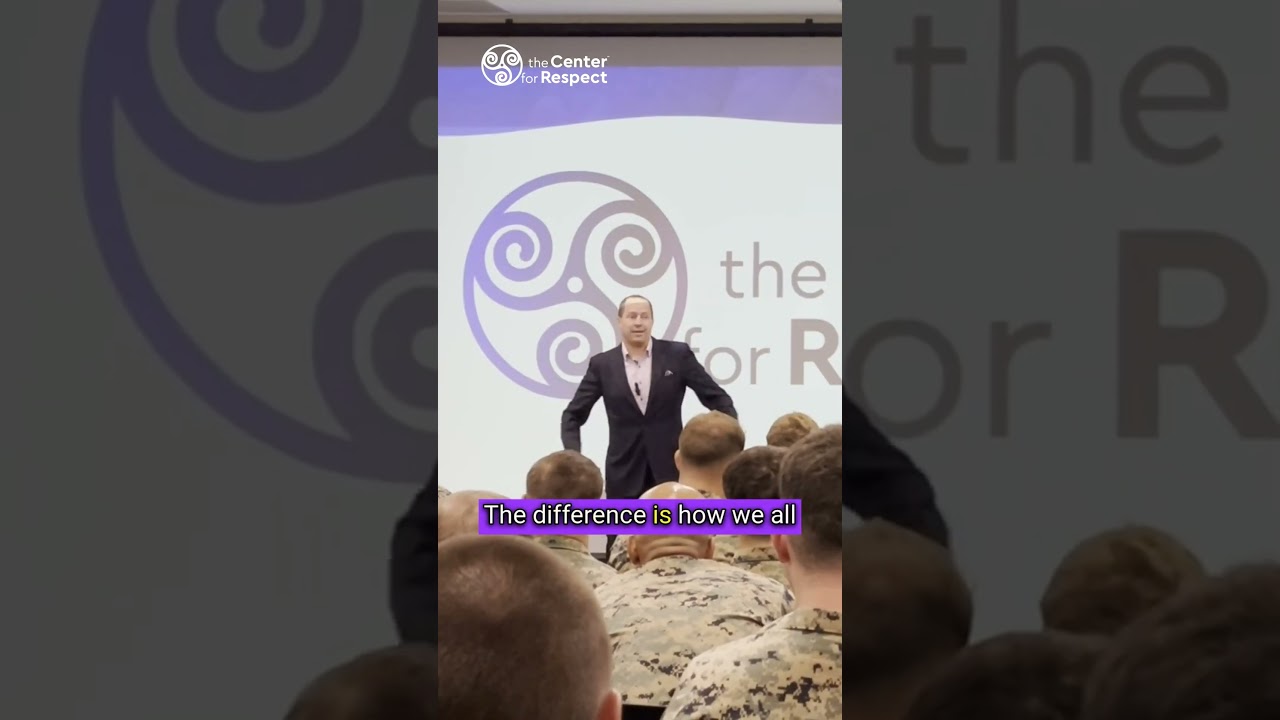
A speaker argues that calling sexual assault by its real name, not softer terms like "taking advantage," changes how people react. When a scenario is framed as potential rape rather than a drunk hookup, bystanders are more likely to intervene. Language shapes whether we act.
Chapters
Someone just said sexual assault. Now what's interesting is how quiet that was said. It was like sexual assault, like I'm not saying that word out loud. Which is interesting, because if I wrote on a piece of paper, someone uses alcohol or drugs to facilitate sexual activity that wouldn't happen otherwise, most of you would have wrote sexual assault actually, or rape. We would have saw the word on paper written down. But we don't say it out loud in the room. And some of you are going, Mike, what's the difference whether I call it sexual assault, or I call it coercion, or I call it taking advantage, or I call it a drunk hookup? They're the same The thing. difference is how we all act when we hear the words. So I'm going, well, what do you mean? Well, if I'm at a bar or at a party and somebody walks up and says, hey, I'm not sure, I'm not positive, but I think Jesse is about to try to take advantage of Erin. Those words, someone will do this. Erin shouldn't have been drinking that much then. That's what they'll do. Exact same situation, walk up to somebody and go, hey, I'm not sure, I'm not positive, but it looks like Jesse is setting up Erin to be raped or sexually assaulted. And everybody goes, excuse me?