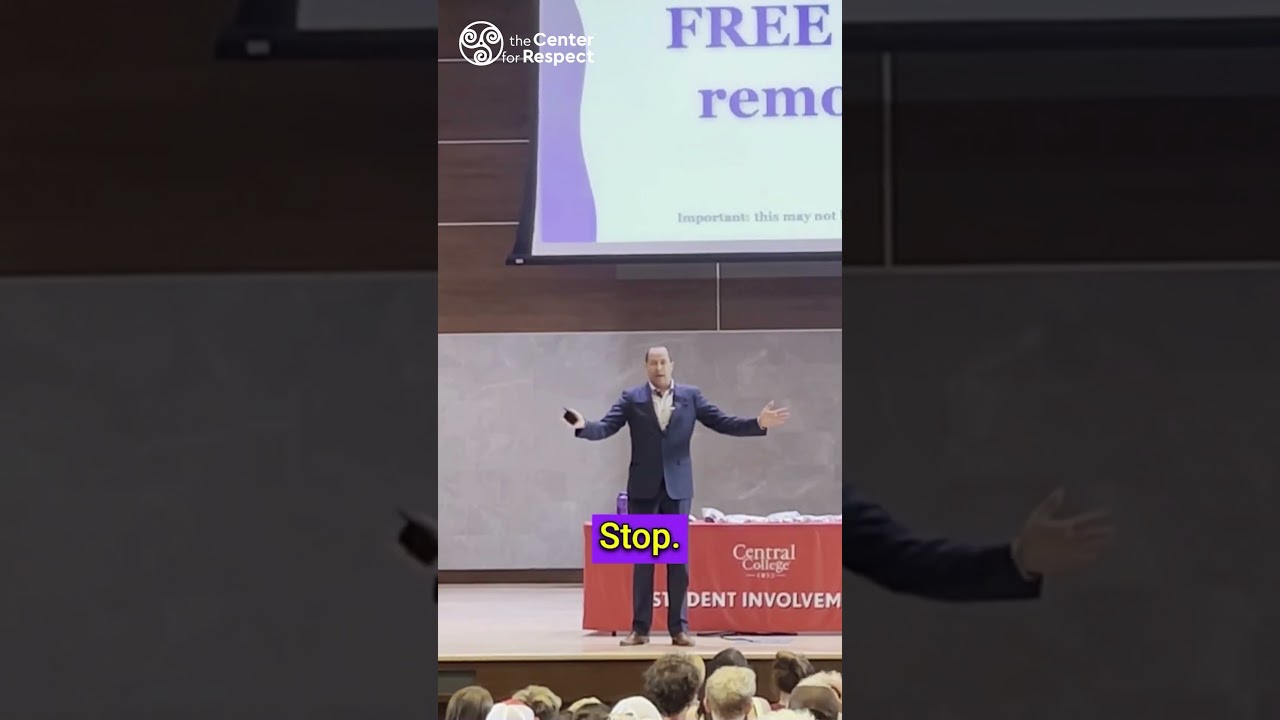
Consent must be specific to each act, mutual, and can be withdrawn anytime. Agreeing to one thing doesn't mean agreeing to another. Intoxication or incapacitation makes consent impossible, and both people need to be fully capable.
Chapters
So the new rule then, Mike, how do you actually define consent? Well, you don't define it with permission. To say I got the permission is the lowest standard imaginable. Instead, is this mutually wanted? I don't talk you into it, you don't talk me into it, we both want it. It is specific, which means if I say, can I kiss you? I don't get to roam all over your body because you said yes. That's not what you said yes to. It is free to be removed. This is critical. It's also in the moment. In the moment means if I say yes right now, does that mean this is ever going to happen again? No. No, it was in the moment. I said free to be removed. This is critically important because that means if I say at 11:10, stop, you must what? Stop. Did we have consent for the first 10 minutes after I said yes and you said yes? Yes, we did. And it stopped right there. It was removed. Really clear. And of course, you can't have alcohol and drugs and all that playing into this as a major contributor. You can't have somebody incapacitated. And we want it enthusiastic. Right? Put it all together, you've got a great answer. You've got a great situation.