Free yourself of feeling guilt or shame for saying NO.
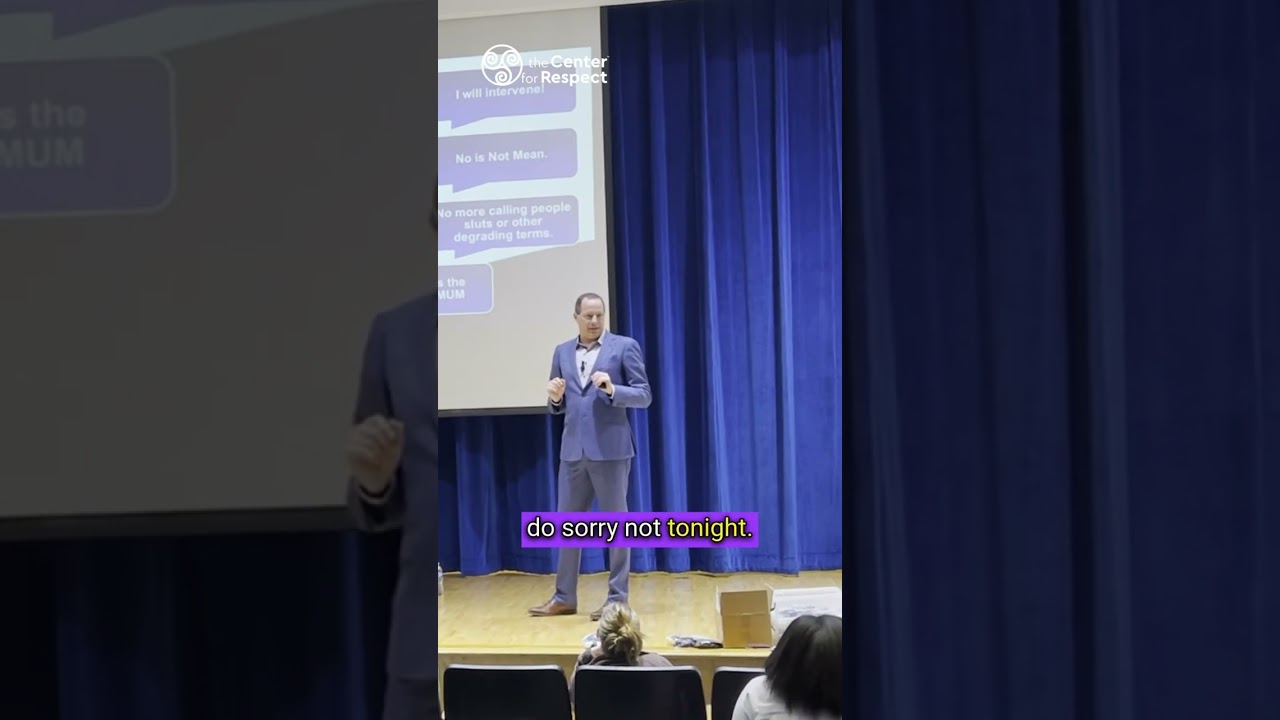
In this instructional segment, the speaker argues that saying "no" should never be accompanied by an apology, because apologizing implies a sense of indebtedness that creates guilt or shame for both parties. The speaker describes a typical scenario in a healthy relationship where one partner declines an invitation with a "sorry" (e.g., "sorry, I have a headache"). He urges listeners to look their partner in the eye and say, "please never say sorry when you say no to me," emphasizing that removing the apology helps the partner learn not to feel guilty or ashamed. The overall message is to foster healthier communication by eliminating apologetic language when setting boundaries, thereby freeing both individuals from unnecessary emotional burden.








