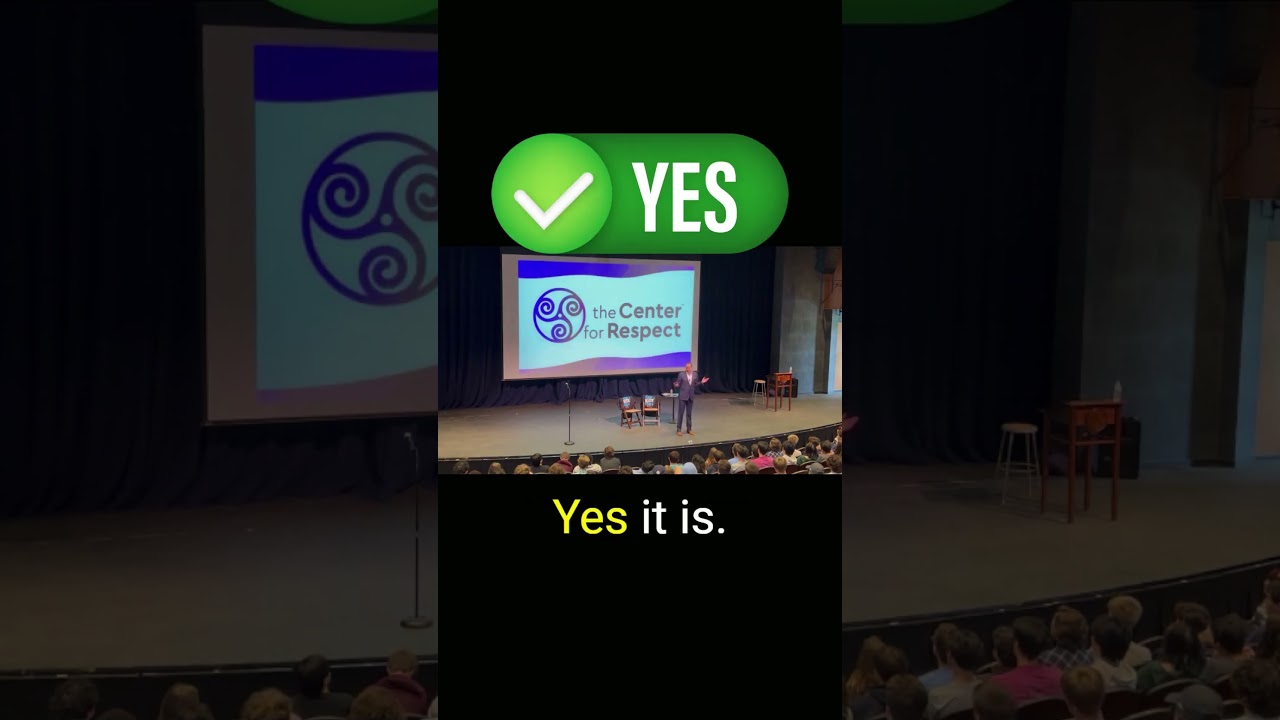
Mike Domitrz explains why feeling regret after a consensual sexual encounter doesn't mean consent was violated. Regret is a normal emotion that can follow enthusiastic agreement. But if a partner ignores ongoing answers or the situation changes, that's a real consent violation.
Chapters
So saying no is never mean. And the last question I get is this one. Hey, Mike, what about regret? What about, I consented, it was all consensual while it happened, afterwards I'm like, hey, I wish I hadn't done that. I regretted it. Is that still consent? So I'm going to ask you as an audience, is that still consent, yes or no? Yes. Yes, it is. There's a big difference in regret and sexual violence or sexual assault. A massive difference. You will regret things in life that you agreed to do. And you might have even enthusiastically agreed to do it. And you'll regret it afterwards. You're like, that isn't what I thought it was going to be. I regret making that choice. But in the moment, I totally agreed to that. It can happen in life. All right, so that's okay. Now, if you tell me that I agreed and then they changed the situation, or during they weren't respecting my answers, that's not a regret. That is somebody failing to honor consent. We're in a whole different ballgame then.