Kids Are Never Too Young to Learn About Consent (Here's Why)
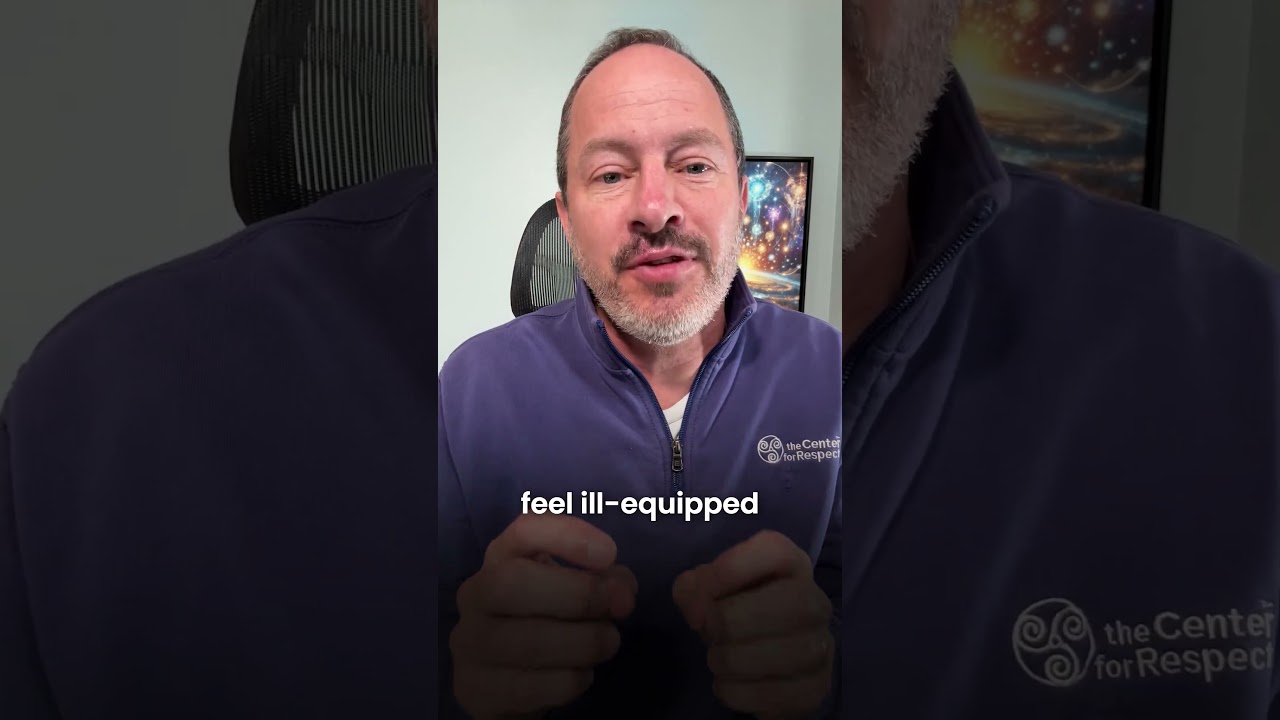
In this brief presentation, the speaker outlines three key rebuttals to the argument that children are too young to learn about consent. First, they argue that delaying consent education until after school years is ineffective because young people may encounter pressure situations before they have the necessary skills—comparing it to teaching swimming after someone is already drowning. Second, they note that while consent may seem like common sense, most teens feel ill‑equipped to ask for it, highlighting the gap between understanding respect and having the language and skills to practice consent under pressure. Third, they emphasize that consent education equips students with concrete language to recognize, name, and report boundary violations, turning awareness into actionable behavior. The speaker concludes with a call to action, inviting schools to bring this conversation to their campuses.








