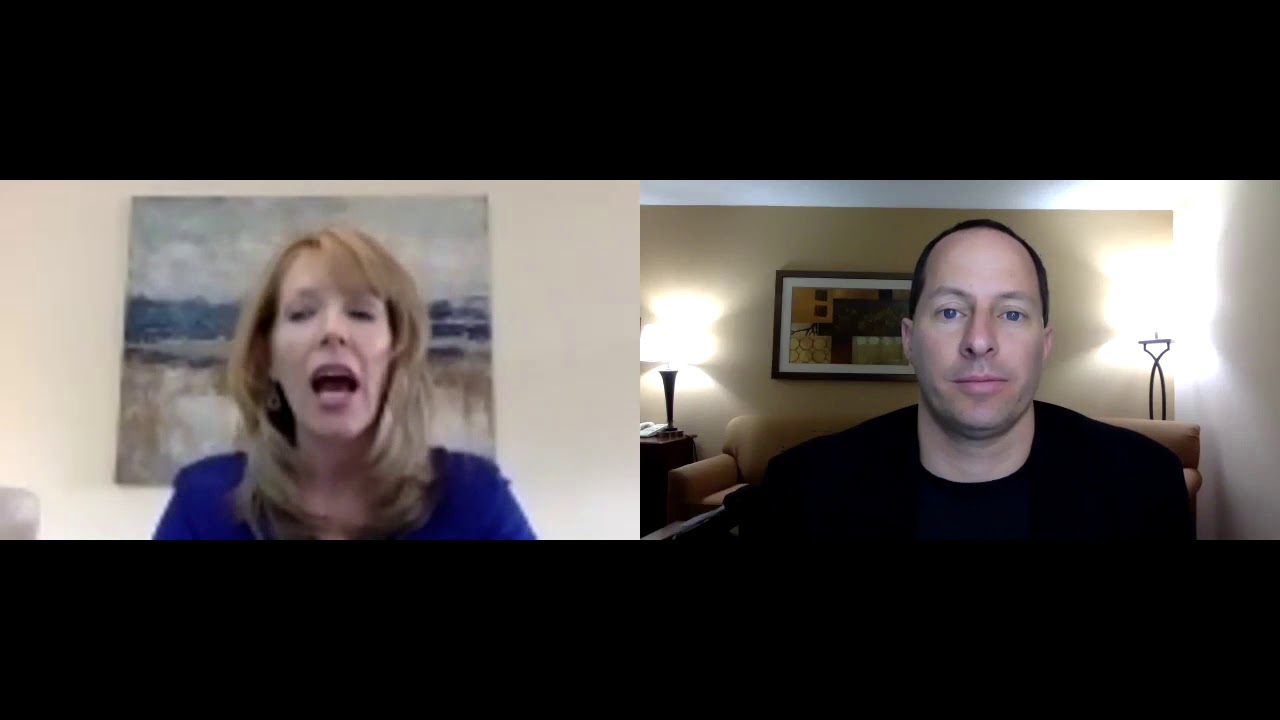
In this interview, host Mike Domitrz speaks with survivor and advocate Lisa Foster about the sources of her strength after experiencing childhood sexual violence, the role of faith, therapy, and supportive communities in her healing, and the broader impact of the #MeToo movement. Lisa emphasizes that every survivor possesses inner courage, regardless of whether they speak publicly. She outlines what makes a therapeutic relationship effective—safety, validation, and survivor‑led pacing—and notes that these qualities are also essential in friends and family. Discussing #MeToo, she describes how the movement has helped survivors feel less alone while also acknowledging concerns about pressure to disclose. Lisa identifies shame as the primary barrier to healing, recommending that survivors first find a trusted person who can listen without judgment. She encourages survivors to recognize they are not broken, that hope and a path to thriving exist, and that their lived strength can be channeled into creating fulfilling lives. The interview concludes with Lisa providing her professional contact information (parillum.com, lisa@parillum.com) for anyone seeking support.
Chapters
Well, I want to introduce to you everyone Lisa Foster. Lisa is a great example of a strong, courageous survivor, and Lisa's also someone who's— who has spoken out about this. And I think one of the important things as you watch videos and we share the stories of survivors is knowing that while we're featuring people who are comfortable coming forward or who have talked about it, that doesn't mean that if you haven't come forward or you're not speaking publicly about this, That you're not a strong, courageous survivor. Really, really important to know. And this is the first of the videos that we're sharing of survivors. I think that's important to start with right from the start. Because every survivor has that strength and courage inside them. And that's really important for us to discuss. Lisa Foster is the survivor we are featuring today as far as the strength and courage. Lisa, your journey. So Lisa, I'm going to start by— I'm not going into in the video the details of what happened to anyone. I think that's a different discussion. Sometimes it's appropriate, sometimes it's not. What we want to do today is give people an inside look into a survivor and everything happening in the world today, how that's impacting survivors. So the first question I have for you is, after you experienced sexual violence, where did you find your strength?
Well, first of all, I just want to acknowledge I totally agree about not having— survivors not needing to tell their stories, that it really is, we are heroic because we are here and because of what we walked through. It's not about when or how often we share our stories. And for me, my strength, because this happened for me in childhood and in my family home, I really found a lot of strength in my faith and in my relationship with God at the time. And then coming out of that home, My strength was found in the healing supportive community that I found, in particular, an amazing therapist who also introduced me to a support group. So I was with contemporaries who experienced what I did in terms of sexual violation.
And as I meet survivors around the world who have felt come forward, felt comfortable coming forward, many of them refer to the positive impact therapy had in some form of therapy. But not everybody's had that experience. Some have had experiences that were neutral or negative. How— what do you think are the keys for somebody listening to this thinking it's worth trying a different therapist or trying a different route of getting that professional support? Or I've never, never even ventured that way, but I— do I really need that? How do you respond to that survivor who's wondering?
Well, I think, um, first of all, being empowered in that you get to choose. Who you are with and who you share with. And so the first component for a wonderful therapeutic relationship or any kind of healing relationship is a sense of safety. So do you feel safe with that person? Do you feel validated? Are they someone that actually believes you, supports you, and gives you tools that you leave, even though it's the hardest, some of the first therapeutic sessions or whatever we do to begin to heal, and those first times we tell that story, it's so difficult, but— But the same characteristics that I would say are in a good therapist are also in a good friend, are also in a parent that really listens well and validates, and then provides whatever tools they can at the pace of the individual survivor.
That's a brilliant point there, that it's at your pace, it's on your journey. I think that's so important. I think people feel they're going to be forced somewhere they don't want to go.
Absolutely. And so that's another key of a good therapist or anyone else. And this is what I, you know, I do work like this in the world, and so I talk to supporters, and I talk to people that love those, like yourself, who have experienced— people they love have experienced violation. And that's one of the things I say is, let the survivor take the lead. Give them a space that allows them to share if they want to, but it has to be on their terms and at their pace. And the whole journey to reclaiming our voice and choice in the aftermath of violation of any type is Yeah, I think that's brilliant.
Now, with everything going on right now with the Me Too movement and everything going on in the world, as a survivor, how does that impact you?
Well, personally, it— this is a conversation I have been in for 20 years. And personally, it's now part of my life's work in the world is to help survivors move into the thriving zone. So for me personally, it's like, thank God. There is a sense of, I have known the numbers, I have talked to so many people over the years. And so to have this sense of the world seeing and understanding the extent to which people are experiencing this has been personally just very powerful. I think in the work that I do, What's been most powerful is, because I do free events in the community around this issue, and I think of one story in particular where a person came, had never told anyone about her assault experience as a young teenager. And after she came to this event, and this whole community that we're talking about this without shame, she said, you know, I can't go back. Like, I don't want to talk about it. I don't want to look at that. Well, then Me Too happened in October. And after a few weeks, I actually saw her post. On Facebook. And the next time I saw this young woman in my community, she said, when's your next event? I want to be there. And that is one of the things, one of the gifts that Me Too has given us is this sense of we are not alone, number one. And number two, world, are you watching? It is time that those of you who haven't experienced this, you step up and advocate and use your voice to empower all of us to be free of this.
And what about the people who say, yeah, but what I don't like about the Me Too movement is that as a survivor, I'm feeling pressure now to come forward when I'm not comfortable coming forward.
Well, I would, again, I go back to, it is absolutely your voice and choice. This is your story. This is your journey. And one of the things that I do when I talk to survivors is I use a simplified version of the hero's journey. And there's In the first stage of a hero's journey, there's an awakening. And what I always say when I speak is, you may be awakening now to the reality and the impact of violation on your life, and you never have to go further. You don't have to step into stage 2 transformation or recovery or healing if you don't want to. And the same thing holds for this MeToo movement. There are people that will never share on that platform, and I honor them. It's their choice.
No, that's brilliant. I appreciate you sharing that, Lisa. And with all this, I mean, you come from a perspective that you do— you are out there and you are sharing. So you see all, all of the impact, not just from your own experience, but from the plethora of other survivors that you meet and you work with around the United States. In there, where would be some suggestions that you think, maybe one or two top suggestions that often people don't say that you think are important for survivors to hear?
Well, the first suggestion— suggestion is an interesting word. I think, yeah, the first thought is I personally believe shame is the killer in all of this. And so anything that we can do to begin to alleviate the shame that is around this issue will help us. And so one of the, the Biggest ways we can begin to alleviate or to release the shame that comes with this issue is to find just that first person that is safe that we can share. Shame lives and breathes in, in the darkness and in silence. And in that sense that we're all alone. And so when we have that first conversation in which the person we share with fully accepts us. And loves us and feels with us the impact. That, that to me is the most important aspect of this, to know we're not alone and to be able to tell our story to at least just one person who can really see and honor us. And, and the second is to know that, that we are worth being free of the impacts. And that there truly is a path that can help us be free of the various impacts of this kind of trauma. And so to know that there is hope and that we are not broken, that we had something happen to us and that there's a healing journey that can actually set us free so that we are thriving again. We are not just surviving our lives, but thriving. And I would say, and this is certainly my experience, And this is what I tell my clients, is that we are heroic for having walked through that. And that same strength that keeps us here and on the planet and moving forward— and I've heard you speak about this, Mike, and I've been— I was so touched by how you say that about survivors, that they get up, they go to school, they go to class, they stay on campus, they do all these things. What I want people to know is that at some point when they're ready, if they're ready, That same strength and power can then be used to create lives they love, to truly shine in who they're meant to be, and to bring forth their greatest gifts, that there really is a path beyond this experience.
Absolutely. Lisa, thank you so much for sharing with us, for your strength, for your courage. You're a role model to survivors, and so I want to thank you for joining us today. If somebody wanted to reach out to you, what would be the best way for them to do that?
Well, my— it's parillum.com. P-A-R-I-L-L-U-M-E dot com is the website. And it's lisa@parillum.com. And they're welcome to email or to reach out through the website. And I would love to chat with anyone.