The Real Power of Oral Communication
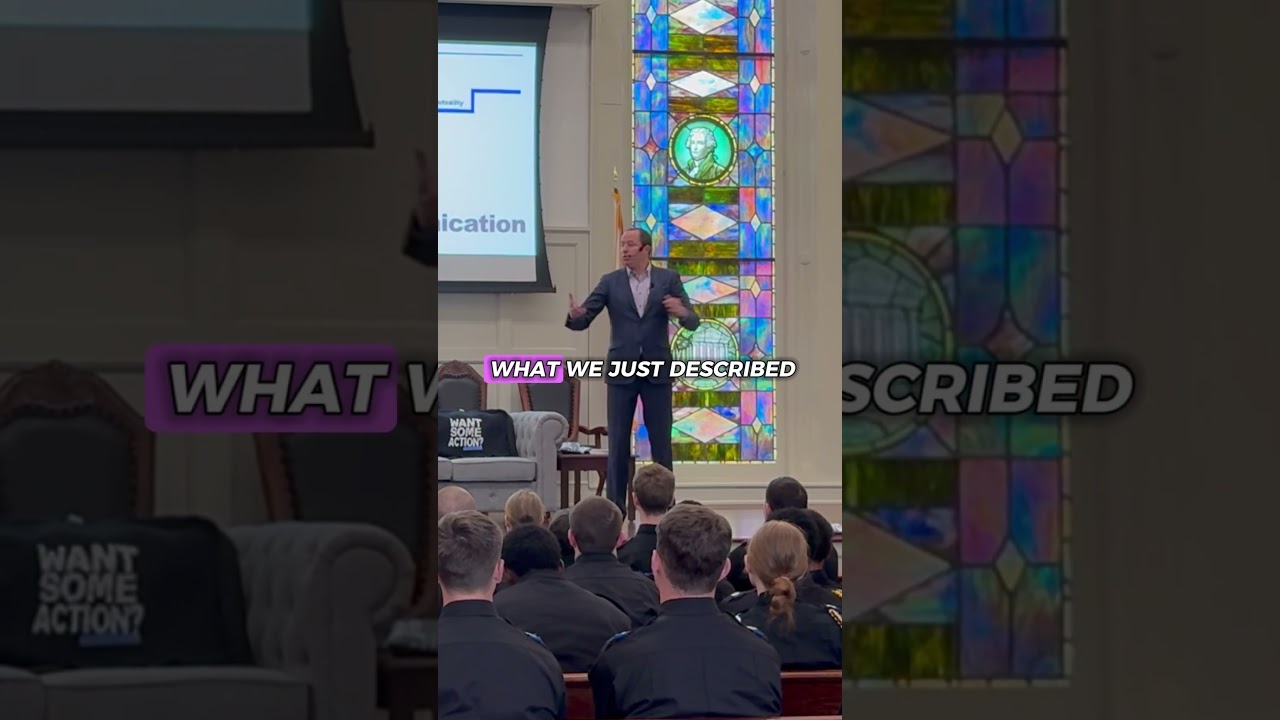
In this spoken presentation, the speaker argues that body language can only provide signals, never definitive answers, and that words are required to confirm intent, especially in intimate or consent‑related situations. He recounts a midshipman asking how to avoid misreading body language, and uses that as a springboard to illustrate a common scenario: a partner verbally says “yes” while their non‑verbal cues suggest reluctance. The speaker advises listeners to treat body language as a warning sign, then use explicit verbal checks such as “Are you really okay with this?” to clarify consent. He provides example phrasing for pausing an interaction, inviting the partner to express discomfort, and emphasizes that acknowledging and discussing mismatched signals fosters mutual learning and respect rather than shame.








