The Real Power of Oral Communication
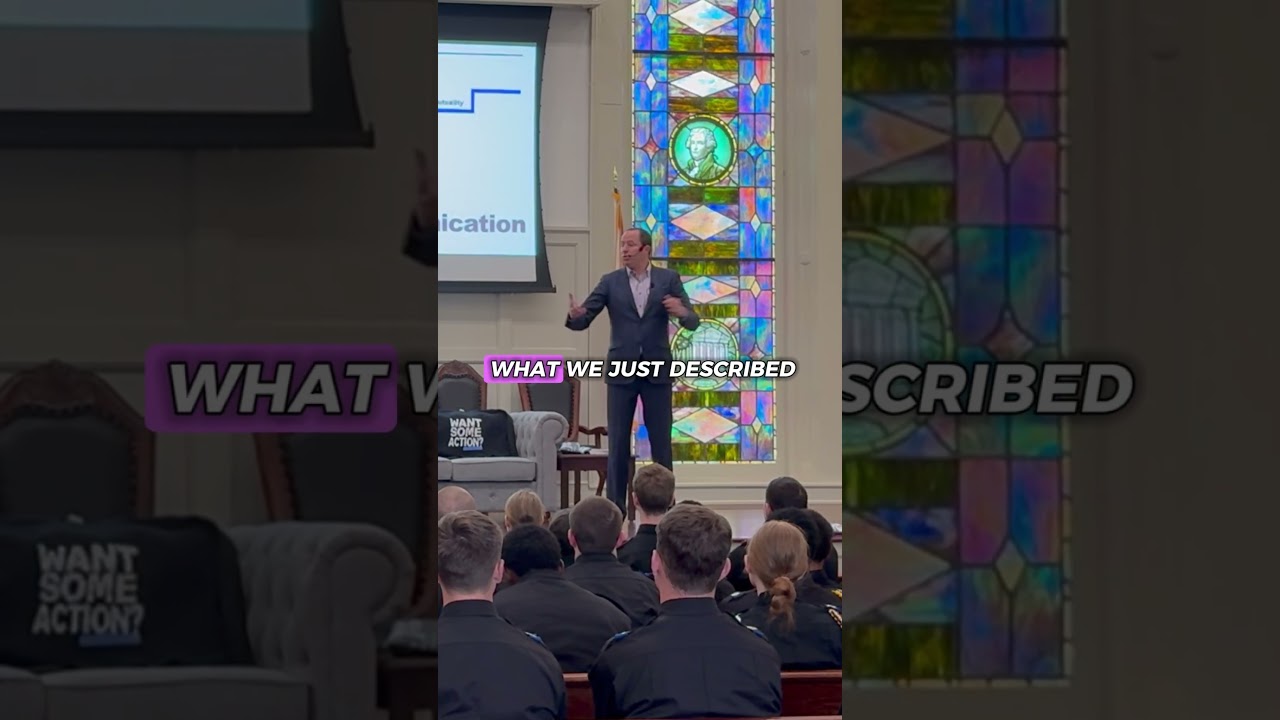
In this instructional talk, the speaker emphasizes that body language can only provide signals, never definitive answers, especially when navigating consent. He argues that while non‑verbal cues are useful, they must be followed up with explicit verbal confirmation to ensure mutual understanding. Using an anecdote about a midshipman asking how not to forget body language, he illustrates a common scenario where a partner verbally says “yes” but their posture or facial expression suggests hesitation. The speaker advises pausing, observing the signals, and then asking clarifying questions like “If you’re not into this, we can stop,” to let the other person voice any discomfort. He stresses that this approach respects both parties, avoids misreading cues, and fosters learning from each other, rather than shaming anyone for their feelings.








