0:19

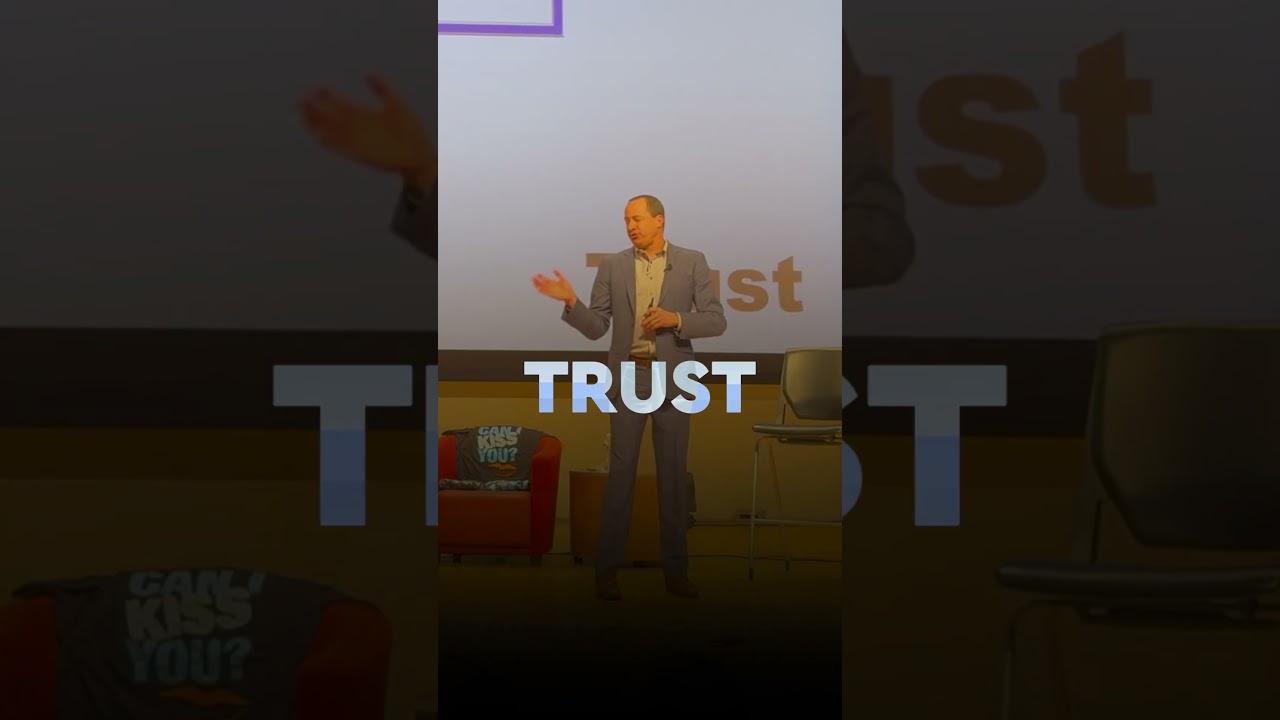
In this segment, the speaker argues that cultural and societal messages— from parents, schools, faith, and broader American norms—encourage young people to place trust in external figures rather than themselves. This external trust leads them to prioritize keeping others happy, often saying "yes" when they mean "no." The speaker emphasizes that fostering self‑trust in youth is crucial because when individuals trust themselves, they are less likely to be manipulated or compelled to act against their own wishes. The core message is that teaching self‑trust is a valuable skill that empowers young people to make authentic choices.


More from Mike

0:24
youtube.com

Who Really Pushes Back Against Your Boundaries

2w ago
0:46
youtube.com

Why Speaking Up Isn't Being Difficult

2w ago
39:53
youtube.com

Cornell University Civil Lawsuit

2w ago
0:45
youtube.com

What You Say About Your Partner When They're Not Around Matters

2w ago
1:05
youtube.com

The Cornell Lawsuit Is a Wake-Up Call for Campus Prevention

3w ago
0:38
youtube.com

You Don't Have to Be Rude to Have Boundaries

3w ago
1:04
youtube.com

3 Questions That Deepen Trust and Communication in Relationships

3w ago
0:38
youtube.com

When Someone Won't Respect Your Boundaries, Do This

3w ago
1:11
youtube.com

Parents: Stop Threatening Your Teen's Date (Do This Instead)

3w ago
1:12
youtube.com

How to Say No and Actually Mean It (4 Steps)

4w ago
1:07
youtube.com

3 Steps to Respond When Someone Says No

4w ago
See all content