1:01

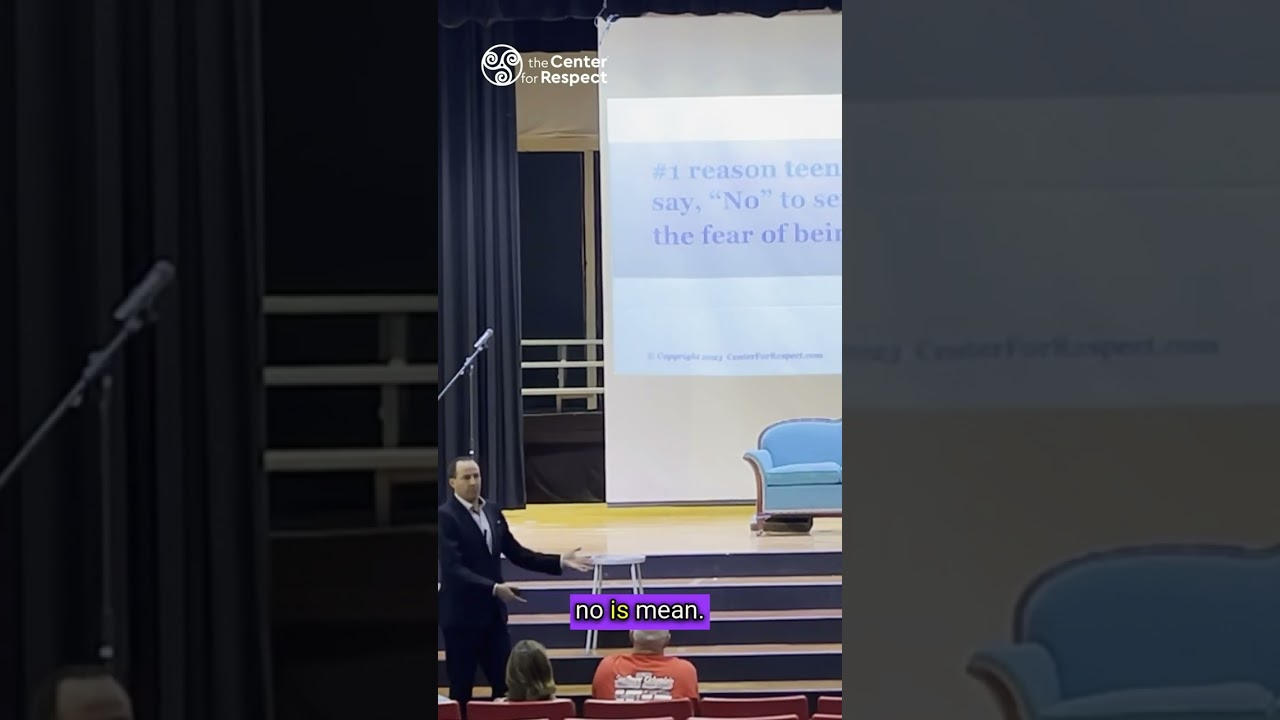
In this monologue, the speaker examines why teenagers who intend to refuse a request often end up agreeing. Drawing on survey responses, the speaker identifies three primary drivers: (1) peer pressure and the desire to avoid disappointing a partner, (2) internalized messages to "keep him happy," which compel teens—especially girls—to prioritize the other person's feelings over their own, and (3) a cultural belief that saying no is synonymous with being mean. The speaker distinguishes between teens who say yes to gain love versus those who genuinely wish to say no but feel constrained by these social expectations, highlighting the unhealthy dynamics underlying these choices.


Chapters

More from Mike

0:24
youtube.com

Who Really Pushes Back Against Your Boundaries

2w ago
0:46
youtube.com

Why Speaking Up Isn't Being Difficult

2w ago
39:53
youtube.com

Cornell University Civil Lawsuit

2w ago
0:45
youtube.com

What You Say About Your Partner When They're Not Around Matters

2w ago
1:05
youtube.com

The Cornell Lawsuit Is a Wake-Up Call for Campus Prevention

3w ago
0:38
youtube.com

You Don't Have to Be Rude to Have Boundaries

3w ago
1:04
youtube.com

3 Questions That Deepen Trust and Communication in Relationships

3w ago
0:38
youtube.com

When Someone Won't Respect Your Boundaries, Do This

3w ago
1:11
youtube.com

Parents: Stop Threatening Your Teen's Date (Do This Instead)

3w ago
1:12
youtube.com

How to Say No and Actually Mean It (4 Steps)

4w ago
1:07
youtube.com

3 Steps to Respond When Someone Says No

4w ago
See all content