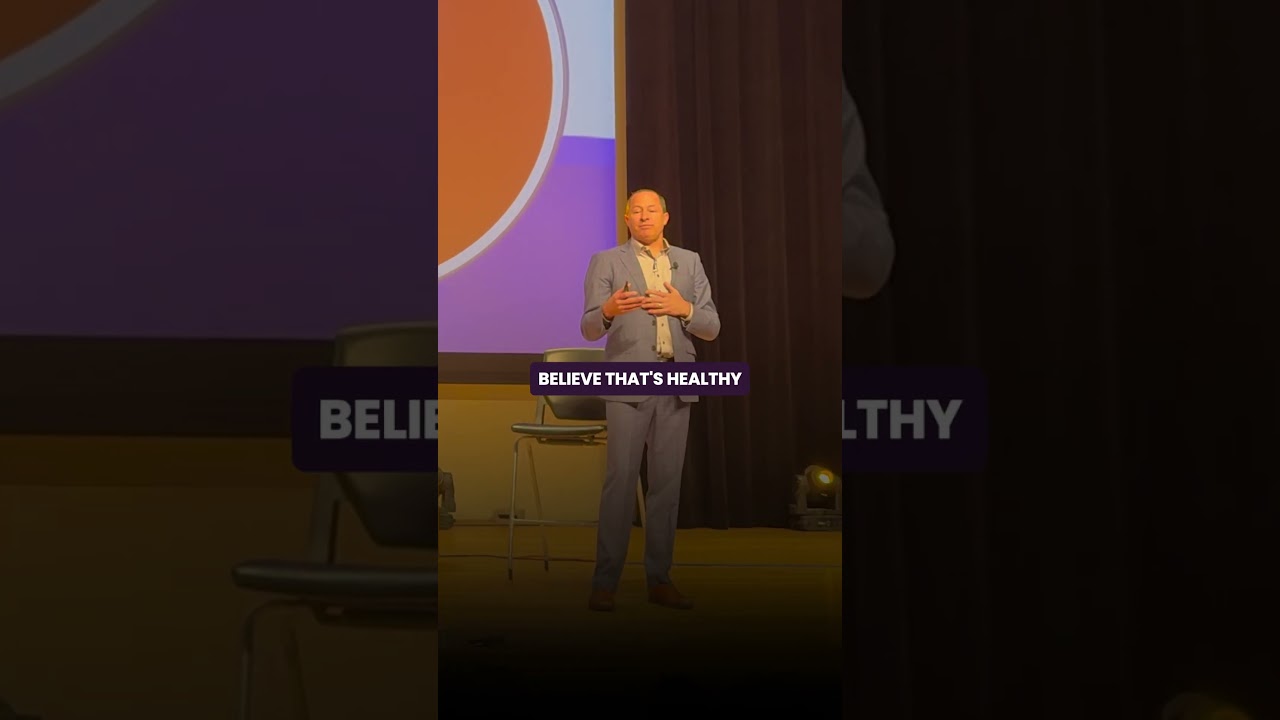
Mike Domitrz explains why a "yes" given under pressure isn't real consent. Many people say yes to avoid disappointing someone or seeming mean, even when they don't actually want to. Legal permission and healthy consent are not the same thing.
Chapters
When I was growing up, you have to have permission. Today's youth, if you say, what does consent mean? They will tell you permission, right? That's typically what they're gonna say. Why is that a problem? I can get your permission to do things you don't wanna do. So it might be legally consented, does not mean it's healthy at all. In fact, if you ask most college students, high school students, do you say yes to sex you don't wanna have when given a choice? Do they say they do this a little bit or a lot? A lot. And if you ask, why do you do this a lot? Anybody know the reason? I don't wanna disappoint. No is mean, and I don't want to be mean, so I say yes, keep them happy. By the way, is this highly problematic? Yes. And they believe that's healthy consent because I said yes. By the way, it's legally consent because we have people now saying, well, I don't know if I would leave. That is legally consent. Let's be very clear. If you're in any way working judicial on this campus, if somebody said yes and they did it freely, willingly— I can't read your mind. So if in the back you're thinking, I don't really want to, but I'm saying yes and I can't get any— it's consent.