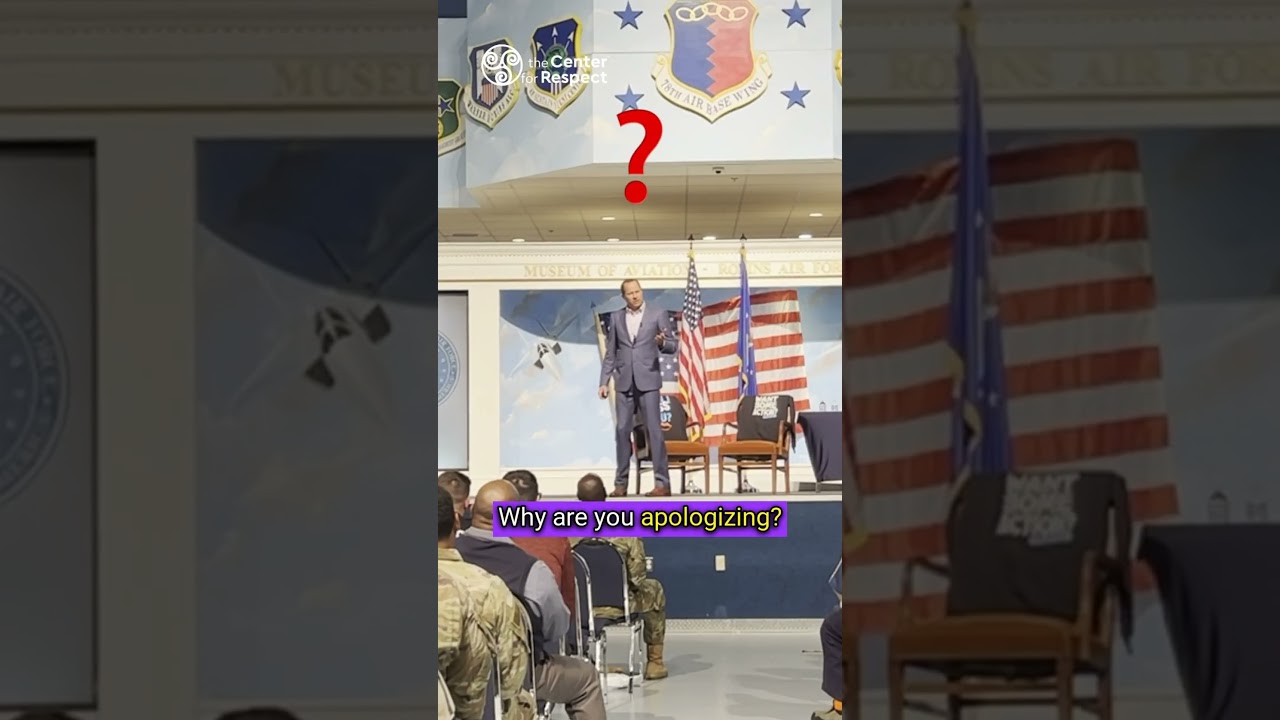
When you say no to sex, you don't owe an apology. The speaker argues that apologizing for refusal reinforces the idea that sex is owed, and suggests partners should stop immediately when they hear "sorry." A "mutually wanted" framework, where both people actively desire it, works better than permission-based models.
Chapters
Your partner's about to say no to sex to you. You said you want to do this tonight. They're going to say this word before they say not tonight. What's the word? And this is almost never discussed. What was that over here? A headache. A headache. Oh, that's good. This is happening before you say the reason. So, I've got a headache, but you're going to say this word first. When I say it, a bunch of you are going to go, oh, I've done it, or I've heard it. Ready? Sorry, not tonight. Sorry, I have a headache. Why are you apologizing? You never owed me sexual activity. Why are you saying sorry? By the way, incredibly powerful lesson to teach a partner. Did you teach everybody out there, when your partner says sorry, stop the action right there and go, you don't ever have to apologize to me. Why would I ever want to do this if you don't want to do it? So please never feel the need to apologize. Really powerful lesson that people can use. So that's why you want that mutually wanted over that permission-based, which to be fair, permission's what's been taught out there forever.