In this video, the speaker challenges the common advice that coaches must rely on paid ads with ultra‑narrow targeting to grow in 2026. He argues that the advertising landscape has shifted: broad audience targeting combined with hyper‑specific, context‑rich messaging now drives higher‑quality leads at lower cost. Using a real client who runs relationship‑coaching ads, he shows how overly narrow zip‑code targeting inflated cost‑per‑result, and how broadening the audience while tailoring copy to the true decision‑maker (typically the wife) dramatically improved performance. He also demonstrates the power of visual branding—wearing a distinctive hat—to act as a self‑filter for ideal prospects. The core takeaway is that in 2026, the emphasis should be on precise, resonant messaging (words, on‑screen text, clothing, background) rather than granular demographic filters.
Chapters
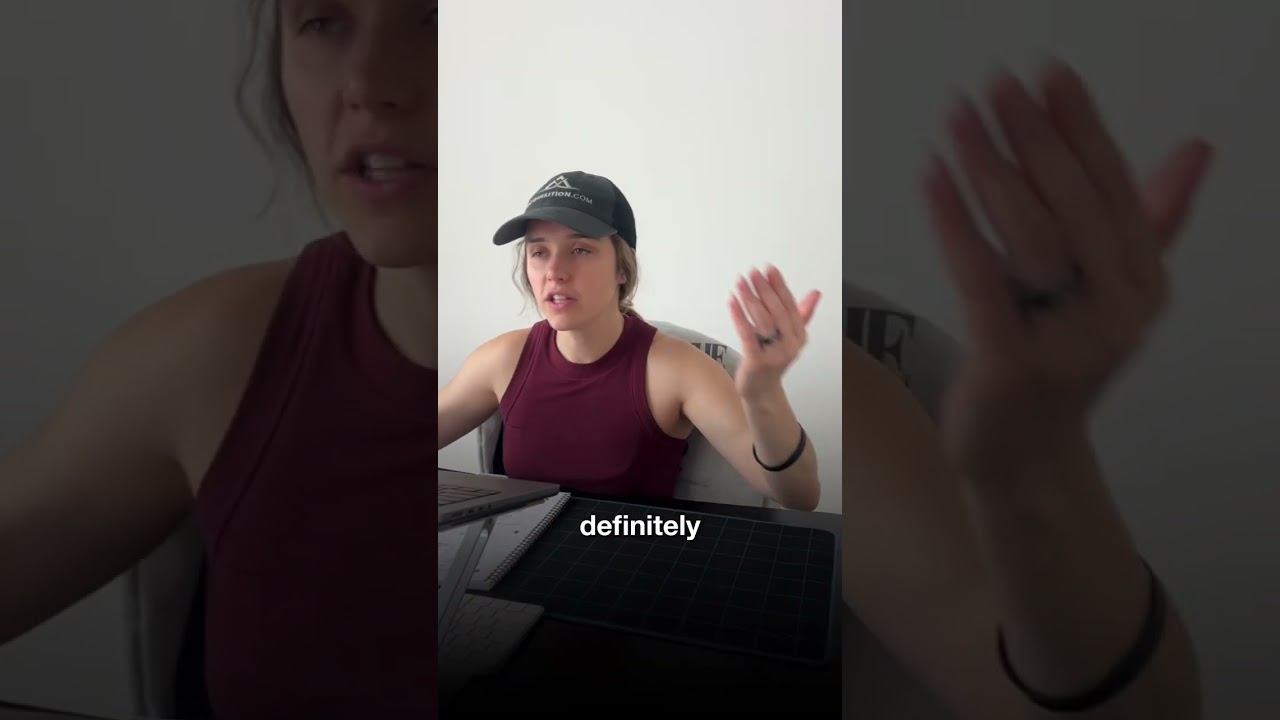
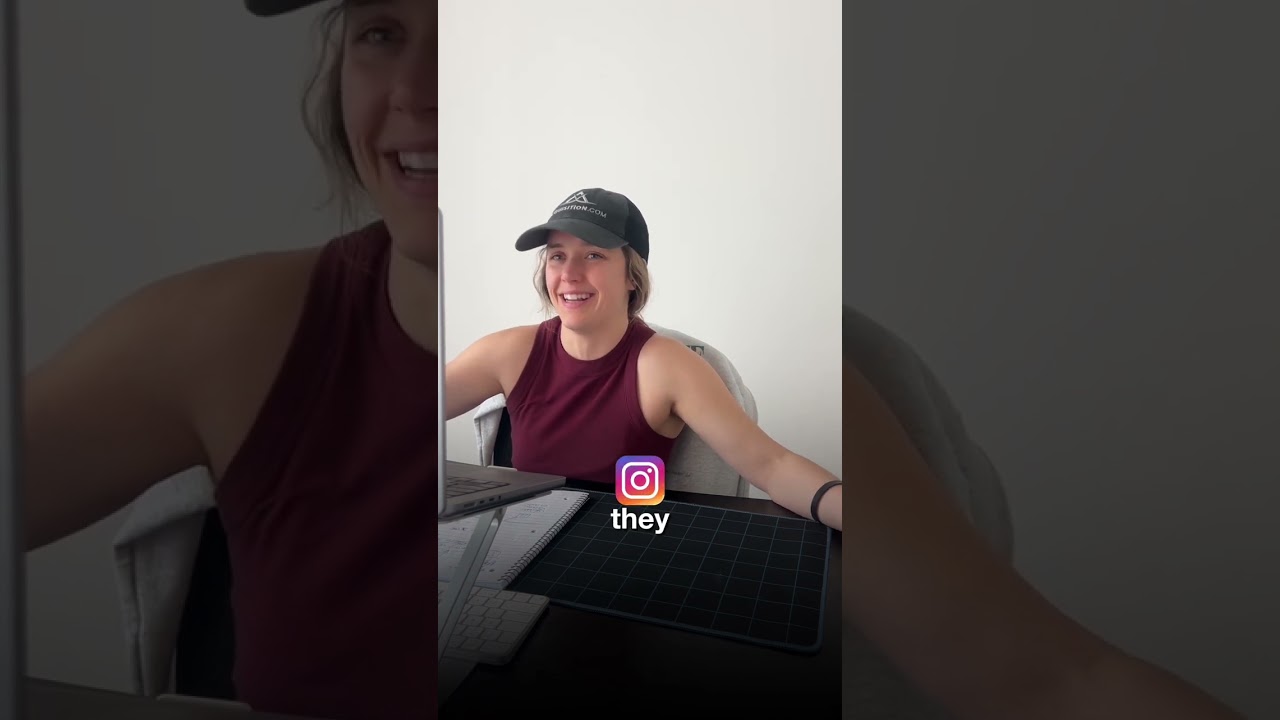
Everyone tells you that you got to be running paid ads to grow your coaching business in 2026, but no one actually shows you how to do it. No one actually shows you how to get your targeting right so that you get quality leads coming in. Here's what you need to know about targeting in 2026. You need to know that it's not 2014. You don't need to stalk people and know absolutely every single thing about them and have super narrow targeting on like what book book they're reading or their zip code or whatever. Targeting in 2026 is way less about the targeting and way more about your messaging. Like, I had a client, we were looking at his ad account the other day, and he was— he was— he got this advice from somebody else, but he was targeting a bunch of different zip codes with his targeting. I was like, dude, I think that's too narrow. Like, I don't think that's going to give you a very good cost per result. We looked at the cost per result and it was like fucking sky high. I was like, okay, dial it back a little bit. Don't go that narrow with the targeting, broaden it, and let's get more specific with your messaging. Now, this particular client helps people with their relationships, putting the spark back in their relationships. And when he was advertising in his ads, he was saying couples, right? Like, he was, he was in his ads, some of them were going, they were almost more targeted to men. But when we were speaking, it was obvious that the person who was initiating working with him, it was always the wife. It was almost never the husband, even though obviously they're married. And so it's like, okay, that's a clue. We're only gonna speak to them in the messaging. They're gonna resonate with different stuff than guys are gonna resonate with. So for example, instead of, you know, speaking to couples, we might say some stuff in the copy or what he's saying to where it says, "Your husband." We'll also use very specific language like, "Feeling like a roommate in your relationship." That paints like a really specific picture. I'll give you a ninja example of this that I use sometimes. I actually told this client to do the same type of thing. I frequently wear this hat when I film ads. Why do I wear that hat? Because I'm looking for those type of people, those type of people who would resonate with Alex. And the thing is, if you resonate with his style, you'll resonate with mine. And if you really hate his style, you probably won't like mine that much. That's great filter for me with messaging. The number of sales calls that I get on where people say, I saw you with the hat and I knew, that's proof in and of itself. And so just know this, in 2026, it's way less about the targeting and it's way more about your messaging being crazy specific. The words you say, the text on the screen, what you're wearing, what's in the background.