In this monologue, the speaker reflects on the hard truth that being an effective business coach requires more than coaching expertise; it demands mastering marketing and sales. He argues that sales should be viewed as a service—helping clients achieve results by presenting offers, addressing their fears, and challenging limiting beliefs—while emphasizing that a coach cannot and should not force a purchase. The core message is that if a coach is unwilling to learn these skills or respect ethical boundaries, the coaching business isn’t a fit for them.
Chapters
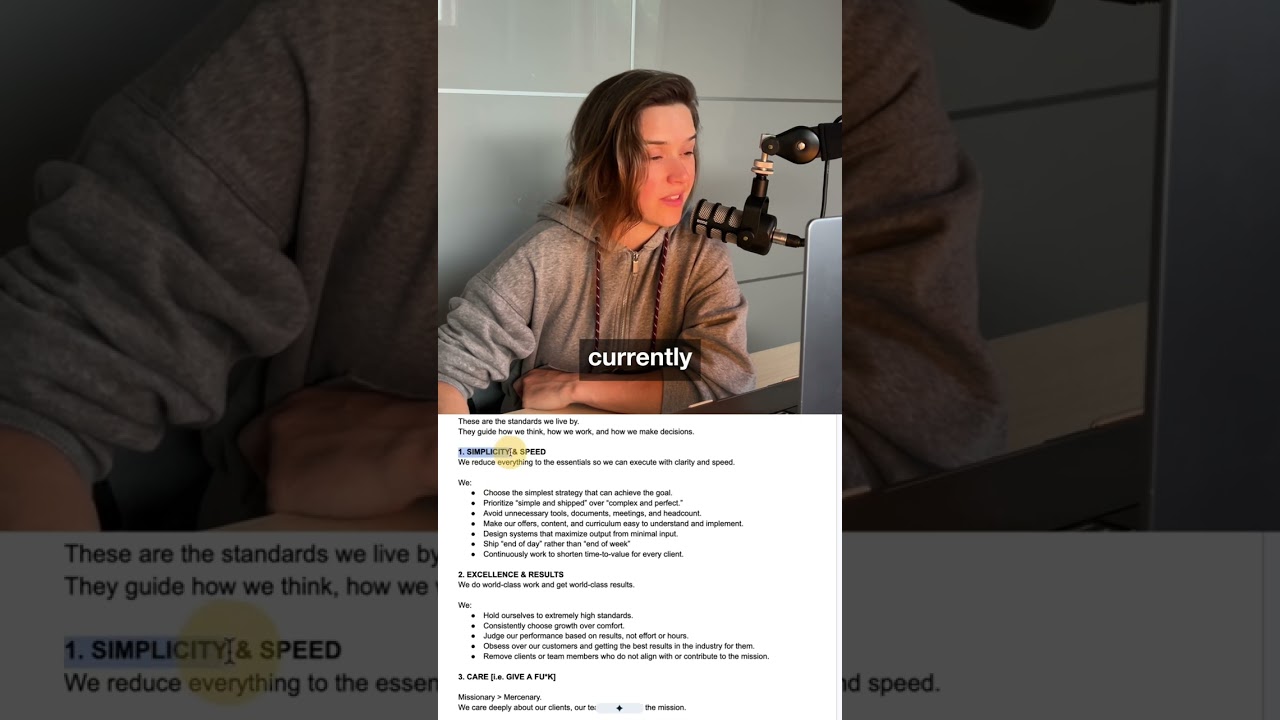
You eventually get slapped in the face by the reality that you can't just be a good coach. You have to learn how to market and you have to learn how to sell. And if you don't want to learn those things, well, then this business isn't for you. If you want to do that thing, you had to learn it. And then in terms of getting good at it, I think probably the biggest thing for me is just knowing that sales is service. As long as you have a good product, right? Truly, you're trying to help that person get a result. And if you believe in the thing that you're selling, then it makes sense that you're going to walk them through their fears, walk them through their hesitations, show them a different perspective, show them where they want one identity, but they're showing up as a different one. Right. And you're not making them do anything. Yeah. You're simply presenting an offer. Like, really, you're just getting them to confront reality, right? They see the facts. They see what it is. You present an opportunity to help them. And if within them sitting here, right, and them trying to get here and you have this opportunity, there's some sort of bullshit beliefs or thought patterns that are clouding what's actually happening, then you tell them, give them that insight. But you can't make someone give you their credit card, right? You can't do it. You know what I mean? Yeah.