Mastering Your Mindset To Build A Multiple 6-Figure Coaching Business - With Matt Young
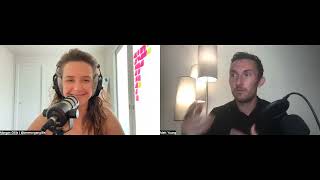
Morgan Gillis went from forestry student to nutrition coach to Instagram marketing coach for other coaches. A 2018 mindset shift helped her build from zero to $270K in revenue by 2022, and she's now targeting a million-dollar business by focusing on abundance thinking and staying in the arena regardless of outcomes.
Chapters
Boom! And we are live, guys. Welcome to another episode of Elevate Your Mind. Today we've got another Everyday Extraordinary, our series where we bring everyday people like you and I to the forefront and nitpick on their mindset, on the tools that have produced them phenomenal success, whether that be in business, in their life, in their relationships, in their mindset, financially, wherever it might, may be. Today my guest on the pod is Morgan Gillis, a social media marketing coach and entrepreneur from Canada who helps her clients hit $10K sales months mainly through Instagram. Morgan's story, as you'll find out, is anything but conventional, but has led her to hitting multiple six-figure months with her marketing and business strategies. Morgan, it's an absolute pleasure to have you here, and I'm looking forward to deep diving into your mindset. Welcome to the podcast.
Cool, thank you so much. I'm stoked to be here.
No, very, very pleased to have you. Um, first things first, let's get straight into it. Tell us a little bit about you. Tell us about your background, where you're from, and ultimately what's brought you to where you are now.
Yeah, totally. I'm like, man, how deep back do we want to go in this background thing? Um, but yeah, long story short, um, what I do these days is I help coaches sign clients using Instagram. Um, so helping them with marketing, helping with sales. Um, And yeah, like, what do you want to know about, about the background? Is there anything particular?
Yeah, tell me where, tell me where you, where it all started for you. Where did you grow up? Tell me the background of where you, um, grew up and then the path that you got to ultimately where you're sitting in front of me now.
Yeah, totally. Yeah, so I'll try to, I'll, I'll try to make this somewhat brief, um, but I would say let me just go back even to high school for a hot minute and say, um, you you know, there's that stage where you're like 17 or 18 and you feel like you need to make a decision on what you're going to do for like the rest of your life. And so I was in that decision-making process and I did grow up sort of in the middle of nowhere, like East Coast Canada, almost as far east as you can go without like going to like Newfoundland or something. And so I lived on a dirt road in the middle of nowhere and we had like, you know, dirt bikes and four-wheelers and all that sort of like fun stuff. And so when it came time for me to choose like a career path, I was like, okay, uh, I think I'm gonna choose like forestry school. I wanted to be like a park ranger. Um, cuz they basically like, you know, they're like kind of like a police officer, but not quite that much, but like more outdoorsy. And I was like, oh sweet, I could get paid to like drive four-wheelers all day. I'm already doing that. Amazing. Let's do that. Um, and then I, I, I kind of graduated from that, did my two years at like forestry school. Um, and then I kind of got to the end of it and I was like, I don't think this is it. And I only chose this because I thought I was going to really love it and I wasn't going to get paid as much. Like, I probably could have made more, but I was like, oh, I don't know if I'm not really going to get any of the things I'm looking for here. So I was like, okay, let me just go into engineering and then I'll make, um, really good money and I'll just do what I want in my free time since I can't find something that I love. And then I got into engineering and like You know, one year in, I was like working a summer job and I was like, man, I just, I see what's going to happen here in like 5, 10, 15, you know, 20 years. And like, I think my soul's going to die. And so I was just like, okay. Um, I don't know what I'm after, but I know it's not this. And I ended up like leaving and I dropped out of engineering. I moved to Memphis, Tennessee to like work for some guys that I found on frigging YouTube. I was like CrossFit obsessed at the time. And I was like binging all their stuff on YouTube and their podcast. And eventually I was just kind of like, what if, what if I could work for these guys? Like, what if I could learn from them? I don't know how the frick I'm going to do this. But anyways, I somehow got the dude's email address and I sent him a message and I wrote him this essay and I was like, I'll come work for free. I have nothing to offer except for I'm really in it to win it. And I'm like an A-player. I just, I'll get the skills, you know? And he like, he let me come work for him for free. And then long story short, that got me into CrossFit coaching and then nutrition, taking a bunch of different certifications and learning about social media. And one thing snowballed into the next thing. And then the biggest thing at one point, like what shifted me into this stuff and the marketing stuff is like I couldn't figure out how to get clients for like 5 years. I was like quadruple certified and like could not get clients. What's that?
Your nutrition business. You couldn't figure out how to get clients.
Yeah, yeah. It was for my, like, my health coaching nutrition business. I just like struggled forever for like probably like 2014 to 2019 was just like struggle street for me. And then Once I, I mean, there was a number of different things that happened. Um, I finally hired a coach. I finally invested in a course. I got into some masterminds. I joined a coworking space, like, um, a bunch of different things happened. I got a job as a lead generation strategist for a startup. And so like a bunch of different things happened, but I still had that, like, I want to do my own thing. And so, um, it wasn't very long that I had that startup gig job and I left again and went out on my own. And then like 3 months later, I went from basically being a broke coach to being like, holy crap, like I just made more in a month than I used to make in 6 months. This is crazy. Um, and then once that clicked, I was like, oh, I got to teach this. Like, this is— I just had this problem for 5 years. I know how to solve it now. Cool, let me teach other people how to solve this problem.
And that's where we are right now.
And that's where we are now. Yeah, that was 3 years ago once it clicked, and now it's just full-blown down that path.
So how long have you been doing exactly what you do now, helping coaches scale, helping clients scale to those $10K months? How long have you been doing that now?
Yeah, I think it's a little over 3 years now of me helping coaches.
Yeah. And if you don't mind me asking, what has been your— I know you speak about this on your Instagram— in those 3 years, what's the growth been like? And that can be from a business standpoint, financially, however you want to disclose that.
Yeah, I mean, um, I would say, I mean, that, that first— at first when it clicked, when I had basically what I had my first like $20K month, which was like crazy Um, and then that first year was a lot about like learning how to be a good coach and like, um, just figuring a lot of stuff out. And your, your business is like a little infant at that point. Like it just needs so much care and attention. Um, and so that was, I think that year ended up being about a $60K year. That was 2020. And then 2021 was, I think, another $60K year. It's just, it was different cuz it's like at first you kind of had that big month, but then it was like, how do I stabilize this? Like, what do I need to do here? So the first year ended up being 60, the second year ended up being 60, 2022 ended up being 270. And I think a large part of that was really like really calling myself up to a higher level and like investing like a pretty penny, we'll just say, like in mentorship and really putting a lot of skin in the game. And then that kind of leads us, we're into 2023, but this year has definitely been, I mean, let me take a, ponder here. I don't know, maybe we're at 200 already this year in 2023.
So it looks to be the biggest one yet.
Yeah, I mean, who knows? I don't have a crystal ball, but you know.
And thank you for sort of disclosing.
Yeah, I have no worries.
Not to be too nosy into that, but it's to really impress upon that's been a 3-year journey, but it hasn't been a 3-year journey. I suppose this has been an ever sort of growing goal of yours and an ever-growing growth of what you've been doing, I suppose, since we said forestry school and then it was into, what was after that?
Sorry. Engineering.
Yeah. Engineering. And then you moved to Tennessee and worked for the guys and then it was like lead gen, boom. And then from that point it was the shift. I'm interested to know what then, what was the moment for you? Because you gave us a, and thank you, because you gave us such an in-depth background there. But one thing that I always talk about and my listeners will always hear from me is I say that Change doesn't take time. Change happens in a moment. It's one thing I always come back to, and I know you've been on a journey there, but I suppose there would have been a— I would have gathered a moment where you said, I think you alluded to it, where you was like, the switch went, where it was like, right, this is what I'm gonna do. This is— because you said early on as well, you wasn't quite sure what you was looking for, but now it almost sounds like you found that and you're delivering that and you're reaping the rewards of that. So I'll be really interested to know where in that journey would you say the change happened?
Yeah, I mean, I would say there are many different switches. There's a bunch of different pivot points, right? Um, I think the first, like, one of the switches was, okay, I don't know what the frick I want in engineering, but I know it's not this. And that was a big jump for me to just leave. And like, I was like an A student, like, that's all I knew. And so that was like, I felt like such a failure because I was like, oh my God, I'm 3 years into school now. All my friends are gonna be graduated. They're gonna have all their stuff together and they have their, their whatever, their certificates, degrees, whatever, right? And I'm gonna be at square zero. And like, that was like a big, that was like a big switch, you know? Um, and then I think, um, the other big switch, because that got me on the coaching path, I would say. And then once I was on the coaching path, I remember this, um, it was almost like there was a switch to change career paths. Which was the engineering to coaching thing. And then there was a, a switch. This is the big one I call it, like my moment of peak disappointment was in like 2018. I'd love to dive into that one cuz like that, I think that was the one that like really changed the trajectory. It's one of the most, um, what's that? That's the one you're after. Yeah. And then there was another switch, like once I left the, the startup thing, cuz I was like, I, I had burned the boats. It was like, okay, well we're all in now. We can't go back. Um, But I'd say the one in 2018. I mean, I remember, like, I remember walking in, um, I had moved to like Kelowna, BC. I was living with my uncle at the time. I was still waiting tables to pay bills, um, and it had been 4 years since I left engineering. And I remember I, I actually moved to Kelowna because my uncle was there, and then he actually got a job back in Toronto, and so he was leaving. And I was like, dang it. So I, like, he was in the middle of moving his house back to, um, Toronto, and the whole thing was empty. And I remember like working.
Sorry to interject it, but just for us, just for us UK listeners, BC, British Columbia, British Columbia, and Toronto, meaning other sides of Canada.
Yeah, like, like BC is like very West Coast Canada, and then Toronto is like sort of in the middle, but like Middle East type thing, right?
And you're— and you was living with your uncle in BC and he was moving to Toronto, so he was there on your own?
Totally, yeah. Like, I moved there and I thought that we were both going to be like— I thought I was going to be there for a minute, and I had some family there, and then a month or two later it like, oh, I'm actually going back to like 2,000 kilometers away. And I was like, okay. Um, so I remember he was like moving all of his stuff out of the house, you know, all the movers had come, so there was nothing in there. And I remember like one night it was like 1:30 in the morning or something stupid, and I like walked up the steps and I turned the key and I opened the door and it just like opened into like a black, like empty dark space. And like to me it's like this weird thing that I was just like this is my life right now. Like, that's what it felt like. It felt like the house, like, signified my life, you know what I mean? And I was just like, oh, like, how did I get here? Like, fuck, I'm so— well, I don't know if I can swear on this, but can I? I was like, how did I get here? Like, I feel like I'm so determined. I feel like I, like, you know what I mean? Like, I, I'm like, how did I get into this place? Like, I could have been an engineer back by now. Like, how come I feel like My relationships aren't that good because I'm either working at the restaurant or I'm like, you know, I'm building like, quote, in air quotes, if you're listening to the audio version of this, building my business. In reality, it was a hobby. But it's just like I had put a lot of focus on like work type things. And so my relationships weren't that great. I was waiting tables. My health wasn't that great. I was like not eating enough and eating crap at the restaurant. And my circadian rhythm was all messed up because I was staying up till sometimes, sometimes like 4:30 in the morning, like cleaning up the waiting tables. Right. And then I was like, and my career is like definitely not really where I wanted to be. You know, so it was like health, wealth, relationships, like none of them, none of those cylinders were really firing. And I was just like, oh, I was like so disappointed with myself. Like I was like to the point where I was like disgusted with myself. And I remember calling my friend at the time and, ooh, this is a good, I'm thinking of a good side tangent to go down here, but I'll leave it. But I remember like calling my friend at one point and just like trying to talk this out with him. But I was just like, I just felt so disappointed that I was like, I can't even talk to anyone. I think I just need to just sit with this. I don't even want to talk to anyone. I just literally tuned everyone out. And I remember one, maybe it was the night after or something, but just sitting outside in the backyard and I had this fire built and I was just staring into the fire and just thinking about how shitty it felt. And then I had this epiphany. I was like, you know what? I don't know how you did this, but somehow you've attracted all of this. Like, this is your doing. I don't know how you did it, but you did it, and you need to undo it, and we need to make a change. And that was like that switch that flipped that made me start thinking, let's get around like-minded people. Let's join Toastmasters. Let's join a co-working space. Let's join CrossFit. Like, you can't keep doing it like— but the conclusion I came to was like, you're trying to do this all on your own, and this is not working for you, and you need to get around people that are going in the same direction. And that was that I think that was that really unlock for me. That was in 2018, but it was only a year later that things really started to click. And then it was 6 months later that I was like, oh, we're full-time in this. So does that make sense?
Absolutely amazing. I think there's so many little golden nuggets of insight there because you've said that there was that moment and then that moment was the catalyst. Yeah. And I'm interested for you to share on this and then I'll maybe add to it after. So after you've had that moment, you've stared into the fire, you've had the realization, and we all have it, we have these light bulb moments where it's like, no more, enough's enough, I can't continue to live like this, whatever it may be. And we get to that moment of change. But I'm interested to know, because I've had conversations where people have got there, but then they don't do the final piece of the jigsaw, which is then to act on that. So I'm interested to know for you in that process, as when that you get to that realization, what are the sort of immediate steps that you may have done over the next couple of days, weeks, or whatever it may be to just put that ball into motion, get that momentum going?
Yeah, totally. This is a great question. So one thing that I would say is like, and I kind of want to— I think this is a really key piece, um, it ties into that, it's like the precursor to that if that makes sense. But I think the first thing was realizing like how disappointed I was and like taking stock of that, like honestly kind of harnessing that negative emotion of being like, wow, I hate—
it's a great— yeah, it's a great point to change.
Oh, totally. It's like just jabs at you, right? Um, so I think harnessing that moment was really good. And then I think— and this is actually a big, almost like a big thing in the, in like the manifestation world— is like you may not know what you like. Sometimes people don't know what they want but they know the opposite of what they, they want, right? You may not say like, oh, I want to make $100 grand a year, but like, I definitely don't want to be in debt and be broke and not be able to pay my bills, and like all these things that are like really painful for them, right? And so like that, like that contrast, I think all that pain allowed me to be like, okay, well, what do you want? And I think at the time, um, well, for one, at the time I had this guy that I was dating, like really made me think bigger. Like he, he just like, he just thought so much bigger than I did. And I was like, wow, you are literally crazy. And so that was like, like in, in the best of ways, right? But that was one thing. And then I started reading, uh, you know the book Think and Grow Rich?
Yeah, yeah, yeah.
So I think I was listening to that on audiobook or something like that. And I remember getting— this is the same time was like that peak disappointment moment. And I remember getting to this one point in the book and it said, if you bargain with life for a penny, it will pay no more. Do you remember that?
Yeah, amazing. It's amazing how them lines stick out for you.
Yeah, right? And so I was like, ooh, why am I even aiming at $60 grand a year? Like, what am I even aiming at here? I was like, what if— I don't know, I got this like idea, like, what if I could make a million? And at the time that sounded like crazy, like legit crazy talk. I think I set a goal like sitting on those steps in like 2018 of like, what if I— like, the goal was to have a net worth of $10 million in 10 years. And so by 2028, that was the goal., right? And then I had this thing that was driving me a bit. And the real driver, and this is something you said you wanted to talk about, but I think the real driver was it had nothing to do with the $10 million. It was actually almost everything to do with who I would become in the pursuit of it because I was like, "I am literally not the type of person who is capable of achieving this. I literally can't even practically fathom how this is possible. So I'm definitely not the person I need to be to get there." And that was the exciting thing for me. Um, and so it was like the moment of peak disappointment and then, okay, I have this goal that I'm after. And then when I knew that like I was the one who was the problem, I was like, well, something, somehow you've attracted this. Even though you think you're really well-intentioned and you try and whatever, you still created this mess somehow. And so there's something missing. And when my brain started to search for like, well, what is missing? It was like, well, you feel like you're a fish swimming upstream. It's really hard to do this yourself. And I was like, okay, cool. I think that's the problem. And then that made me be like, Well, how do I get around people that are doing what I want to do that are like moving in that direction? And the action was that was those 3 things that I joined. It was like, okay, right now you're just, you're waiting tables and everyone's in that industry and everyone wants to drink after and party after and whatever. And like, that's not helping you. And you feel like you're always constantly fighting. So you need to get around in a space of people who aren't, you know, going that direction. Cause like, it's really hard for you to not go that direction. So then I joined the Toastmasters, the coworking space. And CrossFit, like, to, to, you know, get me on the right path with health. Toastmasters never stuck, but the, the coworking space did. And that's actually where I met the coach who I started working with, and she helped me get through all the mindset and perfection and all the craziness. And then it was 6 months after that that had the big month. Does that make sense?
Absolutely amazing. Yeah.
And I think—
Yeah, love it. And I mean, there's so many tangents we can go off of that. But one thing I love that you said You said, and please correct me if I'm wrong, but to paraphrase, you said you've attracted all of this into your life, whether you want to sort of accept that, believe that or not, you've done that. So you need to undo it as well. And I always say that obviously the first step to anything, the first step to freedom is ownership, ownership of where you are at, not from the sort of lens that you would like to see yourself or trying to be easy ozy with yourself or trying to sugarcoat it, but no, quite radical transparency with yourself. And you said, this is where I'm at, this is what I need to do. And I really find that amazing because then, as you say, that snowballs. You put something in place, you put something in place, you put something in place. It's amazing because how long— if you— how long ago was that then? How long ago was that moment for you? At what age?
Um, that would have been 2018, so I would have been Can I do math? How old was I? Oh my God. What's 1992 plus 2018? 8 plus 18, 26. It was 26. I think it was 26.
26. And then 26 to, if you don't mind, 31.
I'm 30.
Yeah. 30. Yeah. 26 to 30. That is where it's been almost like the, you found your path, you found the rhythm, you found the momentum, you found that you've kept yourself with the same I suppose not externally because that's always developing, but that was internally to say, right, I need to get myself around people, I need to level up in these areas. Would that be fair or is there more to add to that?
No, that's absolutely fair. And you're actually just giving me a little bit of an aha moment that I almost wish that I could give. There's a lot of— just a lot of people in my world right now sitting around floating on the sidelines and I'm like, what the fuck are you guys waiting for? Like, get in this program, like, over here, you know, like, let's go. But like, I think the epiphany that you just gave me, and somebody else said this to me a while ago and I was like, well, that's not quite right. But they were like, oh, you've done a lot in the last X amount of time, in the last, you know, since leaving engineering, let's say is 9 years ago, right? It's like, actually not quite because that first 5 years, yes, I was finding some stuff and figuring some stuff out, but all the progress has been really in the last 3 or 4 years and specifically in the last really a lot in the last year, but like a lot those last 3. I've been on the like out of engineering journey for 9, but it's really been the last 3 that have been the ones that I've been really learning and really growing. The other amount of time I was like not— I wasn't really in it, you know, I was half-assing it.
And I'm so pleased that you alluded to that because I think people listening, we've all got goals in place, whether it would be health, whether it will be financial, whether it be social, physical, whatever it may be, mental goals that you want to achieve. And people say that they have been living with it or trying to change for 5 years, 10 years, however long it's been. But it's like what you've said there. People say, 'Oh, since engineering 9 years ago.' But like what you've just said, there was the shift. And really, it's like, it's almost like just the sprinkles on top where you get all of the joy, you get all of the abundance back, you get all of the rewards for the effort and the work that you've put in. Because I think So many of us sometimes get caught up in that cycle of trying but half-assing it, as you say. Yeah. And there's that moment of all in that shifts. Yeah. And I think quite transparently, like, I've seen your work, I've worked with you, I still work with you for this very reason. And people listening to this, I think that's, it's good that they know that. But the reason that I choose to work with you is the numbers are great, the numbers are amazing, and they're something that, don't get me wrong, that shows your growth. I think above all else, it is what you have done. I always say it's not about what you achieve, but who you become along the way. And I think when people see that in other people, that's what, that's what they gravitate to, and that's what they can get inspiration from. And I think that that's why your message here is so clear for people and so helpful, because you've said that No, I was dwindling for 5 years or so, going through it, going through, and then I got to this moment. That was my shift. Then I was like, this is where I'm going. I didn't see results immediately, but I stayed true to that path. And then in the last 3 years, that's when I've almost collected my gold at the end of the rainbow and still do.
Yeah, totally. And let's hope this is not the collection of the gold.
I'm like, this is only the beginning.
I mean, the game's just begun.
Is the 10 in 10 years, is that still the goal?
Um, I don't know if that's as much of the goal. I mean, it could be. I'm not so attached to that anymore. Now the thing is like— what's that?
You're not driven by that as much anymore, the external?
Um, I mean, well, I— no, I still am, but it's like, it's not— it's, it's, it's strange. I'm— the external really is just a way for me to measure progress, I think, more than anything else, you know. Um, like, I'm still very driven by the internal, uh, but the external allows me to track it. It's just like, I don't know if I'm attached to the $10 million, 10 years thing. Now what's in front of me right now is like, I want to build a million-dollar business. Like, and I know it's right there. Like, I know it's right there. I'm like, cool, are we gonna extra commit to this? Like, we could do this. Like, this is not that far away, you know?
Amazing. Yeah. And again, and I'm sort of noting things down as you're saying this because I'm picking up what you're saying here. And for me, it's like someone who starts on a goal who, let's say, may weigh 300 pounds and they say that they want to get to 125 pounds. It's almost like being broke necessarily and saying that you want to get to £10 million. It's almost like, yes, that's great, but is that beyond my threshold of belief of where I'm currently at? And I think almost, I think it's great to have that as a marker, And sometimes that can almost stunt the progress before you've started, because your brain's almost like, great that that's there, but I don't have the first clue of how I'm going to make my first £100K, let alone my first £10 million. I don't know how I'm going to lose my first £50, let alone £175 that I need to get down to £125, whatever it may be. But I think what you've sort of said there was, yes, that was an initial starter, initial momentum boost, things like that. But now you're like, right, First, I want to make this a million-dollar business. And then when you get to that million-dollar business, I imagine— I don't want to put words in your mouth here, but I imagine that will then reset and it might be a new goal. That might be financial, it might be something else. But I imagine that that would then reset again. Would that be fair?
Yeah, totally. Like, I think there— the thing about the $10 million, 10 years is like, it was such a big goal that it allowed you to not give a crap about any sort of failures that happened because you're like, I'm 10 years out. Like, I'm I'm doing exactly what I should be doing. Like it was, it was such a far expanded timeline that it gave you so much time to not have it figured out or not be, you know, having everything be a success. Right. Um, but then within that, there's all, always all these milestones, like, okay, cool. I want to hit my first $20K launch. I want to hit my first $40K month. I want to hit my first $100K year. I want to hit my first $100K month. You know, it's like there's all, all these little goals in between, which like keep you motivated, but then it's that bigger picture, like longer term thing that's going to take a decade. Um, that I think allows you to not freak out so much when the micro goals don't really go your way.
Yes, because you know there's a bigger picture to what you're doing and ultimately trying to achieve. Totally. Perfect. So let's, let's circle it back a little bit then. So I know we're really breaking down here. You've made your shift, you've had your fireplace moment, you've got the wheels in motion. Let's say between Let's say between that moment to, let's say the end of 2021, because I know 2022, there was big exponential growth as there's been in 2023. We hope it continues that way. But to the end of 2021 where you just had, say, back-to-back 60K months. So in that 3-year period, 2018, 2019, 20, and 21, 3, 4-year period there. What would you say was your biggest obstacle, not in terms of a business sense, but for you personally to continue on that path? What was the biggest obstacle that you found in terms of staying true to, no, this is what I'm doing now, this is how I'm gonna follow through, this is my path, this is what I'm gonna deliver on, I'm gonna find out more. What was the biggest obstacle there?
From like 2019 to what year?
Yeah. So to the end of 2021.
End of 2021. So kind of like that sounds like it's that time of when I was in the lead generation thing and then I shortly after that left and then those first 2 years which were each like 60K years. That's what you mean? That's the one. Yeah. And what do you mean like biggest obstacle? Because you said like not necessarily business-wise.
No, because what I mean is obviously people listening to this, myself included as well, we set off on a goal And we have this goal that we want to achieve. And at this time you might have your 10 in 10 years or whatever it may have been. But you and I both know that success isn't just a steady on-ramp that continues to climb. There's some little challenges that we face and there's naturally business challenges. But I'm interested that from a mindset, psychology, a behavioral point of view, what were the things that you found yourself wrestling with? Was it like discipline? Was it motivation? Was it maybe when you wasn't seeing the results, staying true on that path and how and if you did have those obstacles, how did you overcome them?
Yeah, hmm, was it discipline or motivation? I don't know if it was discipline or motivation, right? Um, I'm just— you're really getting me to think here. I haven't really thought about this. Um, I feel like one of the most challenging things, and I don't know if this is what you're searching for, but I feel like one of the most challenging things for me was staying out of scarcity mode. Like, like not letting my mind like default to scarcity and like trying to keep it on abundance, you know, because like focusing on lack or not having or loss or things that basically, yeah, you're not in your life. Yeah. And like you don't, you don't have a consistent paycheck, right? So you don't have something consistent that's kind of coming through, and you might have a big month, but then what's happening after that big month? And I think like That, I remember that was challenging for me at times. And I also was like, I was also kind of moving, like I moved a couple times in those periods and those are really challenging because I was trying to run the business and I was trying to move. And you know, then maybe you're not doing as much of like the business stuff that you should be doing because you're moving and then you kind of get yourself in trouble and then your mind's going down scarcity lane. And I think that was like probably one of the biggest mindset struggles for me. Like, at least, and, and to some degree, sometimes I still think my thought process still goes down this track sometimes, and I'm like, no, no, no, no. Um, but it was really challenging, I think, doing those, those two years. Like, there were some serious ugly cry moments, you know.
So yeah, and I think again, I keep coming back to it, but it's important for people to hear because for someone who's had such great success and continues to, and the foundations you've laid, it's not all plain sailing. There's those moments.
Yeah.
Well, I'm interested, when you had those moments, what was ultimately your, I suppose, your guiding force to say, come on Morgan, we're on this? What was your shift? Because I think the scarcity mindset, as you called it, is something everyone faces, whether it's a physical approach, a financial approach, whatever it may be. I think that almost avoidance of pain is what drives people, but too much focus on that pain is almost like, like what we know in the manifestation world. It's like, well, you're going to bring that into your life if you're focusing on that. So what was the sort of always— how was the way that you always brought yourself back onto the path?
Yeah, and I think, I think for the record too, I think there's a clear distinction. Like, you can, you can— and I've noticed this with myself— is I used to feel that pain or like experience that fear and sort of let it paralyze me. Like, I'd let that negative emotion kind of paralyze me. But now when I feel that, I kind of let it crack me into shape a little bit. I let it kind of crack the whip. So I almost let it motivate me and be like, do the things. Yeah. But I would say, I think the thing that really helped me was I actually did work with a mindset coach in— it was late 2019. Like, it was 6 months before— like, it was just before I left that— actually, no, I left that job when I was working with her. But anyways, I worked with her, and she really taught me like how— like, In a— I think this was like, I really, really tangibly learned like where focus goes. Is it focus goes, energy flows?
Yeah.
Yeah. So am I butchering that from Tony? I think like that's where I really, really deeply learned it was honestly from the work that we did together. And I think what I always went back to every single time, every single— and I still do this and it's so helpful— is like I had experienced Cause like when I, when I had left that lead generation job, I left and a month later COVID happened. And then like at that time, we, nobody knew what the heck was going on. The stock market was crashing. Nobody was outside. Like it was just like the world was ending as far as I was concerned. Right. And everyone, a lot of people were like very negative. And I remember my mindset, like watching my mindset go down scarcity lane and be like, oh my God, like fear, stress, anxiety, worry. Like, oh my God, I shouldn't have left that job. Da da da. Like what happens if I have to go back to the restaurant knocking on their door, like hoping to get a job. Oh my God, there is no serving jobs. Like, I'm totally screwed. What if I can't pay rent? And just like watching my mind just run away from me. And then I was like, okay, wait. And I had this awareness. I was like, okay, if you leave your mind on this thought process, you're going to create this in your reality. If you keep going down this path, you will attract this to you. And you know this because of the work you've just done with this mindset coach. And so you know that you have the power to change your focus, put it over here. And I became like, with the COVID thing, I was like, holy fricking crap. Like, I literally wouldn't entertain anyone who had anything negative to say. And I decided in that moment, I was like, this is going to be the best thing that ever happened to my business. I just decided. And it was because I fricking decided, right? Um, and so I had that experience to pull from and I'm like, ooh, I've been here before. I've experienced this before. I saw my mind going left. I decided to make my mind go right and I committed to it. And I shifted my course. And so every single time after that, that I got myself into those scenarios, like I just, I'm like, oh, what if I, you know, fuck up this launch or whatever? I'd be like, oh, okay, I'm feeling these negative emotions because my brain is thinking about exactly what I don't want. And if I leave my brain over there, it's going to create that. And so then I was like, okay, what do I want? And then I would reset my focus to what I wanted and then I would start taking action on that stuff. And so like, that was like the little mindset hack that I kind of had..
And that's just a simple reframing of focus. And as you said, literally where focus goes, energy flows. And that's exactly where it's gone. But again, so poignant because I think so many of us, and again, no one's robots, we all experience emotion. We all have that moment where it's like, oh God, what's gonna happen here? But I always say that the elite performers, the top performers in anything, it's not that they don't experience or feel feel it or almost experience that first initial emotion, but they don't stay there. There's that initial feeling of, oh, and then it's that there's that shift. Yeah. And it sounds like that's really what you've created for yourself there.
I'm just chuckling to myself because it's like, it's so crazy, but you still experience this like literally to every degree all the time. Like, I love that. I'm going to share this. Like last night I was going to sleep and like I had thoughts like that last night as I was going to sleep because I just moved to like a new a new city, and I've been— yeah, I just, just gone surfing, you know. Like, I'm a little— I'm actually like flexing a little more of the like not going as hard on the business stuff right now. I'm like doing a little more life stuff right now. And I was going to sleep last night, and I was like, you know, I had those, those thoughts of like, oh, what about this, and are we on track for this? And almost like a little bit of that like scarcity type of mindset starts to creep in. And I was like, no. And number one, use that to motivate you. But number two is like That's not what we're focusing on. And then I woke up today and like, it's just so funny, you open your DMs and then there's inquiries, and then like you watch your brain like, you're like, oh, everything's fine. And then I— but I catch myself though, and I'm like, no, but you can't let your mind be like that. You can't let your mind have this, you know, fear thought, whatever, and then, you know, have this external thing that happens and then be like, oh, everything— like, you have to be more in control than that, you know what I mean? Like, you can't let these things that go wrong get you focused on scarcity, and then these things that go right pull you into a but. Like, you have to control that focus, you know?
Absolutely. I, I always say that you have your mind and you have like the universal mind. Yeah, the universal mind is that mind that's like, is that really the right thing to do? Are you sure you can do it? Is it? And you know, and we feel like that's us, but it's not. But that can sometimes— unless you're standing guard at the door of your mind exactly as you spoke about, it's almost like that can swarm you. Yeah. And regardless of like what you've said, whether you're sitting by the fire pit, whether you've moved to Tennessee to work for some guys, or whether you've making $200K in the first 6 months of the year, that's still there. That's the difference is now you're like, no, I'm in control.
And I think like a key thing, and I don't know if it's going to be helpful for the audience or not, but like I think a key thing is Something I've noticed I have to be very mindful of is not letting these little micro external things that I actually don't have as much control over influence how I feel, and having how I feel be very like fully influenced by what I'm doing and the actions I'm taking and the behaviors I'm doing. Because like, for example, I still have times where I'll post something and it doesn't get the engagement that I want, and like somehow that negatively affects my mindset and it creeps in and it's like, oh, this and that and the other thing. Or if I don't get inquiries, like that creeps in. Or if somebody says no on a sales call, or something like that, like that sometimes still gets to me. But then I'm like, I have at least this awareness of, okay, this is— we shouldn't be letting this get to us because like there's always gonna be these little things and your focus shouldn't be on how the reel went or whether they said yes or no on the sales call. It should be like on your process cuz you have control over that. You just don't have control over these other things. So I don't know if this is helpful, but it's just like being very, very aware like what you have control of and what you don't, and not basing whether you're winning or losing on the external stuff that you literally have no control over, and basing it like solely on the actions. Like, did you make the post? Did you post on your sales story? Are you having the conversations, like following the plan, but not worrying about like, you know, doing the lifting the weights but not worrying as much about the scale, if that makes sense?
100%. I'm so pleased you went into that because One is, this is what I'm a big believer of, but two, I mean, in the same sort of line of business that I do, we, I sort of see in both of what we do, we're in the people industry. We're in like different sort of industry in terms of what we actually do, but we're in like the quality of life industry. We're trying to enhance people's quality of life in different ways. And it's so funny what you've said there, and I can resonate with it so much is that we're so obsessed with the how, yeah, but how's it gonna happen? How's it gonna come to fruition? How am I gonna get the outcome? It's like, no, follow the processes that work. And regardless of the things that happen, regardless of the things that pop up, the thoughts, the external things in life, these things that crop up and can knock us off path, if you can exactly— ultimately what I've taken from what you've said there is recenter, stay true to the path, follow the processes, follow the strategies, follow what you know, what works. Success leaves clues. And ultimately down the line, that's going to pay back. That's going to pay back in, in so many ways— in business, in relationships, in your body. Yeah. So I think so often we can get swayed off that path, and then all of a sudden our behavioral traits change or our habits change, and we start that self-doubt process, and we don't go all in. So that's right. And I just want to stay on that for one moment, and then I'm going to sort of take it a little bit off top, a little bit off that sort of subject, is that Underneath all of this, underneath it all, it sounds like for me, from hearing your background or something, there's always been that something in there. There's always been that something that's like inspired you to achieve more, be more, grow more, something in there. What, where has that come from? Is that, is that from your parents? Is that from your upbringing? Is that something that, if you don't mind me saying, is driven by a life circumstance? You don't have to tell us that, of course, but yeah, what does that like ultimate, that leverage, that why that inner drive come from?
You know what, I don't fucking know. I don't know. I think it's just there, like, I think it's just always been there. I don't know where it came from.
Would you like that from day one? There's always that more that you wanted. I know initially you couldn't locate it, but like what you said previously, it was like, I know this isn't— I know I don't know exactly what I want, but I know this isn't it. Was that always been there, do you think? There's just that inner part of you that wants to go and achieve more.
I'm chuckling. I'm just chuckling to myself because I'm like, it's probably some childhood shit. We need to go do like ayahuasca or something and like pull this out. But I'm like, I don't like really when I think about it, there's just always been and like two of my highest values are like growth and service and growth might even be the highest one, to be honest. Like, I just, I think it just motivates, it just drives me. Like, I just love climbing up the mountain. Um, but like, when I think back of anything that I have like ever really done, like if I think of when I was younger and I was like playing mini sticks or something, like I just— there's always that like you want to be as good as you can be, right? I remember one time, like at one point when I was like playing hockey, I wanted to like— I always wanted to just like, how do we go to the top? Like, how do we go to the top? And I wanted to like make Team Canada, like women's Team Canada. And I would like stay out and in my back pond practicing for hours by myself. And I could do that thing with like, you know how Sidney, you know Sidney Crosby, you know him? Nice. Uh, big hockey guy. Anyways, he like, he like takes a little, and anyone who's listening to the audio like can't see what I'm doing, but he like takes the puck and he like puts it between his legs and he flips it up on the, on, onto his stick and throws it. Like I could do that. Like, but I practiced for hours to do that stuff. Right. And then like when I got into racing, like, I don't know if I've ever shared this with you, but like I used to race motocross, like kind of professionally, like professional motocross racing, right? And like, I always just like, I don't know, like, I just was like, okay, let me try to win in the, in the guys class. Okay, let me win the championships. Let me do nationals. Let me whatever. And then that kind of went a little, you know, it's like it just, they just phased out of my life. But then there was a new thing. And now it's like, business just seems like the same thing. It seems like a sport to me. But it's like, I don't know where it comes from. Like, now I'm surfing, and I just started surfing, and I'm like, I don't know, like, maybe I could be the best female surfer in Halifax. I don't know what it is, man. I don't know. I just like growth.
Yes, but you said it there, I think, and you said it again, which is that your highest value is growth. Yeah, that growth. And you said it, you said like you just love climbing that mountain. And I think from my experience, I've seen that there's people who love climbing the mountain and there's people who just want to get to the top. Yeah. I think the piece that someone who, person who loves climbing the mountain will just do that. They'll just do, they'll be happy doing that and they'll know there'll be moments of pain. They'll know there'll be hiccups. They know there'll be obstacles. They'll know there'll be falls, but they're like, I just love climbing this mountain.
Yeah, totally.
But I think as well, yeah, sorry, go on.
I was just gonna say, like, this— the— I must be like masochistic or something, but like, at some point it's just, it's just funny because when I'm now in the pain moments, I'm like, yeah, I'm getting closer to the top of the mountain with this. Like, it's just like even the pain is growth. You're like, what is wrong with you?
I, I can resonate completely. I mean, I, I do these big mountain runs at the moment where I'm like doing ultra marathons and literally running up these mountains and It's literally exactly like what you've said there. Uh, and I see it, and I see it with people who I'm running with sometimes, that there's some people who are like, you can see it draining from them the more that they go up the mountain. And then you see other people just like still feeling that pain but channeling it in a completely different way, using that pain, just using that for them. And it sounds like there you are very much the latter, which is Amazing. Um, but no, I mean, that's really, really interesting. And I think it sounds like as well you've had a hell of a lot of life experience. I mean, just from this conversation, I mean, you've moved around a lot. You've, um, motocross, forestry, engineering, moving to Tennessee, working for the, the guys, waitressing, um, obviously British Columbia with your uncle, into Lee Jenworth.
We can throw in We can throw in wildfire fighting too.
Wildfire fight, that's what I mean. I think all of this sort of stuff, it's almost like, I mean, to quote, to quote actually firefighting, to quote David Goggins, it almost like calluses your mind a little, doesn't it? It's almost like in the sense of not hardens you, but it, you just become a little bit more worldly wise, and with that comes perspective, I think. That—
sorry, go on. No, no, I just— I was agreeing a little bit.
Yeah. And I think that that's really so insightful, so insightful, because I think once you have those experiences as well, it pushes your mental and emotional threshold. Whereas obviously I'm not judging when I say this, but someone who has grown up in the same town with the same people around them doing the same job and the same sort of thing, you don't you obviously might get in different ways, but you won't expand in the same way you do as, for example, someone who's, who's had your experience.
Yeah, this is a good point, and I don't even know if this will be helpful, but I sometimes think about that, like, you know, what would have happened if you would have stayed in your hometown? And you— because at first I never wanted to leave my hometown. I was like, who the frick wants to travel? I was like, you guys are all crazy, you want to do that? Like, but I think, like, what would have happened if I would have stayed, or if I would have been in one job I think like, I think the gift of all that— don't get me wrong, in some of those earlier years like 2014, 2015, 2016, there was honestly like, there's a lot of loneliness in there. There was a lot of struggle. There was a lot of, I don't know where the frick I'm going, am I on the right path, and questioning and confusion. And like, there was a lot of those emotions, you know. But I think like the gift of having gone through a lot of different things, having moved a lot, having just just pushed in a lot of different directions is like, I think it, um, it almost reminds me, do you know who Wayne Dyer is?
Yep.
You hear of Wayne Dyer? Yep. Um, he, he talks about like the palm trees don't break because they're flexible. Like if, if they get into a big storm, they don't just snap in half. They bend and they're flexible and they can get moved around and they're still fine. And I think like, I think the one advantage that that gives me is I'm very, very adaptable. And I think that if I hadn't had all those experiences, I think I would be more fragile. Like, I think like a life situation could come along and it would be such a big change and I wouldn't be used to it that I would be like, oh damn, I broke something, right? But now it's just like, I don't know, everything's so dynamic, especially with running your own business. Like, I think it makes you— I think it makes you more flexible. It just makes you more adaptable, I think.
Yeah, absolutely. And I think, I think it's important to know that if you're listening to this and you're thinking Oh my God, I don't, I haven't had 74 jobs and I haven't traveled around and I haven't done this. Like, that's not the end game. I think it can be as simple as like what you said, surrounding yourself with some new people with new perspectives and things like that, because that's what's going to broaden horizons. That's going to open up different thoughts and ideas and values.
Yeah. And I think you can do it in so many different ways. Like you could do it, you could just pick like going to the gym and put getting outside your comfort zone in the gym. You know? Or like right now, something that I'm exploring in my life is like, I haven't really been on the dating scene very much, but I'm like, okay, let's try Tinder and Hinge and all this stuff. And like, that's a totally new— like, that's kind of a new thing for me, right? And like sometimes that's like new and weird and uncomfortable and whatever. Or like surfing. Like, I'm not that great a surfer right now. And like, I went out Sunday and the waves were probably too big for me, and they got— there was like a bunch of like Australian dudes out there and they're like yelling at me. Like, they were like, it's too big for you out here, get out of here. Don't touch my wave, like all this stuff. And I'm like, I don't even know what's going on here. And that was so uncomfortable, like, you know, but it kind of pushes you outside of that comfort zone. So you don't need 75 jobs to do it. You could find anything that feels uncomfortable for you and just keep going.
And again, I, I circle back to this, but all of those same things, even if you're someone who's first getting into their own development or elevating your mind or thinking about change, I mean, what I'm picking up from what Morgan's saying here as well is that all of those things when she first started, and feel free to interject at any stage here, Morgan, those first things when you first started, the thoughts of scarcity, the feelings now of being a bit uncomfortable in new situations, down the line where someone would say externally you've been very successful, you've still got those, yeah, in quote, you've still got those feelings, you still get those moments, but it's like, no, you continue to push those boundaries in those areas and that's what breeds more success and it comes back to staying true to that path, like what we spoke about previously. Totally. Yeah. It's funny. I just want to take it a little bit off of that because I know we've dived quite a lot into you and your mindset and obviously the behavior side of it. But someone who has had, again, we'll put it in quotation marks, that success in your business. I mean, success compared to where we are in 10 years, we'll be looking back at this.
But totally. I'm like, I look at like Alex Hormozi or something.
I'm a minnow. That's great because that keeps you going though, doesn't it? That keeps you like, there's more out there for me, there's more. It's amazing. But as someone who's had, again, we'll put in quotation marks, that success, yeah, how, sure, how do you find times to maybe excel and find success in other areas of your life? I know you've touched on it there, that you're looking, and I know you said it earlier, that you've almost let the business have a little bit more of a back seat and you're exploring other areas. Has that been a conscious effort? Has that been a way that you've tried to find balance? Is something that's important to you? What's been the thought process behind that?
Yeah, it's a good question. I think the way— and I don't know where I pulled this framework from, maybe it was my old boss or something— but I think the way that my brain works is the same way that it worked when I walked in that door and I was like, health, wealth, relationships, every area of my life I'm not happy with right now. Like, I have this understanding that when I'm like the most fired up, every one of those cylinders is firing. Like, health, health, relationships, and then sometimes I put like a personal category on there. But like, I like to have— I like to be making progress in each area in some way, shape, or form. So like right now with the health stuff, I actually liked working so much in like January, February, March, April, and I like double sold out some launches and I was going to conferences all the time and I was like building this ChatGPT masterclass and I almost like pushed too hard. Loved it, but almost kind of pushed too hard. And like, I think I kind of I kind of messed up my cycle and my hormones a little bit and my gut health got a little sideways. And so right now, like what I'm working about— working on in the health arena is fixing that. And so there's like a coach that I'm working with and we're changing some of that. If I didn't have that, I'd be probably working on gaining muscle in the gym or something. Right. But it gives me a project in health. And then in wealth, I have my project in wealth. It's business stuff and it's cool. How do I grow my net worth? Right. Which primarily is through business stuff. So that's like a project there. And then in terms of, you know, the relationship stuff, I'm like, cool, I really want to explore this dating thing. I actually feel like for the longest time I was like, either I was in a longer-term relationship or I just like wasn't even looking at all. And now I'm kind of like, okay, I'm actually ready for that. I feel like I've gotten mostly of my stuff together. Would like to find my person now. And so now it's like, it's almost like that's to some degree a project too, you know? It's like, let me— Let me try this out. Let me figure out what I do want and what I don't want and get all this clarity back and forth. And so that's a project. And then I think like on the personal side for me right now, it's like surfing. But on the personal side for me, it could be buying a house at some point. But it's just like, how do you get these cylinders kind of firing? And I think I try to stay balanced in that way. Like every week I'll kind of like do a recap of how did health, wealth, relationships go? And next week, what do you want to do in health, wealth, relationships? You know, and I think that keeps you more balanced because if you're only like— the dangerous thing is if you only get focused in on one and that one's not going very well, you feel like shit. Yeah.
So yeah. And again, you're, you're giving so much insight there because what you said at the end is so true is that often we bury ourselves. And I know I've been guilty of this. You bury yourself in that one identity. Yeah. If that goes— we say in England, if that goes to pot, like, yeah, if that goes to pot, you, we're down struggle street because that is all that you see yourself as. But when you, when you're a business owner, when you're a, a partner, when you're a golfer and you're a surfer and you're also a chef and we'll do all these types of things and you're also a CrossFit athlete, in your mind you have so many different things that you're almost like spinning the plates. Yeah, you're finding happiness in loads of different areas of your life. And then from what I've found— and tell me, I'd be interested to know what you think as well— from what I've found from that, I perform better in each of those areas as well. I think so too. When I step back into my business, I'm like, yeah, other areas of my life are great, I've got more mojo here. And because I'm not so fixated on that all the time, I feel more fresh, I feel more dynamic when I'm stepping back in.
I would agree. Yeah. Like, I think the times when I get actually my best content ideas, it's probably when I'm driving back and forth from the beach.
Yeah, yeah, yeah, absolutely. It's like you're in state. Amazing. What's, um, again, you can take this as deep as you want, and it's sort of going to conclude where we're at, and then I've got a little bit for you after. How would you define like your happiness. So happiness for Morgan, what, what is that to you?
I know it, man.
What is the blueprint for you?
I know the answer to this so easy. It's being in the arena. That's the answer, right? Um, there's a— I've maybe shared this on Instagram before, but there's a quote by Theodore Roosevelt, I think, and it's like the man in the arena quote. Yeah. And it's something along the lines of like, uh, you know, it Basically, it's like his face is marred with dust and sweat and tears and whatever. It's like, strives valiantly, but if he comes up short, at least he fails while daring greatly or something like that. That's a total, total butchered paraphrase. So just look up the Man in the Arena quote. Like pull out your phone right now and look it up. It's great. But it's basically along the lines of like, I don't care if I'm in the arena and I'm absolutely getting my ass kicked. I'm completely fine with that. I can be in the arena and winning. I can be in the arena and getting my face smashed in. I am cool with either. I'm not cool with being on the sidelines. And so I think like, you know, this is— that's like the frame I use to make investment decisions when they scare the bejesus out of me. I'm like, cool, um, do we want to be on the sidelines or are we going to be in the arena? Are you okay with making a mistake? Cool, great, let's be in the arena. And you're going to win, you're going to learn, but I don't want you to sit on the sidelines. And so Um, what was your— what was your actual question? I'm forgetting your question.
No, no, it's— you've pretty much answered it there. What is your blueprint for happiness?
Yeah, I think it's just like, if I'm in the arena, it goes back to that's all I can control. I can't control the scoreboard, but if I'm in the arena and I'm doing my best in the arena and I'm trying, whether I'm winning or losing, I'm cool with that. And so Business in the arena, fine. Health in the arena, fine. You're surfing, you're in the arena, you're getting smashed by the waves, the Australian boys are yelling at you, fine. But don't sit on the beach, you know?
Yeah, yeah. That's it. Yes, it's great. It's absolutely great because so many of us— and again, I'm no sort of shining light with this, I've been there in many areas of my life— we sit on the beach, to quote, and you're like, will I be happy if I get in, get in the waves? Will I be happy if I get smashed up by the waves? And it's like, you know what, the one thing I can control is actually doing it. And as I say, it— you've used a great analogy there, is you— I'm winning or I'm learning. I'm gonna win in this situation, enjoy it and take it and take that wave for a ride, or I'm gonna learn from that situation. And I think that A lot of people find themselves at times sitting on the beach pondering. Yeah. But then that's almost like a ready-made way for sadness, a ready-made way to be upset or be stressed or be anxious or whatever it may be, because you're not actually doing anything. And indecision just lets that sort of thing thrive. So that's pretty, that's pretty amazing because I think— Can I? Yeah, absolutely.
Go on. You sure?
Absolutely.
Go. Okay. I don't want to cut you off. I think, dang, now I'm losing my train of thought a little bit. Where did it go? I think I just lost it. I think it's gone.
You know what? You can do this. This would be a good thing because I talk a lot about my thing, pattern interrupts. That's a really good way of doing it. There you go. Anyway, no, it's, if it comes back to you, feel free to interject at any stage. Yeah, but no, I think that's really amazing because I think when you can uncover that blueprint for ultimately what makes Morgan happy, and for those listening, they can uncover the blueprint of what makes them happy. Then in whatever area of their life, relationships, finances, business, health, physical body, mental, whatever it may be, you know the path, you know the process. What it looks like could look different in each area. But for you, for example, if you know you're in the arena, if you know you're on the hinge, if you know you're on Tinder, if you know that you're on the Waves, if you know that you're creating content in your business, these areas, you're in the arena and life's going to be fulfilled, happy, joyful for you, for you to experience.
And I remembered my point to come back around. I think I was so worried about cutting you off that I was like, I forgot my point. But it's just funny because like, I could have had a massive month, could be the best month I've ever had in my business. Like, like monetarily wise, I could be on the top, you know, like in quotes marks, the top, right? But if I am not doing what I know I'm capable of doing that day, I don't feel that great about it. Conversely, I could be having the worst month that I ever had and getting my ass totally handed to me. And if I'm doing everything that I'm capable of doing, I will go to sleep and my head will hit the pillow and I will be so fully satisfied with that. So one of my— and you know, I'm such a fangirl of Alex Hormozi, but he had something he said in a podcast. Maybe last year I listened to it, but he's like, when you make a lot of money one month, you've achieved nothing. It's like, because the goal was not the goal. The goal was the activities that lead to the goal or something like that. And it's like, I understand that so deeply, but it's just like, it doesn't matter if you're having the best month ever. Like I feel better even if it's the worst month ever, but I'm doing everything that I can. I know that I'm expending myself in the— to go back to that quote. Spending yourself in a worthy endeavor. And that's like, I think that's happiness for me.
Yeah, because it is in line with your blueprint. I think that's amazing. Um, yeah, Morgan, I'll be honest with you, I could sit here all day and chat to you about this because I find it fascinating. I find you fascinating. And I suppose from me to you, I mean, thank you first of all for the things that you've helped me with and continue to help me with. But I think like what I said towards the start of this podcast, I think your external, quote, success is one thing, I think people like people who are like themselves. And I think very on from our early conversations at the start of the year, I saw and I felt something that was like, you know what, like she's driven from a purpose that's deeper than just what her bank account says at the end of that month. It's like, there's a service, there's a delivery there. And I think that's really come through today as well. So I want to thank you and honor you for that as well. I always like to finish these when I have a guest on. I have a little process here called One Thing. So for those listening, Morgan doesn't know any of this that's coming. I've just told her that I'm going to ask her one thing, and it's a quickfire round. And I mean, you can ponder it if you wish.
I feel like I'm so bad with quickfire rounds. I'll get off this podcast like, those, none of those were the real answers.
There might be something that comes to you, I don't know, but I'm going to go through this with you and again, give it as much thought. So this is called One Thing. One person who inspires you every day.
Can I— this is going to be— I am so bad. People are like, what's your favorite ice cream? Like, I don't know. I— you know what, though? I'm still going to go with Alex Hormozi on this one. There's just something about the way that that guy's brain works. I'm like, I feel like my brain— and I'm not comparing myself to Alex in any way, shape, or form. But I find him very inspiring. So I would say Alex.
Alex Hormozi. And just for some people who are not sure who Alex is, I mean, I think everyone will, but just Alex is who?
He's— well, I guess he's not actually the CEO. Leila's the CEO. But anyways, he's something to do with acquisition.com. He wrote the book $100 Million Offers. And I think him and his wife own a portfolio of companies that are worth like $200 million or something like that. Just not— he's like a little bit of a big deal.
One phrase to live by.
This is so hard for me. Um, man, maybe I should have preloaded you. Well, I'm just not good with stuff like this, honestly.
Um, should we— we can take the man in the arena.
Yeah.
We could. I mean, we could, but if there's more—
it's not really a phrase, but I mean, we could take it as a quote for sure. I'm gonna think, I'm gonna think about this and be so mad when I get off the podcast.
If you send it to me, I can put it in the show notes.
Um, I love it.
One goal you're yet to achieve or accomplish in any area of your life?
Definitely the million mark. Nice. Like a million in a year with, with the business, for sure.
For you, one behavioral trait that's a must for quote success?
Getting yourself to start. Uh, I would say that's a huge one. Like, one of the things that's like honestly probably one of the most impactful habits that I'm able to do is just like sit down and set the timer and just start the day. Like, if I can do that, I can get into it and everything's done, right?
My final one: one word to describe Morgan Gillis.
Probably determined.
I think everyone who's listened to this can feel that through the podcast as well. I think, I think, I think no one, whether someone's known you for a year or an hour or whatever it's been, you can feel that through you. Just before we go, Morgan, obviously you've given us so much value, so much insight, and thank you so much for that. For people who want to maybe reach out to you, maybe let you know their thanks or inspiration, or maybe you've got some questions about around your business, where can people find you?
Uh, definitely on Instagram, and just, uh, pull out your phone and throw @iamorgangaylis in the search bar.
Lovely. And that will be in the bottom of the show notes and everything. Morgan, thank you so much for your time. You've been incredible to have on. You've given some real depth insights and real golden nuggets, and I thank you for your time.
Cool, this was a blast. Thank you so much.
No worries at all. Have a great day.
You too.