STOP Hiring Appointment Setters...do THIS instead!

Hiring appointment setters without a system wastes millions and causes high churn. This video walks through a repeatable hiring funnel: a filtered application, 15-minute screen call, one-hour live trial on Loom, and resume video. The process fills setter roles in under a week and gets new hires to KPI performance in 21 days.
Chapters
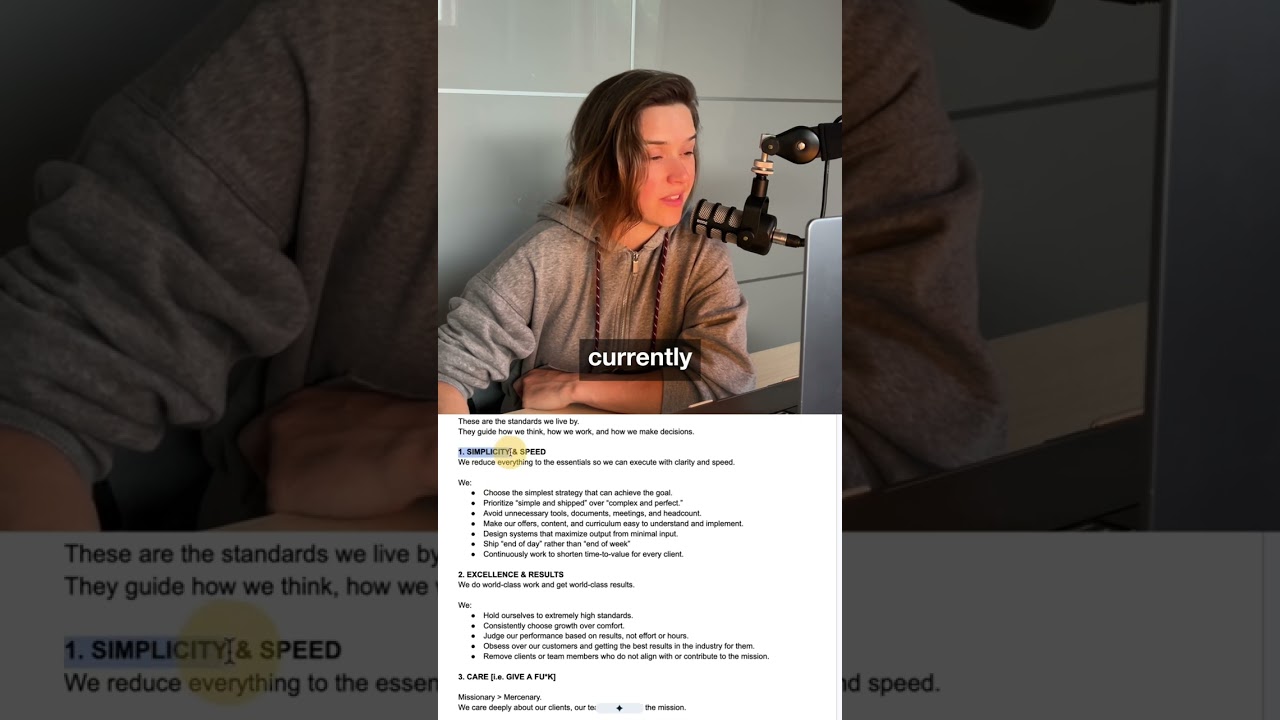
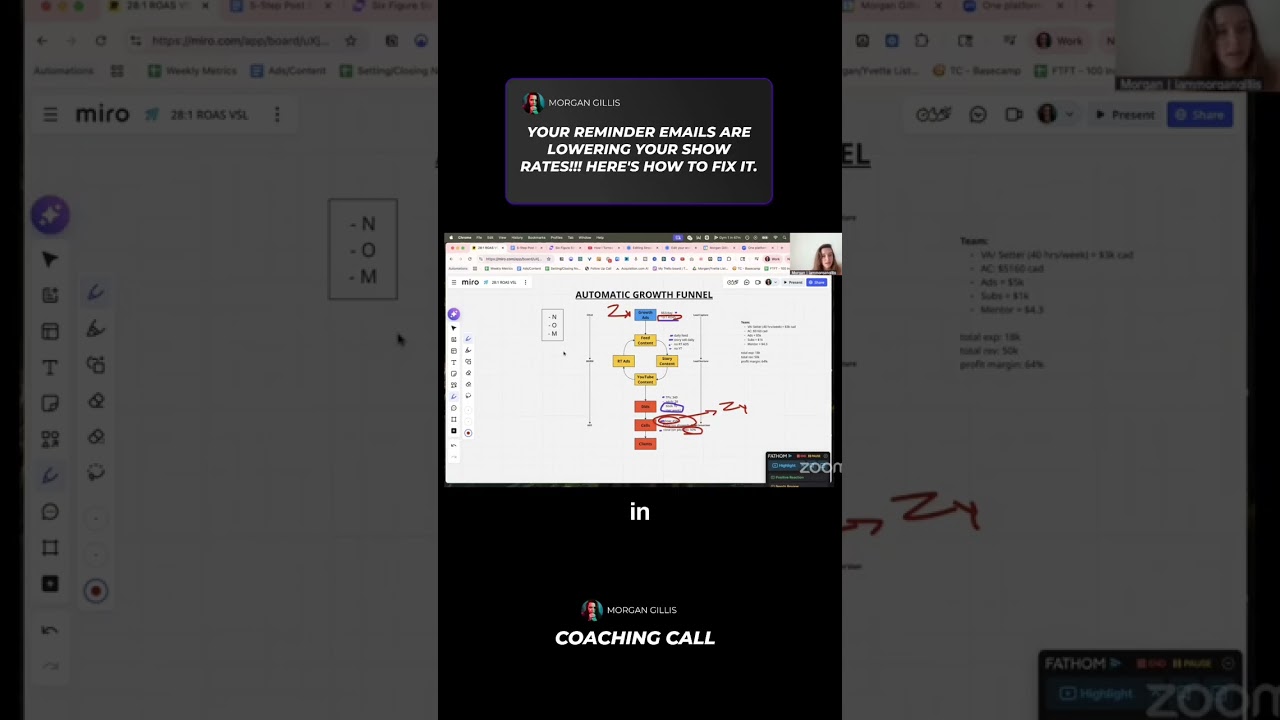
All right, what's up gangsters? So I'm actually just filming this for a few of you. I think there was only like, um, maybe 5, 4 of you who commented on this video. So sometimes I'll, um, I'll film Instagram stuff and I actually don't have a training made, but I'll just see how many people say that they want the training. And if, if somebody says they want it, I'll make it. And if no one says they want it, then I'll just— I won't make it, right? It just saves me time that way. I kind of like reverse prove that people actually need it. But anyways, this is for those of you that commented on the— I think it was the training reel. Don't hire an appointment setter for your coaching business. This one, right? Literally, I'm sending this to 3 people. Plus, I think Caitlin, you wanted this too. So Marissa, Stefan, and Ondine. So this is for you guys. Anyways, here's the TL;DR. So I think a lot of people think about marketing funnels, and I think that a lot of people don't think about hiring funnels. And I will just tell you for sure, I lost so much money in the last 12 months because we did not have a proper process for finding and like finding, vetting, onboarding, and managing appointment centers. Like, we just didn't have a process. Um, I would for sure— this lost us at least $500,000, probably a mil— just, I don't even want to know how much it lost us, but it lost us a lot. Um, and it was also just caused a lot of pain and frustration. And, you know, it's— it sucks bringing people on and then you have to have hard conversations and let them go. And, um, it really just like It just robbed a lot of growth from the business. So anyways, at one point I got real serious about this because I realized that the only thing preventing me from scaling the business was just ads and team. That's pretty much it. And whether or not we'll get here, it doesn't matter. But our intention is like a million a month. So when I built this out, I built this out with the intention of— yeah, okay. You can't— like, you have to— if you're going to get to where you want to go, you have to have an actual serious system and process for this. So that's why I built this out. Anyways, long story short, what it really is— let me just do this. And to be honest, also, I don't— there's a couple of people who've, you know, taught me appointment setters. I learned from everyone, have so many coaches, it's crazy. But like, no one has ever gone this in depth. And also people were like, oh, just interview people. And to be honest, like, interviews don't predict performance. Like, they might find a good culture fit, but what happens is if you find a good culture fit but they don't have the skill, you really like them, but then you still have to fire them. And that blows, honestly, for both parties. And it's like, it's just so costly to hire the wrong person and then invest a bunch of resources into training them up and then realize that they're still not even that good, you know? So anyways, that's, that's this whole thing, but I would, would just say this. This is something that I was optimizing this whole thing for, and I'm going to get to the meat of this in a second and give you the key. But essentially, something that I was thinking about as I was building this out is time to fill. Like, when you have to let someone go, which is frequent in setting, right? Like, there's a lot of people who can't hit performance. Like, the bar for setters is not that high.. And you often have to let people go. And it's also a role with like, it just has high churn. It's a tough role, you know, like it honestly is a tough gig. And, um, so what I was optimizing this for is like, okay, how can I get my time to fill to like basically less than a week? So if, if a role is open, right, think about the key to this. If you know the role is going to be high churn, you have to be able to find people and fill the role fast or else your business is going to suffer. And there was multiple times where like I knew I had to let people go and I didn't really want to because it's like I'm not set up to bring someone in fast, and it took us like a month to fill the role, and that's like so much money lost, like so much money. So anyways, um, the goal is to get the time to fill down to like less than a week. And then for me, it's also like, you know, time to KPI being like 21 days. This is what I want, right? So anyways, and again, I'll zoom into the whole point of this in a second, which is the point of that Instagram video, but I just want something set up to find people in 5 days. So you're going to source the candidates. Um, we got a bunch of things templated out here of like, this is the email we send, this is the post we make, this is the whatever. But it's just like, you can get people wherever you want. You can get them from Facebook groups, your network, you can get them from people who place setters, or so many places, right? But what you're going to do is you're going to drive them to this application form. This is what I want to show you. Um, I can probably send this to you guys in the DMs too. Uh, or actually, let me just put this in the video. That's going to be more helpful. I'll show you our application form so you can see what I'm talking about. But the key is you have to like— the application form for me should really filter for logistics because you don't want to hire the wrong person. And, um, you don't want to hire the wrong person in the sense of like they can't work the hours you want, they don't want to work 6 days a week, they don't blah blah blah. Like you need to filter for logistics, you need to filter for experience. And the most important thing— I mean, honestly, logistics is super important. Experience is good too, but I don't care if you have— like if you have the skill but you don't have experience, I don't care, you know what I mean? And if you have experience but you don't have the skill, I don't care. So it's like, I just want to really— the application form, if you boil it down, it should filter for logistics, and then, um, it should filter for the skill. And then you can do an interview, but it's not a big-ass interview, it's just like a 15-minute screen really, right? Just to make sure you're on the same page with goals and stuff like that. Um, and then the second part is I do an hour trial shift. So I will literally give them the keys to the account, whatever, and be like, hey, go log in do an hour, right, of setting and record your screen on Loom and send it to me. And so with— I use a different color here— with this application form and this hour trial, what, what happens is before I ever start training someone, I already know that they're a 9 out of 10. And what was happening previously is I was getting 3 out of 10s and then I was having to train them up. And it's so much more costly to train a 3 out of 10 and get them to a 10 out of 10 than it is to get a 9 out of 10, take them to a 10 out of 10. And half the time, the 3 out of 10s can't even get to a 10 out of 10. They only get to like a 7, right? Um, so anyways, hopefully that's helpful. Um, let me just show you my application form and show you the really the key part that I was talking about in that Instagram video. Um, I hate that it's doing this right now. Anyways, uh, where Where's my Typeform? And I'll show you how hard this filters too. Oh, actually, whatever, this is it. So get them to put their name, great, email address, great, Instagram handle. I like that. Not a lot of people do that, but I get them to put their handle just because you can tell a lot by a person by looking at their Instagram. I think there's a reason, by the way, that on like half the dating apps, they like this one social media profile they get is people's Instagram. I think you can just learn a lot from people there. Phone number. This is all just contact stuff, right? How'd you hear about this role? Do you have experience setting? So this is where I'm filtering for experience. I'm like, do you have experience DM appointment setting, not phone appointment setting? It's not the same thing. And for a high-ticket service, so just make sure that they have the experience you want. And I'll say like, okay, what was the business? What were you selling? What was the price point? How long were you on the role? What was your KPIs? And if people can't follow instructions here, or they don't put KPI stuff or whatever, then I'm like, k, you're out. I do the same thing for closing. Same, same. Um, and I ask if they want to be considered for a closing role after they hit KPI. Um, now, so that was experience, right? Now I go into logistics. Are you willing to work 40 hours a week, 6+ days a week? Do you have full availability on the time that I want people in the inbox? Um, we're gonna assign shifts. You good with shifts? Because we're gonna have multiple setters. Yes. Um, can you work Saturday and Sunday? Okay, great. Um, where do you live? It's city and country. This doesn't always influence my decisions, but like There's pros and cons sometimes to having someone in like Medellín, you know. Um, but usually we try to do like US and Canada, to be honest, for sitters. Anyways, do you have another rule? Um, I just don't want a part-time sitter, so I'm like, if you're not willing to go all in with me, then, you know, I've tried and it didn't work out. So that's that. Are you available immediately? That's pretty much it. So that was all, um, experience and logistics. Here's the key part that nobody teaches people, and And I think it's been a game changer for us. Openers, right? So I will literally give them an example, like what the purpose of openers is. I will literally give them examples of people and how we've opened. Example 1, right? Example 2, example 3. And then, or sorry, example 4. And now say it's your turn for, I'm gonna give you the profiles, you tell me how you'd open. So I'm like, here's a profile, what are you gonna say? Here's a profile, what are you gonna say? Here's a profile, what are you gonna say? So I test on openers., right? Then I give them a rough sense of our script, right? I explain what the script is. I tell them to screenshot it, right? So I'm giving them like 5 seconds of training. I'm like, cool, where do you go from here now that you have the script, right? So script examples, like, can you follow the script? Like, do you know what you're doing, right? Um, and then I do some objections as well, just common objections you'd have, right? Um, I've been burned by coaches. I don't have the time for a coaching program. I already have a coach. I know what I have to do, just need to do it. I tried running paid ads, it didn't work for me, blah, blah, blah, blah, right? Um, so that right there is the thing that no one really teaches, and it just weeds out so much bullshit, to be honest. So that's really helpful. Um, and then, um, yeah, drop a link to your resume. So I'll get the resume, I'll also get a 30-second Loom video for them so I can just see what's going on. Um, like, you know, do they show up on camera fine and all things like that? And then I just reconfirm logistics even though I just went through it really hard. I just do the same thing. And actually this isn't accurate anymore, we changed this, but full-time, 6 days a week, da da da da da. Put up whatever your compensation is here and stuff like that. It's like, yeah, understand, agree, and then they submit. And so the TL;DR of this is it just allows you to filter out all the bullshit from the hops that you can find a 9 out of 10 and not start trying to train a 3 out of 10. So the point in that video was just like, there's the app form, there's the skill testing questions. And so we'll like, you know, source people and we have it all templated so we can like just— if a role opens up, like in a day we'll have enough applications, right? Um, and then we filter really hard for logistics and skill in the app form, which you just saw. Then we do a quick interview. It's not some long dragged out thing. Um, and then even after that, I still put them in the inbox and get them to do a live skill test. Because like this, like maybe they're doing ChatGPT or maybe it took them like 7 hours to do it, I don't know. But this is like, you can't really cheat on that, right? So anyways, those are the skill things and that's how you get a 9 out of 10 and it will just save you a lot of fuckery in your business. And so I hope that was helpful. Okay, lots of love. Toodles.