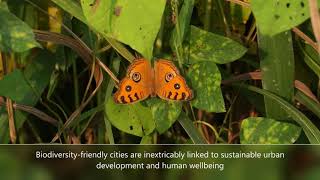
Tata Consulting Engineers integrates biodiversity into urban planning through nature-based solutions like green roofs and constructed wetlands. Biodiversity loss from urbanization, habitat destruction, and climate change threatens pollination, water purification, and other ecosystem services. TCE conducts bird, bat, and ecological assessments for infrastructure projects to build resilient cities.
Chapters
Biodiversity is the variability among living organisms from all sources, including and inter-alien, terrestrial, marine, and other aquatic ecosystems, and the ecological complexes of which they are part. This includes diversity within a species, between species, and of ecosystems. Biodiversity contributes to human well-being. Biodiversity provides us with varied resources and services which contributes to the economy directly or indirectly. It provides agriculture materials or food, medicine, industrial raw materials. It is well known that wild species have been used to improve the world's major crops by providing genes for pest resistance, improved health, and enhanced nutrition which helps humans to tackle their growing needs. More than 70,000 different plant species are used in traditional and modern medicines. Services of biodiversity are like carbon cycle, oxygen cycle, pollination, seed dispersion, prevention of soil erosion. Hence, the biodiversity loss threatens the resources and services provided by it. And apart from these, human beings derive great enjoyment from natural environment. The the shapes, the structure, the color, stimulate our senses and enrich our culture. Biodiversity is threatened by many anthropogenic activities which are broadly categorized as habitat loss and destruction, overexploitation, pollution, invasive species, climate change. Urbanization is a major driver of environmental change and is closely linked to the future of biodiversity. Urban growth and the ongoing densification of many cities around the globe challenge the existence of ecosystems, its conservation in and around urban regions, and the survival of species within cities. Biodiversity-friendly cities are inextricably linked to sustainable urban development and human well-being. Biodiversity underpins many ecosystem services which are indispensable to the functioning and prosperity of cities, The ecosystem services in urban areas play an important role in the provision of clean drinking water, air quality, aesthetics, and also in waste management. Integrating green areas in spatial planning can help to minimize the impacts of land use changes threatening biodiversity and ecosystem services. In the face of urban expansion and densification, there is a need for effective mechanisms for planning the governance of biodiversity and ecosystem services. Such mechanisms can improve human well-being and strengthen the capacity of cities to adapt to change. Cities provide opportunities for new approaches to supporting biodiversity that would not be feasible in most rural landscapes. Such as green roofs and constructed wetlands are important decentralized ecotechnologies for adaptation of the cities for climate change. Within cities, nature-based solutions are used to increase the connection of people to nature, deliver environmental ecosystem services such as cooling, and support biodiversity conservation. New urban development projects offer the opportunity to integrate biodiversity at an earlier stage of urban development. Improvement of green areas enhances the biodiversity including microflora and fauna. This will enhance the ecosystem and allied services. This city-level efforts will also help enhance the resistance to climate change-oriented impacts by reduction in heat island and balancing the ecosystem, and more importantly, it will help building healthy life for the city dwellers by keeping pollutants and diseases away. Tata Consulting Engineers is integrating biodiversity-related solutions in many of its projects of smart cities to make development as a sustainable development, particularly in the view of biodiversity conservation. We are doing many smart city projects such as riverfront development projects, in-situ water treatment, where phyto-based technologies are being integrated for the treatment of water, and that way enhancing the green areas and also enhancing the biodiversity. TCE is undertaking biodiversity assessment based on international guidelines such as World Bank, Asian Development Bank, International Finance Corporation for development of projects. TCE has also been involved in projects like bird and bat studies, biodiversity and ecological assessments, and biodiversity assessment for specific projects.