Ep 34 Speak Up and Stand Your Ground A Conversation with Deborah Myers
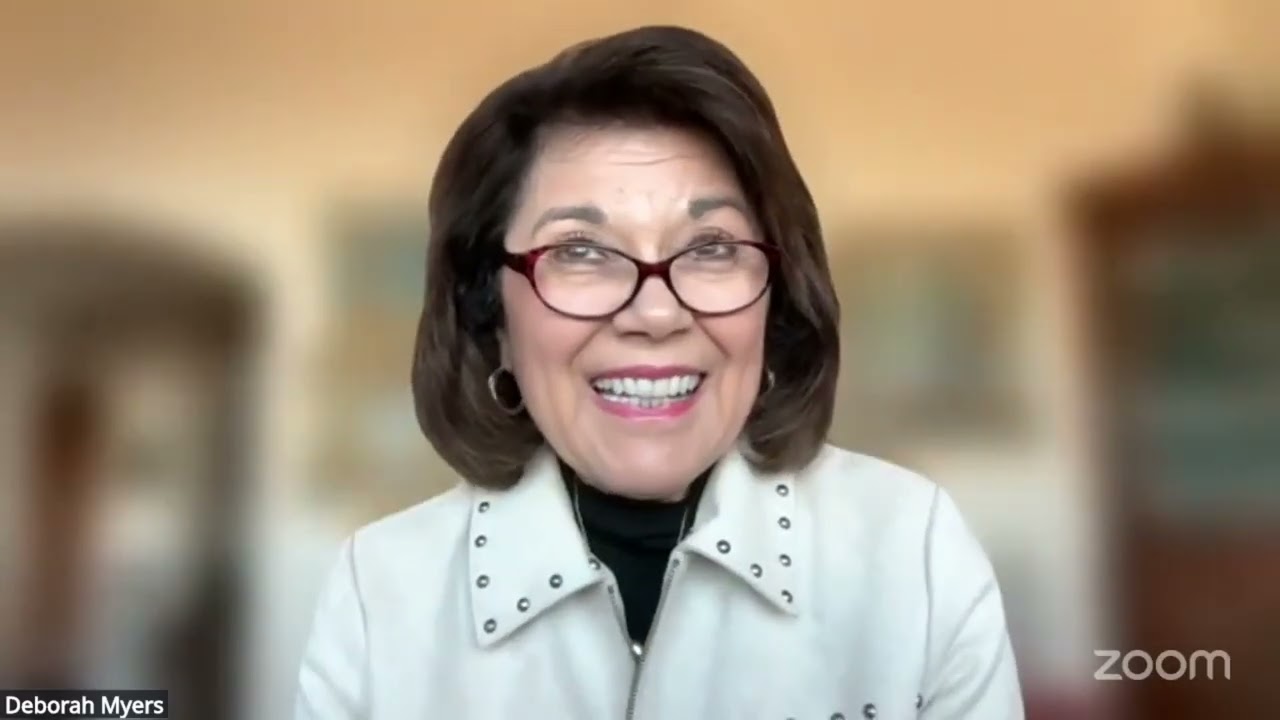
In this episode of Remembering the Forgotten, host Markus Neukom interviews Deborah Myers, a veteran of international development, public affairs, and entrepreneurship, to explore how stillness, coherence, and personal agency shape a fulfilling life and career. The dialogue begins with Deborah describing how showers serve as a private space for mental clarity, then expands to discuss the limits of extreme practices like cold plunges and the role of physiological shock (e.g., her father's electro‑shock therapy) in regulating mood. They examine how core executive functions—creativity, intuition, and courage—can be preserved or dormant across life stages, and how Deborah reclaimed them by pursuing creative crafts and trusting her intuition. A pivotal narrative follows her break from a dominant, German‑Mexican family script, asserting financial independence, navigating college aid, and moving to Washington, D.C., where she entered male‑dominated international and pharmaceutical sectors. Deborah recounts the adaptations required, the trailblazing moments, and the importance of speaking up, standing one’s ground, and taking calculated risks. The conversation concludes with practical tools for dealing with overwhelm (breathing, prioritization, reading), reflections on personal frequency and grassroots ripple effects, and a call for critical thinking. Throughout, the interview emphasizes authentic presence over performance, encouraging listeners to cultivate stillness, courage, and purposeful action.
Chapters
Welcome to Remembering the Forgotten, a space where leaders think out loud without polish or performance. No scripts, no personas, just what becomes audible when the noise drops and the mind is free to speak for itself. These conversations are not about delivering insight. They are about thinking together in real time. testing ideas against stillness, letting two open minds stretch each other. The intention is simple, to create a space where clarity can emerge and where listeners don't just consume perspectives, but feel permission to engage their own thinking more honestly. Today, I'm joined by Deborah Meyers. Deborah has spent decades working at the intersection of business, relationship, and intention. From international development and public affairs to founding Virtua Arte, a company devoted to restoring the human dimension of commerce. But this conversation isn't about gifting or appreciation as strategy. It's about relationship as a lived practice, about what happens when gratitude is not performative, but precise, and how meaning returns when gestures are chosen with care rather than scale. Deborah brings a quiet steadiness shaped by years of cultivating trust across cultures and roles. She understands that the smallest act, when chosen with intention, can carry more truth than the grandest campaign. This is a conversation about presence over transaction. And with that, welcome, Debra, to the show.
Well, thank you, Markus. I think I'm going to have you give introductions to all of my talks. That was beautiful. Thank you so much.
You're welcome. And I'm so happy to have you today.
I am happy to be here.
Wonderful. So before we begin, when I speak of coherence, I'm pointing to a state where nothing inside is in conflict. Body, thoughts, emotions, and action aligned, moving as one. No push, no urgency, no fear driving the moment. And when I speak of stillness, I don't mean silence. I mean the part of you untouched by expectation or performance. The place that knows before the mind tries to manage it. That's the ground I'd like us to meet on today.
Okay, uh, I think I can do that.
Wonderful. So let me kick it off with the first question, Deborah. Where can you just be yourself, untouched by expectation or performance?
So, so clarify that just a little bit. Where can, where, where can I be?
So where can you be just yourself? Oh. Untouched by expectation or performance.
Well, I— my first thought was in the shower.
That's a good one. It's the first, by the way. I never heard that as an answer yet.
Well, because— and I'll be honest with you that, you know, that is a place— and I did this a lot when I was in undergraduate school. So when I had writer's block, I couldn't think. I'd go take a shower. And that was the place where, you know, my mind would wander free, you know. And many times I would come up with something that then I would, you know, as soon as I got out of the shower, would enable me then to continue writing or, you know, whatever I was doing. So there's nobody there. It's just me. And my, you know, my mind can wander And, you know, things that, you know, maybe subconsciously that I have been thinking about, you know, start to come up. So yeah, that's my place is the shower. It's amazing. And I love taking showers. And, you know, my father used— you know, I had no problem as a child and young adult of taking 45-minute showers. And my father would just be pounding on the door saying, you know, you have to get out of the shower, don't use up all the hot water. So
that's amazing.
That's my place.
That's amazing. So what would you say is it about— it's not the shower stool, it is about taking a shower. So what would you say is it about that shower thing?
It's about the water, you know, just
Water.
Yeah, just the water. Hot, because I, you know, I like hot showers. So the hot water coming, you know, you know, hitting my body, whether it's my back, my front, but that's it. That's the, the sensation, or that's the thing that I love.
So fascinating. That's actually something we have in common.
Oh,
I can't stand cold showers. And if somebody really would hit the water, they would say, why is it almost hot? And it's something that really does it. I'm not sure whether you're familiar with that, but Sadhguru, he was in a conversation with Wim Hof, the guy who is about the cold plunge stuff.
Yeah.
And he tried to share with him that it is anti-human being, this cold stuff, because it literally shocks your system.
Right.
And he said the water shouldn't be colder than the temperature of the body, not much colder, like 2 or 3 degrees max. And I totally understand why that is. And I'm not sure whether you knew that, but Wim Hof actually didn't come up with cold plunges or not. He tried to find a way to get through his trauma, I believe, when he lost his family. And the only way to feel himself was to shock himself through the cold river.
Oh no.
And that became a phenomenon in terms of cold plunges is basically the cure for everything today.
Yes.
And it's not?
No. Well, I, you know, no, for me, it's, it's, I can't get it. I can't get into cold water. I just, I can't. And, you know, the story is, um, so we had a friend who was very much into the cold plunge, and he was an engineer, and he came over to our house and he said to Paul, I'll be happy to you know build you a cold plunge thing, whatever tank or whatever you call it. And I was like, no, that's okay. I would never never use it. Never. Yeah. And you know, and everybody tells me who's done it. You know, it clears the mind and blah blah blah blah blah blah. I'm like, I don't care. It's Cold, and I don't want to be cold.
I understand that. If you think about that, many people literally need to shock their system to actually feel anything.
But that's sad.
That's crazy. But that's the times we're in.
Well, yeah. And is it— is that the reason? I mean, here's— I'm going totally off In a different direction. But is that—
we are allowed to do that. That's the beauty.
All right. So, but is that the reason why, you know, people get, um, addicted to substance, whether it's drugs, whether it's alcohol, because that's the only way that they can feel something. And, uh, so yeah, that's terrible. If that's the only way that you have to do something to you physically, to your body in order to feel.
So it's either to feel or not to feel. It's either to feel or to numb. Because quite often with medication, for example, it's more the numbing process of your feelings than actually the opposite. But I can tell you an example from Of one of my family members. He got psychologically to a point where the only way how they can regulate his nervous system is through electroshocks.
Oh my goodness.
And you know who that person is? My father.
Really?
Yeah.
What? So if he does— if he doesn't have the shocks, what happens?
He's basically in a state of high depression.
Hmm.
Yeah. Yeah. So with him, the last 15 years, I literally observed a person working so much against himself and about his own system that his system shut down.
And
it's only possible. And like, from time to time, they were like 2 electroshock therapies a week. And I researched that quite a bit because, you know, it was sold to me like, you know, it's just normal procedure today. But if you need for your system to get jolted with electroshock.
Yeah.
Isn't that quite a bit crazy, right?
Yeah, I would, I would think so.
Well, let's stay with our hot shower.
Okay.
It's literally, it's literally the water. And, you know, Sadhguru said something different. He said, the crown, you know, like where babies have this spot which you should never touch.
Right.
When water hits that spot, it does something to our body. It energizes our body. Do you feel that as well, that when that spot is hit, it's like almost a spark?
Well, I— okay. I'm revealing a lot of stuff about myself. So, I only get my hair wet when I'm washing it. So that is— no, that— I have to—
That makes sense.
I have to think about that in terms of, you know, does when I do that, does that happen? I don't know. I've never noticed.
Maybe pay attention to it consciously. It would be interesting.
Yes, I will do that. But it's— no, for me, it's— I don't know. As I said, it's just the hot water, you know, on my body. And sometimes the hotter the better.
Yes, I actually absolutely the same. Yeah. Yeah. It's fascinating. So let me move to another question, which is very much related to that.
Okay.
Was there a moment when the thinking quieted and clarity arrived on its own?
Ah, that's a good question. I, you know, I don't know. I don't know.
It probably happened when you were really young.
Probably, probably, but I don't recollect. Let's just put it that way.
Yeah, it's actually interesting if you think about that living in the Western Hemisphere and the Eastern Hemisphere more and more as well gets focused on the brain, on the mind, what's going on in the mind. The heart becomes something like, yeah, it belongs to it. But, you know, science says that even feeling takes place in your mind. If you think about that.
Yes. But I, I do have a strong, I guess, intuition. Because let me tell you that there have been times when I did not follow my intuition. And I, you know, I won't say I got into trouble, but it— Didn't work out. Let's just put it that way. It, you know, it didn't work out because my mind was trying to override, you
know,
or my mind overrode my intuition. So, um, yes, the mind can, you know, feeling, you know, I can say yes, feeling can come from the mind. But for me, there's also a, uh, a very strong, as I said, Mm-hmm. heart intuition.
I love that because, you know, when we look back at when we were children, for some it's a little bit hard to remember because so much happened in the meantime. But when you can remember, you remember that you had executive functions which are not as active or as present anymore today as they were when we were children.
Such as? Give me an example.
Intuition.
Okay. Yeah.
Courage. Creativity. All these C words, which are interesting.
Yes, but I— okay, so I would say in my case, Creativity, I, I have still, you know, that is something that's very, very strong, you know, in me. And I use creativity in my business every day, you know. And I know we're not talking about gift-giving, but I do, you know, if there's a— some people said, you know, my genius is I get that feeling— goes back to what we were talking— I get that feeling in here when I find something and I think, oh, this is going to be the perfect gift because I know it connects with the person. I know it will connect with the person. Now, by
the way, I welcome you to talk about gift giving. I have no issue with that.
But so going back, so creativity for me is, is strong and has, you know, and has been throughout my life. Now, I will say there were points where I wasn't doing things that, you know, encouraged my creativity. You know, when you're an undergraduate, you're studying and you're doing all, you know, those, you know, all that. All those things take up time in your life and you don't do the other things. But so creativity, definitely. As I told you, intuition, probably not as strong as when I was, you know, younger, but still, I, you know, I do have that feeling, you know, and I get that feeling and I know, you know, where that's coming from. Courage, you know, I'll— Yeah. I'll step out there. Maybe not, you You know, I see other people who I can say definitely, you know, their courage is— they've lost their, you know, their courage. I think I still have mine. Maybe not as, you know, again, maybe I did things when I was younger that I, you know, think— look back now thinking that was really stupid.
But— But it was fun at the time, right?
Yeah, exactly. Yeah, exactly. That's what matters.
It fed something else in me. Because you know what's interesting? When I recall our conversations, our prior conversations, Debra, I always, I think I even mentioned that before, I always felt that you have still a high working level of executive functions still present in you. And I think it's true, right?
Yeah, I would agree with that.
You see why I do this show? is partially because so many people have lost that almost entirely.
Oh
yeah. And hearing from people who were able to preserve that, why that is, sometimes it's actually even interesting for the person who says, you know what, I've never lost it. And then I say, why do you think that is? Oh, that's a good question. Never gave any thought to that. And sometimes to actually understand why things are is very helpful, even for the one who has it. So what would you think it is that you actually preserve those executive functions?
Well, so I would say, particularly with creativity, that was always important to me. And when I was younger, I expressed a lot about myself in, you know, through creativity. Because as I, you know, as I tell the stories, I taught myself to sew. I did, you know, every craft, you know, that was, you know, came around, I tried it. You know, I did. I tried embroidery. I tried, you know, knitting. I— and I, you know, and I enjoyed those, you know, those things. I say my parents had more paint-by-numbers you know, around the house than probably people even knew that, you know, were, you know, existed. So that was always important to me. I did go through, you know, a point where I didn't— creativity wasn't— I didn't express it as much. Mm-hmm. But I realized, you know, as I got older, that that was just a really important important component of me.
Right.
And as I've said, I have now been able to incorporate that in my work, in my business, and what we do. So I think that is one reason why that particular function, you know, has continued. And then intuition, as I said before, I think I, I don't, I won't say I lost it, but it was dormant, you know, for a while. But then, you know, things, you know, things started, you know, things happen in life. And so I started to explore that again. And so now, again, as I say, and again, I You know, I use that in my, you know, in my business. And, um, so that one is strong also. So it's things that were important to me, I guess, when I was younger. And then now, as I, I went through phases, like probably most people where, you know, it, those functions diminished, but now they're very, they're important to me again.
It's beautiful. Because, you know, a couple of days ago, I was sitting on my bed, and I was wondering, where did stillness come from in me? And as I explained, stillness for me is the coherence between mind and heart, which then opens to what people call the soul. Or some people call it intuition, or some people call it creativity. It's those executive functions. And I had that as a young child, but I had no clue where they came from. You know what I found out? My grandmother, my father's mother, was suffering from schizophrenia. So she was schizophrenic, totally living in another world. Hmm. So spending time with her taught me stillness. Isn't that incredible? Yeah. And that's how I— wow. So it's what you get exposed to and what you cultivate in very early years, sooner or later will emerge again when you grow up.
It has for me.
It's an interesting— it's an interesting aspect.
And I have— so I will just say one thing, and, you know, is, and then once it, you know, it started to reemerge, then I cultivated it. And I think that that's the difference from other people who it may reemerge, but for whatever reason, they continue to To try and dampen it.
Mm-hmm. I think it has a lot to do with society as well, because that's usually not what gets rewarded, right?
Yeah.
Basically, it gets subdued and totally overlooked that, let's say, creativity, intuition, courage, all these words are literally keys to the actual success. Which is kind of, kind of crazy for me. So if I recollect what you just said, another question is for me. Was there a time when you realized you were living someone else's life or someone else's script?
Oh yeah.
And what changed after that realization, Deborah?
Yeah. So the answer is yes. And so I grew up in a— my dad was German and my mother was Mexican. So that was the cultural background that I grew up with. And so my dad was very dominant in our home. And He was very— I mean, kind of laid the law down, and this is the way things are going to be. Mm-hmm. And so there was a time where what I, you know, what I was doing, you know, as I, you know, became— graduated from high school, went to college, That, you know, when I would think about doing something, my first reaction was, well, what would Dad think? Or what would Dad say?
Mm-hmm.
And then it became, for me, it became intolerable, meaning that there were things that I wanted to do, and I wasn't doing anything illegal or crazy, but they just, you know, my dad's view of what life was and my view of what life was was colliding. And so I finally said, you know, screw this, and excuse my language, and I'm gonna do what I want to do. So, you know, I joined a sorority. And for, and, you know, and for a couple, for the first year, didn't even tell my dad. And I was paying my own way through school. So it wasn't like my dad was—
Nope.
You
didn't owe him anything, right?
Exactly, exactly. You know, so I did that. You know, my dad made it very clear, because I have a brother and younger brother and sister, that, you know, we were— it was expected that we would go to college, but we were expected to pay our own way. And so for the first— so I had saved enough money for the first 2 years of my undergraduate. And then because of the way the financial assistance rules were, I had to, you know, be declared independent and not, you know, from my, you know, from my parents. And so I, you know, had gone through that and my third year was ready to apply for for financial aid. And my dad comes back to me and says, I need, I need you as a dependent on my tax return. So I will, you know, give you the, you know, the deduction that I get or whatever, which was, you know, less than $1,000. And I was like, no, I'm not. I've just gone through 2 years of, you know, Trying to fulfill the requirements, and now you're asking me. I said, "No, I'm not going to do that." Well, that didn't sit well. But those were the points where I was like, "I you know I I can't my life cannot I cannot be living my life. You know as my dad, you know the script that my dad you know wants." So,
and did you go through with that?
I beg your pardon.
Did you go through with that?
Oh, yeah, yeah. So I did. And then—
That's so good.
So then what happened was that I had to show,
you
know, to the financial aid office that I was not on my parents'— as a dependent on my parents' income tax. And so my dad, who was also quite paranoid about people knowing his— not that he was wealthy or anything, but he was just paranoid of people knowing about his, you know, finances. So he did not want to give the school his income tax return because then they would know. So, so I had to negotiate with the school that the— Wow. That the, the piece that my dad would give them was that piece that showed that I was not a dependent, and that was the only thing that they would get. And so the school agreed, and that's, you know, that's what, um, That's what happened. But yeah, so it was experiences like that where I was just like, no, this is, you know, this is—
How old were you back then?
Uh, so that was 20— I was 20, 21.
That's still young for that.
Uh, yes, but it was, you know, that was, you know, the situation. And, you know, that So I dealt with it differently than my brother and sister dealt with that. And I think the other thing that I think was really helpful for me in terms of living my own life was my parents— I grew up in Southern California. Mm-hmm. And so then I moved to Washington, D.C. So I was completely out of the family orbit. I think that that was also extremely helpful for me, which my brother and sister never really did. And so, you know, I do, you know, I can go, I can tell you, you know, going back and visiting, and no matter how old you are, when it's everybody's home, you kind of revert back to those, you know.
That is pretty much reality. Absolutely.
Those roles. So, but I, so, so for me, You know, that was a huge, you know, and moving to— when I moved to Washington, didn't know a soul. I stayed with the friend of a, you know, at somebody's house that was a friend of a friend of a friend. And you talk about courage. And, um, and I think I had maybe, you know, $700 to my name. And that's— I went to, you know, I went to Washington. That's how I went to Washington.
Wow. And you know what's interesting? So thank you for sharing so openly. I love that. What it actually shows is you kind of laid the groundwork, especially with courage at a young age. And you probably would not even call it courage anymore because it became so first nature for you.
Yeah. I, you know, and you know, another another story with my dad. So I'm graduating from— this took courage. This really did take courage. So I'm graduating from undergraduate. And I decided that I had interviewed for jobs, and the jobs that I'd been offered were just not of interest to me. Mm-hmm. And so I decided to, that summer, go to Sacramento, which is the capital, and do an internship internship in one of the state legislators' offices. And my father was beside himself that I was not taking a job and would have health insurance because his view was you had to have health insurance. Interesting. And so, I came home for Memorial Day weekend, which was before summer, the first, I should say, 3-day weekend. And so we got into, you know, one of our, I guess, discussions, fights. And so, you know, my— and so I told my— you know, he says, what are you gonna do? I said, I'm gonna go to Sacramento. I'm gonna be an intern. And, and he says, and how much are you getting paid? I said, I'm not getting paid. It's, you know, I'm working for free. I get a stipend of like $200 or something like this. And so my dad says to me, If you think I'm going to support you this summer, you are, you know, you have another thing coming. And I stood up and I said, I wouldn't take any money from you. And if I have to sleep in the gutter, I will sleep in the gutter. And it, you know, timing. I, and I didn't, when we were having this discussion, I did not know this was going, but my ride back to, to school. knocked on the door. So I just grabbed my things and I left. But it was, you know, so yeah, that, you know, so my dad was, so yeah, my dad was, you know, upset with me. And then a couple weeks later, because graduation was a couple weeks later, my mom and my aunt were going to come to graduation. And my mother calls me and says, your father wants to come. And I was just like, oh, you know.
He wanted
Yep.
And you were not that amazed about that?
Because I just— we had just gone through this whole, you know, rigmarole about, you know, and I didn't want to hear him, you know, continue to, you know, criticize me, criticize me for the decision, you know, that I had made. And so I, you know, I said to my mother, okay, but, you know, he, you know, I had some things planned with, you know, friends. And I said, this is what's going to happen. And he has to, you know, accept that this is what's going to happen. And so he came and he, as he always was in public, you know, everybody was like, oh, your father's so nice. And I'm like, yeah, right. Thank you. Yeah, he did. Exactly. So, but Yeah. So sometimes, you know, it— yeah, it got to a point where I was just like, no, this is what I'm going to do. And, and it was a friction, you know, a friction with my dad all the way up until the end. Yeah. So—
It's quite often the case. So this leads me to an interesting question, Deborah. You went into workplace, you went into politics, Washington, D.C., you mentioned. Were you able to, to keep that stance of yours? Or did you realize that business suddenly has different rules where old Deborah wasn't able to just be herself anymore, but she had to adapt?
So I had to make some— I had to adapt in some ways. But I, you know, and when I went into— when I went to work, you know, at the, you know, international organization, which was predominantly male, which was a Latin culture, so, you know, that yet that was the environment. Then I left there and I went to work in the pharmaceutical industry, which again is a predominantly male environment. And so, I had to make some adjustments, adapt to some things. But there were other things that, no, I was a trailblazer in some things. And so, I continued to do— to be who I— Yeah, and it got me in trouble. That's amazing.
Oh, I bet.
It got me, you know, in trouble. But, you know, in the end, people remember not the things I did that got me in trouble, but the things that I really helped in order to, you know, to start, or, you know, the things that were done, you know, when I was, you know, In, you know, at the various places that I've worked.
If you were invited, um, as an alma mater to your university and you would speak to, to women, what would you say to them?
Um, you know, I would, I would say follow your intuition is one. You know, and, you know, take the opportunities that come. Because again, you know, in, you know, when I went again, when I went to Washington, I had no— I was not going to— I had no idea that I was gonna stay. I was going there for 6 weeks. I was doing a volunteer job and then was offered the opportunity to to work with, you know, in one of the, you know, departments. And I was like, okay, I, yeah, I can do this. It was an opportunity that came to me. I, in my career, was an opportunity that came to me. And sometimes they said, this is only going to be, you know, one time. The first, you know, I said, you know, The person said, I can only— I only have a slot for 6 months, and I don't know what's going to happen. And my view was, okay, I'll do it for 6 months, and then if I have to find another job, I'll, you know, find another job. Well, I ended up at that— in that particular position working for 4, 4 and a half years. I ended up representing the United States in, you know, various negotiations. And if I had said, 6 months. Oh no, what's going to happen? I don't know. I'm scared. You know, all the opportunities that I had from that would have never, you know, would have never happened, would have never taken place.
That's remarkable.
Yeah. Yeah.
So one, one advice would definitely be take a risk.
And look at, yeah. And, you know, take the opportunities. I, you know, because when you say risk, people that immediately that, you know, people I do it deliberately because it
jolts them somehow.
Yeah, it does. But, you know, what I would say is, you know, take the opportunities that come your way because you just don't know, you know, what could happen from there. Yeah. And that, you know, taking that particular position, you know, in the international organization then gave me the opportunity to go into the corporate world. And, you know, and that's when I went to work. I went to work for a French multinational company, American company, and then British multinational. So, that all led to that. And if I hadn't done that, who knows what would have happened? And, you know, and people ask me, why did you ever leave, you know, San Diego? And I was like, if I hadn't left San Diego, my career, you know, my life would have been completely different. than, you know, what it was. And it was— I viewed it as an opportunity. And again, San Diego is still there, you
know,
all these years later, it's still there. And, but I have had the opportunity to do so many things that if I had stayed, and, you know, in my family orbit, there's no way I would have had the, you know, the— Opportunity. The life that I've had. So it's, you know, it's take the opportunities, take the risk, have courage, and, you know, things always work out.
So what if the dean would ask you the following question? Deborah, you're looking back on a successful career in a predominantly male-dominated world. What is the one advice for the women here going exactly into probably predominantly male-dominated world in terms of business?
Speak up and stand your ground.
I love that.
Yeah.
Because that's what you've done, right?
Yes. I like that.
That's how you earn respect.
Yeah, absolutely. Yeah. Yeah. My husband used to call me the buzz, you know, when I was at the inter— when I was at the international organization, he'd call me the buzzsaw because I'd like, I have to have this, you know, and they'd, you know, no, it's like, you know, you want something from me, I have to have this, you know, and don't, you know, and don't come back until you have it. So yeah, it's, Yeah, keep— stand your ground and speak up.
That's fascinating. Another thing which I'm interested in is when you are in stillness, you know, in coherence with yourself, what can pull you out of it and what helps you come back to it again?
What can pull me out? Well, I, well, I want to say distraction, but it's, it's more than— it's the letting the overwhelm of everything that, that, um, I view needs to get done, uh, letting that Mm-hmm. And when I kind of take a deep breath and then sit back and really kind of say, OK, what's important and what's not important, then that gets me back to coherence, as you describe it.
I love that. And in our pre-call, we talked briefly about the current situation that we're having in the United States. And you mentioned something really interesting because I asked you, how do you deal with the 2 camps? On one hand, the ones who are hyper into something and the other ones who are fearful and, you know, almost depressed and paralyzed. And you had a very interesting personal approach through that. Would you mind sharing a little bit about that?
Uh, well, as I said to you, is that I have my, uh, goals and things that I want to do to have an impact. And so I continue to focus on that and, you know, taking the steps. Now, there are, as I said before, there are You know, days where I, you know, can soar through the day and not get sucked into the, you know, the environment.
The noise, right?
Yeah, exactly. And then there are, you know, there are other days that it's not as easy for whatever reason. But it's— but it is important to me that I just continue to to focus on what is important to me and not what's, you know, what's happening around me.
It was really interesting. I had quite a few conversations with people lately, and what comes up is, Markus, this is quite egotistical what you're doing. And I personally believe, yes, it might be egotistical, But if we don't learn to focus on ourselves again, be clear about who we are and why we're here, I don't think anything is going to change soon at all. Do you agree with that?
Yeah, I do, because the people who are out there, you know, hyper-creating, they're focusing on who they are and what, you know, what, who they are and why they view their being here, you know, being, you
know,
and they're doing, they're doing what I'm doing, but in a different, you know, in a different, I won't say a different way, but they're focused on what they want to accomplish, what impact they want to have. And so Yes, it is, you know, to a certain extent egotistical, but it's the only way, you know, that, as you said, things change. And those people for a long time were, you know, in the minority, but they continued, they continued, they continued voicing their, you know, their positions, voicing their opinions. And now they're the ones who are out there. Mm-hmm. you know, creating the environment and chaos that we are— we find ourselves in. So no, I agree with you. I think people need to, you know, focus on who they are and what their why is, as, you know, we talk about, and to move forward in that.
And you know what's interesting? I think we both believe in frequency and energy. And if I'm fearful, my ripple effects are definitely not positive nature.
Yeah, I agree with that 100%.
But if I focus on my why, on my purpose, on why am I here and what I'm here to do, I believe the ripple effect is so much more powerful than if I would go onto the street with a huge flag or whatever it is in the end and protest. Because you see, I mean, if we have come into a place where common people coming together believe that coming together actually changes something, and I believe we have to get to understand that we need to focus on ourselves and this has the ripple effect we actually want to achieve. It's the grassroots effect in the end.
Well, it ends up the grassroots effect is the way things change. I mean, let's face it, because every movement, everything that has happened, again, going back to what I said about the voices that are the most vocal right now, they were all started by, you know, people who were, you know, in, in the grassroots and then, you know, picked up the, you know, the energy as they went. So yes, I agree with you that we do, you know, focus on ourselves, focus on our why, but then also, you know, having a community that will help move, you know, move the, you know, the energy forward, you know, so to speak.
Like-minded, like-minded people in the end, right?
Exactly.
That's what it comes down to. Yeah, that's interesting. Which brings me already to our last question. Deborah, if someone feels overwhelmed right now, what would you want them But coming from your wisdom, I hope you have something in your toolbox. What would you want them to remember or return to?
Well, it— so there are, I will say, there are days where I feel, you know, just the noise around me is just overwhelming. And so there are days I don't want to listen to the news. I don't want to watch the news. You know, it's something that my husband and I do together, but we watch, you know, PBS, so we're not watching any of the network. But there just— there are days that comes to a point, I don't want to, you know, I don't— I just can't. I don't want to hear. I don't want to listen. I don't want to hear another, you know, another word. So it goes back to what we were talking before, is get to that, you know, get to that stillness. And, you know, last night we heard on the news that, you know, people— 40 people reading for, you know, leisure, so to speak. Is down 40%. And I'm like, really unbelievable. And so, so to get to that, you know, to that stillness, it's not, it's not getting on the phone and, you know, scrolling. Get a book, get, you know, or, you know, or, you know, listen to a book or listen to, to something just to calm your mind down. And enable you then to start, you know, getting clarity or just being able to think, you know, on your own and not, you know, having the noise constantly influencing you. And I, and I read for leisure, you know, so that's—
You do, right?
Exactly.
You do. The thing I'm saying now definitely resonates with you, Deborah. I watched a little clip about Generation X, Gen X, and they said, you know, we used to have something which is totally lost today, and that thing is called critical thinking.
I agree.
So do I. So do I. Critical thinking. So whoever feels like, I don't know what these guys are talking about in terms of critical thinking, look it up. It is something I highly recommend to take on. So with that, Deborah, thank you so much for having been my guest. It's been a great pleasure.
It has been a pleasure always. Thank you.
This was Remembering the Forgotten, a conversation held in clarity, not performance. If something in this exchange shifted how you see, let it stay with you. A few quiet pointers are waiting below.
More from Markus







Ep 66 Breath, Trauma, and the Fear of Being Fully Seen A Conversation with Matt Ritchey

Ep 65 Truth, Trust, and the Courage to Be Seen A Conversation with Troy Gregory

