Ep 61 The Weight of Connection A Conversation with Josh Tapp
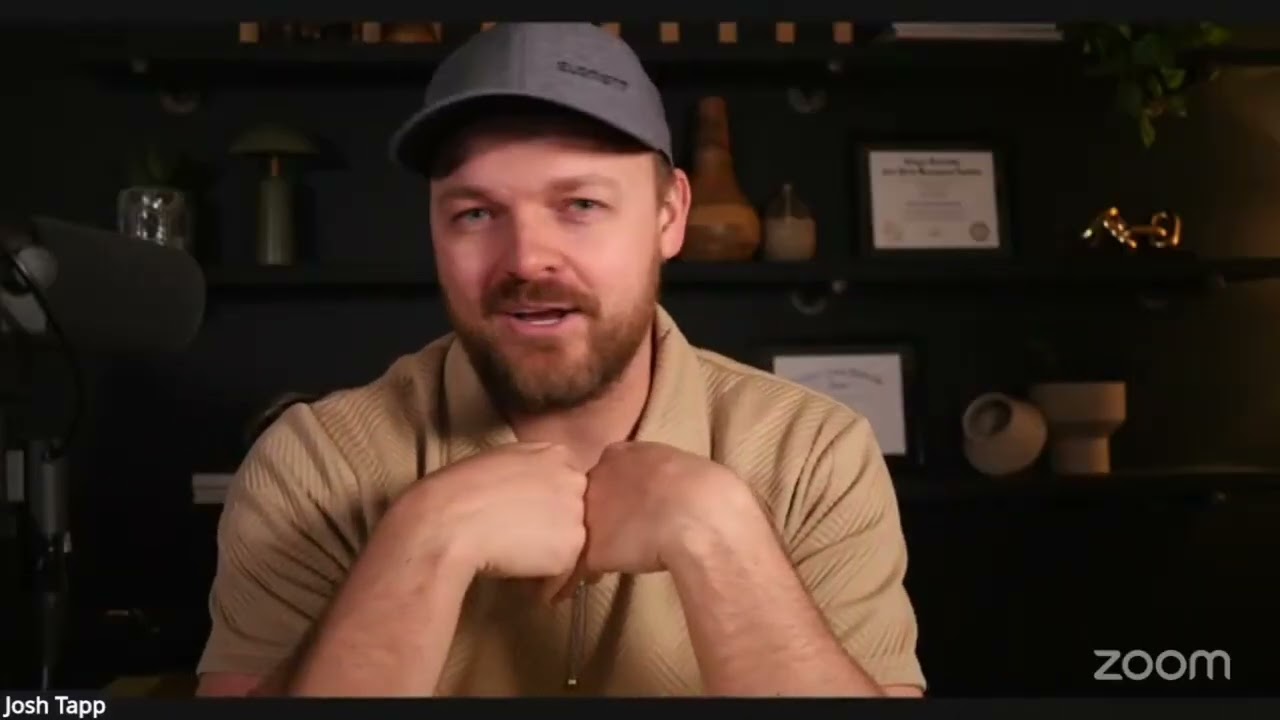
In this unscripted interview on "Remembering the Forgotten," host Markus Neukom and guest Josh Tapp explore the nuanced responsibilities that come with being a professional connector. They discuss the tension between friendship and transaction in business relationships, the psychological patterns that lead to exploitation (gaslighting, extortion, lawsuits), and the importance of giving value without hidden expectations. Through personal anecdotes—most notably the partnership with a colleague named Tanner—they illustrate how genuine, reciprocal micro‑transactions can build lasting, high‑impact collaborations. The conversation also covers practical systems for scaling introductions (assistant triage, "consigliere" role), the pitfalls of over‑promising, and strategies for overwhelmed entrepreneurs to simplify their work into three core functions: marketing, sales, and fulfillment. Throughout, both speakers emphasize trust as a rapid, intuitive judgment, the ethical duty of a connector to protect their network, and the long‑term payoff of paying it forward.
Chapters
Welcome to Remembering the Forgotten, a space where leaders think out loud without polish or performance. No scripts, no performance, just 2 people thinking out loud. These conversations aren't about delivering insight. But what happens when thinking unfolds in real time? Because there are moments where you can feel that the answer is already there, but you can't quite reach it. And then something shifts, and suddenly it's simple. Not new, just clear. And that's this space. There's a moment in business where connection stops feeling like opportunity, where more no longer expands but carries consequence. Today I'm joined by Josh Tan. Josh has spent years at the center of that territory. Building networks, facilitating introductions, moving between founders, investors, and capital. But this conversation isn't about what he's built. It's about what it means to carry it. Because at some point, the question changes. It's no longer, how do I connect more people? But rather, what am I responsible for when others move through what I connect? And with that, Josh, welcome to the show.
Thanks, Markus. I'm excited to be here, man. This is a very good prompt to start us off.
I'm excited to have you. Absolutely. So before we begin, just notice what becomes clear when nothing is in the way. And with that, Josh, where can you just be yourself, untouched by expectation or performance?
You know, I, I think one of the, the core— and I'm gonna get a little existential here for a minute— but, um, one of the core reasons why I do what I do is, is the, the status I seek is friendship. Um, I, I had a, um, I kind of had a realization a couple of years ago, and I can dive into some of these terms later as well. But I had a realization a couple of years ago that where I feel happiest and the most cared for is when people value me and my ideas and they respect me for them. And I love when it's people who I respect as well. But a couple of years ago, I had a very interesting experience where my— I met another one of my heroes, and I won't say his name because everybody knows who it is. And it was probably the 10th time I had met somebody that I had idolized for many years. And I met them and I was underwhelmed at the end of the day and honestly went, wow, I don't even respect this person, let alone You know, want to work with them. And then on the contrary, I'll meet other people who kind of come out of the woodwork, and they— not only do we become very successful together in a relationship, but for me personally, they actually care about the friendship and the relationship, um, but they also care about the transactional. Does that make sense? I don't know if I'm really like—
Mm-hmm.
Getting to this.
It's actually interesting because that's how I got to know you. And, you know, at first I thought it's a little bit controversial to combine friendship with transaction,
right?
And I'm still making up my mind, so I'm really curious to hear.
No, no, you're okay. And, and I actually, I speak out against this pretty, pretty actively because there's, there's a very common phrase where people say Your relationship should not be transactional. And I vehemently disagree with that. Um, and it's because I believe that strategic transactions with heart behind them actually stack to build a true relationship. I, I'm a married man. I have 2 kids. Uh, with them, absolutely, it needs to be transactionless. I mean, if you've, if you've ever had kids, I, I have a, I have a 4-year-old and a 2-year-old right now. And It's a thankless job, right? They love you one second, they're telling you they hate you the next second, right? And they don't mean it. It's just angry words and they're very fun. But at the end of the day, that relationship is a love that doesn't require— I have no ulterior motive, right? It's just that we are together, we love each other, and we're together. But when it comes to to business relationships, I watch a lot of people treat it like a dating relationship or, or like a, um, you know, trying to get in at a party. Like, there's all these like metaphors for how to build a relationship. And I found that in business, me showing you, Markus, that I care about you is, is actually me first giving you my time. Right. Because my time is very important to me, the same as every entrepreneur. So giving you time, whether that's a phone call, a podcast interview, a, you know, we're at an event and we go and sit down and have a quick conversation with you and me, and we just let it go for an hour and just talk and build a friendship. And then, but then the next big step is that we, we start transacting with one another, whether that's me introducing you to one of my, my other successful friends or you introducing me to somebody I could hire for something or us sending leads to one another. And I found that those microtransactions actually lead to some of the strongest relationships you'll build and that the trust is there because there's no ulterior motive. And I actually have a story about this and you can interrupt me anytime you want, Markus, but— I
love listening to
that. This is my— he is my all-time best business relationship I've had. And I met him 4 years or 3, 3 and a half years ago, we were both invited to an event that was very bougie, and I was on this yacht, and it was like this whole, this whole thing. And if you know me, I'm from Idaho. I'm very uncomfortable in those situations. You know, I like fishing. I like being, you know, at a cabin. I don't love big cities. Um, you know, yachts are just not my thing.
Go offline for days. Yeah,
exactly.
No phone, no reception.
Exactly. I love the— I love it because my brain is always so chaotic and frenzied and busy, stepping away is good for me. And don't get me wrong, I love snorkeling and being in the ocean, but I don't like being on like South Beach in Florida. Yeah. If you want to like put me way out of my comfort zone, put me on South Beach. But, but the point is, is so we go out there, it's all of these people with their fancy watches and all these other things. And there's a guy sitting there and I'm kind of sitting by myself talking to a couple of people and I'm more introverted than I think people realize I am. Uh, if it's my event, I'm very good at, at like getting out and being extroverted. But if I was invited, I'm, I'm the guy who just kind of chills and hangs out. But, but anyway, this guy Tanner, uh, comes up to me and starts talking. We have a good conversation, but, and he'll laugh at, he'll probably hear this, uh, for reasons you'll find out in a minute. But anyway, so Tanner, Tanner and I are talking, but he like, it was a 3-day event. He followed me around. And it felt like a lost puppy, kind of like excited to talk to me because he had heard my podcast before. And, um, anyway, and I was like, I was trying to connect with this guy, but, but like, we were just, it was kind of like a weird, almost one-sided conversation. And he would tell you that it was kind of funny, but he's, uh, it turns out he's a very successful guy who has like a multi-nine-figure empire, very successful guy. And over 3 days, we just spent a lot of time together and, and You know, everybody else was in other industries that neither of us were in. So we just kind of, we just were kind of the odd pair out. And anyway, so I, I, I fly home after that whole experience and then he, uh, he texts me a couple days later and is like, hey, let's jump on a quick call. I'm like, okay. So we jump on a call and he's like, hey, I have somebody I wanna introduce you to. And, uh, so he introduces me to this person and they bought my service at the time. Mm-hmm. Um, it was our highest ticket package at the time, it was a 6-figure-plus deal. And so I was like, thank you. I went to send him money. He's like, nah, don't worry about it. And I'm like, if you know me, I'm very adamant about giving money. So I'm like, well, it's either going to you or I'm sending it to charity. Where's it going? And, and he's like, how about we put it in your kids' college fund? I'm like, no, I sent it to a charity I knew he was interested in. So long story short, that was our first interaction. And my thick head, even though I'm very relationship-focused, it just still felt like he was like trying really hard to be my friend. In the back of my mind, I'm going, he's got some ulterior motive. He's going to ask for something huge at some point. Because anytime somebody tries to like give me stuff, they end up coming with these outrageous asks. And, and I'm like, that's, yeah, that's too much, too far down the road. And, and anyway, long story short with him, we, I sent him a couple of people. He sent me a couple of people. And then over 2 years, um, he, he helped me land 4 of our biggest contracts we ever had. Um, we got The 2 people who are invested in my company came from him. And he's always like, let's partner, let's partner in some way. And then we're— but we did, we just, we kept transacting and making each other a bunch of money. And over 2 years, we built this fast friendship. But the funniest part is in December of last year, we made it official. And he's now like an actual part owner of my company and owns a very large percentage of it. And—
Congrats.
But he never asked for it. I just gave it to him because he's just been such a giver to me and he's got skill sets that we needed and resources that we needed for our next projects. And, and I can, whenever people tell me like, oh, I'm in it for the long haul. I'm like, Tanner's his name, Tanner Eads. You'll never find him anywhere. He's a ghost. He loves that.
Mm-hmm.
But if you could mirror what he did with me, I'm like, he got in with a company and I'm not gonna say our our revenue or anything here, but we're, we're a pretty well-off company. I gave him a massive chunk of equity for free, didn't charge him anything so that he would come be a part of a partner in the company. And already in 3 months, we've done more than we would have done in the next year and a half. I mean, we had benchmarks for the year and we were done by February and like mid-February. And I went, wow, okay, you're a game changer. So super excited to have you on the team. But whenever I see that relationship and I contrast that with the relationships Where people will, like I mentioned earlier, whether that— they'll give me something and they're like, no, no, don't worry about it, don't worry about it. And it's because I could tell they're like stacking social capital against me so that they can be like, you owe me one. And I really don't love business relationships that are that way.
This is something I am kind of surprised to hear from you, Josh, but at the same time, it confirms something which I did not understand. So for you, it's not just you suspect people to be like this, you actually walked into it on and on and on and on. So you basically say, look, Markus, prove me wrong, but 99 out of 100 are like that, and I don't need to get burned first, right?
Yeah. Well, and, and can I speak to that? Because the way you worded that, I think was— I think it was a very wise way to put it. I walk into it, and, and I think where people tend to— people will blink because, like you said, 99 out of 100 will, will burn you. I don't believe in being skeptical. I think 99 out of 100 will do you very well. But if you put yourself out there in the incorrect way, You're going to attract the scammers, the attackers. I don't know what you would want to call them, but the people who are takers and blackmailers is probably the best way to put it.
Yeah.
And I can tell you, up until middle of last year, that's who I attracted primarily. And it was because they were taking advantage of me being a relationships guy. Because I—
tell me more about that, because there is a controversy in it, almost like a dichotomy, which is not. So tell me a little bit more about that. It's fascinating.
Oh yeah, no, and I, I think there— I've got to be careful because a couple of these I, I can't really talk about yet, but we, we had a very large lawsuit against us about 4 years ago. Um, Came out of nowhere. Like, we try to be very, very judicious about how we, you know, we make sure our contracts are very sound and there's no big issues. It wasn't a client. This is somebody who we did a merger with and then unmerged, um, uh, because once we got in, I started seeing, uh-oh, we're being used here, and we, we parted ways. And then about a year later, um, a big lawsuit hit our desk and, uh, Because we were infringing on IP. And it was so interesting because when we tracked back in the conversations, I realized, I'm like, I walked right into the trap and with open arms welcoming these people because I, I'm not an angry person. I don't hold it against them or anything, but they, from the first conversation we had with these people and the year relationship we had with them. They were planning this lawsuit, right? Every interaction, it was being planned so that they could basically manipulate and steal, steal my money. And I don't want to tell this story to people to be like, be scared of those things. Like, you do need to protect yourself. But if I had just paid attention to the conversations and realized, hey, this person is leading me on. Hmm. in a very negative way. And I got— I was, I was too attracted to the possibility of the opportunity instead of to, to listening to my gut. And I'm a big believer in, in God, and so I listen to the spirit, and I was being told constantly like, something's wrong, something's wrong, something's wrong, and just ignoring it. And I can tell you that every major negative relationship I've had And for every one negative, there's been 100 amazing ones. But the one negative one was always tied to me not listening to my gut and thinking we're going to make so much money off of this. And so the dichotomy you mentioned, for me, I'd love to get your take on it too, Markus, because like, I've found that there's specific triggers when I'm talking to somebody that I've realized They're using me. And for, for me in particular, they play kind of the fatherly figure. It's always a man in his 50s, 60s who will come to me and basically try to counsel me and, and coach me. And I, I love learning from my elders, right? I have a great relationship with my dad and with my father-in-law and like every adult in my life. So it's not like I have daddy issues with it, but I do really respect people who are further along the journey than me. Mm-hmm. And so I listen, but when they start coaching me and telling me, oh, stop what you just said there, that language was wrong, they're subtly manipulating the conversation. And then they're listening for cracks so that they can extort it. And I've realized, wow, I don't even think they're doing it on purpose. I think it is a mental problem that they're having where they're like, Josh really needs me. And so because he needs me, he should pay me money. And because he's Like, I've paid him money, he should refund my money. And because it's just like this whole conversation where I go, wow, I just need to trust myself that I actually know what I'm talking about, right? And yes, I have a lot to work on. I'm not perfect. But if somebody is actively trying to push me into changing me, they don't care about the relationship. They care about extorting the relationship. So that's— I don't know if that is more of like a psychological discussion, but— Yeah. As I
told you, we are friends. We are meeting in my living room. room, we're having a conversation with each other. That's what it is. So you remember the movie Twins, where Danny DeVito and Arnold Schwarzenegger played? Like, they couldn't have been more different. Okay.
Yeah.
So it is actually very short. So Danny DeVito, I believe, grew up in New York. And Arnold Schwarzenegger, as you can see, quite a size difference, right?
Yeah, size difference.
Yeah. Arnold Schwarzenegger grew up on an island, protected. So he came to New York, and you can imagine, he came here trusting, he came believing. He gave all the laurel eyes way too soon because he could not imagine that there was anyone who had ulterior motives.
Right?
Right. So when I listen to what you say, and I think I said that to you on another phone call, I kind of see myself back then because it is almost you want to see the goodness in other people. But you see what's interesting? We see the potential in other people.
Right.
And what we do not dare to do is look at the facts because there's this saying, If somebody tells you who they are, better believe them.
Yeah, I agree.
Better believe them, right? Because interesting enough, you know, like I was smirking when you talked about it, and I have a term for that. Those people are basically all gaslighters. Yes. In the end, you walk away as the guy who has a problem. Right. And you wonder, goodness me, what's wrong with me? No, the thing is literally the thing that you send out attracts a certain kind of people. It's usually the ones, and let's be honest, are they usually as successful as they pretend to be? No, they're not.
Right.
So in the end, Josh, they want way more from you than they could ever give you. So what do they do? It's very easy. I just give you a complex. I make you believe you need my help. And that puts you into my, whatever it's called, guilt or whatever it is, right?
Yeah.
That's right. So I'm not even surprised. Yeah. I'm not even surprised that they actually want to ask the money back from you, which they paid because now they helped you so much. Which you would never be able to repay.
Exactly. And, and it— because it creates this like awkward space where they know like Josh is an Idaho farm boy. I didn't grow up farming, but you know, they're like, he's very easy to, to trust. But also they're like, I can help this guy. And I'm like, I have no doubt you could help me. I think every person on this planet has something I don't have and they could help me. But How that help is being presented is so important. And knowing that, and I make this gesture, if you're listening to this, you're not going to be able to see it, but putting my hands in front of me in cupping shape because if I offer my help and somebody takes out of my hand that help, right? But I grab their hand in the process. That's how I envision a lot of this where— Mm-hmm. Opening your hands to somebody and saying, I'm going to give this to you and letting them take it with zero expectation of anything. I mean, you're just, you're giving it to them and you actually genuinely care about them. And I, again, I have a very positive view of the world. I do think that most people on this planet, I would say the vast majority in the 99th percent of people, I would say are very, very, very good people. And so I, Going at the world with a jaded or skeptical view, I think, will slow down your business, your progress, and ultimately make you a jaded, skeptical person yourself. But funny thing, I did a whole piece of content on this just the other day because I think what happens is, is when we take the victim role, like with that lawsuit that came to us, I had multiple days where I was, I was saying, I'm the victim. Oh my gosh, this
is—
why is this happening to us? Yeah. And I'm like, you know what? It's happening to us because we made some, some incorrect moves and that's okay. Right. And being, becoming okay with, well, what would happen? What's the worst case scenario with this lawsuit? Well, I could lose all my money and go bankrupt. Right. But guess what? I have the skillset. I could start over again. Right. And it would be horrible. Not a happy couple of years, but it'd be okay. And you know what? That person might feel like they won. But what they've failed to remember is I'm a very connected person. I have a lot of really strong relationships. If somebody asks me about them, I'm not going to go tarnish their name. Notice here, I'm not even going to bring up their name. But if somebody says, hey, do you know this person? I would go, I would just be careful with that relationship. That's what I will tell them, which that's always me telling you, run to the hills, right? Get away as fast as you can. But, but the point is, is I'm not going to be the victim and say, oh, well, I had this lawsuit. Oh my goodness. Right. Because since then, you know, people sue you over everything. Right. You're going to, especially the more successful you get, you're going to get lawsuits. You're going to have people mad at you, no matter how much you try and give. There's always victims and they're going to— they're professional victims, we call them. And they, at the end of the day, I don't think they're bad people. I think they just have a different worldview and their way of protecting themselves is saying it's not my fault. Right. And I believe in taking personal responsibility for everything, because if, if it is my fault and it's on me. I'm going to take responsibility for it. So anyway, yeah. So
there's an interesting aspect. So I'm going a little bit back to what you said before. You know the quid pro quo?
Yeah.
I give you, you give me. And many people say, the reason why I don't give Is because I never received in the same ratio as I gave.
Yeah.
Right? Yeah. Let's be honest, if you think like that, you have to stop doing business. And I think I shared that with you before in another cold trust. My understanding is working the net. And I believe one thing is paying it forward. Which interesting enough is actually transactional.
Yeah.
However, you mentioned something interesting when you met Tanner. He did you a solid and you could not repay it. I actually believe that you could not have been able to repay it. How was that for you? Because this is something which I encounter on a daily basis with people who are well connected, who are wealthy. Yeah. And they usually say, no, no, no, I only do business with people who can either pay me or can do me favors as well. But interesting enough, something happened when you met Tanner, you say half a year ago, sometimes last year, right?
Oh no, no, we met 3, 3 years ago.
Yeah. Okay. But something happened in you because I can tell you, Josh, when we talked last, which is a couple of months ago, right? Something happened in you. I can tell.
Yeah. I'm a happier person if that, if that helps.
Yes. And the happier person, the person came from somewhere. Would you be able or willing to share a little bit what led to that change?
Yes. And actually, I'm going to go on a soapbox for just a minute. So, so bear with me for a minute here. I believe that when people— how many times have you heard in the last week, if you, if you use social media and you follow business content where they're like, you've got to give value, you got to give, give, give before you take, jab, jab, jab, right hook. That's the point, right? There's like a million people out there saying this. Mm-hmm.
Mm-hmm.
I don't think people have truly quantified what value is and what a give actually is. I had a very, and I, I hope this doesn't come across as offensive to you because I had a podcast. I used to think I was doing them a solid by having them come on my show because we had a, we had a, a lot of views and all this, right? But at the end of the day, that is a give with something tied to it. It's good. It's saying, hey, it doesn't work, right? Because what'll happen is, and I have an example of somebody in our community, I won't use his name. He's a great man, good, good man. But the way he approaches his give is, you know, there's a big heavy anchor tied to that give every time he gives it. And so, if he's like, I'm making an introduction, I could really use some money this week. You're like, cool, me too. We all need money, right? But now, It feels icky. I feel like, man, now I owe you one, right? Um, and it comes with that big anchor. And every time something is given, I'm going, oh, like, I'm gonna have to expect 4 or 5 asks from him after this, right? Because he's like, well, I gave you something, give me something back. And they'll always tell you, I'm not giving with expectation, but they are. And I am as guilty of this as anybody else because for a long time I used my relationships as currency. Where I'm like, hey, I'm going to give you this. And I would never even say it, but I know they're going to want to give back to me. And I still believe in that. But I also believe that me, like, giving what they actually need, even if it's to my detriment, is when I actually do care about them and what they're doing. Right. So I'll give you a couple of examples of this, and this will take you back to Tanner and your actual question here. I, if I am dealing with another business, an entrepreneur, another entrepreneur, um, there are really only 2 or 3 big values you can give them. The first one is help them make more money without paying you money, with zero expectation of them paying you money. The way I do that is I typically introduce them to a potential client. I will always do that. I'm meeting people every day, been doing it for over a decade at this point. And every single time I meet somebody, I'm thinking, who do they need to know? Right? So that's the first way is I can either help them make more money by giving them a lead for them to, to sell their services. And I'm going to be the best referral partner ever. I'm going to introduce them to the person and then I'm going to say, okay, hopefully you guys met. Like if, if 48 hours passes and nothing's happened, I'm going to go bump the lead and say, hey, did you talk to Markus yet? He's super awesome. You should actually look at buying his services, right? I'm going to say those words to them because I want you, Markus, to jump on the call being like, I'm actually gonna close this deal. This person's ready to buy from me. So, and I'm going to do that. I'm not even gonna have discussed a, a commission or anything. If you pay me a commission, I'll take it, but I'm not even gonna bring it up. Right.
Mm-hmm.
I have many people who never send me a dime. And between you and me, that a lot of times turns me off to wanna send them more people. But I'm like, I did my job. I planted a really strong seed. And I did both the person I referred them to, or the person I referred and the person who received the referral, they both got benefit from me because I actively am listening. So like Markus, in this conversation, if we were talking business and something comes up about your desire to write a book, I'm gonna go, oh, I actually have multiple people who are very, very good at helping you write books. And I'm going to say, well, If you really want to write a book, I want to see that book put out there to fruition. So I'm going to introduce you to Steven, who is amazing, an amazing human being, matches your personality really well. He'll help you write the book, right? I've done them both a solid there. So that is one really, really good value. And another one is actively helping connect them into, uh, into relationships and opportunities they would not have had. Um, One of the biggest deals we've done to date was a, it was a $900 million energy project and I got like sucked into it randomly, helped 'em raise money and all this. But in the process, I met an engineering firm who was really amazing and I'm like, um, you two ought to just meet. And we put them into the conversation and all of a sudden that's a project this engineering firm had never done anything of that size. They won the contract, right? And yeah, I got paid and all this through the middle of it, but my whole goal was like, There's a need. Let's fill it. Let's make sure there's somebody who can fill it. And, and putting them in that environment allowed it. That was me giving real value to them. And truthfully, if I hadn't been paid from any of those, I'd be totally fine. Like, you know what? I put them out there. They, like, people just tend to end up asking you, what can I give you? And I'll be like, just give me what you think is fair. I don't care. Like, just send me, send me what you think. And then if they send a good check, I'll go, how many more of these can we do together? Right? That's the next step in the transaction. And I have asked for nothing. They just give it. And a lot of people— so for example, a lot of people try to mirror what we do and they're like, so what are your contracts? What are your agreements? And I'm like, you're coming about it from the wrong path. You give value first, they'll give you more than you could even ask for. I had one the other day and they're like, hey, we need to raise $40 million. And I'm like, well, it's actually an industry. I know somebody who might be interested. Let me go hit them up. But I was like, we don't need to sign anything. I'll just, I'll make the intro. And found the person. They're like, oh my gosh, yes, we need to, we need to fund this. Like, we'd love to fund this. We made the intro and the person receiving the money is like, Josh, we need to sign an agreement. I had to get you paid. And I was like, you know, sure, just gimme, gimme a check. And they sent me an agreement where they wanted to give me 5% of the raise and some equity in the deal. And I'm like, I didn't even have to ask for it. Right. And that was literally a 2 What was that, 2, uh, 2, 3 call conversation that created so much value for both parties that they're both sending me new leads, they're giving me new opportunities, and all I'm doing is plugging them in. But then what naturally happens without me asking for it, they're going to solicit me and be like, hey, don't you guys have a PR firm? Don't you have a marketing firm? Yeah, yeah, we do. Um, can I hire you guys? And we go, sure. And it's, it's not even a Let's sell each other. They're like, send me an agreement. There's not even a sales call tied to it, right? So like the value does come full circle, but you have to be willing to delay the cash for 6 months saying, I'm not going to make any money for 6 months. That's what makes a huge difference. And going back to what, what, uh, you initially asked where Tanner was coming to me and giving me these, these big deals, being the receiver of this was Probably one of the first times I've really received like unadulterated giving from somebody in the business world.
Does
that make sense?
Gosh, goodness me, and you're not 15 years old anymore.
Exactly, exactly.
Yeah, that's kind of shocking.
Well, that, that's what's funny though, is like in my personal life I get a lot of giving from people. That's why I'm like, I trust people, I just do. But But in business, because of all of the— I try not to be skeptical or jaded, but there are just certain things where you go, he's giving because there's a big anchor tied into it, right? But when Tanner didn't do that, it was such a breath of fresh air. But also at the end of last year, when Tanner approached me, he's like, hey, I just got you a speaking gig at the World Economic Forum, which If you're unfamiliar with that, like, you don't get into the World Economic Forum. That is like the apex stage you want to be on. And every person who is there are world leaders, Fortune 500 CEOs. I could list off so many names of people we met and you'd be like, holy cow. And I'm like, these are the people sitting next to me in the audience, not— you get the point. So I was like blown away he could get me a stage, let alone even in the room. Right. And so he's like, I want to get you on the stage. And then as part of that, he's like, during this time, I had another one of these relationships. This is at the end of last year where he's like, I'm going to come in, I'm going to fix the operations, we're going to do all this stuff. And then he started emotionally extorting me in a way. And I really hope he doesn't hear this because he'll know who he is. And I still love the guy. I don't think he was doing it purposefully, but But it was like, uh, you know, pay me and refund me money even though you've done work, and I'm gonna come in and be your savior. And we spent probably 12 to 15 hours of me trying to debrief so this guy could come in and, and help on the operations side for our company. And then I got him on a call cuz Tanner wanted to come help us with, um, some PR. Cuz obviously he's gonna get it, get me on the stage. He's like, I need to make you look better. And so he's like, Can we, uh, can we jump on a call, jump in with you and Drops guy? And Tanner, we, we take the call and I could just tell there was like friction between him and this other guy. I'm like, what's going on here? And then I called Tanner afterwards and I was like, hey, I just wanna know, like, what is your honest take on this guy? And he goes, you really want my honest opinion? I'm like, yeah. He's like, that guy's a snake trying to steal your money. And, uh, I was like, wow. I was kind of sensing it, but Anyway, but he's like, what's he gonna do for you? And he's like, I was like, oh, he's gonna do this, this, and this. And he goes, oh, I'll do that, that, and that, and this for free. Here's my team. And he plugged them in and fixed like 18 different issues we had. And so naturally I'm like, okay, he get, he deserves equity. Long story short, he saved me from a, a massive, massive mistake.
Okay.
And every day for the last 3 months, I get a phone call from Tanner and he goes, Hey, we just got this other deal for you. Hey, I just got this great connection for you. Here's a great investment opportunity. Oh, that deal you weren't finished with, I just went and finished it for you. He is the epitome of the dream partner in business. That sounded really embarrassing. I'm a married man. But the point is, he really got me to where I was like, wow, this is the relief of having a partner who's equally yoked with me. We're running at the same speed. And if anything else, he's a little bit faster than me, which is awesome. And so it, at the end of the day, I'm like, half of the reason I'm like a lot happier right now is because I'm allowed to do what I actually like to do. And I'm not stuck in the trying to fix things constantly. Like, if you want to know the fastest way to burn me out is put me in the middle of all the problems. I'm a visionary. I'm a dancing monkey. Like, I love providing opportunity. Um, but I, yeah, like cleaning up messes and stuff is just not my cup of tea and he's so much better at it. But also, um, I think for me what it made me, uh, what was that? Sorry.
And he has a team.
And he has a team, right? And I have a team too. And so it was like Matchmade, he literally like filled all of these gaps that I went, mm-hmm, I'm gonna have to hire for this. It's gonna cost me a couple hundred grand a month. Like I, I'm going, I've gone this far so many times, but with him we're going to go 50 times, 100 times higher. And, and, uh, but, but more importantly than anything is every day this year I've been happy with work. Like, I make— I'm about always excited to go into work because work is work, but I'm like, I'm waking up going, I could literally take the day off today and we'd be fine. You know, and that's been a huge— like him giving me that value. I'm like, even if he did come in and do all these other shady things later, I'm like, he at least got me that right where I went, okay, I'm— I now know what it feels like to have the right partnerships in place. And funny enough, I made a hire back in February and I literally was just like, I need a Tanner. And he has been one of the easiest to train, best employees we've ever hired. Because he just gets it. I don't have to explain it to him. He's an A-player. It was just, it was a, it was a major breath of fresh air. So again, soapbox for you, but I'm like, the feeling is freedom, which is what every entrepreneur wants. And yeah, not every day is, you know, a dream vacation, you know, but it, it's been very fun. It's been very enjoyable.
Beautiful. So you mentioned something which goes hand in hand. You mentioned trust. What does it take you to trust someone?
Uh, very little. Um, I, I trust people to my own detriment, but I think now— and I want to echo the question to you after this too, it's a very good question— In my personal life, I will always assume that they're not out to get me and they're a good person. And, and that very, very, very rarely bites me in the butt. In business, I think a lot of people love the gray area. And so for me to trust somebody in business is as simple as, are they actively looking out for me and trying to get me further along faster? Again, with no stipulations. Um, I, that, and I also, I love people who aren't trying to, and I, I can trust them more when they're not trying to ride my coattails. Um, because a lot of people will look at our network or look at what we have and go, how do I get in on that? And you're like, well, the way you get in on that is grow it. help us grow it. You know, if you— I don't want to plug anything here. It's not the purpose of today's show. But Pantheon, I built that specifically as a network that everybody could use and grow together to get the business relationships. I don't even charge anything for it right now. I might throw another product in there. I don't know. But it's like, at the end of the day, it's been a philanthropic effort that drives us tons of leads. But it's a playground for entrepreneurs to go meet each other, you know, and And I laugh when people will be like, can I send an email to your list and all this? Like, they're like trying to get me to like give them full access. And I'm like, why don't you just come participate? Right? Like, if you use this right, you would realize you have access to everybody on this list. Right? And so like the trust that I get from people is more from, it's not the chronic 'Cause you have like the self-sacrificers who are just give, give, give, give, give, give, give, give, never ask. And I distrust those people as much as I trust that— distrust the takers because they are, um, they're too— they're proving that they don't believe enough in what they do half the time. Um, and if I can't— If I have to like dig through the weeds or the forest to find your motives or to find your goals or to find what you're doing, I'm immediately distrusting. In fact, I'm glad you're not on a green screen right now. When people have a green screen, I am instantly in my head going one of two things. Either it's dirty in their backgrounds, they're not taking care of their office space, right? Which is a pretty clear indicator that they're not You know, a clean person. Um, but, or secondly, they're hiding something, right? It's like, oh, I don't wanna show that my background, you know, is just a white wall, right? You, you'll see me all the time. I've done podcasts in my car, right? I have a 2002 F-150 that I love the truck and a lot of people make fun of me for it, but I've taken it in that truck many times. Podcast interviews, you know, big deals. I'll do it. In that, that truck because I'm like, I have nothing to hide, right? There's nothing to hide. And, and if people can smell that, and I think some people, and it might just be like a, a gift to some people, I don't know. Um, that's why I wanna ask you is like how you, you trust people because I think you and I have very different personalities and, and I might, I think for me. Yeah. My default is to trust, but the second you put a green screen up, you know, physically or metaphorically, I'm immediately going, there's something wrong. And my gut is going to tell me run away, right? I'd almost rather you just turn on the camera and it's, you know, show me the nightmare behind. I'm happy to see the clutter, but if you're trying to hide it, that's what I'm concerned about anyway.
Mm-hmm.
And so if I could though, Markus, I guess why I want to like ask you on it too, because I do really value your opinion on this. Because I feel like you're, you're kind of the type of person who you, you just have a more happy aura about you. You're a very wise person. You really care about humanity. You want to, you want to solve a lot of problems. Like, how do you, how do you trust people? How do you know when you can trust them and what they do?
I'm happy to answer that. So for the people who don't know me yet, I'm originally from Switzerland. And in Switzerland, it pretty much works like this. Unless you know people, you won't be able to make successful business. So it's a total give and take, more or less.
Yeah.
So what you don't do is you don't go to someone and say, do you know what? Do you know this kind of person? Because I believe that this kind of person would absolutely profit from what I bring to the table. And the person says, of course, let's have a chat. Let's get to know each other. And that actually— and you know what's interesting? This almost has to be experienced. But remember, I came to the US in October 2024. Yeah.
Right.
I started out with 5 people in my Rolodex, 5 people. Josh, within 8 weeks, I was on 100+ introductions. 8 weeks.
Right.
So if people tell me trust takes time, I call BS on that. It does not.
I agree. I agree.
It does not. It takes 5 minutes. And you know what it actually is? When you show up as who you are. And I'm happy to hear that, what you said about me, because I believe what someone feels immediately when they meet me is that I'm not in it for an ask. I'm simply interested in the other person. Right. And that makes the other person be at ease because there's suddenly nothing to fulfill. There's no contract to pay up to. There's no expectation to, to, you know, to fulfill. So that person can literally just show up. And to be honest, It's probably what you said before, but if I look back at how many times out of tens of thousands of conversations I had in my life, probably more, it's probably less than a handful, less than a handful. Those snake oil sellers, those gaslighters. And yes, I saw it coming just like you, right? I saw it coming.
Yeah.
But you see, when I came to the US, and this is, I think I did the same with you when we got on a call and basically made 3 or 5 introductions. And it's always what this person makes out of introductions, what comes from it, right? So when someone says to me, but Markus, what kind of introductions do you make? Is that human to human? Why do I make introductions for you is because I like you. I feel that you are an enrichment for a conversation with me. And I believe this is something that people have to understand. When I make an introduction between Josh and somebody else, they say, Both of them profit. You know who profits the most from an introduction? Myself.
Right.
Even if I never see a cent. And that's what people do not get quite often, right? So for me, maybe I have this spidey sixth sense, more than a fifth sense, a sixth or seventh sense that I just realize, okay, I'm going on a call with somebody. And, you know, I can end the call very nicely. This person will feel valued and appreciated, but will never hear from me again. When they say, Markus, we should definitely get on a call again, I have a very easy go-to. Oh, please reach out to me. Please reach out to me. I'm open. They never come back.
Right.
So I think it's very tiny details that tell you whether you can trust. But this is what I realized. You know, I'm 54 years old in a couple of days, and I realized paying it forward— before I even learned about that movie about paying it forward, I paid it forward all the time. And I never wondered, when does that come back from that person? Because it won't, and it doesn't have to. So if you think about the paying it forward character, is all the people that I paid forward, it does come back in one form or the other, almost 99.9% from another source than where I paid it forward to. Yeah. And I think that is that. You know, like when people say, but you know, Markus, you helped this person. Like, I could use just one name who has gained 3 or 5 deals out of my introductions. Aren't you interested in a kickback? I say, no, I'm not. But wouldn't you expect them to actually pay something? No, I'm not. I'm not. So for me, To answer your question much shorter is I don't really look so much whether I can trust that person because then I'm already in the mistrusting thing. But I'm showing up as the trustworthy person. And guess what? That just weeds out the others.
Yeah.
Simply weeds out.
This, like, this leads me This is kind of more of a discussion topic between you and me, but we, one of the things that we've had, and I will just say it's a personal defect that I have, you know, it's one of my biggest weaknesses is my intentions are always pure. Like, I always want to be like, hey, I'm gonna send you somebody. I forget. I even have an assistant and he's constantly like, dude, I can't even keep up with your promises sometimes. So we've had to stop running my mouth in a lot of cases because I want to give, I want to give, I want to give. But I do have a fundamental belief around this because I've lost people's trust over not doing what I said I was going to do. And when they, when they bring it up to me and I go, man, that is not— Costly. Yeah, it's costly. It's like, that's not the man I want to be. So I have to be very careful to say, I, I want to do this. I can't make guarantees, but I wanted to ask you this because we Um, with our company right now, um, I, I have multiple companies in the portfolio.
Mm-hmm.
Um, I am not operating a single company right now. And, uh, I've been— that employee I told you I, I hired, we've ultimately been trying to have him come in as a networker to meet, um, to meet people. And he's way more organized than I am. Very, very good human. People love him. And he's like, completely on top of every relationship. And my question for you, just being the person you are, is like, if— because if everybody tries to send referrals to me, they get lost. Like, I probably get 40 to 60 a week to my direct inbox, and I'm like, I can't even keep up with those, let alone the fact—
Mm-hmm.
Meet with all of them and everything else. And so do you feel like it's like breaking trust for me to say, Here's Landon, is his name. Here's Landon. Why don't you talk with him? You know, he's, he knows everything about what we're doing. He's not a salesman. His entire job is to find the needs that they have and point them to somebody, right? Um, do you feel like that is a, that could break trust?
I don't think so with the right people. And it very much comes down to, to your introduction. Do you know if I have the feeling— let's go into the Italian mafia world a little bit. When you can portray Landon to me as the consigliere,
Yeah.
I just know you as the Godfather, you are so busy. And you even admit, look, if you send him to me directly, It's 50/50 that it goes lost.
Exactly. Right. That is the exact number I would give. Yeah.
Exactly. However, if you introduce it to me, look, Landon is my assistant, I basically shovel you off to him. Yeah, that will break the trust.
Right.
However, you can absolutely elevate Landon's position. in your system by actually introducing him in the right way. So I would definitely do that because that's, to be honest, to lose 50/50, it's just credit you actually lose with people, which is not necessary.
Right. I feel like we hit a wall where I was going, man, we Because it compounds. This is actually, it's a good problem to have, but it can quickly become a very bad problem to have, which is trusting individuals compound. And so if like, Markus, like you've sent us people before, right? So you introduce somebody one time and I meet that person and then they are just like you and say, oh, I'm gonna introduce somebody. And then you both introduce somebody twice.
Mm-hmm.
I'm going, I've literally 5x the time I have to commit. And I go, there's not enough hours in the day. And I, I genuinely value my family. I won't work over 8 hours ever. And I usually try to keep it to 6. So I'm very busy for 6 hours and then I go home and I leave my phone here. Like you can't even get ahold of me. And some people are very anti that, but it's worked for us. So I, I will say though that I love to hear you say that because somebody who values relationships, I agree. Like, We can scale it. I just, I really don't want to ever make people feel like you're not worthy of my time because that's never the case. I'm like, I, if I had every, if I had enough time in the day, I'd meet with every single person. I, 'cause I love talking to people and I wanna help them succeed. Um, it just gets to where we go, I like, but I just can't manage the relationships. And, and I feel like I'm, even some of our core relationships who've been with us for many years, I think I've lost trust over the years because I'm like, You know, you're sending me a lead every week, but so are 40, 50, 100 people, you know. So it just, it becomes very, very difficult to manage the relationship. And I apologize.
I know this is very— How I would do it? Give me 2 seconds.
My laptop's about to die. I apologize.
Sure.
Sorry about that.
As you realized in the beginning, my camera died as well, so I had to juggle to get to the end.
I'm like, I'm gonna die, I'm at 3% too. I'm going, oh crap, get—
Right, doesn't apologize.
Oh man. Anyway, you're welcome to leave that in, show the human side.
Oh yeah, we leave everything in. I don't do anything cut except the beginning and the end. Yeah, yeah, absolutely. So if you're interested, I'll share with you how I would handle your situation.
Yeah.
I would have this consigliere. I would have Landon, and Landon would be introduced absolutely as the person who is the person who has my trust and who ensures It's basically a triage. It's a triage person, right? At your level as well as at my level, we do not need all the people who believe they have to come to us, come to us, right?
Right.
So if Landon does the triage and he takes care of, you know, this guy actually just needs an introduction, I can make this introduction myself. But then there are some people, and you'll see it now in the future as well, especially after we had a conversation today. I will send you people where I say, you know what, take the time and have a conversation with that person. And that's usually when I mean it, like seriously.
Yeah.
And I don't do that too often. But if I know you have this consigliere and I say, you know what, Talk to him first because it's a sign of quality of Josh Tapps that he doesn't want to waste his time. And I'll introduce you from now on like this. You know, he's a strong family man. He works 8 hours. He would love to work only 6. So he has someone who really does kind of a pre-selection, which actually raises the quality. But it's always how we introduce it. If we don't introduce it and then we have it in the background, that's shitty. That's not cool.
Yeah.
But when you clearly make it a mission statement of yours, say, look, and Landon then decides because he knows what should come to my table and he knows what should go into my calendar. And let's be honest, all the big business magnates do that.
Right.
You don't get through and buy an assistant. No chance. Unless you meet that person at a dinner party, then you have access. But even then, he says, Markus, give a call to my assistant because, you know, they do it very cleverly. They say, Markus, because I don't know my appointments. But I would absolutely do that in your case.
Yeah.
But it's the introduction, you know, it's the introduction because imagine like if I then know when I have a conversation with Josh Tapp directly, this actually means something.
Yeah.
And I'm absolutely sure if it is to speak about 30, 40 introductions, 3 or 4 of them should go directly to you,
right?
Because the transactional ones that want something from you, they can be taken care of by Landon.
Yeah. Well, and I see him as, because this is actually why we hired him, is he's got a really, really good, um, I wouldn't say resume because he's been a business owner. He's very, very successful. We pay him a Pretty ridiculous salary, and I let him know that pretty consistently. But he makes it back for us in droves already. But but the point is, is like I pay him very well, and he's almost like a partner in the company because I'm like he's he's my man. And and I look at it where I go to your point, kind of the the Italian mafia is like he is me, right? We we are one as a guy. He will never tell you something I wouldn't tell you, but also. If I want a relationship really taken care of, I send them to him because I'm like, being me, it's not, it's not going to happen. And he's not my assistant. I have an assistant who takes care of my side of things.
But
you know, it's funny, and this is where, Markus, I'm kind of curious because you coming back to your story, right? You're like, hey, I came from Switzerland where it's super hard to get to know anybody to the US where it's like, here's 100 relationships. And I think you said 8 weeks.
Yeah, within 8 weeks, 100+ introductions. And as you know, I started out with 5 very high-level introductions or 5-level Rolodex, right? High level. And those produced these high-level introductions. But you know, it's actually not done. Within another 8 weeks, I went on 500 calls in total.
Oh yeah, I believe it. It's crazy how fast.
So now I have a Rolodex of about 350 high-level people, which is crazy within 16 weeks.
That's so awesome. Which is fun because you could go launch any product, start a nonprofit, like anything you wanna do, you've got the people to do it, which is so fun.
But that's the thing, Josh. Swiss do not know how to make an ask. It's giving, giving, giving, giving. So you can almost expect I'll reach out to you soon.
Yeah.
And I'll expect a one-to-one with you.
Exactly. And, you know, and that's, this is part of that, part of the problem I've had. Sometimes I will tell people, and I've tried many things because I just wanna see how it works. I like testing the data and then going,
mm-hmm,
what actually came out of it. But for a while we would tell people, hey, I'm, you know, don't introduce somebody unless they're at this caliber. I did it for like 3 weeks. I felt so gross about it. I stopped doing it because I went, mm-hmm, the lead flow stopped. First off, like, it went way down, but I'm like, I literally just told them I don't believe in a level of humanity unless they're making a certain amount of money. And that really fundamentally is broken to me. I mean—
Can I add something to that?
Yeah, yeah.
It's actually a very important aspect. The working the net factor is so much more important than the networking factor. Because I can tell you, if somebody starts doing business with me, I rarely get kickbacks or provisions or commissions. You know why? Because the person I make an intro has the network.
Right.
But you never get to that network unless you go through me. That's why I'm saying I usually have 5 people in my Rolodex, which I reserve for just that. But I know if you're doing it right, all these people will make introductions to you that can really change the trajectory of your life and business.
Right.
So that's why I'm saying the first introduction usually doesn't yield the big business. And the good introductions are the ones who actually can make the introductions. That yields, you know, nonstop.
And I will speak to this point because I vehemently believe this because so, for example, one of our services that we do is we do social media outreach and that we can book like 10, 20 appointments a week for people. What happens though is almost every time we do that, the first batch of leads are like, those leads were garbage. And I go, pause for a second. You're telling me I told— I sent you 20 human beings that weren't worth your time? They're like, yeah. And then we'll go and we'll review them. And we actually have a whole process for it now because there's always a point where they come back and it's a good moment to let them get mad because it's a reminder. And so this is how we get them to stick, actually, funny enough. But they— What we have found, so if we sent, let's just say 10 a week to make it simple math, If we send 10 a week and then we, and they are at least within the realm of industry that this person has, because like somebody will tell me, oh, I only wanna work with mid-market manufacturing companies. I say, great, we will introduce them to 10 a week who are mid-market manufacturing companies. And they'll be like, well, but they, you know, they, their revenue wasn't where it needed to be. Or, you know, they didn't know why they were on the call. And I went, okay, pause for a second. Imagine we go to a room of, if I'm like, hey, if I were to get you into an event where there were 1,000 manufacturing companies who are mid-market, if I could even get you in the room, what would you pay for that? And they're like, oh, tens of thousands of dollars. Awesome. I just did that for free because we charge, we do a pay on performance, right? So you're in the room. Now, if you showed up to that room and you sat in the corner, I didn't talk to anybody. It's a worthless room for you, right? So, but what's interesting is, is in the way that you and I go about it, where it's like, let's do Zoom calls. I do love in-person as well, but, you know, we do a lot of our calls via Zoom. But if I meet that person and I'm, I'm thinking, well, they're not going to buy my services, and I just go, that was a crappy lead, I've disregarded them as a human being, first off. But I've also forgotten their best friend is probably my dream client, right?
Yes.
It's, it's exactly what it— and we, we have found—
People forget what business is about. It's not profit, it's relationships.
Right.
And those yield profit.
Exactly. Exactly.
Now we're back at the transactional aspect where you are sometimes misunderstood because you're not that transactional as it is meant to be. Received by some people. It's interesting.
Exactly. And yeah, that's, that's such a good insight. And it's because— so if I, if I send 40 conversations through and they all are at least in the manufacturing space, right, they're in that industry. If our client will ask for a refer— if they're like, hey, how can I help you? And we have a call framework we use to basically give, give, give, give, give. And then the person, that manufacturing company is going to go, well, what can I do for you? All we have to do is say that if our client says, who should I know in your space? You will get the best referrals, the absolute best referrals. You don't have to ask them to tee it up for you, or like they will go, hey, this is my buddy who has a $100 million a year manufacturing company. You need to meet Markus because he can help you get blah, blah, blah, blah, whatever it is, right? So he's gonna take you to here. I don't have to ask them to make the intro. I just say, who should I know in your space? That's all we say. And like, if there's one thing that your listeners can take, that phrase is a split-tested phrase we've been using for a long time. Million different variations. That one works. Yeah. Who should I know? It's a command versus a question, by the way.
Mm-hmm.
But so it's saying, who, who do I need to know in your space? Who should I know? And I've found if you meet 40 people, you'll actually get 60 referrals off of those 40 people. A lot of our clients can fire us after 30 days. Because if they do this process, they'll actually have 60 leads that will close at 30 to 60% of those will close. And if they're doing it right, they're going to ask for the next lead and they'll have, you know, whatever that is, 80 to 90 leads right off the bat. I'm so passionate about this because it's, it is exactly the, the ask that needs to be made. It's, it's a give that's actually worth something, but you're treating that person with respect and dignity and going. They are still worth it to me, even though they're not financially qualified to buy my services. This is one of the things, if you have a sales team and you're listening to this, you need to really work with your sales team and help them be more human with people and they will close more deals. Because if they're, if they're like, oh, there's a crappy lead, I'll fire somebody if they say that. If they're like, oh, all these leads are garbage. I'm like, you just proved to me you don't believe in humanity. And if you don't believe in them and that relationship, you're never going to get anywhere. And I have a— I'm not going to share his name because this is going to sound bad, but he's such a good man. I love this guy. One of my dearest friends, not a very successful dude. He financially successful in life and everything else, but he financially has not done very well and he gets written off constantly by people. But he and I just hit it off. We had 2, 3 conversations that were just so fun. He's been in my world for probably 8 years now. And I have gotten literal introductions to royalty, to Fortune 500 CEOs, top speakers through this guy because he grew up on the same street as they did. And I'm going, dude, this is craziness. So anyway, he, he is like, a lot of people will write him off and be like, whatever, he's selling something. But like, he never asks for anything from me, but he gives me— I've sent him a lot of money. But the point is, he's always like sending us really, really good deals because again, like, I didn't write him off. And, you know, anytime I'm at an event, he's there. We meet up and we go do a private dinner with he and I because I'm like, he's freaking awesome. Love the guy. Anyway, so I'm a big, big believer in like, if you like actually care in humanity, the sales come predictably. And it's not just an ethereal, oh yeah, they'll come back to me from a spiritual perspective. You can mathematically prove it. It's very, very interesting. And, and I think people forget that that first call when you're meeting somebody is not a sales call. It's, it's a how do I give you value call. And in our, in our company, it's who are you connecting them with that's going to be a client or a vendor or somebody that actually is going to solve a problem for them. That's all we look for. So I'm gonna move off my slide.
What do you say, what do you say to the following scenario? Connected to high net worth people. I have friends who are in that league, and they say, Markus, the question of trust is different than if I make an introduction to normal people. Because I have more to lose if it doesn't pay out. Or they believe that those high-net people are much more transactional than I personally believe they are, by the way.
Yeah.
Like, I had a call with somebody who said, Markus, you know, they all want something. Like, if they don't see a benefit, they would never get on a call. Then I just paused for a second. I said, hmm, what do you think was my benefit to make those introductions for you out of just out of the band, right? And he looked at me and he said, huh, interesting. And he said, the reason why those high-caliber people went on calls with you Is for one reason and only, because they knew if I make the introduction, it's 2 quality people meeting with each other. Because those I would introduce to each other at my personal private dinner party, not because they can do business with each other. They just looked at me and said, that's an interesting thing. Because, you know, here is how I do And ask for introduction. I say, look, imagine you have a dinner party, you have 10 guests at your table. I'm one of them. Who are the other 9? The world of Xs open up. But that's when it shows whether I've done a solid job in creating trust. Because now it's not about, can I trust Markus's business and how he does business? I've never done business with him. Why would I introduce him to them? Because that would screw my reputation. No, they understand. Slowly loading. The business is not done through business. The business is done through relationships. So if I can actually become the relationship broker, because let's be honest, if you have this dinner party at your home, it's not that we invite people who can do business with each other, right? It's people Who vibe with people who you want to make introductions to. So how do you differentiate? Because I know you have those high-level, high-net-worth connections. Are you sometimes tempted to think damage control, or do you treat them the same way as, huh, it's interesting to see where an introduction would go?
That is a really good question. And I might answer in a way that you might have a contrarian view, I don't know. So I don't hold my wealthier connections in reserve. I'm not going, oh, you're not worth their time. What I do look at is what value is the person that I'm going to introduce them to, what are they going to give to the wealthy person? Because ultimately I have a lot of people be like, yeah, you know, I need to meet, you know, Fortune 500 CEOs. I'm like, I probably have 85 of those in my phone, but I can tell you that if I sent you to them and you asked for them to buy your service, first off, you squandered a really incredible opportunity.
Okay.
But secondly, that is going to make me look bad because I'm gonna go, hey, I just sicced a coach on a billionaire, right? Or a real estate agent on a billionaire. And there's nothing wrong with those professions, but it's not a problem that they are looking to solve unless they tell me, I need a coach super badly, right? And I go, I found the perfect coach for you. Absolutely. I'll make the introduction. So I would tell you, especially if somebody is saying, oh, I need— I don't know if I can make that intro. It's because you have not proven that you can solve the specific problem for the specific person they are planning on introducing you to. And I can, I can tell you this, especially working with agencies, coaches, consultants for many years like we did, um, those 3 are probably the most notorious for not understanding truly what their— the value is they can provide to people with their services. Um, Markus, you've been to our gathering calls, right? I, I say this every time at the beginning. You have to be clear. And I'll return right away. Yes, thank you. I appreciate it. But it's like, you have to be clear. If you are unclear, if I can't directly say, oh, that's exactly why you should talk to my billionaire friend, I'm not gonna make the intro, right? Because in my brain, I'm not going— it won't even come to mind for me because I'm gonna go, oh, you know, Markus works with this caliber of people. I keep using you as an example. I apologize. But Like, I'm going to determine, is what Markus does something that's actually worth the time? And everybody's going to naturally do this, right? It's just what their brain is going to do. It's in the same way that if you were in a group of cool kids in high school, you're not gonna introduce 'em to the dorky nerdy kid because you're gonna go, oh, they don't really— I was never this way, but like, you can envision it with movies where you're like, oh, well that kid isn't cool enough, you know?
Mm-hmm.
And it's not really about coolness. enough. It's, is do they actually provide real value to the, to the room? So my— how to put this— my— trying to pull this quote up. I don't know if I can find it. Ah, crap, I can't. It's, it's not on my phone. But, but I, I have just found that ultimately the relationships that people are Pursuing. If somebody wants me to make an introduction, just paint a crystal clear picture of how you're going to help this person. And, and you as the person pitching me on making that referral need to actually understand that person because I have an exact— I have a guy, Tony Swiatek. He's a good friend of mine, built 3 multibillion dollar companies, and everybody asks for an intro to him because he's very connected, very wealthy guy. And he will literally talk to any human on this planet. But every time I send him somebody who immediately pitches him decreases my authority with him, right? And my trust with him.
That's the point. That's the point. What if the person is not like that, but you have met so many people who were like that? And let's be honest, you know my quota, 95% of coaches should not be coaches. Yep. Literally. Literally. So imagine, why did these 5 high-caliber people make those 100+ introductions, you know, with the work ongoing, right? It's because I did not ask for anything. But they said, you know what, if I connect Markus with this guy, I look good. And I'm not sure how many people can say that from themselves. If I just show up, it's an enrichment for somebody.
Yes. And I think it should be introspective. You should be asking yourself, am I, am I, am I just selling something or am I really honestly worth being introduced to a billionaire for?
And like, that's—
yeah. And not even just billionaire. I mean, I hate to always like do it off of money, but it's like status in any way, shape, or form. But
yeah, can I call it?
Yeah, I do have to jump at the top of the hour. I apologize. My team's signaling me, but—
That's way too long.
No, no, that's— you captivated me very well in a great way because
I—
yeah, it's not just like, hey Josh, tell us how to market. I'm like, yeah, I could do that in my sleep. This is way more fun.
To be continued. So let's bring it actually really to the end. And I'm curious, One final question. If someone feels overwhelmed right now, which is easier, what would you want them to return to?
If they're overwhelmed, what one of— I feel like one of my callings in this world is to demystify business for people. I feel like that's something I can, I can do for a lot of people. Um, 2, 2 notes. The first one is that any business you're building is just 3 things. It's marketing, which is finding people, sales, which is converting those people into clients, and then fulfillment, which is how many of those clients are sticking and how much are they paying me. If you can simplify it to that simple, you, you, that should help you decrease the overwhelm. But additionally, I'm, I am a big believer that the same way you just did, Markus, you mentioned you have your 5 people on your Rolodex that you're like, I took those 5 people, got to 100, then to 500, um, over 8 weeks. I believe firmly. Yeah. And like, I am a firm, firm believer that one relationship can get you to 10 sales. And I think a lot of people get so hung up on, I need to get to the masses. I need to post on millions of people need to see this. That's overwhelming. What's not overwhelming is calling up your friend in business who you're like, I can trust this person, right? Markus is probably that guy for most of you. Call Markus and be like, hey, I want to give you value. What do you need? Who do you need to meet? Make that introduction. Markus will reciprocate. I don't mean to put you on the, on the, the hot seat here, but, but the point is, is removing that overwhelm is simplifying it down to saying, I don't need to be doing all of these things. I tell most people, stop posting on social media, stop running events, stop doing all of these things that are taking your time for 30 days and focus on real relationships, one-to-one-to-one-to-one. And you will have plenty of money to restart all those things and have somebody else run it for you.
Amazing. Thank you for this conversation, Josh.
You bet. Thank you so much.
This was remembering the forgotten. As you move on, notice what may have been quietly remembered. There are moments where you can feel the answer is already there, but you can't quite reach it. And then something shifts and suddenly it's simple. No force, no second-guessing, no internal negotiation. Just a clear sense of what's next and the capacity to move. If something shifted, let it stay. A few quiet pointers are waiting below.
More from Markus







Ep 66 Breath, Trauma, and the Fear of Being Fully Seen A Conversation with Matt Ritchey

Ep 65 Truth, Trust, and the Courage to Be Seen A Conversation with Troy Gregory

