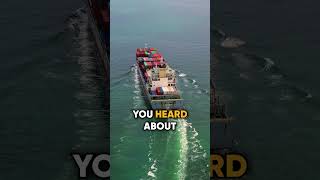
A short spoken piece by Nir Eyal reflecting on how societies respond to technological revolutions: people adopt new norms to guard against harms and adapt by improving technologies over time, leading to industries that correct earlier harms. The piece emphasizes that technology is neither inherently good nor bad but continually generates problems which we progressively solve.
Chapters
What humans have always done in the face of technological revolutions is two things they have adapted and adopted. They adopt new norms to protect from antisocial behaviors and destructive behaviors. And then we also adapt and we integrate new technologies to fix the last generation of technology. And this is a very big deal. So Paul Varillio, the philosopher, said, when you invent the ship, you invent the shipwreck. But we sail more ships than ever today. When was the last time you heard about a shipwreck? O. Almost never. Why did we stop sailing ships? No, we made them better. We made them safer. And so every time that there's an industry that creates bads along with the goods, a new industry pops up to correct those bads. So technology isn't bad or good. Right. Technology always creates problems. The idea is not to get rid of the problems, it's to have better problems.