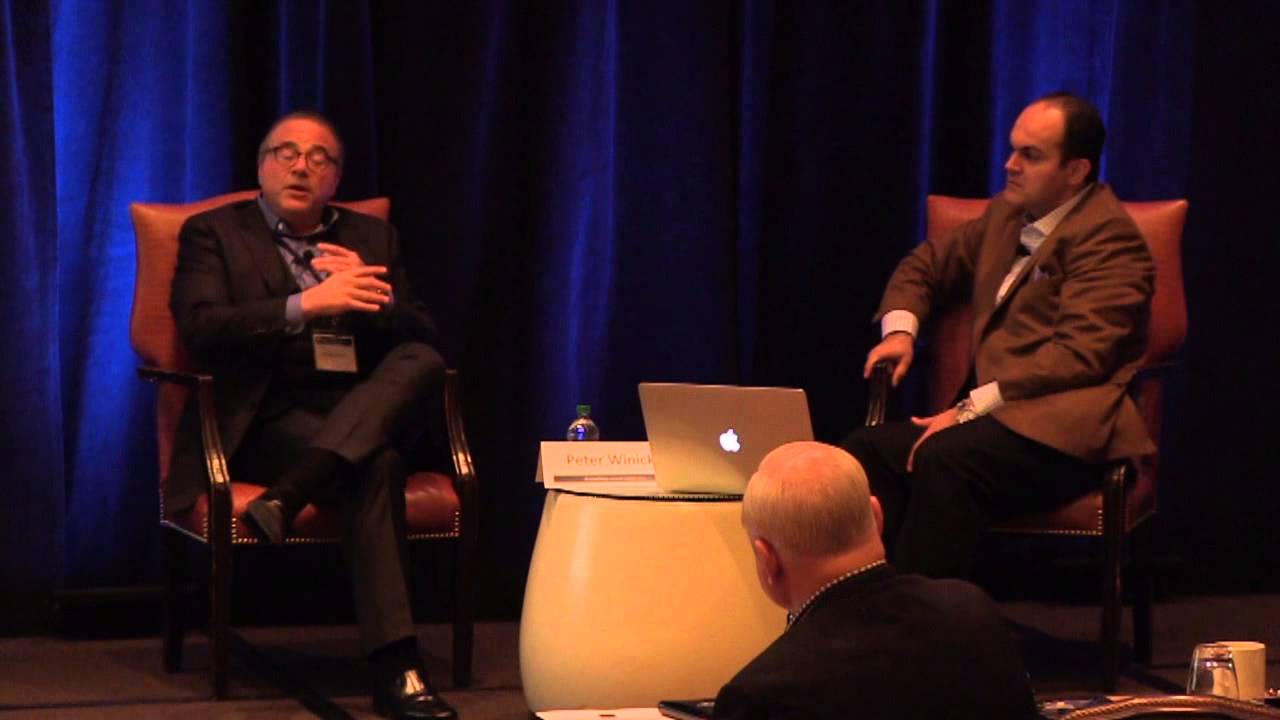
Peter Winick walks through how he repositioned Joel, a Westchester therapist with 15 years of bullying research, into a corporate consultant. A retailer's outreach led to a six-figure retainer by reframing his inclusion-exclusion model for corporate America instead of chasing generic advertising.
Chapters
Can you walk us through the process that you're using with a client, not just the big picture, but a little granular as to how you work with a client, and then what types of examples you've had that are huge successes that would— if we were to hear them, we would say, now that would be interesting. And I'm going to preface it by this, so I want honesty in this case. I was working with my PR agent, whatever money I was spending every month, and he came back with that, you gotta go reach and frequency, reach and frequency. And I said, that's bullshit. I want cash in my pocket. And he said, honestly, I don't know if we have the answer. So we use reach and frequency.
So it's reach and frequency is the answer to your question. No. So I'll give you a real example. So the way I work, I won't get into an infomercial here. But I start with— so my clients range from rock star thought leaders that you all know, and they're on the New York Times bestseller list, to academics, to sitting CEOs of companies, to people, just smart consultants that have something. So they range from all over the place. And what I've learned over the years is everybody starts the same, which is with a strategy session, which is a process that I've developed. It's a 6-week process. You can check it out on my website. I don't want this to be an infomercial, but I'll give you the success story. So I'll give you a real-life example of a client I'm working with now. He's a therapist up in Westchester. He's been at it, he's probably in his late 50s, and he came to me and he said, Peter, he said, you know, I see 40 patients a week. I'm really tired, it's grueling, I get paid by the hour, you know, I'm up from 7 in the morning to 9 at night, you know, and he said, but I've got this other thing in my spare time that I've been working on for 15 years. And I was like, okay, Joel, tell me a little bit about that. And he said, I've developed a model on bullying, and it's an inclusion-exclusion model on bullying. I go, that's kind of interesting. And he says, and I've got this research based on this 15 years of sort of dabbling in this that really validates my theories. I'm like, tell me more. He goes, and I speak at middle schools, I speak at sporting, Little Leagues and football leagues, and sleepaway camps and day camps. So I come in and I do a strategy session and the net-net is his model's really interesting. And I say to him, Joel, we have, here's, there's 2 strategies that we can develop here. One is every time I go to deliver stuff to that market, the junior high market, et cetera, I lose money because I turn down 10 patients and that's a few thousand dollars worth of revenue for a $500 hit. So that's kind of a dumb business model. So I said, we have 2 options. One is what I call edu marketing, E-D-U marketing, is I can go to large companies that care about kids and care about parents, and we can come up with a multifaceted approach to sell them your content and get them to sponsor it. So this might be Scholastic Books or Dick's Sporting Goods or whatever. And I came up with a list. I said, that's one path. The other path is, by the way, this bullying thing is not only happening in the middle school schoolyard, and I've got kids, I've seen it, I know it, I've been there. I said, but it happens in corporate America. So nobody's punching you in the nose in the boardroom and taking your lunch money, but people are doing really— the kid that was a jerk in middle school is now a managing director at Goldman Sachs, right? And he's bullying you, and he's using bad language, and he's excluding you from the cool— so all this stuff is happening. So I said, or we go directly to the corporate market. Now, some serendipity came into place, and he got a call because of his search rankings and all that from a large retail company that did something really, really stupid a few months ago, where their CEO was out on video saying really dumb things about, only the cool kids shop at our stores, and if your kid's fat or a loser, have them go to The Gap. I'm like, money! That's fantastic. Great. So we are now on a very large retainer with that company. 6 figures. It doesn't rhyme with— yeah, yeah. But that's an opportunity. So now we're rebranding him and everything else as the corporate bullying guy. By the way, it's the same exclusion-inclusion model and 15 years of research and all the integrity of his content, just to a different universe that he knew nothing about. So I know how to get it into the corporate space.