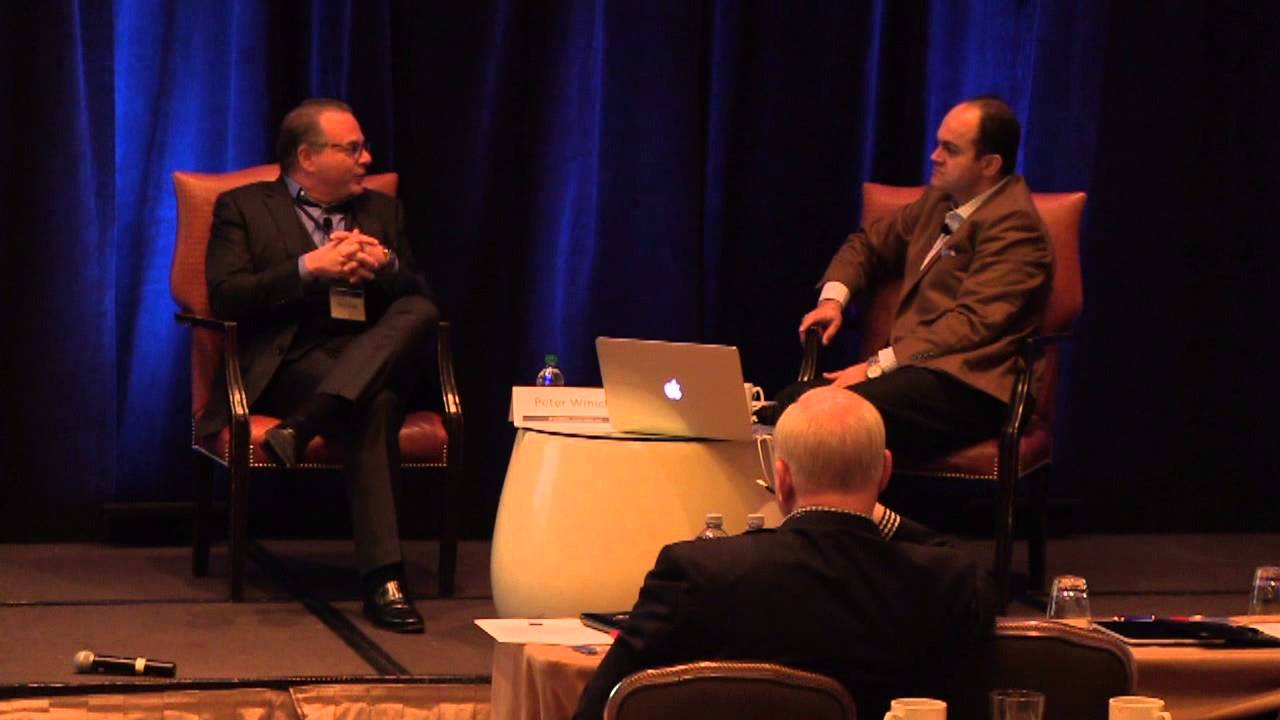
A founder struggles to let others handle his brand, but a strategic approach works around his non-negotiables like limiting speeches to 50 a year for family time. The key is framing opportunities as strategic extensions, not demands, so he keeps control through partnership instead of isolation.
Appreciate that. One of the biggest challenges is this whole control thing. Listen, I've worked my butt off building this Relationship Economics brand. Part of, you know, call it control freak, call it, you know, I don't want to let go of my baby. How do you get people to kind of let go of, yeah, I can do what I do well, but I don't know you well enough, and/or I don't know what you're going to do with this brand I've built. How do you let them— Well, it's collaborative, right?
So I need to, when I work with my clients to devise a strategy, part of what I need to find out is what makes them tick and what are their sort of personal non-negotiables. And they could be totally illogical. Rick, you talked earlier about Marcus, that he'll only do 50 speeches a year at that price point. Well, that originated from him having small kids and that's all he wanted to do and whatever. So I knew people that ran those businesses. You say, well, that's crazy. I'm leaving all this demand on the table. Okay, well, that's his thing, so you just have to design around that, right? So if you have a control issue, we're gonna have to come up with a plan that works for you, that you like, and work with it. It doesn't mean you give up control.
Do you come back to him and say, here's opportunities I've found? Again, I'm thinking of the whole Jerry Maguire. Here's an opportunity I've found, or here's channels to take you further than you've ever gone yourself?
No, so it has to— so I believe that most thought leaders Human nature is such that we confuse activity with progress. So most of us here are really, really busy doing stuff. And we think that because we're doing stuff, well, that's better than not doing stuff. But actually, when we go back and we say, well, if I threw a dog in a pool— not that I would do this, right? But they would be really busy trying to stay afloat. That's kind of what we do, as opposed to saying, let's stop. Let's pause for a minute with all this crazy activity, and let's come up with a strategy. And that doesn't mean there isn't room for serendipity and chance and things that you don't plan for, but you need to take control, and you need to have a strategy. And then from that strategy, you use that as a filter that says, what are the activities that I'm doing? Are they getting me closer there, or are they neutral, or are they actually negative? And when an opportunity comes along, don't say yes to everything. Does it align with my strategy? And by the way, oftentimes for a successful author or thought leader, your publisher's pushing you to write a book. And it's okay to come back to them and say, I would love to do that, but when the timing's right for me, which might be in a year from now, not today. And I might want to do that down the road. So I think it has to fit into a strategy. Most of us operate, authors and thought leaders, without a really solid strategy. We have an idea, we have a vision, we sort of know where we want to go, but you can't articulate where you want to be in 6 months, where you want to be in 12 months. That's it.