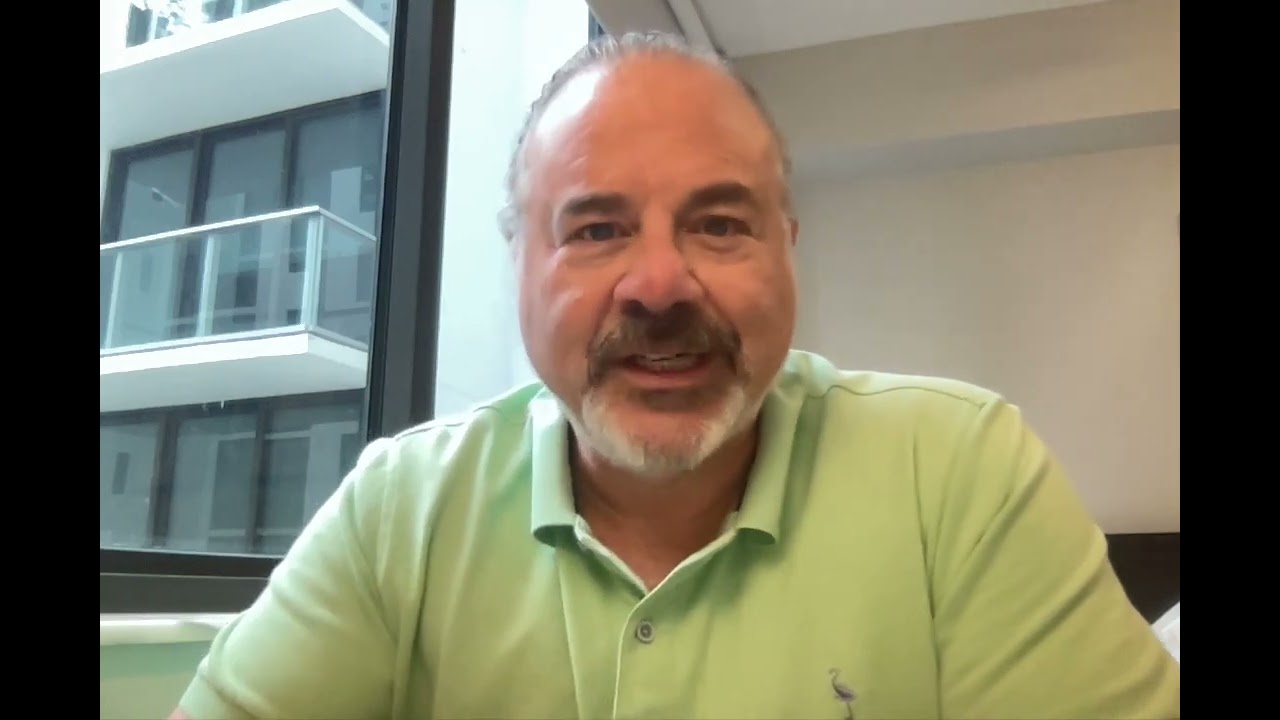
Peter Winick argues that knowing your ideal clients means looking past job titles and budgets to find soft traits: openness to risk, willingness to try new things, and credibility to push novel ideas. Hard descriptors are easy to find but incomplete. Soft traits predict who will actually adopt what you're selling.
Chapters
Hey there, it's Peter Winick. I'm the founder and CEO at Thought Leadership Leverage, and here's an idea I'd like to share with you today, and it's this: in my conversations and my work with lots and lots of authors, speakers, thought leaders, consultants, etc., I always ask them about the types of clients that they serve. You know, give me, give me a sense of the profile of the avatars or the client personas or whatever languaging you'd like to use. And more often than not, what I hear are what I would call hard characteristics. A senior manager, you know, someone in a leadership role at a certain type of organization, someone that's been in a job for 15 years, someone that controls a budget of X. And I look at that and I say, okay, that's great. Those are hard characteristics. And quite frankly, they're easy to find people based on hard characteristics, but they don't tell the complete story. And the complete story is this. I'll probe a little bit and ask them, well, what are the soft characteristics? So the clients that tend to work with you, are they open to risk? Are they open to new experiences? Do they have the credibility in the organization to bring on something a little bit new and different? And I think it's pretty helpful to think about the clients that you have worked with and would like to work with through the lens of these soft characteristics, the things that don't show up on a search on a database or something, and then figure out from those trends how you can find more people that meet those soft characteristics. Anyway, we'd love to hear your thoughts. Thank you. Thank you.