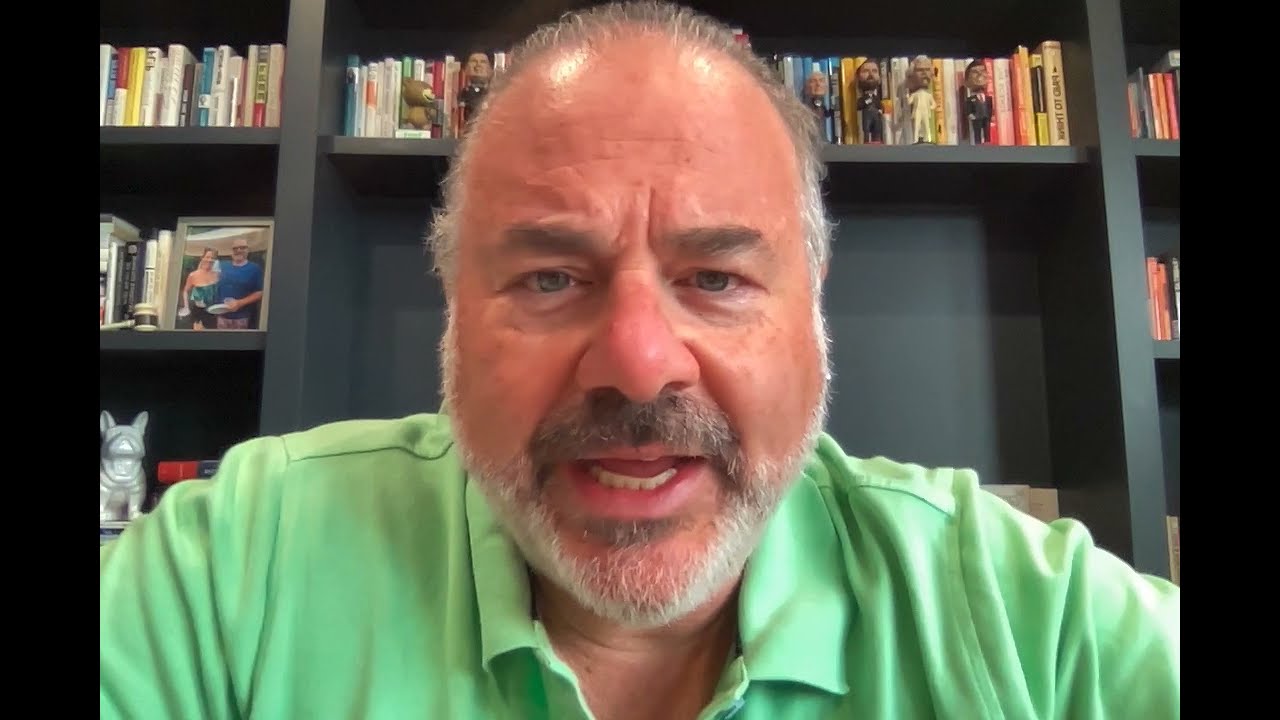
In this brief monologue, Peter Winick, founder and CEO of Thought Leadership Leverage, proposes an alternative way to gauge the effectiveness of thought leadership. He critiques reliance on vanity metrics such as retweets, likes, and view counts, arguing that these numbers are superficial indicators of reach. Instead, Winick suggests that the true measure of impact is when a piece of thought leadership serves as "kindling" for deep, thoughtful conversations among the intended audience. He illustrates this by describing scenarios where viewers reference a video, post, or book to spark discussions, ask questions, or share insights with colleagues. While acknowledging that this conversational metric is harder to quantify, he emphasizes its value as a sign of quality, influence, and the growing impact of the leader’s work.
Chapters
Hi there, it's Peter Winick. I'm the founder and CEO of Thought Leadership Leverage, and a thought that I wanted to share with you today is a potentially different way to measure the efficacy of your thought leadership, the impact that your thought leadership is having. So thought leaders, authors, speakers, consultants, advisors are constantly struggling to figure out, you know, are they making a difference? Are they having that reach? Are they having that impact? And we look for sort of metrics or something to give us an indication that that's happening. Retweets, likes, how many people read my article or saw a video. And those are all good for what they are. But I had a thought the other day that one of the things that I look at, one of the things that's an indication to me that thought leadership is strong or is powerful or is on its way to having greater and greater impact is if it's serving as kindling for deep, great, thoughtful, insightful conversations. Conversations with your target avatars. So for example, somebody watches a video that you have or a post that you have or a book that you've written, etc., and they use that as a basis to start a conversation or to ask a question of their team or to share that with someone and say, hey, I just read or saw or whatever, or take a look at this, this reminds me of that conversation that we had the other day. But this, this concept of being the kindling of a great conversation which is rooted in your work and your thought leadership, I think it's a powerful one. I don't know that it's as easy to measure as some of these sort of vanity or faux metrics that we tend to look at, but I often hear and see people sharing thought leadership for the purposes of having great conversation or starting a discussion or going deeper on something. I think that's a great measurement of both the quality, the impact, and the efficacy that your work may be having. Something to think about. Thank you.