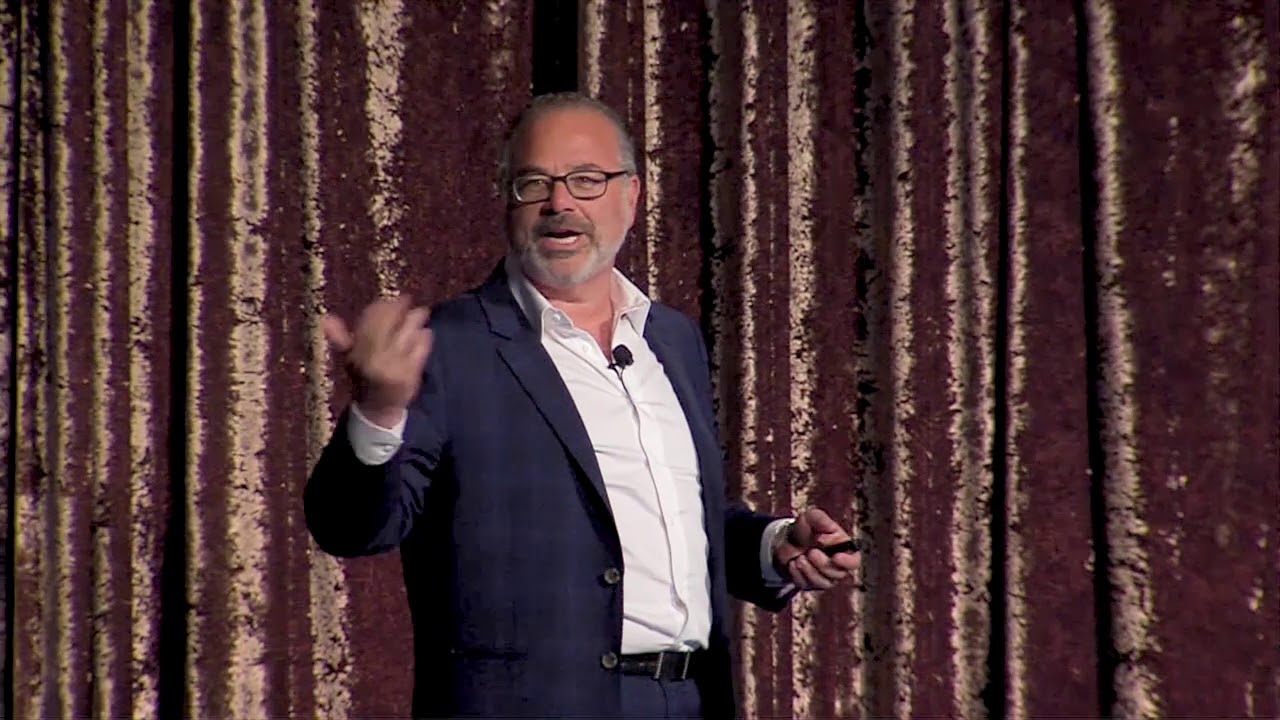
Peter Winick helps experts turn their knowledge into corporate training courses. Large companies have training budgets but need interactive courses with specific components to pass internal gatekeepers, not just videos. Winick connects thought leaders with top corporations domestically and internationally.
Chapters
All right folks, this, this one, this one is very important. The reason why I asked this next gentleman I'm going to bring up the stage is because he basically has deep expertise in people that have deep expertise. His expertise is helping people with expertise position their content to a bigger corporate market. Now then, the reason why I wanted you guys to hear this is for one reason, because there are a lot of companies out there that literally have huge training budgets. But when we walk in with maybe a video, like, hey, I just— again, a course, a fully interactive course, training course, is not the same thing as, hey, I've got a video. So how do we make those videos? What kind of content do we need to create? What kind of things do they need to include? So when you walk into a larger company, that this is the kind of content they're looking for. This is the type of things that they need it to have in order to actually make it past gateways So his company helps thought leaders, subject matter experts, authors, speakers, experts of all kinds kind of take that content and that, that fame, that attention, and package it up into educational-based products. And not only that, but his company also then opens the doors and walks them into some of the top companies in the United States— well, actually internationally. So if you guys want to learn— who wants to learn how to do that? Yes. So if you guys could put your hands together for my man, Mr. Peter Winick.
Can you all hear me? Thank you. So can we kick up the lights a little bit because I hear Brad talking about interactivity and I'm not seeing it. So I'd like for this to be a little more interactive. And I had— we have 1 or 2 guys in the back with mics? Okay, so it also makes my life easier if I don't have to do all the talking. So I'm gonna throw some stuff out here. Please feel free to interrupt, shout out questions, etc. Cool?
Yeah.
All right, there we go. So first thing I want to do, just sort of thematically today, is get you all to question your assumptions, because I think a lot of you have great expertise, a lot of you have great content, but— and it's a big but— When it comes to developing that content and selling it into certain markets, there are assumptions that have been made that are flawed, which yield, which lead to outcomes that are less than optimal. So for a couple of minutes, as we're spending some time today, just question them. You might be right. I'm not saying your assumptions are wrong, but I think it's good to have an open mind and question the assumptions that are inherent in the content that you've got. Okay, so first off, A couple of assumptions that we're going to talk about are things like what makes a speaker great, right? Anybody want to throw something out there in terms of what makes a speaker great?
Cool. I agree with all those. It has nothing to do with what makes great content sellable into the corporate market. So there needs to be a shift of what you're doing here on the stage and what your content is representing to a corporate buyer.