Dentist to Inmates Reveals Shocking Mouth Truths!
This is a conversational YouTube interview (host Puneet Nanda) with Dr. Dondre Simpson, a Greenville, South Carolina general dentist who also provides dental care in correctional facilities. Dr. Simpson (Howard University College of Dentistry graduate) discusses practical clinical positions rather than deep lab research: he supports fluoride (preferring sodium fluoride for caries, stannous fluoride for gingivitis), is positive toward hydroxyapatite and natural regimens (coconut oil, essential oils, oil-pulling), prefers alcohol-free mouthwashes because alcohol dries oral tissues, emphasizes saliva/hydration to prevent caries, recommends trying over-the-counter whitening first and notes peroxide-based agents cause sensitivity, advises mechanical interdental cleaning (string floss) supplemented by water flossers, practices mouth-taping for sleep/dry-mouth, identifies bad breath sources (oral, GI, sinus) and tongue scraping as important, and highlights high decay rates and access limitations among prison patients. He also gives a personal endorsement of natural oral-care regimens.
Questions this video answers
1999
Howard University College of Dentistry
25 years (celebrated his 25th reunion this past May)
Since 2001 (in Maryland, D.C., and South Carolina)
Married to Dr. Tyrese Awaite, a periodontist
Chapters
Happy Friday. Today we have Dr. Don Ray Simpson, one of the best all the way east in South Carolina. So, Dr. Simpson, would you like to introduce yourself to our audience today?
Dr. Nanda, I appreciate it. Yes, sir. Thank you for that great introduction. My name is Dondre Simpson, general dentist here in Greenville, South Carolina, married to A wonderful periodontist, Dr. Tyrese Awaite, have three wonderful children, Shamar, Donnica and Drayvonna. And I been a dentist since 1999. So I just celebrated my 25th year dental school reunion from Howard University College of dentistry in Washington, D.C. this past May. And you know, don't feel like it's been 25 years, but I guess the grays in my beard and my children tell me how old I am on a constant basis. But it's been a great 25 years of being a dentist. But I started being a dental assistant when I was 17 years old and my aunt's practice in Washington, D.C. Dr. Hazel Harper. So been around a little bit since I finished high school in dentistry, a little bit, you know.
Wonderful, wonderful. So, Dr. Simpson, today we'll keep it very simple. I'll have a few questions that I get all the time. I'm gonna ask you one by one, and I would love to get your opinion. So we'll dive right in. Are you guys ready? Okay, so the number one question is, what is your opinion on this big debate? Fluoride, hydroxyapatite. Is fluoride good? Is fluoride okay in water? I would like to know your genuine opinion, what you feel about it.
Yes, sir. Well, obviously being in the field of dentistry, fluoride is very, very important, very well taught in dentistry. I've seen where definitely fluoride with this, it helps remineralize the teeth. It helps, does have an antibacterial effect, but in the, in some circles, not really in dentistry or maybe in holistic dentistry, which is a slightly separate aspect of dentistry, where a few dentists do practice holistic dentistry as well as person persons that practice a holistic way of living. Sometimes fluoride can get a bad rap because there's different types of fluoride. And you know, I'm no fluoride expert, but I do see the benefits of fluoride when it comes to the teeth in my patients over the past 20 plus years.
So three kind of. Sorry to cut you off. So the three kind of fluorides that I've seen, Colgate has been using sodium monofluorophosphate ion and Crest has been using sodium fluoride versus Aquafresh which used to be a big brand, I don't see it anymore. Use stainless fluoride and since they've gone out of kind of slowed down in business I see a lot new companies coming out with stainless fluoride in their product range. So is there any specific fluoride that you like?
Well, fluoride for cavities, sodium fluoride is generally what's was promoted. And for periodontal disease, gingivitis stannis fluoride because my wife is a periodontist so she touts stannous fluoride from her teachings at the University of Kentucky, both dental school and Perio.
But one day actually talk to her as well. By the way, I also feel incase means fluoride to me is a very very. It's almost like tug of war going on in the industry. There's a lot of promoters of fluoride and fluoride does have a long standing background here. But then there is a lot of people who are anti fluoride because of the recent studies about fluoride causing low iq, fluoride causing definitely dementia and other issues. But I personally believe that a lot of it has to do with fluoride in the water. I think people don't realize. One other thing doc, what I want to add is a lot of people are using too much toothpaste.
Yes.
So they add like full blob of toothpaste on their toothbrush which makes it look like they are getting 10x the fluoride that is recommended. And sodium fluoride is my opinion is also the best because it is like sodium chloride which is your table salt. It is the same family. It is sodium fluoride. So I also like the sodium fluoride ion. It is the most favorable. If I had to choose fluoride currently I'm. I am no fluoride but in case I had to or whenever I have to personally use it, I use the sodium fluoride ion. So that said, let's come to the other part of the question. What is your opinion on hydroxyapatite? Whether it is micro or nano? Any opinions on that?
I mean is a building block of the tooth itself as the tooth is developing in enamel. So that's a no brainer to be honest with you. I mean like I said, I don't know everything. I'm not the, the. The dental expert of all research or whatever. But. And this is not. Well, it is promoting guru Nanda but I have not heard of any toothpaste or dentifrases that tout hydroxyapatite like you all do. And let me be honest, let me be straight now, okay? Fluoride is what I know what we, what we've been taught. Just because we've been taught you know this in, in conventional dentistry and American health, healthcare doesn't mean that it's always the best or the most beneficial because I had no idea. And I might be jumping ahead a little bit, doc, but I had no idea. I eat coconuts. I put coconut oil in my hair, I put coconut oil on my skin. I had no idea. Coconut oil has antibacterial properties. They didn't teach us that in dental school. And most dentists, and I'm taking a, taking a stab in the dark here, most dentists still don't know that. So the fact that you are doing what you're doing and have done what you've done with these essential oils for the mouth and the hydroxy appetite with the toothpaste is revolutionary in my opinion. Again, I'm a little country dentist in South Carolina, but I get around a little bit. So hope I'm not jumping too many.
Questions here, but oh no, you're doing great.
Appetite is great to have.
So just, just so that since you asked me, coconut oil, Coconut oil has several carbon chains. C6, C8, C10, C12. Now the C12, which is often called lauric acid is the one that has got antibacterial properties. By the way, also coming to hydroxyapatite will do a separate video on that. But we do have hydroxyapatite but we have the micro hydroxyapatite in the Guru NAAM toothpaste. Because I am not a fan of nano because there was a few studies that I saw where nano can cross the blood brain barrier and can calcify some vital organs. So I decided to stay away till there is more research available. Because NASA used it in a very controlled environment versus everybody is talking about NASA using it. So I, I don't know. And some Japanese company using it, but it's all still in the door drums according to me. So I, we decided to go the safer route. Now the other pressing question in the market today is about mouthwashes, especially alcohol mouthwashes, which obviously most of them I see have ADA stamp of approvals and I see a lot of Novo dentists talking that it is not the best thing in the world. It causes dry mouth. It's well known. And before I give you what I have been thinking, I would like to know your opinion on alcohol mouthwashes. That or other mouthwashes that say, kills 99.9% of the germs. What is your thought process on that?
Well, as we all know, I mean it doesn't take, if you've gone to any store and even paid attention to the mouthwashes, most of the mouthwashes now are touting the zero alcohol, which I am totally for, because alcohol dehydrates. Whether you drink the alcohol and become dehydrated and don't hydrate yourself or whether you're using alcohol based products, it dehydrates the body or the area. So I, you know, yes, I used to somewhat like the burn of the Listerine back when I was less dental intelligent. But I definitely, since becoming a dentist, you know, don't really advocate for the alcohol based products in the mouth because also a lot of people now have dry mouth because of a lot of medications that they're taking or some conditions that they have. But more people with medications is causing dry mouth. So it's almost like a somewhat of a oral epidemic on top of the fact that cavities is ordered.
So, you know, what do you think of dry mouth? What all can dry mouth do to a patient.
So, okay, I keep it real. The more spit you have in your mouth, the wetter your mouth is. The, that's a, that spit is actually a defense mechanism to keep our stuff from our foods and drinks that could harm our teeth moving down our throat. So sugars, acids and stuff, if you have the, the proper amount and type of saliva. But I keep it real, I say spit that has a mucus portion and a water portion called serous. You put that together and that keeps our mouths hydrated. And the more hydrated our mouths are, the less prone we are to getting cavities and a lot of other issues in the mouth. So people whose mouths are getting drier, they don't mean they had to be bone dry just a degree, some, some degrees of less, less wetting.
Okay.
Again, I can say I'm not the most eloquent dentist here when it comes to language, but the less watery your mouth is, the more chances you have of developing more cavities. And I've seen it, I mean, I see it all the time.
I'm like you said, you just said it.
One of my patients, one of my patients recently, two, a year and a half ago, didn't have no cavities in her mouth. And this is no lie. A year and a half later she came back, did X rays, she had 12 cavities. And I Just couldn't get my mind off of it. But as I do the medical history, I asked her, I said, what has changed in your medical history? Well, I'm on certain medicines. And when I said, oh, I think some of those medicines, even though they. And they're adding unfortunately to the list of causing dry mouth, I said, I think some of those medicines can cause drama. She said, oh, yeah. Since I've been taking this medicine for the past year, my mouth has gotten dry and drier. Boom, you know, And I'm like, ugh, you know, now I gotta go fix 12 cavities. Which I. I mean, of course, yeah, I'm a dentist, I fix cavities. But it just baffled me that a year and a half her X rays didn't show no cavities. And a year and a half later. So I'm all about keeping our mouths, our bodies more hydrated. So actually I can get less work, if that makes any sense. But I digress.
Great. No, that's true. Because dry mouth means breeding ground for bad bacteria, and more acid means more realization. I agree. And all these antidepressants, especially anti anxolytics that people are popping in because subconscious anxiety, anxiety overall, and depression are taking over the country. The side effect of antidepressants is dry mouth, big side effects. It's almost like being fish without water, having a dry mouth. So when I used to see people in chemotherapy wards really complain about dry mouth, then I realized how they are like fish without water. So talking about the next thing, which is whitening, which is a very cool subject because everybody, like I have a friend of mine, he's a periodontist, and he said, people come to me with bleeding gums, really messy situation. And the first thing she would ask me is, how can I get my teeth white? So, so what do you think about whitening strips versus whitening in the dental office or in general about whitening? What is your opinion?
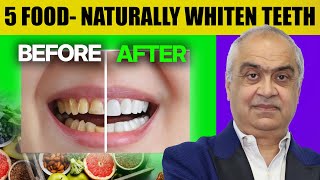
Okay, so I. Oh, when people, when my patients ask me about whitening, we do offer, you know, in office whitening, but to be honest with you, I tell my patients, try the over the counter. And, you know, the over the counter whitening strips. I tell people because everybody's teeth and I, and I. And I don't like using whitening. I know that's what the, the industry says is whitening. I always like to say lightning, because some people like, well, why my teeth ain't getting white. Everybody's teeth are not meant to be white. But if we can get it lighter, it usually still pleases the owner's eye. So I tell people try something over the counter first because it's cheaper, less invasive and it might get you to where you want to be, not where I want you to be because I'm not living with your teeth. You are. If that doesn't work, then let's come talk about some of the other modalities that we can use which obviously a little bit more expensive but obviously a more stronger. Now that's the general whitening that uses carbon peroxide or different derivatives of peroxide and they can be make teeth very sensitive and stuff. So so that's my general over the last 20 something years what I how I like to approach and have my patients approaching some patients, the crest Crest white strips or over the counter white strips work well but some of them come to me and I'll do their in office whitening. But over the past year, guess what I realized and guess what I discovered Some natural whitening strips from Guru Nanda that has coconut oil and other essential oils that I had no idea can help with lightening teeth. Not because of the whitening agent in the coconut oil per se in my opinion it's because of the antibacterial and people keeping their mouths cleaner with the oil pulling. And I know this is not a commercial Guru Nana, but I'll give it anyway. And with the essential oils that I have done so much research on since I've learned about all this and a lot of my people on my social media platforms have asked me about oil pulling but and I tell them, you know, it helps.
I'll intervene for a quick second. So the oil pulling actually has a study which shows that oil pulling does whiten teeth after usage in three weeks by two shades than we do. But the white strips that we have, those are dry strip technology although they do have coconut oil. But the real working the active ingredient is hydrogen peroxide because that is the exact same ingredient which you guys use in your dental office because carbamide peroxide turns into hydrogen peroxide. And that is how because carbamide is more stable molecule in terms so we whenever we make product for dental office we make it at carbamide peroxide because you put it in a tray and then you put the light on top of it.
So let me ask you a little question before because I know you obviously done a lot of research on this and speaking from a gum standpoint where you have inflamed gums, of course we want patients to make sure that their teeth are cleaned. They're keeping their teeth clean professionally as well as daily brush and floss it up. But from I'm thinking, and please correct me because I'm asking actually with the coconut with the different essential oils that's in your whitening strips as well as the hydrogen peroxide, because I tell people, I say use a mixture of hydrogen peroxide with water or with your favorite mouthwash to help keep your gums, you know, fresh because you know the hydrogen peroxide kills the bacteria for gingivitis and stuff. What's your thoughts on and I'm just, I might be jumping a research gun for you, but what's your thoughts on possibly using those whitening strips with some more research back, I guess in helping with gum disease or gingivitis or inflamed gums.
So the white strips, since they have hydrogen peroxide, they are used on the enamel part itself. We recommend not letting the hydrogen peroxide part touch the gums or the exposed dentin because hydrogen peroxide can cause sensitivity otherwise. So by the way, adding coconut oil was done to reduce the sensitivity part of it. Now coming to the oil pulling, it has no hydrogen peroxide, so no chance of sensitivity. Rather, because it has clove oil in it, it actually reduces sensitivity by every. Which means. So if you're using a combination of oil pulling and the white strips, then you ensure that you are in a much better situation because then that means lower sensitivity than normal. Now, we do have a mouthwash that's dual chamber which has hydrogen peroxide on one side and the other side has baking soda. So the reason we did that was so that when the two mix together, although you get the burst of oxygen, because the H2O2 molecule, the hydrogen peroxide, releases the oxygen that goes and removes the stick stains. But simultaneously the baking soda actually neutralizes the ph so that the once the ph is 7 or above 6.5 to 7.5, then it won't cause any sensitivity. So that is the reason and it won't cause any demineralization because a lot of the mouthwashes today are lower ph and those end up causing demineralization. That is why there's a big public outcry or not using mouthwash lately. And it's not our kind of mouthwash. It is mouthwashes that have very low ph or mouthwashes with a lot of alcohol content in them. So, doc, in in terms of timing, we want to run a tight ship. So let's come to the next question. What do you think of floss? The string Floss versus floss pick versus water flosser. What is your opinion on that?
Personally, I'm not against water flossing at all. Until I kind of see a little bit more research. I don't, I personally don't recommend only water flossing because, you know, again, you know, I'm an old dog. It's hard to teach me new tricks, but I do learn new tricks, too. But you can brush your teeth, but you can't brush in between your teeth. And you need that mechanical action on all five surfaces of your teeth you got. If you think of your teeth as a house, a roof and four walls, well, two of the walls are touching other teeth and the toothbrush can't get there. So unless you're going to really pump up some water pressure to really separate teeth, which we know is not going to happen, something mechanical needs to go in between those teeth, and that's a piece of string, whether it's a floss on your fingers or floss on a pick. I personally use floss picks myself, but. And most people can do that better. But I also tell them to still use a water flosser to irrigate chemically, especially putting certain medicaments or mouthwashes like what you have or whatever in that water. I think the chemotherapeutic aspect is definitely a big plus. But. But to me, it doesn't replace the physical mechanical scrubbing of the size of the teeth with a piece of string.
Beautiful. No, you're right, Doc. I actually think once you put the string, floss or floss pick between the teeth and scrape it off the teeth, you're dislodging the plaque or the biofilms. Once you dislodge them by flushing them out with a water flosser, you're ensuring that those are not left behind. So I personally do both of them. And a lot of people say that would take me forever. Like spend half a day in your bathroom. I said no, it takes me seven to eight minutes doing my entire routine in the evening. And I only do the full routine regimen at nighttime because I personally believe that is the time. Because next 12 hours or 10 hours, you're going to be sleeping or eight, nine hours, and you'll be having situations like dry mouth, because if your mouth is open, you know, you could end up having dry mouth. And dry mouth is a breeding ground for cavities. So, coming quickly to the next very important question, since we're talking about open mouth, what do you think of this new hippie trend? Especially in the coastal areas. It's called mouth taping. Have you heard of mouth taping or is that not a thing back east?
I do it every night.
Oh, beautiful. Amazing.
I'm waiting on yours to come out. But I do, I put, I put tape over. I have. I have sleep apnea, so I also have been sleeping with a cpap, which very weirdly, my pulmonologist says I'm the only person that he's ever met that uses it 100% of the time. I love sleep, but I started using mouth tape because even when I use my CPAP that goes over my nose and my mouth, my mouth still opens and that. And it still can dry my air out. So I put, I put mouth tape over. Exactly. And my mouth is not dry anymore when I wake up. So I'm getting the best of both worlds. So I'm waiting on yours, doc. But until I get yours, I'm using what I got. So hurry up and get it on the market.
This is life changing. And we'll do a separate podcast maybe next time just on mouth tape, because I love it. I can't speak enough about mouth taping myself. Now coming to the next one is what is your opinion on. Let's see. There's some questions. Actually, some of the people here in the room just asked me. They are asking me to ask you, how do they prevent bad breath? Is there any tricks up your sleeve for that?
So what I tell my patients, the three areas generally where bad breath can come from, obviously is the mouth and stuff in the mouth. Whether it's cavities, most likely a lot of tartar and plaque in the mouth. I also tell people that their bad breath can come from their GI tract or their stomach. Because if you think of a garden hose, one end of the hose is open, the other end of the hose is open. One end of the hose is your mouth, the other end of the hose is your anus. So if you have bad digestive issues and stuff all stuck in your gut, the breath that, that odor can come out. But in the third way, which is kind of more rare, is sinus issues. Sinus, chronic sinus, sinusitis, sinus infections. That can happen, but the most common reason is because of people's mouths. And the bacteria that's on the mouth putrefies whether it's in the tartar, the plaque, or on the tongue.
Absolutely.
I've been tongue scraping for a few years. They didn't teach me that in dental school. I'm not saying my dental school don't teach nothing because Howard University is a great dental school. But most dentists that I've worked around from other schools and everything never have talked about tongue scraping. When I first scraped my tongue, it was nasty. Just outright not nasty. And that bacteria is on your tongue. Well, you can brush and floss, which still most people don't do, unfortunately. They don't floss. They brush, but they don't floss. And that bacteria that's still in between the teeth and the gums and on the tongue causes bad breath. But people don't think about that until you tell them that. But if we as a dentist and dental professionals don't holistically tell people about that, then is, you know, it's a problem if that bacteria still stays on the tongue even though your teeth are cleaned, that bacteria is going to go right to the teeth and reinfect them. So I'm all about.
I love how holistic you are in your thought process because you're right. Tongue scraping, which is a integral part of Ayurveda and we actually been giving it free with our oil pullings bottles, is an integral part of your mouth care that I think everybody in America should adapt to and they should start talking about it more in dentistry schools now. I absolutely agree with you on sinusitis. Like that is absolutely a thing. And that is why they have neti pots in India that you can use. And if you add some Celtic sea salt and some xylitol in it, you can actually have a lot of benefit from that. And third thing, when you say gut issues, because we're eating so much processed food in America, I think you're right. Leaky gut is the one of the biggest problems especially. And because of that we are. I personally had a lot of allergies and a lot of situation in my gut and I heal myself with oregano oil. So we'll talk maybe separately in a different session about it. But that has really helped me. So I agree. The seven step regimen that we've formed, I've given that seven step regimen to a lot of people and they've come back and their bad breath is gone. But we also have a specific product that we have made. It's called the breath harmonizer, which has sodium chloride in it so that you actually get rid of the bad breath, at least temporarily, right away, right away. But for long term, I recommend using the seven step regimen and oil pulling and tongue scraping being integral part of it. Now, the other question I want to ask you that people here are Asking me to ask you is what is the most common dental problem with aging?
With aging. With aging, dry mouth, A lot more cavities in the elderly. My geriatric, my geriatric patients that still do have teeth, I'm constantly fighting decay, trying to keep their mouths wet, you know, because it's because of, because of the medications, because their bodies have aged and, you know, produces less saliva. I would say dry. I would say more cavities and which leads to, which leads to tooth loss and other issues also.
So, Doc, give me three burning questions that you get every single day while in practice, or at least most days. Are there any three questions that you get? And very briefly, if you can answer me those three, how would you answer?
Well, depends on where I'm practicing. I'm not just a private practice dentist. I also practice in prisons. So those questions are a lot different than in my private practice.
And I also, I would love to actually know about the. What are the questions in the prisons. But that's a very interesting thing because not a lot of people actually do that. So that might be very interesting.
Well, we could do a whole podcast on just prison dental care. And, and this is just from me coming from a dentist, not from whatever, but a lot of corrections inmate. Let's just call them inmates. You know, they are in prison for a reason and they don't get to have all of the different things just. And I'm just talking from dentistry. They don't get to have the toothbrush. Toothbrush. The different things that they have learned about in prison, about dental care that they probably didn't know about or didn't do or practice when they were free. So I get a lot of basic questions that really would be better suited if you were not in prison. You can have access to a lot of things that you do. So those questions are more from a access standpoint or whatever. But a lot of prisoners do realize, not that I go out there and tell them, but I say, hey, you can't. I can't do this in your mouth. I can't do this in your mouth here in the prison. Prison. But if you go, when you get out, or if you get out, then you have other options to fix your teeth. No, when you was committing that crime, you didn't think about the fact that you were going to have cavities or have a hurt tooth, that you didn't have a dentist just to go right to, because whatever. But. So that's the prison from a patient standpoint, in my practice, the questions pretty Much ranges. How do I have all these cavities now? I don't ever ask my patients to trust me. Never. My most popular dental instrument is a face mirror. Not a mouth mirror, but a face mirror or my intraoral camera. Because when I tell you that you got 13 cavities and none of your mouth is hurting, then if I don't show you, you're probably going to go to the next dentist.
And are you allowed to X ray the patients in the prisons?
Yes, oh, yes, yes, we do. We have that basic technology depth. We don't have a lot of.
You can actually see the cavities long before they are widely noticed.
Yes, yes. When cavity starts as little dark or black spots and sometimes white spots. Whereas this hyper calcification also can mean cavities. So it's not dark is not always bad. Not always meaning cavities. White does not always mean that it's good because there's certain hypo hypercalcification areas that could actually be cavities underneath. So yes, we do have X rays there, but I show people with, with a mirror, face, mirror looking in their mouth, pointing to these cavities with my mirror and my little pointer. Or better yet, I have an intraoral camera. Take a picture of that too. Boom, boom, boom. Put it on the camera. It's. I mean, I just get people like. That's embarrassing.
Are you ever scared treating them scared or scared treating them in the prison? Is there any security risk? No.
Know.
No.
Well, no, no, no, no. There's always security, my first priority when I'm working in. Correct. And I've been working in corrections since 2001 in Maryland, D.C. and now South Carolina. Security is always paramount. However, myself, my female dental assistants that I've had, and I've had many great ones have never had a security issue because most inmates pretty much 99.99% and I can't even think of the 0.1% that wasn't grateful. Are very grateful because they get to get dental care at a very, very cheap rate. They don't get to get everything that you can get privately, you know. But security is always in the back of your mind. But if you practice that, then you can practice the dentistry that you're allowed to practice in the, in the prisoners and give them proper healthcare from a dental standpoint. That's what I'm there to do.
Great. And Doc, before we close, is there any. Give me your shameless plug. Anything to close out because we're running out of time. Would love to get one thing, that's your shameless plug. Anything that you want to say?
Well, I told you previously and that, that butter on gums, toothbrush. I tell my patients, Jesus put that toothbrush in his mouth and blessed each one of them and so we can use it in my mouth. And of course I'll be joking, but I'm like, that's the best toothbrush that I've ever used in my mouth and you haven't given me a dime. And I don't expect you to give me a dime for that. The. And the story that you gave because of that, I plugged that. I plugged that and another plug. This ain't something I tell my patients, but I should be ashamed of this. But I'm a man first, I'm not a dentist first. And my dear wife, the periodontist, I've used this whole regimen because to my knowledge there's not a whole natural regimen of things like Guru Nanda. And my wife said, I wish Guru Nanda came out a long time ago because you're so excited in this bathroom every day. And that's no lie. And I'm like, I say I'm a man, I'm not a dentist. When I come home, I'm never a dentist. But to use the oil pulling the. I do brush and floss. Well, sometimes floss, but I floss more now I do the. I've been tongue scraping, but now I use the mouthwashes and especially at night with. And the toothpaste. Now I'm done. And that way I can go to sleep because I tell people, brush and floss your tea at night especially. So that way because the germs from all the sugars and the foods that you eat, they have eight uninterrupted hours or however many hours you're sleeping to, to really beat on your gums and teeth. If you remove it then, then those germs are a lot less. Now if you remove it and use these essential oils, you know, you're, you're sleeping less infected every night and absolutely. And that's my shameless plug is for you again. I ain't got a dime from you. I don't expect to die from you. But you have truly Guru Nanda and all the team but you Dr. Nanda, with this whole concept because people, a lot of people crave natural stuff now because of all the one pill fix my whole life, you know, mentality. Give me a pill so I can fix that diabetes. Give me a pill so I can fix that hypertension, give me a pill so I can fix that gum disease, and it don't happen. So now there's a regimen that I've been personally using for the past year now. And I'm telling all my patients, it's just that I'm just trying to get them to oil pull, but I'm trying to get them to do all of the mouthwashing, to keep those essential oils on their mouth and in their mouths while they're sleeping, while they're going through their day after they have brushed, flossed, and scraped their tongue. And I tell them to oil pull once a day instead of twice a day. And using that toothpaste now that I'm just so. That's my shameless plug. And I'm not shame.
Thank you. Thank you, Doc. Thank you for today, for today's.
Thank you.
Amazing episode. This was our first foray ourselves into doing a podcast, and you're the first, so thank you for that. I'm honored that you actually took out time for us. Thank you so much. And I would love to, one of these days, talk to your wife as well.