Healing IS Possible LIVE Hot Seat Breakthrough Session
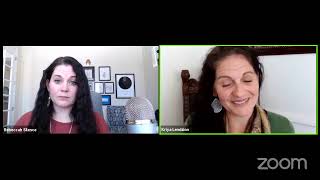
Live 30-minute coaching session (Healing IS Possible Hot Seat) hosted by Rebeccah Silence with guest Kriya, an addiction- and prevention-specialist. Kriya, a recovering addict with ~30 years in recovery and 20 years counseling youth, presents prevention and early-intervention strategies for adolescent substance use: monitor and model (including parents' own substance behaviors), provide accurate science-based information, build an "inner compass" by helping teens clarify values/goals, and ensure accessible healthy ways to meet four core needs (fun, belonging, confidence, coping). For detected use she recommends a curiosity-based, nonreactive approach (listen > lecture), collaborative interventions (research, counseling, alternative activities) and escalation from least- to more-invasive supports. She lists observable signs that use has become problematic/addictive (five "Cs": continuing despite consequences; craving; control loss; center-of-life; coping dependence) plus withdrawal/intolerance.
Abuse and prevention with our adolescents. So, parents, this is a time to stop what you're doing and tune in for the next 30 minutes. We have an amazing special guest here with us and Kriya is just going to share her expertise and just validate what a difficult topic this is. If you haven't joined me for a healing as possible hot seat in the past, every week we have, we have a different topic where either a healer is sharing expertise or a brave volunteer is having me coach them into breakthrough. Now, the hot seat means it is going to get hot. So if you are a volunteer that wants coaching, get ready to get connected to the stuck, the sticky, the icky that you haven't broken through yet. And for all of you watching every week, this is a free opportunity for you to access that heat and that stuck energy in you that you're ready to move through. If you hit a trigger, if you hit a block while you're watching, that's good news. We want that so that you can move through it. And then I am available. Just go to rebeccasilence.com click on coaching intensives and apply for further support. One on one. Get in touch with me. You, you can heal so much faster than you even realize. We all can. So with that being said, let's jump right in with Kriya. Welcome back to the Hub.
Hi. I'm excited to be here. I get like shivers when you talk about what you do, by the way. Just kidding.
Oh, I'm very passionate. I'm very passionate about people and healing. Share a little bit with us if you wouldn't mind, just about your background and then let's dive right in.
Yeah. So, you know, last week we talked about communication and I really sort of based that in my experience as being a counselor with fifth graders through college age, young adults in school settings for the past 20 years as well as being have been in like early intervention kind of tough teen settings and alternative schools and, and talked about communication pieces. But I think what I'm really gonna root down even more today is my expertise, that is in being an addiction specialist and a prevention specialist, which means I've worked on the rehab side of things with adults and with adolescents. And I've worked kind of on the early intervention side where there were kids that had really gone off the rails and were involved in juvenile justice or other kind of consequences that came out of that use, trying to get them back on track. And, and what I give a lot of attention to now is more of the prevention side and the early, early Intervention, you know, it's kind of the like, well, how do we, we're living in an addictive world, an increasingly sort of risky, scary place, confusing place it can feel like. And so how do we, how do we feel empowered as parents, you know, to help steer our kids and help them be empowered to steer healthily through all this sort of the addictive stuff out there, which includes substances along with a lot of other things. But what we apply to substances, we can apply to a lot of the addictive stuff out there. So I do parent coaching and family coaching kind of around this, which is that like, okay, so if you think your kid's at risk, what can you do to really put some plans in place and some structure around it and kind of tighten your kind of addiction proofing system around your kiddo? Or like if you have discovered your kid using something, how can that moment, because it's a really pivotal moment now. How can that moment be something that really brings you closer together as a family and stronger and wiser because of that and gives your kids some resiliency for all that stuff out there versus it being sort of the beginning of a spiral, of a tough journey which I personally had. Want to add that part too is that I am a recovering addict and I have got 30 years behind me of that journey where I was in rehab at 19 with multiple addictions including substances.
Well, thank you. I have chills now. Congratulations on your 30 years.
And actually yesterday.
Oh my gosh.
Well, yeah, that's a crazy thing. I mean the journey started. It wasn't a perfect journey. It wasn't perfectly linear. There were some slips and slides along the way, but that's really when it began for me.
Well, happy 30 years. So let's start with perfect timing.
I didn't even think about that.
The prevention. I love the synchronicity component. And then let's go into, you know, the reactive element, I guess.
Yeah, yeah, yeah. So I think what I want to say first, I want to, I want to encourage everybody to take that, take it kind of a deep breath and sort of root down because this can be a tough topic and I need to, I kind of need to mention the scary stuff first and, but I want to, I want to remind everybody of the hope that you absolutely have influence in your kid's life and have even more, can have even more influence in your kids lives. You know, practicing some certain things like the communication pieces we talked about last week. But so I do need to say just sort of as a bottom line awareness because we as parents, we really want to stay in denial because it feels safer. And unfortunately, I won't even drop the really horrific stories that I have heaps of, you know, that I've been really close to, of kids that were lost and families I've supported through that process. But it is a very real thing that kids can hurt themselves and each other with substances and that can be an accidental overdose thing. I mean, just where they were just experimenting and it went horribly wrong. And that's happening increasingly. That's what I mean, want you to hear, is that overdoses and addiction for young people are increasing and they're getting younger. So that's a real thing because the things that are out there, and this is where we can get a little cocky because we're sort of like that, been there, done that generation. A lot of us had our own travels through this. And you know, it's not new, but what is out there right now are sort of newer hulkified and mutated versions of what we think we're familiar with, you know, what we think we know. And so there's stronger things out there. They're developing ways for them to get to the brain faster. Kind of these development, these methods of taking them in the body, like vaping, which actually gets a more concentrated dose of whatever somebody's vaping to the brain faster, which means it's more addictive, which means it's more impairing. And that exists with caffeine, with alcohol, with nicotine, with cannabis. All of it is coming in these sort of amped up forms that, you know, there's really easy ways to get addicted to them and easy ways to sort of have them to lose control of yourself quickly. And they're sneakier. I mean, there's vaping devices that they can look like inhalers, they can look like working pens, they can look like lipsticks. And you just, you don't even know as a parent. So we want to do the things. So of course, all of the things that we think of as like sort of external control, right? So the supervising and the monitoring and the checking in the. That doesn't mean you're like, you know, searching your kid's room every Friday. But that means that you're, you know, you're trying to stay tuned to, you know, what it is they're watching, the messages that they're getting in their world, right? And this just, this dovetails on our conversation last week where it was about knowing who they are, what they're exposed to, how they think and feel. About things, what they're navigating through on a daily basis is crucial so that you know where to be supportive and where to intervene, you know, and where to have discussions about what's going on. And if you're not communicating openly about those things and you don't have sort of like an open portal to your child's inner and outer worlds, then it's really hard for us to, you know, to have any influence in those spaces. So we monitor, we supervise, you know, the devices, the, you know, the media that's coming in as much as we can. You know, I mean, there's all those things that we try to do, but we model. I mean, I think that's a huge thing that can get touchy.
Paying attention. Are we paying attention and not just to what we see, but getting into our kids world around what, what's important to them. And then are we aware of the.
Way we are hypocrites?
Are we living or preaching?
Right, right. Yeah. And the guidelines too, you know, I mean, you want to settle, make sure that you, you have guidelines that are clearly communicated and clearly understood. Like, a lot of parents think that they've been clear and the kids will say, I'm not sure what happens if I get caught vaping, you know, like it hasn't been laid out. So I want to say that, come back to the modeling, what you're saying. The hypocrisy pieces that we talked about last week too, is that we don't think about your own. We have to think about our own relationship to substances. That includes coffee, y'. All. That includes coffee as well as alcohol, right? And so do we come home from work bitching about our boss and our day and griping and just go right to the fridge, grab a beer, pop it open, not say anything. But what do our kids absorb by that, right? If every single time we have a social event, we host one or we go to one, that alcohol is part of that, what messages? What have they just wired together? Probably likely that, well, fun equals alcohol, alcohol equals belonging. It equals socializing. And they go hand in hand, right? So thinking about even like, are we grouchy and mean and can't wake up and can't focus because we haven't had our coffee and the whole family jokes about that and they buy us like, you know, coffee addict mom T shirts and mugs, you know, but be careful.
Like, what if we just giant coffee right next to me right now.
Yeah, but what do we normalize with that? Because coffee is a pretty intense addiction. You're right. I mean, if you take it away. Right. So that's what I'm talking about with the sort of the modeling pieces. So that's the external. Right. So there's all this stuff that we do that's sort of along the lines of what are our kids exposed to, what are the guidelines we're setting, what are the rules we're making, all of that stuff, monitoring out here. But the richness comes from the rest of it, which is because ultimately our kids have, we have less and less control over them. So we can put all of those things in place and increasingly they can get around them. We can think they're at the movies or at the mall or at their friends or even in their own bed. And they can make choices to be somewhere else and do something else. Right. They can get by. Drug tests, they can get by. Right. So there's, we can monitor. We don't want them watching drug content that we're not helping them disassemble on their, on their devices, but they can just hang out with their friend and watch it on their device. You know, I mean, so we have decreasing amounts of control over them. So ultimately it can't be about external control. We have to put a lot of our focus on helping them develop an inner compass. An inner compass that's going to help them steer through all of the pushes and pulls and temptations and pressures to be engaging in this stuff when they're not on our watch.
And glorification.
Oh, right, right. So that's, you know, so I've got a, like a, you know, a model that I use around that. I mean there's some, you know, some things that I definitely, definitely suggest, you know, that we do to do that. But do you, I mean, any, any comments or questions about.
Well, just share, tell us. Okay. So we want them to have an inner compass. How on earth do we support them with that without them going, whatever, you don't know what you're talking about or you're being over the top or I just want to be a kid, just let me be a kid.
Right. Give me some freedom, give me some space. Right.
I have to figure this out by myself.
Right, right, right. So one, I have a 16 year old. I was like, wow, you've got that script really down. Yeah, but I mean, so the science based, like the accurate science based information is important. I mean, I want to stress it is not enough. Right. So even the schools do drug ed, let's be clear, like the schools that cover this stuff, it is typically really sort of surface, skim, skim. They get it at ninth grade. It never, never talked about again. So you can't rely on the school to be the ones to get them the accurate information. I just, I need to make that clear. So that's so part of our responsibility is staying on top of that. And I will make sure that there's a resource in the chat as well as I have, I have combed through the best of the best stuff on the Internet and I have it on my website, so I will hand that to y'. All. But so we as parents need to make sure that they have the accurate science based information because they are getting, they are swimming in inaccuracies and misinformation from each other and like you said, from the media messaging that is really normalizing and desensitizing them to substances. And they don't know that today's cannabis, for example, and what they're vaping is a concentrate that we are theorizing is doing significant damage to the brain of a growing adolescent. They have no idea. They don't know it causes depression and anxiety and makes it worse. They don't know that. Right. So that information is important again so that they are empowered with it, so that they have that to make some good choices.
Right.
They need to know how do you get through dangerous situations? Like what do you do if somebody is overdosing? You know, what are signs of that? Like all of that is sort of like the intel. So they need to have the facts. But that's not enough. That's not enough because we know that brain development, we talked a little bit about brain development last time, last week too. Is that because that prefrontal cortex, that front part of their brain of big picture thinking is not yet developed until mid-20s. Even with the information, they're not going to make awesome choices just based on information. Because you can say they can know. Well, you know what? One out of four kids who even tries this substance as a freshman in high school gets addicted to it. Right. Like that's what the stats are. Or that one out of 15 people overdose from. I mean, they can get the scary statistics and the adolescent brain is still going to go. Yeah, but there's a 9 out of 10. It's way more likely it's just going to be a good time and it's going to be fun.
Yeah.
I mean they really actually think hyper rationally. I know it doesn't seem like it, but they're actually hyper rational. So the information's not Enough. So here's the other pieces that are crucial is one is if you're going to say, I mean, yeah, we want to help them delay use as long as possible. That's a prevention cornerstone. Because we know that the younger a kid starts to use something, particularly repeatedly, the more likely they are to develop a problem with it and the worse those problems are. And I was one of those. Right. Is they're harder to recover from. You know, people relapse more. Right. On and on. They destroy the life more. So we want to help them delay that. So we do all those external control things, you know, we try to keep them away from it. We lock our cabinets, you know, our alcohol cabinets, all this stuff. But we're back to if we're going to tell them, well, don't, don't do this, then we need to. Then we need to help them figure out how. Right. So how. So peer pressure. So resisting peer pressure and media pressure. So helping them be aware of, like, what do you actually do in these situations when this stuff comes out, when the person that you want, the people you want to belong with, that you respect, you know, and want to be liked by, approved by, that they're offering this up to you, you know, and it might be fun. And like, I mean, what are the ways that you handle those situations and brainstorming that a little bit with your kid? Like, my son and I, we made some fun out of this. Like, I just sort of like with humor. We sat and we were doing something else at the same time. We're probably baking or playing cards or whatever. And we're like, well, what would you say? And we came up with these funny scripts. You know, 99% of them were ridiculous. And then he actually used like 1%.
Great. Yeah.
Which was. My mom's a. Like, she's like a drug dog, you know, she like sees my pupils from across the room. I mean, he. Yeah, like, let them. Let them throw you under the bus, for one. Like, let them make you the better.
I love that. Yeah.
Yeah. And if you care about what your kids, friends think about you as being the cool mom, then you gotta check that out yourself. But let them be the back. So really brainstorming and coming up with something like, what do you do? And again, what do you do in those dangerous situations? What do you do if your ride is drunk? What do you do if the party's going south and it feels like somebody said the cops are getting called or something, feels people are going to fight? I mean, so talking out those peer Pressure situations and those dangerous situations. But also so disassembling media, which is again, something else that some schools do better than other schools because we don't realize, because we talked about this last week, I think that we're consuming different media than they are. I mean, they're getting really different things and we don't realize how they are bombarded with these pro use messages that are targeted to them, particularly the caffeine and alcohol and vaping is targeted to them. And so if they can understand how the con job. So you go in on their values, the fact that what do adolescents hate more than being manipulated and controlled. Right. Is sort of pulling the veil back on. Like what the advertising industry does to get them to want to be their lifetime consumers of their product. They use psychologists, they have, you know, juul ads in particular use these people that look like they were 18 with piercings and spiky hair and mini skirts. And like that's how they hooked one out of four of our high schoolers. So that pisses them off.
This is really good, Kriya. This is really good. And if we can just as parents get out of fear and look at the reality, then we can really support our kids in looking at the reality.
Yeah. And so it doesn't need to be. I mean, I think, you know, when we talk about prevention and helping to instill this, the inner compass piece that we're sort of working on, it's also I think important to remember it doesn't happen in like the talk. It's not like the scary sex talk that some people have gotten where you're like, okay, Sunday at 5, we're going to sit down and talk about drugs. Don't do that because your kid will be like, you know, didn't you have Covid like lick me so I don't have to be at this conversation. So you. So it has to be organic. There's no, there's no shortage of opportunities. From media stories to billboards to advertisements during the Super Bowl. There's no shortage of opportunities to just sort of like put in little side, you know, like, here's what I think about this. Or what do you think about that? Or like, oh my gosh, I can't believe they're giving that message. Like that's actually like alcohol dependence. And they're laughing about it. Like, I don't get it. Like, you know, so, so, so part of it. So the peer pressure piece and then kind of, you know, so we've got science based info. We want to make sure they have. We want to make sure they have the tools to steer through peer and media pressure. And then third of all, is helping them clarify their own values and their own goals. Right. So. So. And that happens again in those ongoing everyday conversations where we're helping them explore. Explore who is it they want to be? What is it they want for themselves? Who do they, you know, like, who do they believe in being and what means the most to them? Right. So we're helping them be congruent. Helping them be congruent with living as who they want and going for what they want. Because then that gives us some ability to. If they start to slip, we can sort of remind them of that. But what we're hoping is that the more that we help them clarify that it's on the front burner of their brain. Right. Of that growing different. So every choice they make, Rebecca. So it's like whether it's who they're dating, who they're befriending, whether they start having sex, whether they start using substances, what classes they choose in high school, and if they go to college, like, all the choices are going to get filtered. If it's on that front burner through that. So good. If they. If it is right for them again, if they are reminded of it and aware of that, that when they're not on our watch and they're at the party and no other adults are around, what. Who they want to be and what they want for themselves still needs to matter to them when they make a decision.
Well, this is so good. And it can't just be about what we want for them. If they're going to create an internal compass once they're teamed, it's up to them now to decide who they're going to be in the world and then what has to happen for them to become that and what can sabotage it. This is great. I want to make sure we get to the, you know, the reactive piece of this conversation. That's also scary. But what do we do?
We're building up.
If a kid, you know, we know is using a substance or in trouble with a substance.
Yeah. Give me one more point. We're going to roll right into it. Yeah. Yeah. So, yeah. And I just want to, you know, what I want to say about that values and goals piece is just that. Again, this is. This is building on our conversation last week. So I just want to reinforce. If you didn't watch.
Yeah. If you didn't watch last week's healing is possible building block. It's all about.
Yeah. So, so this is where, you know, that, that where us really knowing who they are. Right. Helps us to help them stay on track, you know, to sort of nudge them and question them as to, well, you know, how do you feel about that choice that you made or what did you, you know, I mean, we're helping solidify, Right. Their values and goals, but that they have to be theirs. What Rebecca just said is it's not, we can't expect them to live out our values when they're, when they're out there, you know, they're, they're going to be filtering through their own. So, so the last piece is like. And this is like the, when I get the. Have to have those elevator speech opportunities. I mean, literally when someone is like, oh, you're, you're an addiction specialist. How do I keep my kid from using drugs? And we're on like the first floor and we have the fourth floor. Yeah. So what I give them is the short version is it's about they need to have 101 or at least several very effective ways of meeting their needs, fulfilling, convenient ways of meeting their needs for fun, belonging, confidence and coping. So fun, belonging, confidence and coping. They've got to have some effective, easy to access ways to meet those needs for themselves or else there's holes that are left.
Same with us adults as well. This is so good.
100%. Right. And those holes leave them open to sort of addictiveness with anything. Right. So it's the way we know their brains are wired is that if they do something that feels good and works for them that it goes cha chomp and it hardwires this connection that we know because their brains are like molding clay, that it actually hardwires those connections into adulthood. If they repeat something that works for them and their brain acknowledges, yes, do that again. It worked. So we want them to have these really healthy ways to cope and to feel connection to other people. Right. And to feel mastery and competent and good, good about themselves and have fun and thrill. Like risk management managed fun and thrill and excitement and totally acknowledging that this has been hard. Right. For the last year.
Yeah.
That the pandemic has really, really flipped that up. When kids haven't had their things to do, their outlets and their meaningful activities where they are meeting these. So that's where, you know, they've needed us to guide and engage them in new things and find new things. But so, but if those holds are there, it doesn't matter whether it is attention from a, from a guy or it is food, or it is media, social media, or it is porn, or it is a substance. If that hole is there and something fills it, it's gonna. They're gonna attach to it and wire some connections around that. So that's just, you know, that's again the short version. Right. Is that we want to help them find ways to meet those needs that again, that aren't our favorite things that work for us. We can introduce those and experiment with them. But they have to work for them and be easy for them to access. I grew up literally living in a bar, in a restaurant. So when I had all of my tough feels and all of my angsty teen stuff, guess what I reached for? That was. That was right there. And it worked. So those became my addictions. All right. So that. So those. That's like that's the prevention piece in a super skimmed. Right now we don't get to have.
Everything in the hot seat, but we do.
I know, I know. Movement. And I'll make sure that you've got some places to go to follow up on that too. And follow up with me also if you want to.
Great.
But wrapped around all of that is what is the pieces that we talked about last week again is our relationship. So we are not going to be influential in imparting what we know about the latest drug intel or about guiding them with their values and their goals or helping them give some ideas to fulfill their needs if we don't have connection and trust and respect from them.
Right.
So that's got to be an open dialogue. So it's got to be interweaving through all. Through all of these things. You know, they're not going to stick. So the pieces come. It sounded like that you want to talk about like so what happens when.
Right. And I last here. I just think that's really important.
Yeah. Yeah. So what happens when is the responding to use pieces. So we're going to pull out some of those skills that we talked about last week. The communication basics which were really about approaching. And this is what's hard. I totally get it is not being reactive. It is so hard. Our kids are the love of our life. Right. So the love of your life has just engaged in something that we know can. Can destroy their lives in all the ways.
Right.
And so that. That just gives every kind of terror and. And that that can express sometimes for us that what it looks like on the surface of that glacier or whatever is the iceberg is the is anger. Sometimes it comes out as anger. Sometimes it comes out as like, are you effing kidding me that you did this? Or we have our own feels that are around that are like, oh my, we're disappointed, we're embarrassed. People know, like, what if people think of us because our kid did whatever, right? I mean, so first of all comes like the check in with ourselves, which is a root down and for one, we're shedding the parts that are about us. We need to let go of the pieces that are about our, our shame, our disappointment, those pieces that are more about us and our ego. So there's sort of a self check, honesty piece, really good grant, super real. Yeah. And then rooting down and well, why do I care so much? Like, it is about you love the hell out of this kid. It is care under everything else. So staying rooted in that care as well as curiosity. So if we're going to help our kids steer, get on track and do this differently and strengthen their resiliency against the pressures, then we need to approach it with curiosity. We need to understand why they're going there, what the pressures were both internally and externally that led to them using. But otherwise we can't, how can we help? Right? So the only ways to know that is again, conversation, right. Is asking them like, so what happened? What was going on? What were you feeling? You know, what was kind of going on around you when this was happening? What were, what were you, you know, what were people saying? Or what did you, you know, kind of what was going on? And then, and then it's really important to also understand what they got from it. And this is hard to get, but again, if you're working on your connection, your kids are more likely to be honest with you because you knowing kind of that level of intervention, if they say that it really worked for them, that it did something, you know, I feel really awkward, like socially and when I took it when I had a couple drinks, I didn't feel so awkward, like, ding, ding, ding. That is gold for us. You know, that's gold for us. We need to know that. We need to know those four needs that we talked about, right? The belonging, coping, confidence and fun. Which one did it meet for them? So only then that we've asked all those questions and we've listened and we've listened and we've listened. Again, stress. If we're Talking more than 50% of the time, we are not approaching it with curiosity, we are lecturing.
Oh, that's really good.
Yeah.
Yes.
Yeah. So, and we're not going to get the information that we need to be helpful if we're talking, you know, I mean, yes, I hope everybody just heard that. Not that we don't have helpful things to share. I'm not saying that your life experience or your wisdom is invalid, but right now you need to know more about what is happening for and happened for your kid in these situations. Because if they're dealing with depression, then we know. Okay? So now we can approach that. So let's look at what we need to do. If it's their bored, if it's their, like we said, socially awkward, or don't know how to connect with friends or. So they're going to need our help, you know, with those next stages. But we've got to sort of gather that information from curiosity and care. So you stay rooted in that curiosity and care. And it's okay, too. Number one, recognize that it's better to take a break and say, you know what? Because I love you so much. This is a really hard conversation for me because I get really afraid just because I love you so much. And you can't say you love them too much in this conversation, by the way.
Forever.
Forever. Yeah.
Yeah.
So I just. I need to step away for a minute because I don't want to. I want to be able to have a conversation, and I'm having a hard time with that. So it's okay for you to sort of take the break. You definitely don't want to have the conversation when they're amped up either, or they're under the influence. So the timing matters. You know, we're going to talk about it. That's not negotiable. But when we can give a little leeway to. Right. So taking a break if you need to, and taking those breaths. And again, you're rooting down in, okay, why do I give a crap? Let me remind myself, it's not because how I look to my book club and the pta, it's about, I care about this kid would send a bullet and take a bullet without flinching for this kid. And it's okay to say, to not have all the answers. I mean, that's a huge piece of the whole. Talking about substances in general is. It's okay to say, you know what? I don't know. I don't have an answer for that. Let's figure that out together and really sort of make this a cooperative thing with your kid. I mean, this is their life. Yeah, their life. And so you can't, you know, what parents tend to do is be like, okay, so you're losing your phone, you're losing the car, you're not seeing your friends. You know, here's all the consequences, punitive approach, just crazy. Not including. Right. And not including them. And you're gonna miss the boat on it because as soon as they're out of your, away from you, they're gonna, they're gonna go off the rails because they don't have the skills. So you're asking yourself, what is my kid showing me telling me that they don't have, that they need to make healthier choices? I mean, that's the ultimate question. What is my kid telling me that they don't have? And then how can I help them get it? So consequences. I'm all about some consequences. But they need to be framed as interventions, not punishments like you just said. Right. So just giving them. What did the phone have to do with their use? I mean, if they were making drug deals on their phone and that's how that like, then it makes sense to involve the phone somehow. Or we're going to be checking on your phone or we're going to be, you know, I mean to. Or you can't go to these places right now because this is when where this happened. That makes sense. But not to just sort of make. It doesn't work to be like, we want to make you uncomfortable so you don't do this again. No, we want to help you fulfill the needs that you don't have other ways to fulfill which led you to doing this.
So what are some examples of some better interventions?
So better interventions. So I've seen kids like having them do some research like you, clearly you went out and you bought this thing, you got a Xanax from a friend of a friend of a friend. And them not knowing that they are increasingly being made counterfeit style. This is the other super scary thing is that things are being made meth lab style in people's homes more and more often. So even prescription pills, there's the, there's punches I can go on. I can go online for 300 bucks and buy everything I need to make a counterfeit pill business at home. And it can look like an oxycontin and look like a Xanax and be stamped out exactly the same way. And we just had 25 overdoses in my community from a bad batch. Nine of them died and one of them was a kid I was close to at 19. So it's a thing. It's a thing. Sorry to come back to the scary, but maybe your kid doesn't know that it's real though. Right. So maybe, you know, having them sort of engage in some research and reading some of these stories and getting some of that, the science based research that they might not be getting in schools and that you might not even know, you know, maybe you can learn it together, right? Maybe you can learn it together. So researching, getting the facts might be a consequence. You just, you need to know so that they know how to steer themselves better. Right. It might be counseling and I hate to think of counseling as like a consequence, but again, it's all in how you frame it. Like you're just showing because we love you and you're letting us know that you're struggling with some anxiety or some depression or some self esteem stuff. You're not loving yourself a whole lot right now. And we want to get some help with that from somebody that can coach you better than we can do because they're an expert at it, you know, so we're gonna, we're gonna help you, help you do that, you know, and you don't, you know, it's not negotiable whether you do it or not because if you hurt yourself physically, we'd also take you to the doctor if you had something. But, but how we do it is you, you can have some say in, you know, who you choose, whether you connect with that person, you know, so you give them some agency. But so that can be a thing or finding like things in the community. I mean there's so many organizations from big brothers and big sisters to you know, a membership at the gym or working out or we're going to, you know, I'm going to get you moving so that your brain chemistry is popping feel good chemicals so that you don't need nicotine to pop off the same chemicals. Yeah, we're going to. So those kind of things again that are. And it might again involve you engaging with them, you know, you guiding them in them.
I mean it's coming up with it together.
Yeah, it's convenient and it's easy. You know, we do that default of again taking away the stuff, but it doesn't teach.
And it's worse than that. It creates disconnection which only breathes. So Kreya, at what point. This is my final question for you today. And then again Kreya will put her resources in the chat. You can always. Both Kre and I do family coaching, intensive type work. So you can always get in touch with either one of us for further support.
And I actually wrote, I wrote a Killer blog post that's gotten a ton, ton of traction about how to respond if you catch yourself. So it's a good thing to just have bookmarked and ready to go.
So put that in the chat for us too please. Will load us up with resources. But just to end us today. At what point would the intervention become like a rehab?
So we always want to go with least invasive. So you know, sometimes, sometimes parents I deal with the whole spectrum, right. There's under reaction from like well actually this isn't normal or this could go horribly wrong or it's kind of destroying your kid's brain. So it's more concerning but. Or there's parents that are like oh my gosh, he used. We just need to get him in rehab right away. Just so we don't. So it doesn't go in this direction. Is that you want to go least invasive first. Right. I mean so just getting a personal one on one counselor is a great kind of first step if there's a concern and looking for someone that is a. An addiction specialist. So there's different certifications, licenses in different states. But I think it's helpful if you're dealing with an addictive behavior or potentially addictive that you look for somebody that has that specialty as well. But I think when we look at the signs of addiction or problem use, is it something is if your kid is. They've experienced the consequences of all kinds both. And it might be their own natural consequences like they had legal stuff or they got in trouble at school or their girlfriend broke up with them or whatever because of their use. Right. So they've had some natural consequence and trust with you has been damaged as a parent. But they keep using anyway. So continuing to use despite consequences and that's whether it's gaming or vaping or porn. Right. All of the things. So that's a main foundation of sort of addictive behavior. So is their seeming to lose control over it. So maybe they. It's not in line with their value system and their goals. Right. I mean they've kind of said that out loud. They're trying to make some boundaries around it and say and they really look you in the eye and they. And they're committed to making changes in it and they can't seem to turn it down. You know, they're craving for it. Their desire to use it is stronger. It's worth it. It's worth it to them. Which means again it's fulfilling those needs better than anything else is in their life. Right. So that you Know, control the. Like craving, you know, or being the center of their life. So I think of it as Cs. I call it the five Cs. See if I can remember off the top of my head. So continuing to use despite consequences, losing control of it, craving it. And that might look like you can't be in their head. So that's a tough one. That's one that they have to know themselves. But we've seen kids that were like drawing pot leaves on their notebooks at school. School. And seem sort of. Do you know what I mean? It's like they're thinking about it or ruminating about it, which is hard to see on the outside. But center becoming the center of their life is another one. Meaning that it's like, you know, if you're checking in on their social media or hearing some of their conversations with their friends and seeing what they're watching and what they're choosing, you know, if it is focused, an increasing amount of time and energy is going into their use of whatever this is. So it's taking over an increasing amount of their headspace, of their emotional space, of their life space. So that could be time, planning, thinking about doing it, recovering from doing it, lying about and covering up the lies about the doing it. You know, all of that gets more and more consuming, including, like sifting out if they've shifted their friends around or their activities around because it looks like they're trying to focus more on this thing. Because I've seen kids stopping, doing activities that were meaningful because they started gaining so much. Right. Or they're blowing off the friends that aren't down with what they're doing and they're just picking this other group. So all of those are kind of the Cs. Help me. I don't know why I can't remember the fifth C. They're all around C's. But as well as withdrawal, we see withdrawal intolerance. So if you see your kid, when you take away, when they don't have their substance, right, or their gaming or their phone or their social media, you take it away and there is either a physical reaction. So it impacts their mood, it impacts how they treat people. It impacts. They just seem like they're off and they're disoriented and then that's a withdrawal. That means that it is their. Their brain chemistry is dependent upon it enough that you take it away and they. And they're completely thrown off. You know, I mean, that just is a sign of a. So I think we know you Put all of those things together. You know, when they're really. And your child is making in particular choices that can, that is, that are devastating, doing damage on their lives and you're watching the destruction happen but they're continuing to do it anyway and seem out of control with it. That's really the, you know, kind of the main. That's the main things to look for.
Korea again, invaluable. If you can remember that fifth C, you can pop that.
I don't know why.
It's a load us up with resources. This is a scary subject but a really important one. And thank you for educating us just on facts again. I think when it comes to working with our kids around education and prevention and supporting them. If there's substance abuse, us getting educated helps take some of the fear out of it. And you gave us some real tangible ideas and tools and strategies of what is proven, can work and will work in these.
Oh, I thought of the C. I remember the C. It's coping. So it's, it's, you know, there's a difference between I wanted to take the edge off and so. Or there's this one situation versus it being the tool. The one tool they have in their belt. Like this is how I handle my anger, my anxiety, my sadness, my insecurity, you know, that's being dependent on it as a coping tool.
Ok, sorry, goal today. Well, thank you for remembering and sharing and just being with us. Cree is a great resource for our healing as possible community. Join me every Tuesday at 10am Mountain for the healing as possible hot seat. Reach out if you want to volunteer to join me here doing your work to support everyone watching in doing theirs. Thanks again and we will see you next week. Bye everyone.
More from Rebeccah





Free 5-Day Live Online Bootcamp for Mothers, August 24–28 4 PM EST. Replays available #shorts



