Master the Art of Communication – Insights from COMMS Event 2024
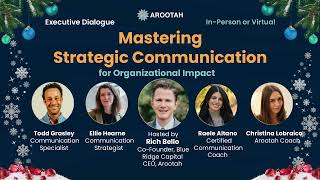
A spoken deep-dive (YouTube audio) hosted by two commentators who analyze a live communication-skills workshop. The discussion covers ten core principles—mindset and intention; the power of silence; active listening (four tiers, up to transformational listening); clarity and brevity in messaging; nonverbal cues and paralinguistics (claim: ~93% nonverbal); presence/charisma; self-regulation and emotional intelligence; constructive conflict and negotiation; giving and receiving feedback; written communication; influence and ethical persuasion; networking; and public speaking. The hosts interleave practical tips (record yourself, I-statements, visualization, breathwork, pyramid/three-point structures), cultural caveats, and examples that emphasize empathy, authenticity, and preparation.
Chapters
Welcome to your deep dive on communication. You know, we usually dig through articles and books, but this time we're doing something a little different.
A little more, shall we say, immersive.
Yeah, immersive.
We're going to be analyzing audio from a live communication skills workshop.
Ooh, sneaky.
It's like we're getting a backstage pass to those high stakes executive coaching sessions.
Exactly. Like, how do those top dogs learn to negotiate, lead with impact, or really master influence? Yeah, that's what we're after.
And the cool thing about this format is you get to hear those principles in action, not just as bullet points on a slide.
You hear the energy, the tone shifts.
Even how the audience reacts. You know, all those little things that make communication come alive.
Right. So let's jump right into this workshop.
Let's do it.
They kick things off by emphasizing the importance of mindset, like the intention behind.
Your words, not just what you say, but the energy you bring to the conversation. Your whole approach.
They actually compare it to the Buddhist concept of right view, which I found fascinating.
It makes total sense though. Right, because so much miscommunication comes from ego.
Oh, absolutely.
From needing to be right, needing to.
Win instead of genuinely connecting with the other person.
Yeah. They shared this really interesting example about a CEO who kept over promising resources to his team.
Oh, I've seen that happen.
Yeah. And it wasn't like he was intentionally lying. He just got caught up in the excitement of the moment. Yeah, but that kind of dishonesty, even if it's unintentional, really erodes trust over time.
It's like a slow leak.
Exactly. It eventually sinks the whole ship.
And then they brought up something I never would have expected. The power of silence.
Yeah, you'd think a communication workshop would be all about talking more.
Right.
But they actually advocate for embracing those pauses, letting silence do its work.
They argue that it creates space for meaning to emerge.
And in negotiations, the person who's comfortable with silence often has the upper hand.
Really? Just by saying. Saying nothing.
It's a power move and it's a skill anyone can develop, you know?
Yeah. I guess it starts with self awareness and building that confidence.
Absolutely.
Makes you think about how differently silence is perceived across cultures too.
Oh, huge cultural differences.
In some it's a sign of respect, while in others, it can be seen.
As disinterest or even hostility.
So much nuance to it.
Absolutely.
So speaking of cultural nuances, the next principle they dive into is active listening.
Ah, yes. Listening beyond just the words they lay out.
These four tiers of listening, starting with.
Basic attention, all the way up to what they call transformational listening, which is.
That deep, empathetic level of engagement you often see in therapists.
It's not just hearing the words, it's being present, picking up on the nonverbal.
Cues, reflecting back what you're hearing to make sure you understand.
It's kind of like think about how you feel when someone's staring at you on the subway.
Oh, yeah. You can feel their eyes on you.
You can feel that intensity, right?
Yeah.
That's what good eye contact does in a conversation.
It signals you're really there.
Exactly. And the experts actually shared some practical tips on creating a listening culture within organizations.
I like that. A culture of listening.
Yeah. It starts with the leaders setting the tone. You know, having those one on one meetings that go beyond just work updates.
Showing genuine interest in their team members.
And they highlighted the importance of curiosity, not just for building relationships, but for unlocking creativity and innovation.
It's amazing what a simple question can do.
It really is.
Okay, now for those of us who like, really love to get to the.
Point, Cut to the chase.
Yeah. Principle three is about clarity and brevity.
Making those words count.
Especially in a world where we're bombarded with information all the time.
Information overload.
They actually use this analogy of packing a suitcase.
I love a good analogy.
You only bring the essentials, right?
No overstuffing.
That's how we should be approaching communication, particularly in written form.
And they also talked about how crucial tone is, especially in emails and texts.
Oh, tone can be so tricky.
So easy for things to get lost in translation without those nonverbal cues.
We've all been there where someone misread the tone and took offense.
Happens all the time.
And they actually suggest using frameworks for. For structuring messages, like the pyramid principle or that classic three point structure.
Those frameworks can be really helpful.
Yeah. Even simple things like using bullet points instead of those dense paragraphs makes it.
So much easier to digest.
Clarity and brevity. Music to my ears.
Now this is where things get really interesting. Principle 4.
Okay, hit me with it.
It's all about the power of non verbal communication.
Ooh. All those unspoken cues.
Body language, facial expressions, tone of voice.
Apparently it's a bigger part of communication than most of us realize.
Way bigger. Studies have shown up to 93% of communication is non verbal.
93%. Wow. That's huge.
It's no wonder those misaligned cues can lead to so much misunderstanding and conflict.
It's like we're speaking different languages.
And they had this really interesting piece of advice.
Okay, I'm listening.
Record yourself speaking to increase your self awareness.
Ooh, that could be scary.
Right? But watch it back without sound.
First, just to analyze your body language.
Exactly. And then listen to it, focusing on your tone.
I'm going to try that.
It's amazing what you can learn by just observing yourself.
Yeah, I could see that.
And they also highlighted the importance of audience awareness, particularly when it comes to eye contact.
Eye contact's a big one.
It's not just about maintaining it for credibility. It's also about gauging how your message is landing.
Like reading the room.
Exactly.
And then they got into those paralinguistic cues.
Ah.
The subtle things like the tone, pitch, and pace of your voice.
So much can be conveyed through those nuances.
Like a calm tone for a tense negotiation versus a warm tone for team building.
They're basically adding your own personal signature to your communication style.
Now, this next principle is all about that IT factor.
They described it as inspiring, relatable, authentic, and commanding authority. Quite a package. Like how do you even cultivate that?
They break it down into core attributes. Charisma, confidence, composure, and even vulnerability.
Vulnerability In a leadership context, it's about.
Showing your human side being relatable.
I guess it makes sense.
And one of the panelists made a really interesting point about charisma, that it's not necessarily something you're born with.
Okay, so it can be developed.
Absolutely. It comes from being truly engaged, present.
In the moment, making eye contact, inviting others into the conversation.
And they linked confidence to preparation, self awareness, and having a healthy mindset.
That whole fake it till you make it idea.
Exactly. Visualize yourself having already aced the presentation and it can become a self fulfilling prophecy.
It's like setting yourself up for success.
Exactly.
And they also emphasize the importance of upward influence. You know, aligning your vision with the organization's goals. Being a team player, not just standing out for the sake of standing out.
But framing your ideas in a way that benefits everyone.
Which is where preparation comes in again. Absolutely. Thinking strategically about how your ideas fit into the bigger picture.
All right, let's take a deep breath and move into Principle 6.
Time for some self regulation.
This is about the heart of resilience.
Emotional intelligence.
That ability to understand and manage your.
Emotions and recognize the emotions of others.
It's like having another form of intelligence.
Being able to respond thoughtfully rather than just reacting impulsively.
And they actually shared some practical tips for staying cool under pressure.
Like what Kind of things.
Deep breathing exercises, visualizing a straight line when you feel yourself getting defensive.
Oh, I like that. Visualization.
Right. Simple but effective.
And one of the panelists described emotional resilience as the glue that holds teams together.
It's about bouncing back from setbacks, maintaining balance.
And they also brought it back to empathy. Understanding where others are coming from, even when you don't agree.
It's like zooming out to see the bigger picture.
Exactly. It helps us stay grounded and resilient.
Okay, onto something we all face. Conflict.
Oh, here we go.
It's inevitable. Right? But this principle is about handling it.
Constructively, maybe even turning it into something positive.
That would be ideal.
And they highlighted the importance of vulnerability and humility in leadership.
Owning up to your own mistakes.
It can go a long way in resolving conflicts with others.
I can see that.
And they talked about the power of negotiation, finding that common ground, focusing on.
Shared goals instead of getting stuck in fixed positions.
It's about meeting in the middle, creating win win situations which can actually lead.
To more creative solutions.
Absolutely. When we see conflict as an opportunity, it changes everything.
All right. Onto a principle I'm really excited about laid on me. Feedback.
Ah, yes. The gift that keeps on giving.
We often dread it, but they reframe it as a tool for growth and improvement.
And they acknowledged how tricky it can be to give feedback that's specific and actionable without being overly critical or vague.
It's like walking a tightrope.
You've got to find that balance.
They shared a great example about a manager who realized she was giving pep talks when what her team really needed was constructive criticism.
It was a light bulb moment for her.
Sometimes we try to soften the blow so much that the message gets lost.
And they didn't shy away from the emotional aspect of feedback either.
It can be tough to hear. Even when it's well intentioned.
It can trigger that fear response. Feel like an attack on our identity.
But they also offered advice on how to receive feedback without getting defensive.
Considering the source, separating your identity from.
The feedback, and even using that visualization technique of a straight line to stay grounded.
So many good strategies.
It's clear that mastering feedback can really enhance our communication and growth.
Absolutely. When it's done well, it can be a catalyst for incredible development.
Okay, back to the written word.
Back to basics.
Principle 9 is about crafting clear, concise, and impactful messages.
Making every word count.
They emphasize the importance of planning and.
Editing, starting with a clear purpose. Ruthless elimination of unnecessary words.
Remember that suitcase analogy? Pack it Carefully, one of the panelists compared good writing to poetry.
Woo. I like that.
Each word carrying weight and meaning, powerful imagery. And they offer practical tips for emails and reports like action oriented subject lines.
Clear introductions, bullet points instead of those long rambling paragraphs and concise conclusions, all designed to make your message stick.
They even suggested considering a phone call. When an email gets too long or.
Complex, sometimes a conversation is just more efficient.
Finally, we arrive at Principle 10, which brings it all together.
The grand finale, Influence, the art of persuasion.
Inspiring action, building relationships, and leading with integrity.
And they really dove into the fine line between influence and manipulation.
It's a tricky one.
Transparency is key.
Being upfront about your intentions.
If you're genuinely seeking a win win outcome, that's a good sign.
They shared a compelling example of a high stakes negotiation where honesty and transparency led to a successful outcome.
It was about building a long term partnership, not just winning that one deal.
And they highlighted the power of storytelling.
Connecting with people on an emotional level.
Letting them draw their own conclusions instead of force feeding them information.
And they emphasize knowing your audience, tailoring.
Your approach, leading with logic for some, appealing to emotions for others.
It's about understanding what makes people tick.
Wow, that was intense.
So much packed into this workshop.
It's clear that effective communication is about more than just techniques or tips.
It's about cultivating a mindset, a way.
Of being in the world, prioritizing understanding.
Empathy, authenticity, and recognizing that it's an ongoing journey, always room for improvement.
We're all works in progress.
Absolutely. Each interaction is a chance to learn and grow.
Okay, so we've got all these great communication tools, but what happens when things get a little, well, heated? You know, navigating those differences of opinion, especially when they're really deeply rooted in values.
That's when those core principles, mindset, empathy, active listening, become even more crucial. Like remembering to separate the person from their beliefs.
Right. Respecting the individual even when you completely disagree with their viewpoint. It's definitely easier said than done though.
Oh, for sure. It's easy to get caught up in the emotion of it all. Especially when those values feel so fundamental to who we are.
Exactly. Like, how do you stay calm and open when someone's passionately arguing for something you find morally wrong?
For example, the expert suggested a really interesting shift in perspective. Instead of listening to rebut, try listening to understand. Really try to see the world through their lens, even if it feels uncomfortable.
It's like putting on a new pair of glasses. Right. You might not agree with their vision, but at Least you're getting a glimpse of what they see.
Exactly. And remember that curiosity we talked about earlier? Asking genuine questions, not loaded ones, can help de escalate that tension and open up a more productive dialogue.
So instead of how can you possibly believe that it's more help me understand what led you to this perspective.
Much better. And even in the most heated disagreements, there's usually some common ground to be found if you look for it.
Like if you're debating the best way to approach a project at work, at the very least, you probably both agree the goal is to meet the client's needs, right?
Right. Focusing on those shared goals can help move the conversation away from personal attacks and towards a more collaborative approach.
But what about when those differences are just so deeply entrenched? Like when it comes to politics or religion?
Those are definitely the tough ones. The experts acknowledge that sometimes the healthiest option is to set boundaries. Be willing to agree to disagree.
Yeah, I guess not every battle needs to be fought.
Exactly. It's about choosing your battles wisely and protecting your own well being too.
They did emphasize though, the importance of staying true to your own values as well.
Right. You don't have to compromise your own beliefs.
It's about respectfully expressing your perspective, even when it's different.
Finding that balance between being open minded and holding on to what's important to you.
I loved how they brought back the power of silence. When talking about these kinds of conversations.
That pause can be so powerful. It's tempting to fill every silence, especially when we're feeling passionate about something.
But that space allows us to process what we've heard, formulate a thoughtful response instead of just reacting.
It can de escalate tension too. Taking a breath before speaking can sometimes prevent things from spiraling out of control.
It's a good reminder that silence isn't weakness. It's a tool. A tool for reflection and connection.
So to sum up navigating those differences of opinion, it really comes down to approaching those conversations with a whole lot of empathy and respect.
Remembering that the person you're talking to is just that. A person with their own unique experiences that have shaped their views.
And even when you disagree vehemently with their stance, you can still treat them with kindness and understanding.
Because communication is a two way street. It's not about winning or losing.
It's about building those bridges.
Now let's shift gears a bit. The workshop also touched on those dreaded, difficult conversations.
Ooh, yeah, those are never fun.
You know those moments where you know you need to say something but you keep putting it off because it feels so uncomfortable.
Whether it's giving tough feedback or addressing conflict, we've all been there.
And avoiding them only makes things worse. Right. It's like letting a wound fester.
Exactly. It builds resentment, it erodes trust, impacts productivity, the whole nine yards.
So what's the antidote? What do they recommend for tackling these tough talks head on?
Well, they offered a framework, a sort of toolkit to help us approach those situations strategically.
Ooh, I'm all ears.
But step one, mindset. Of course, going into it with the intention of understanding A and D being understood, not just bulldozing in with your agenda.
It's about that two way street again, like we were just talking about.
Exactly. They even suggested practicing empathy beforehand. Imagining yourself in the other person's shoes.
Which is always a good practice, no matter what the situation.
Right. And they emphasized choosing the right time and setting.
No ambushing someone when they're stressed or in a public place.
Exactly. Finding that neutral environment, scheduling a specific time for the conversation. Those details can really make a difference.
And they stress the power of I statements, you know, focusing on your own experience and feelings rather than blaming or attacking.
So instead of you always interrupt me, it's I feel unheard when I'm cut off mid sentence.
It takes the sting out, makes it less accusatory.
Right. And here's a tip I found really helpful. They suggested practicing what you want to say out loud beforehand.
Oh, that makes sense. It's like rehearsing for a play.
Exactly. Helps you find the right words, the.
Right tone, and then doing the conversation itself. It's back to active listening.
Not just waiting for your turn to speak, but really tuning into how the other person is responding, being willing to.
Compromise, finding that solution that works for both parties.
It's all about that common ground. Even when you're in the middle of a disagreement.
And they even talked about body language.
Oh yeah, non verbals are huge.
Maintaining that open posture, making eye contact, setting those subtle signals that can really de escalate a situation.
It's all about communicating that respect and that willingness to listen.
There's so much to consider when it comes to these tough conversations.
It's definitely a balancing act.
It's clear they require self awareness, empathy and that commitment to open communication and their skills.
You know something we can continually get better at?
This deep dive really highlights that communication is so much more than just the words we say. It's about how we say it, when we say it, why we say it.
The intention behind it. The energy we bring, the impact we have on the other person.
Now, before we wrap up this part of our deep dive, there's something that came up several times in the workshop I want to touch on.
What's that?
They kept coming back to the importance of authenticity in communication.
Ah, yes, being genuine. It's something we've woven throughout our discussion so far.
But why is it so crucial, especially in a world where it feels like everyone's trying to project a certain image?
Because people can sense when you're not being real, when you're not being true to yourself, your message loses its power and impact.
It's like trying to fit into clothes that are too small. You might look the part, but you'll never be comfortable.
People are drawn to authenticity, even if they don't agree with everything you say. It's about that trust, that connection.
So how do we become more authentic communicators?
Well, it starts with that self awareness. Knowing your values, your beliefs, your strengths, and, yes, even your weaknesses.
And then communicating in a way that's aligned with who you are at your core.
Being true to yourself, even when it's difficult or uncomfortable.
And they were very clear that authenticity doesn't mean being perfect.
Right. It means being. Being real, being vulnerable, showing your human.
Side, letting go of that need to please everyone, and focusing on connecting with the people who appreciate you for who you are.
That's where true connection and influence lie.
Well said. Now, before we move on to the final part of our deep dive, I'm curious what stood out to you most so far?
For me, it's how interconnected all these principles are. It's not about picking and choosing which ones to use. It's about weaving them all together to create this together tapestry of effective communication.
I love that. A tapestry.
It's a whole approach, a way of being in the world that prioritizes understanding, empathy, and authenticity.
And it's a journey, not a destination. We can always keep learning and growing as communicators.
We've covered so much ground from those foundational principles to navigating tricky conversations and building authenticity.
It's been quite a journey.
It really has.
Now let's dive into some of those more advanced skills the workshop tackled.
All right, let's do it.
They spent some time on the art of persuasion, which, honestly, can feel a little intimidating.
Oh, I hear you.
Like, are we talking about manipulating people?
No, not at all.
Okay.
They framed it as ethically and effectively influencing others.
Inspiring action, leading with integrity.
Exactly.
So where do we even begin?
Well, they emphasize the importance of establishing credibility makes sense.
You're more likely to be persuaded by someone you see as knowledgeable and trustworthy.
Exactly.
But how do you actually build that credibility? It's not like you can just tell people to trust you.
It starts with preparation.
Knowing your stuff inside and out, being.
Able to answer those tough questions, and.
Then communicating that expertise clearly and confidently.
Yeah, it's a combination of substance and style.
And woven into that is building trust, which doesn't happen overnight. It takes consistency, being honest, transparent, following.
Through on your commitments, showing up authentically, like we talked about earlier.
So once we've got that foundation of credibility and trust, how do we actually craft a persuasive message?
Well, they emphasized knowing your audience, really.
Understanding their needs, their values, their motivations.
What are they hoping for? What are they afraid of?
That takes real empathy. It does. So you can tailor your message to.
Resonate with them and keep it clear and simple.
People are more likely to be swayed by a message they can easily grasp and remember. Okay, I'm listening.
They also highlighted the power of storytelling.
Ah, stories. We love a good story.
We're hardwired for it.
They can make even complex information more engaging and memorable.
It's about tapping into those emotions. And don't forget addressing objections.
Those are important.
Don't just brush them aside, Acknowledge them, validate them.
It shows you're listening.
And then you can offer compelling reasons why your approach still makes sense.
It's about reframing the conversation, highlighting the benefits.
Exactly.
But throughout it all, yeah, they were very clear about ethical persuasion.
No sneaky tactics, no manipulation.
It's about respecting people's autonomy, influencing with integrity. Right, okay, let's switch gears a bit.
All right, what's next?
They also touched on networking, which, let's be honest, can feel awkward or even dreaded. Yeah, not everyone's a natural networker, but.
They had some great advice for shifting that mindset.
I'm all ears.
Instead of seeing it as a transactional.
Exchange, like what can I get from this person?
Right. Try to view it as an opportunity to connect with interesting people, to learn from their experiences. And remember, every person you meet has something valuable to offer.
It could be knowledge, insights, connections, even just a fresh perspective.
Exactly. So approach each interaction with curiosity, a willingness to learn. And remember, it's a two way street.
Be helpful, offer support.
Those are the connections that become mutually beneficial.
So where's the best place to even start networking?
Well, they recommend starting with your existing network.
That's a good idea.
Reach out to former colleagues, classmates, friends, Family.
We often forget about those connections.
And then, of course, there are industry events and conferences.
Those can be good for expanding your network.
But don't go in with a sales pitch ready.
Nobody likes that.
Focus on having genuine conversations, finding common ground.
I've made some of my best connections that way.
It's amazing how those valuable connections often happen organically.
You're right.
It could be at a coffee shop, a volunteer event, even just striking up a conversation with someone at the grocery store.
So be open to those unexpected moments.
Absolutely.
And once you've made a connection, how do you keep it going?
Follow up is key.
Send a personalized email, mention something specific.
You discussed, and stay in touch.
Share articles, invite them to coffee.
It's about nurturing that relationship over time.
And through it all.
Yeah.
Be authentically yourself.
People can spot a fake a mile away, so relax.
Focus on making connections that feel right.
Yeah.
Be open to the possibilities.
Now for our final topic, let's tackle the beast that many people fear.
Oh, what is it?
Public speaking.
Oh, yeah, that one.
Just the thought of it can send shivers down people's spines.
But they reassured us that even those who are introverted or shy can learn to master this skill.
And the benefits are huge.
It can open so many doors.
So let's break it down.
Okay, I'm ready.
First and foremost, know your audience.
Just like with persuasion.
Exactly who are they?
What are their interests? What's the context of the event?
Tailor your message and your delivery accordingly.
No generic presentations.
Once you know your audience, craft your message.
What's the one key takeaway you want them to remember?
What's the story you'll tell to make it stick.
Structure is important too, right?
Absolutely. They recommended the classic three part structure.
Introduction, body, conclusion.
Keep it simple and organized.
And within that, storytelling is key.
Bring your message to life with anecdotes, examples, metaphors.
A little humor never hurts either.
A well placed joke can lighten the.
Mood, make you more relatable.
And of course, practice is essential.
Rehearse, rehearse.
Rehearse out loud in front of a mirror. Record yourself.
The more you practice, the more comfortable you'll become.
Now, on to delivery.
All right, tips for delivery.
Eye contact is crucial.
Not staring at one person, but making those brief connections with individuals.
Scan the room, smile.
Show your audience you're happy to be there.
And don't underestimate the power of body language.
Use gestures, movement. Stand tall.
It all adds to your presence.
And then there's the voice Project.
Clearly vary your tone and pitch. Use pauses strategically.
What about those nerves. Everyone gets nervous, right?
They do. Even seasoned speakers.
So how do you deal with them?
They suggested reframing anxiety as excitement instead.
Of I'm so nervous. Tell yourself, I'm excited to share this.
I love that. Me too.
Focus on your breathing, those slow, deep breaths. And remember, your audience wants you to succeed.
They're there to hear what you have to say.
So relax. Be yourself. Let your passion shine through.
That's the key to connecting.
Wow, what a journey this deep dive has been.
From the power of silence to the art of persistence, persuasion. We've covered so much ground.
It's clear that communication is so much more than just words.
It's a skill, not a talent.
And that's empowering. It means we can all get better.
At it with practice, with intention.
So, as we wrap up this deep dive, what's the biggest takeaway for you?
For me, it's that effective communication is about connecting with others on a human level.
Building relationships, understanding different perspectives, expressing ourselves authentically. Beautifully said, and I think that's a perfect note to leave our listeners on.
What resonated most with you? What's one small step you can take today to put it into practice?
Remember, even the smallest adjustments can make.
A huge difference, creating more positive and productive communication in all areas of your life.
So until next time, keep those communication channels open and keep those conversations flowing.
More from Rich



Goal Setting Workshop: Set Your Top 2023 Goals & Create a Master Plan to Achieve them! NYC

Goal Setting Workshop 2025: Design Your Master Plan for Success! AROOTAH Advisory & Coaching | NYC

Redefining Success: Arootah President Talks with Christyl Murray on Culture, AI, and Much More!

Rich Bello Best Practices Keynote to Family Office Leaders | Parrish Museum The Hamptons | Aug 2025


